Hedge Fund DDQ: Investor Expectations, Risks, and Response Strategy

Due diligence questionnaires (DDQs) have become a critical part of hedge fund investment decisions. Recent research shows that 59% of institutional investors now use bespoke DDQs rather than standard templates.
As a result, hedge fund managers rarely respond to the same questionnaire twice. Instead, DDQs have become modular, with investors reassembling familiar question sets in different structures, formats, and levels of depth.
For response teams, this creates a practical challenge. Similar questions arrive in different formats, wording varies by allocator, and answers must stay consistent across submissions. DDQs are no longer one-off documents. They function as a set of reusable, evolving responses that must stay accurate as investor expectations change.
This blog explains how hedge fund DDQs work from both investor and responder perspectives, the common sections buyers scrutinize, how industry DDQs shape questions, where manual responses break down, and how AI supports accurate, consistent responses at scale.
Key Takeaways
- 59% of institutional investors use bespoke DDQs, which means hedge fund managers rarely respond to the same questionnaire twice and must handle modular, reassembled question sets.
- Hedge fund DDQs focus on how the fund operates, with heavy scrutiny on investment discipline, risk controls, operations, compliance, and execution alignment rather than performance alone.
- Even customized DDQs follow industry patterns, shaped by evolving expectations influenced by AIMA and ILPA as regulatory and risk priorities change.
- Manual DDQ response processes break under scale, leading to repetition, version drift, outdated disclosures, and longer review cycles during capital raises.
- AI helps stabilize DDQ responses by normalizing question variants, maintaining a single source of truth, and enabling faster, more consistent reviews across investors.
- Inventive AI centralizes prior DDQs, auto-matches question variants, and keeps disclosures consistent across allocators, reducing version drift and review time.
What Is a Hedge Fund DDQ?
A hedge fund due diligence questionnaire (DDQ) is a structured document investors use to evaluate how a fund operates beyond performance numbers. Its purpose is to assess investment discipline, risk controls, operational setup, governance, and compliance before committing or re-committing capital.
Unlike PE or VC DDQs, which often focus on long-term strategy, portfolio construction, and deal governance, hedge fund DDQs place heavier emphasis on liquidity management, trading controls, valuation practices, counterparty exposure, and day-to-day operational risk.
They are also more dynamic than broad institutional DDQs, as hedge funds face frequent strategy shifts, market volatility, and regulatory scrutiny. Hedge fund DDQs are typically triggered during new allocations, capital re-ups, material strategy changes, key personnel movements, or in response to regulatory or market events that prompt investors to reassess risk.
Who Issues Hedge Fund DDQs?
Different investor groups issue hedge fund DDQs, each bringing its own review priorities and governance requirements. The most common issuers include the following investor types:
- Institutional Allocators: Use DDQs to support investment committee reviews and maintain consistent operational risk records across multiple managers.
- Family Offices: Rely on DDQs to gain direct visibility into risk controls, liquidity practices, and governance structures.
- Fund-of-Funds: Issue DDQs to standardize manager evaluations and compare operational strength across diversified portfolios.
- Pension Funds and Endowments: Use DDQs to meet fiduciary obligations, regulatory scrutiny, and long-term capital preservation requirements.
What Buyers Are Trying to Validate With Hedge Fund DDQ?
Investors use hedge fund DDQs to assess whether a fund’s internal operations and controls are strong enough to support capital allocation. These questionnaires are typically designed to validate the following areas:
- Investment process repeatability: Whether portfolio decisions follow a defined and repeatable process across market conditions.
- Risk management maturity: How risks are identified, monitored, and escalated within the organization.
- Operational resilience: The fund’s ability to continue functioning during market stress, system disruptions, or staff changes.
- Regulatory and compliance posture: The strength of compliance controls, disclosures, and oversight mechanisms.
- Alignment between stated strategy and execution: Whether actual portfolio behavior matches what is communicated to investors.
Also read: Due Diligence Questionnaire (DDQ): A Complete Guide with Examples.
2 Major Industry-Standard Hedge Fund DDQ Frameworks Investors Rely On
While most investors issue bespoke DDQs, many of those questionnaires are still shaped by industry-standard frameworks that influence structure, wording, and expectations.
Response teams need to recognize these underlying references, even when investors do not explicitly cite them.
1. Alternative Investment Management Association (AIMA) DDQ
AIMA publishes one of the most widely referenced DDQs in the hedge fund industry, used by pension funds and institutional investors when evaluating hedge fund and fund-of-funds managers.
The questionnaire has been updated over time in response to regulatory change and investor demand, including developments such as AIFMD and increased scrutiny around dealing practices, conflicts of interest, and cybersecurity.
When AIMA updates its DDQ, response teams see the impact in allocator questionnaires in the following ways:
- Investors introduce new questions tied to regulatory or supervisory developments.
- Topics like cybersecurity and operational controls shift from secondary sections into core DDQ requirements.
- Allocators compare answers against current expectations, not prior-year disclosures.
- Legacy responses can trigger follow-ups if they reflect outdated controls or policies.
2. Institutional Limited Partners Association (ILPA) DDQ and Its Relevance to Hedge Funds
ILPA’s DDQs were designed for private equity, but they increasingly influence hedge fund DDQs when investors allocate across multiple asset classes.
Multi-asset allocators reuse ILPA-style questions to apply consistent standards for governance, transparency, and reporting across their portfolios.
For hedge fund response teams, this crossover shows up in practical ways:
- DDQs include questions framed using private-markets language.
- Governance, ESG, and disclosure depth expectations increase.
- Hedge funds are evaluated alongside PE managers using similar criteria.
- Answers must address intent without forcing structural alignment that does not fit hedge fund models.
Industry DDQs evolve as the investment landscape changes. Even bespoke investor questionnaires reflect these shifts. Hedge fund DDQs are no longer static documents. They are moving targets that require response teams to refresh core answers regularly to stay aligned with current investor expectations.
5 Most Common Sections in a Hedge Fund DDQ (What Buyers Scrutinize Most, With Example Questions)
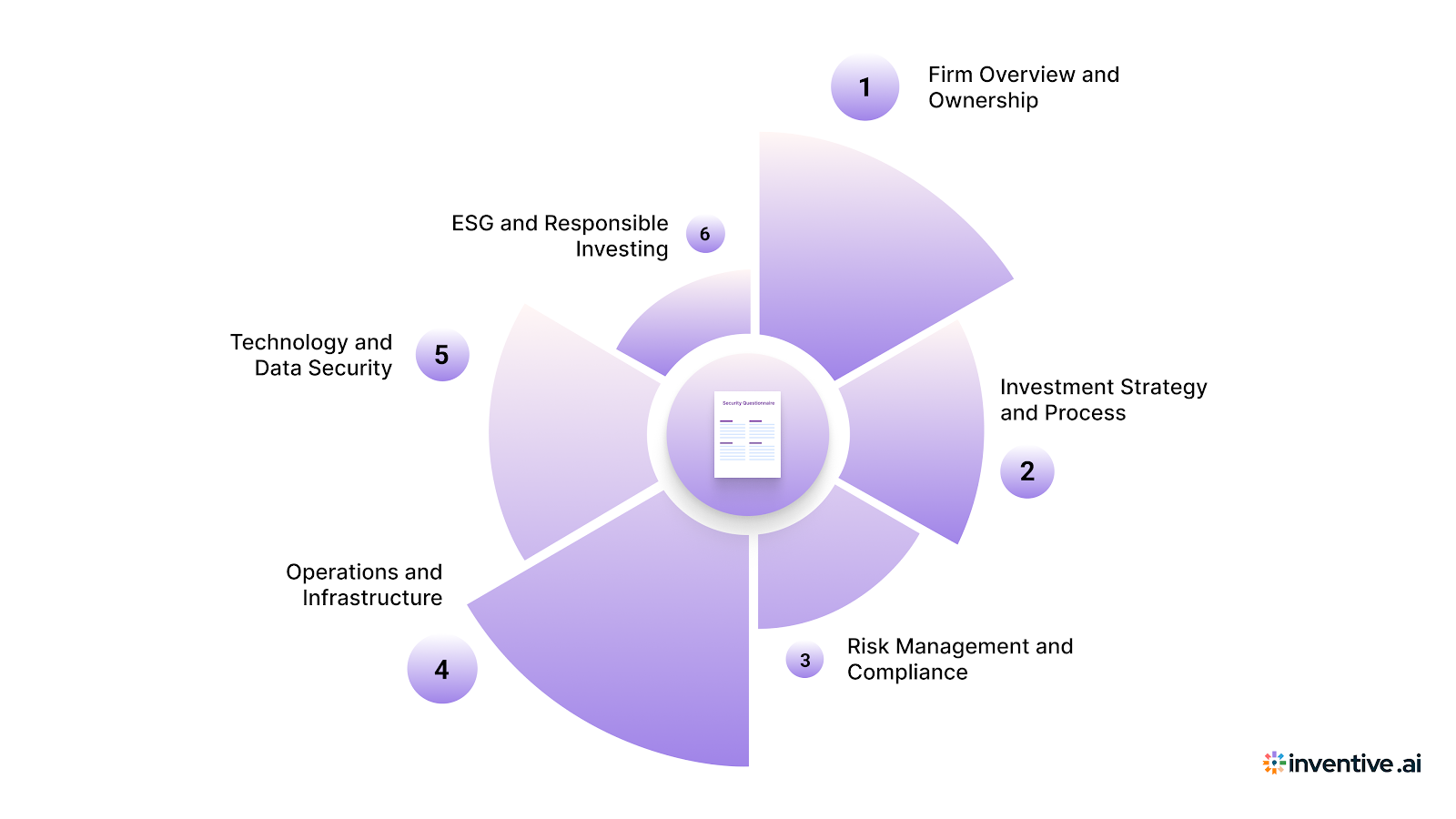
Although hedge fund DDQs differ in format, investors tend to focus on the same core areas to understand how a fund is structured, how decisions are made, and how risks are controlled.
Each section below reflects where buyers spend the most time reviewing answers and asking follow-ups. The example questions illustrate how these topics typically appear in DDQs.
1. Firm Overview and Ownership
Investors use this section to document how the firm is structured and who holds decision-making authority, since ownership and leadership arrangements influence governance and continuity.
Example questions investors ask:
- What is the legal structure of the management company and fund entities?
- Who are the principals, and how is ownership distributed?
- What plans exist for leadership transition or key-person events?
2. Investment Strategy and Process
This section captures how investment decisions are made and executed on an ongoing basis, providing context for portfolio behavior across different market conditions.
Example questions investors ask:
- How are investment ideas sourced, researched, and approved?
- How is the portfolio constructed and exposures managed?
- What limits apply to positions, leverage, or concentration, and how are exceptions handled?
3. Risk Management and Compliance
Investors focus here on understanding how risk and compliance responsibilities are organized and carried out within the firm.
Example questions investors ask:
- How is the risk management function structured relative to portfolio management?
- What stress testing or scenario analysis is performed, and how often?
- What regulatory filings, disclosures, or examinations has the firm undergone?
4. Operations and Infrastructure
Operational questions document how trades, valuations, and controls are managed day to day, including reliance on internal teams and external providers.
Example questions investors ask:
- How are trades processed, reconciled, and settled?
- What valuation policies govern pricing sources and overrides?
- Which administrators, auditors, custodians, or prime brokers are engaged?
5. Technology and Data Security
Technology-related sections describe the systems and controls that support operations and protect sensitive data.
Example questions investors ask:
- What systems are used across front-, middle-, and back-office functions?
- How is user access managed and reviewed?
- What procedures exist for responding to cybersecurity incidents?
6. ESG and Responsible Investing (When Applicable)
When relevant to the investor mandate, this section documents how ESG considerations are defined and applied within the investment process.
Example questions investors ask:
- Are ESG factors incorporated into investment decisions or risk review?
- Are exclusions applied, and how are they monitored?
- What data sources and governance processes support ESG reporting?
This structure explains why DDQs often feel familiar while still generating new work. Investors return to the same areas but vary how deeply they probe each one, which leads directly into the challenges response teams face when managing multiple bespoke DDQs.
Related: DDQ vs RFP: What’s the Difference and When to Use Each
How Hedge Fund Teams Should Respond to DDQs Without Creating Risk or Rework? 7 Steps to Follow
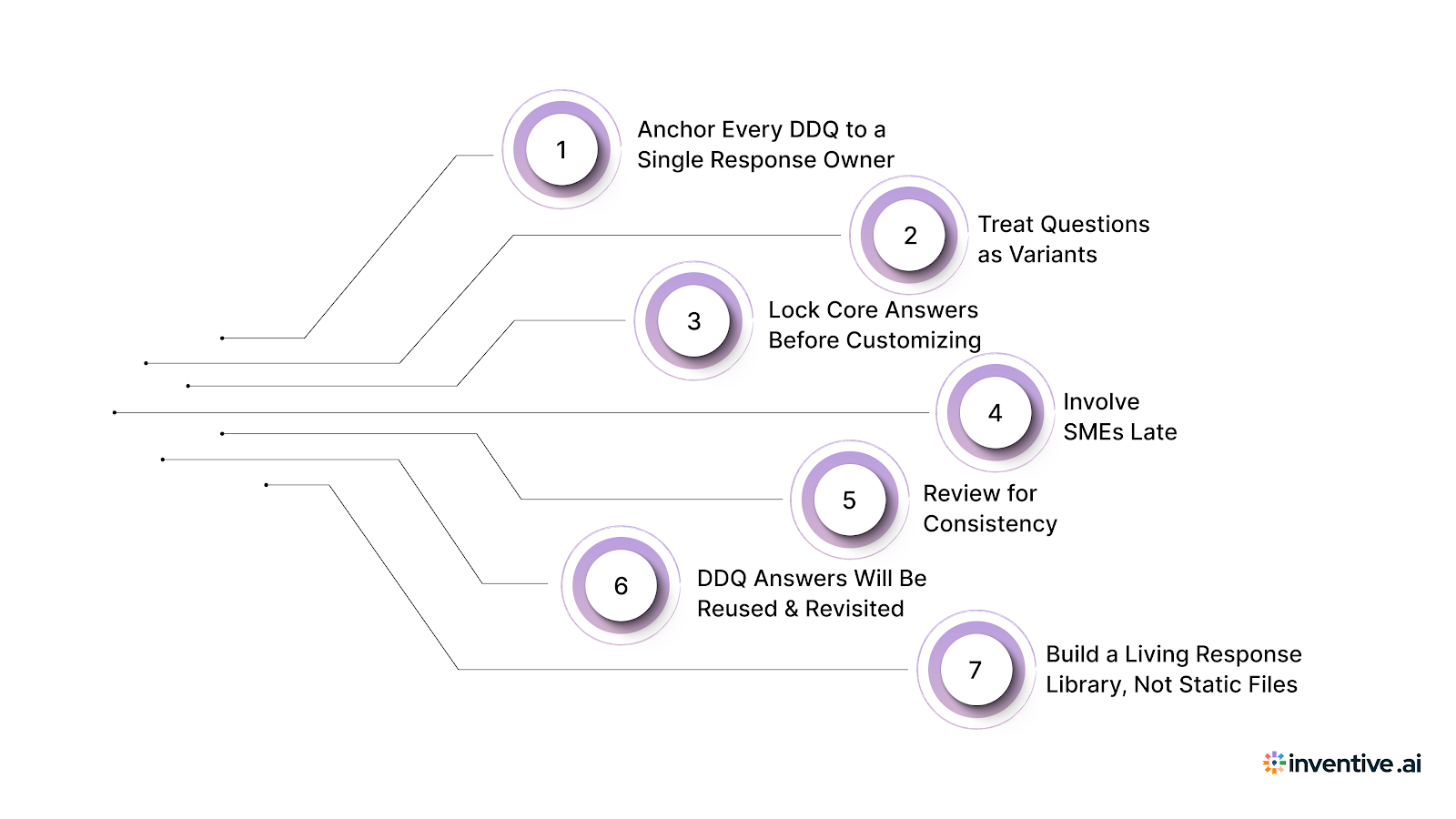
Hedge fund DDQs require a different response approach than generic vendor or procurement questionnaires. They combine regulatory exposure, long-lived disclosures, and allocator-specific expectations.
An effective response process is designed to control consistency, accuracy, and turnaround time across repeated, bespoke requests.
1. Anchor Every DDQ to a Single Response Owner
Each DDQ should have a clearly identified owner responsible for intake, coordination, and final submission. This role is critical because DDQs often span investment, risk, compliance, operations, and technology. Without a central owner, answers drift across contributors, and inconsistencies surface between sections.
Actionable focus:
- One point of control for question intake and interpretation.
- Clear sequencing for draft, SME input, review, and submission.
- Explicit cutoffs for answer changes once review begins.
2. Treat Questions as Variants
Most hedge fund DDQ questions are not new. They are variations of the same themes presented in different wording, order, or depth. Response teams should normalize incoming questions to underlying concepts such as strategy, risk limits, valuation, or cybersecurity.
Actionable focus:
- Map new questions to existing answer modules.
- Adjust only what the allocator is explicitly asking for.
- Avoid rewriting core disclosures for cosmetic wording changes.
Example: A question on “portfolio construction discipline” and another on “position sizing controls” should point back to the same underlying description, not generate separate narratives.
3. Lock Core Answers Before Customizing
Certain DDQ answers should remain stable across investors. These include legal structure, regulatory status, risk governance, valuation policy, and service providers. Customization should be applied only where the allocator context requires it, not to foundational disclosures.
Actionable focus:
- Maintain locked, approved language for core sections.
- Track where and why customization is applied.
- Prevent small edits from cascading into broader inconsistencies.
4. Involve SMEs Late
Subject matter experts are most valuable for gaps, edge cases, and allocator-specific follow-ups, not for rewriting standard answers. Pulling SMEs in too early increases cycle time and creates conflicting versions of the same response.
Actionable focus:
- Pre-fill known sections before SME review.
- Escalate only genuinely new or sensitive questions.
- Capture SME input once and reuse it across future DDQs.
5. Review for Consistency
A completed DDQ can still raise concerns if answers conflict with each other, prior submissions, or marketing materials. Reviews should focus on alignment across sections, especially where similar topics appear multiple times.
Actionable focus:
- Cross-check strategy, risk, and operations answers for alignment.
- Validate dates, team names, and policy references.
- Confirm disclosures match prior DDQs and investor communications.
6. Assume DDQ Answers Will Be Reused and Revisited
Hedge fund DDQs are rarely read once. Investors reference them during re-ups, on-site reviews, audits, and regulatory discussions. Responses should be written with reuse in mind.
Actionable focus:
- Avoid time-bound language unless required.
- Write answers that remain accurate across market cycles.
- Track when answers were last reviewed or updated.
7. Build a Living Response Library, Not Static Files
Storing DDQs as completed documents creates duplication and version drift. Hedge fund teams benefit from maintaining a structured response library that reflects how questions evolve over time.
Actionable focus:
- Store answers by topic, not by investor.
- Track approved versions and update history.
- Use prior DDQs as inputs, not starting points.
Why Manual Hedge Fund DDQs Are Hard to Manage Manually? 4 Main Reasons
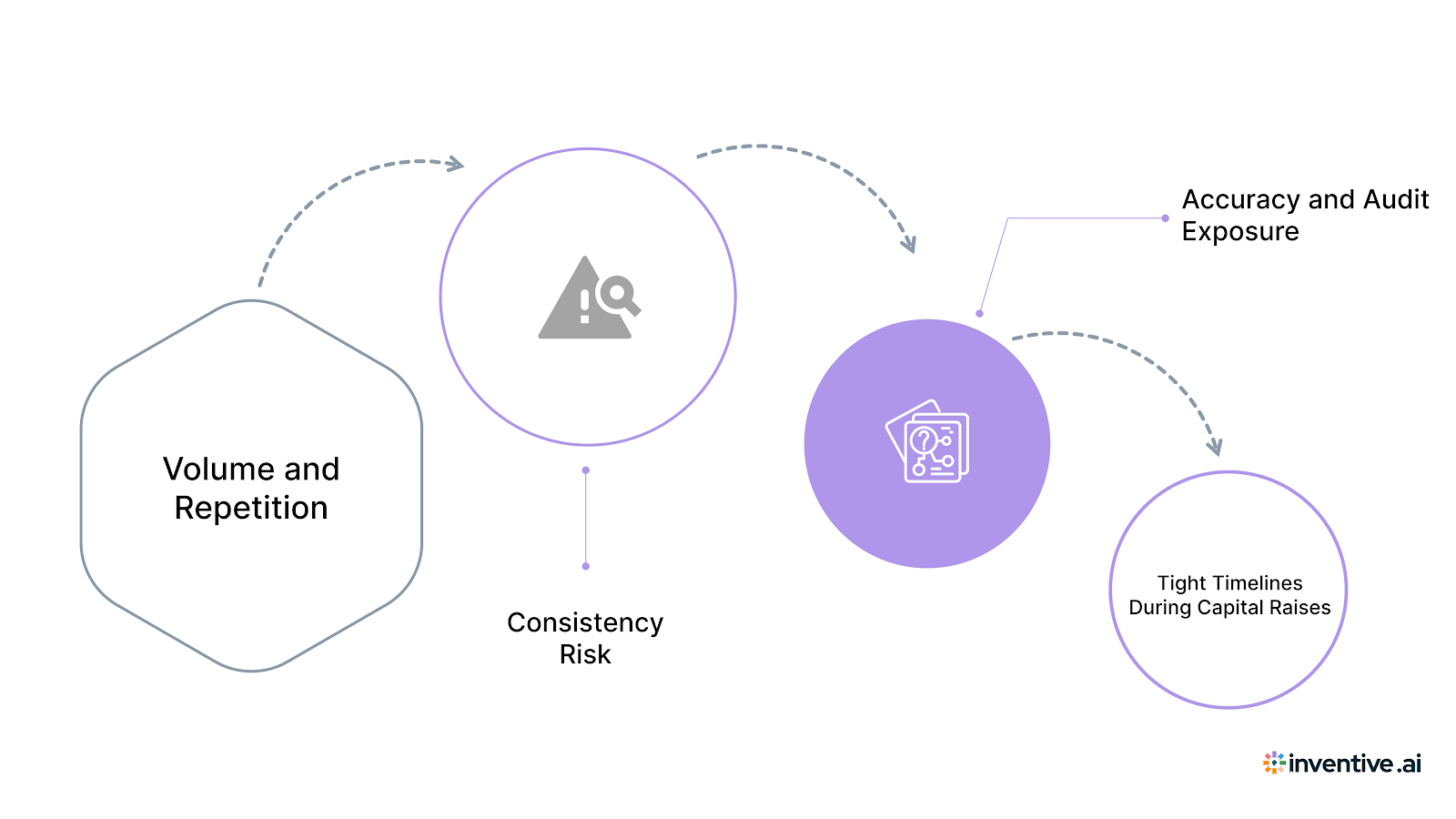
Manual DDQ response workflows struggle as hedge fund due diligence becomes more customized and frequent. What looks manageable at low volume quickly breaks down when similar questions arrive in different formats, across overlapping timelines, and with long-term reuse expectations.
1. Volume and Repetition
Most hedge fund DDQs ask for the same underlying information, but each allocator frames questions differently. Manual processes treat these as separate tasks rather than variations of the same disclosure.
Over time, response teams end up rewriting near-identical explanations of strategy, risk controls, or operations, increasing workload without improving clarity for investors.
2. Consistency Risk
Consistency becomes difficult to maintain when answers are copied between documents and adjusted in isolation. A change made for one investor may not be reflected elsewhere, creating subtle differences across DDQs, pitch materials, and historical responses.
These inconsistencies are rarely intentional, but they accumulate as response volumes increase and review cycles compress.
3. Accuracy and Audit Exposure
DDQ responses often live far beyond the initial submission. Investors revisit them during re-ups, on-site reviews, and regulatory examinations.
Manual workflows make it easy for outdated policy language, personnel changes, or system updates to remain embedded in responses, increasing the risk of follow-up scrutiny or extended diligence.
4. Tight Timelines During Capital Raises
During fundraising periods, hedge fund teams frequently manage multiple DDQs in parallel. Senior investment, risk, and compliance leaders have limited time to review repeated disclosures, which forces response teams to rely heavily on reuse.
Under time pressure, alignment checks are shortened, increasing the chance of generic language, missed updates, or conflicting answers.
When manual processes are stretched, problems tend to surface in predictable ways. Responses lose specificity, disclosures conflict across sections, copy-paste errors slip through, and references to policies or controls no longer reflect current practice. These breakdowns slow allocator reviews and often trigger additional diligence cycles.
How AI Changes Hedge Fund DDQ Response Workflows?
As hedge fund DDQs become more bespoke and repetitive at the same time, AI is increasingly used to reduce manual effort while preserving control and accuracy.
Gartner estimates that by 2026, teams using generative AI for proposal-style responses will spend an average of 16 hours per RFP, down from 27 hours, while maintaining win rates. The same efficiency pattern applies to DDQs, where effort is driven by repetition, review cycles, and coordination.
1. Reducing Repetitive Drafting Without Losing Control
AI helps hedge fund teams avoid rewriting the same disclosures when investors rephrase familiar questions. It supports reuse by aligning new questions with existing, approved responses and adapting them to the requested format.
How AI helps:
- Recognizes question variants tied to the same underlying topic.
- Starts responses from the approved base language.
- Limits customization to allocator-specific context.
2. Preserving Accuracy Across Similar Questions
Accuracy issues often arise when small manual edits accumulate across documents. AI supports accuracy by keeping responses tied to a single, validated source and applying updates consistently.
How AI helps:
- Keeps policy, control, and system references aligned.
- Reduces the risk of outdated language being reused.
- Makes updates easier to apply across related answers.
This is particularly valuable for DDQs referenced during re-ups or regulatory reviews.
3. Maintaining Consistency Across Investor Profiles
Allocators vary in how they ask questions, even when intent overlaps. AI helps normalize these differences while allowing careful tailoring where required.
How AI helps:
- Maintains consistent core disclosures across investors.
- Adjusts depth based on allocator expectations.
- Reduces conflicting language across submissions.
4. Supporting Faster Review Cycles Under Time Pressure
During fundraising periods, response teams often work under compressed timelines. AI helps prepare review-ready drafts earlier, reducing pressure on senior reviewers.
How AI helps:
- Produces more complete first drafts.
- Focuses reviews on exceptions rather than routine content.
- Makes parallel DDQs easier to manage.
How Inventive AI Helps Hedge Fund Teams Respond to DDQs With Speed and Control?
Hedge fund DDQ response work breaks down when teams rely on manual drafting, scattered documents, and repeated reviews under time pressure.
Inventive AI is built to address these exact constraints by centralizing knowledge, reducing repetitive work, and keeping responses accurate and aligned across investors.
Instead of treating each DDQ as a new document, Inventive AI helps teams respond from a controlled, continuously updated knowledge base while adapting answers to allocator-specific context.
Key Ways Inventive AI Solves Hedge Fund DDQ Challenges:
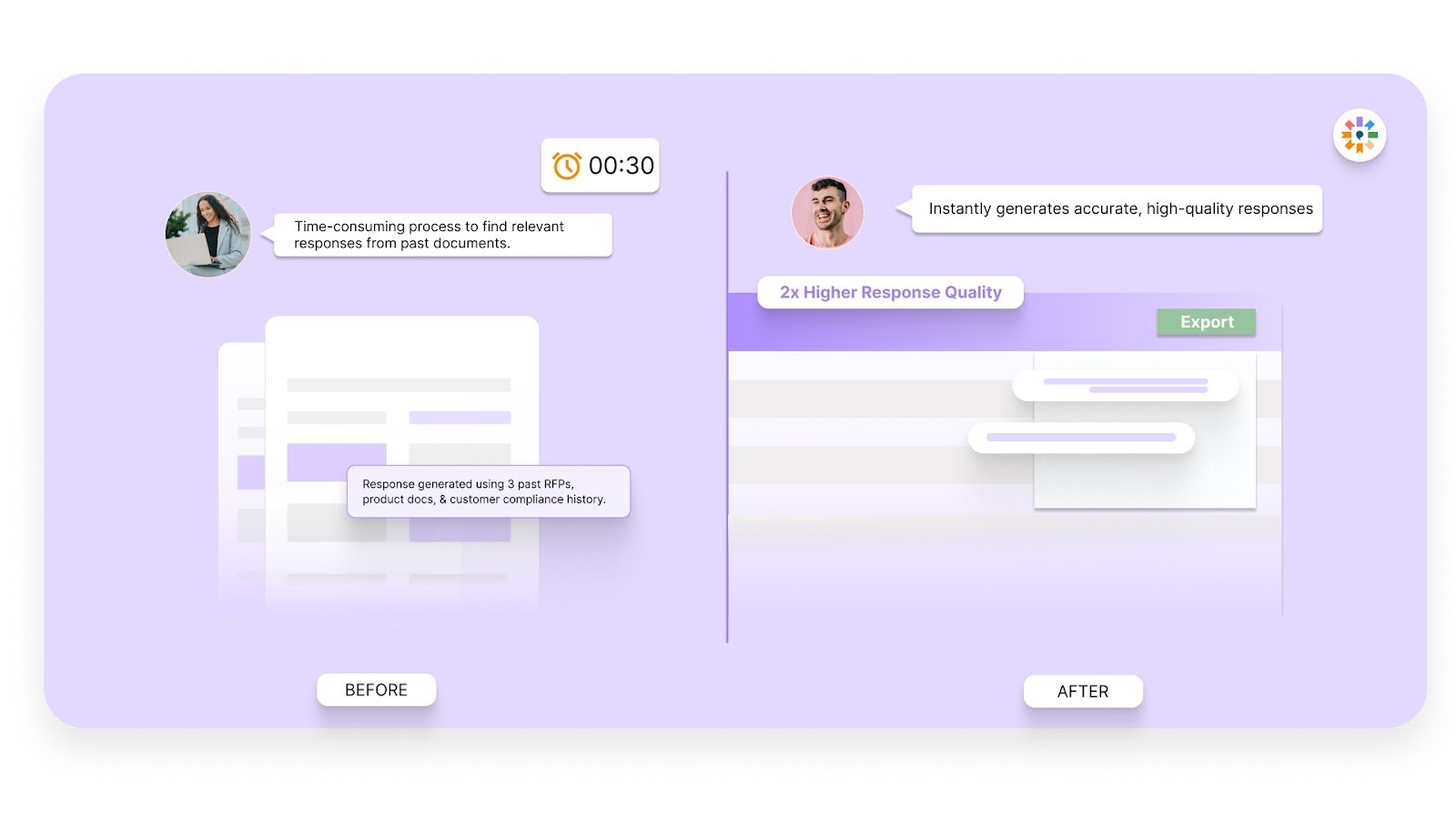
- 2× More Accurate Draft Creation: Inventive AI applies multi-agent reasoning to understand question intent and produce clearer, more accurate, and more complete drafts. Teams move from blank questionnaires to review-ready responses with consistent quality across every disclosure.
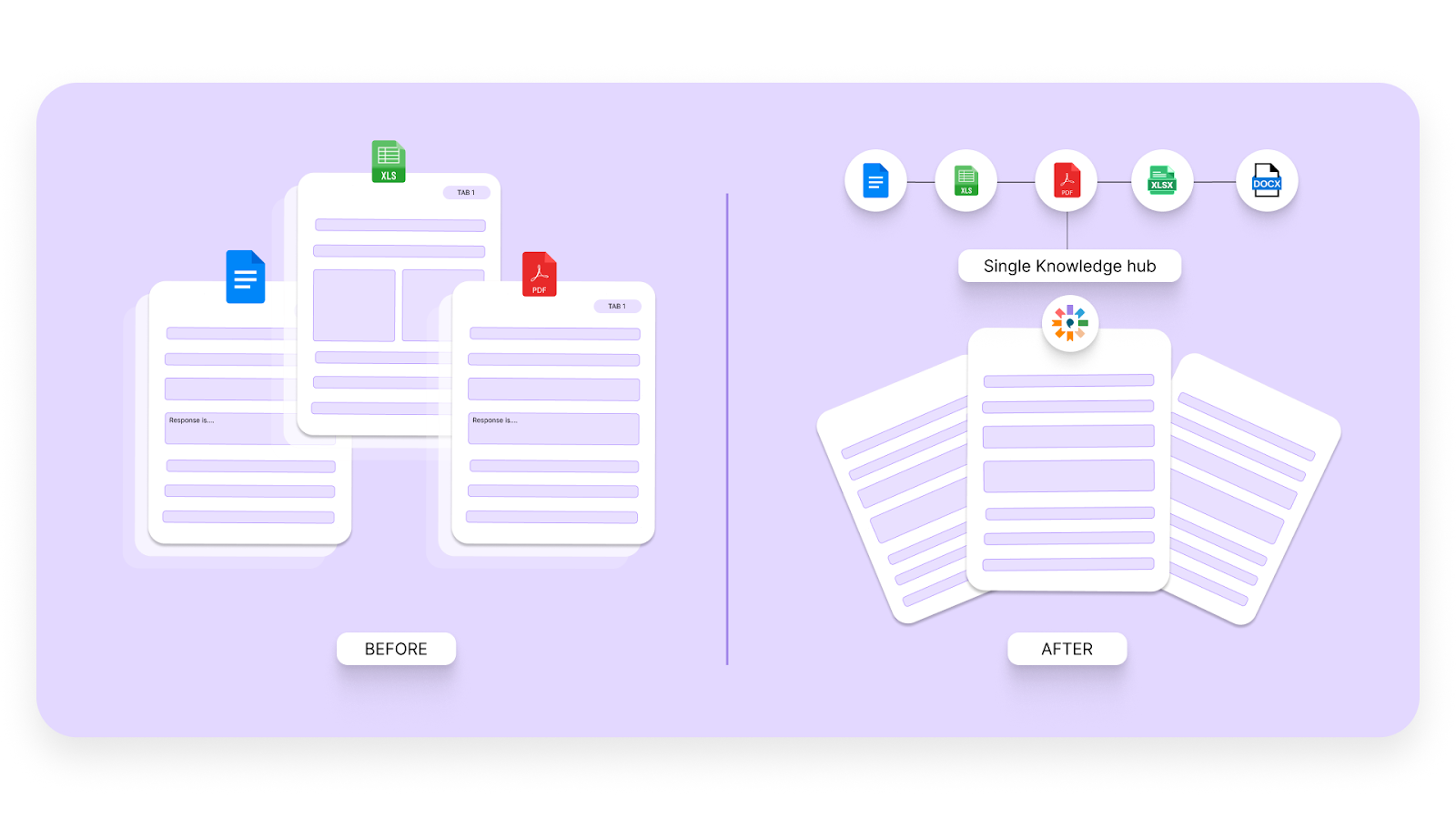
- Single Hub for All DDQ Knowledge Sources: Centralize prior DDQs, approved answers, policies, and supporting documents in one place. Inventive AI connects directly to Google Drive, SharePoint, Notion, Confluence, CRM systems, and legacy spreadsheets to create a single source of truth for response teams.
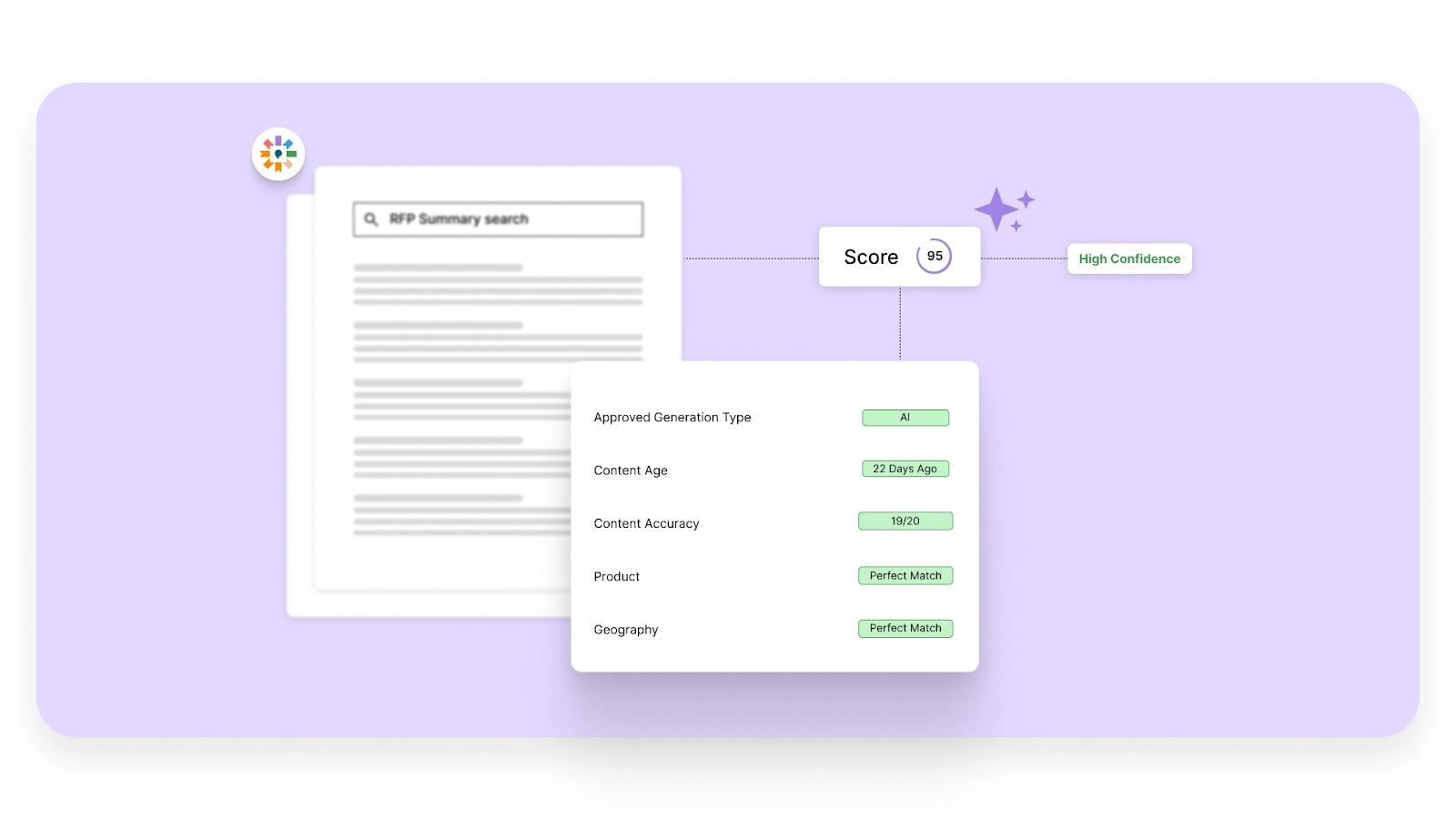
- AI-Powered Responses With Citations and Confidence Scores: Every answer is generated from your internal sources, not the open web. Responses include citations and confidence scores, making them easy to verify and suitable for investor review, re-ups, and audits.
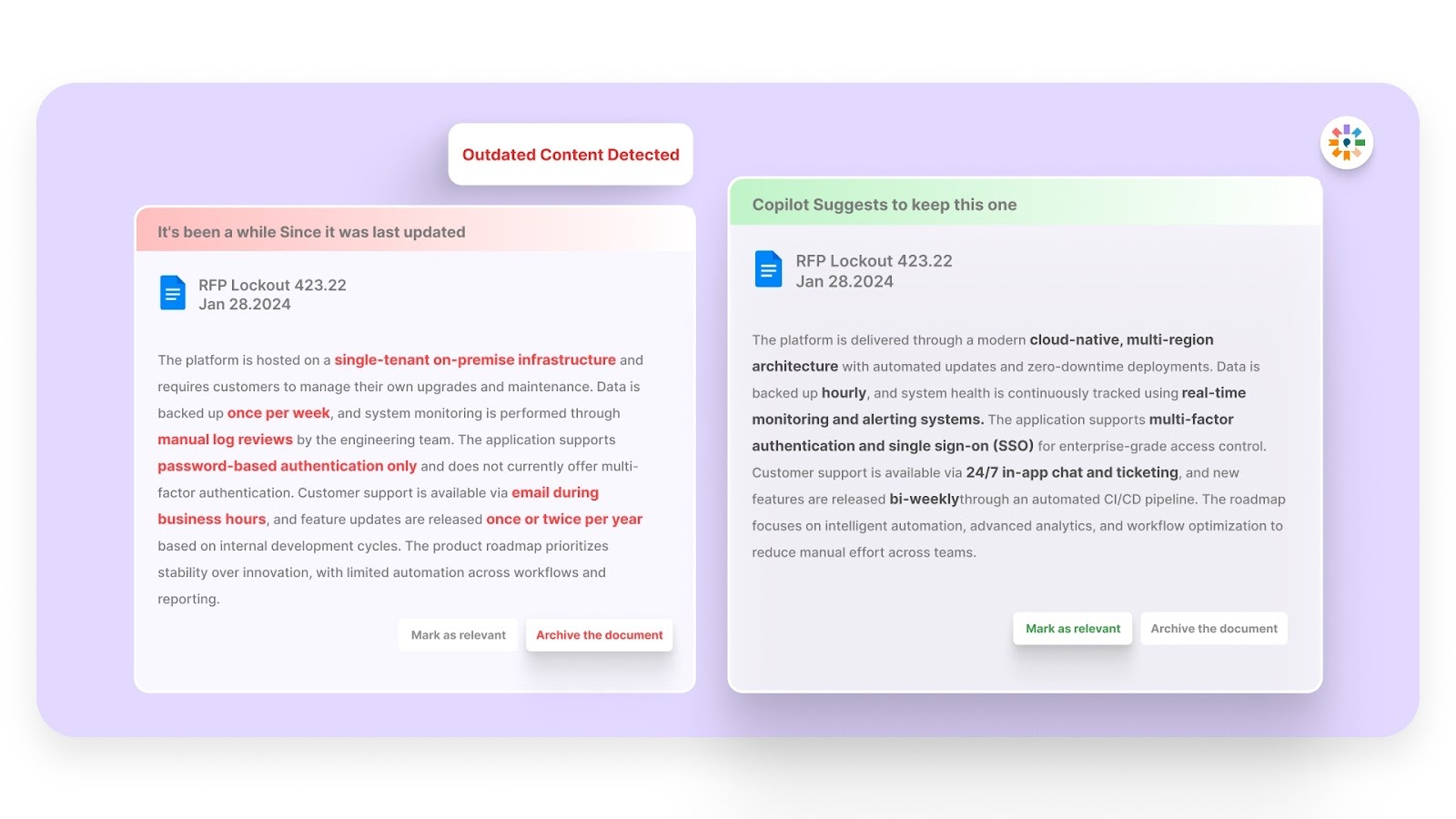
- Fight Stale and Conflicting DDQ Content Automatically: Inventive’s AI Content Manager flags outdated or conflicting answers across your knowledge base, helping teams avoid version drift as policies, controls, or systems change.
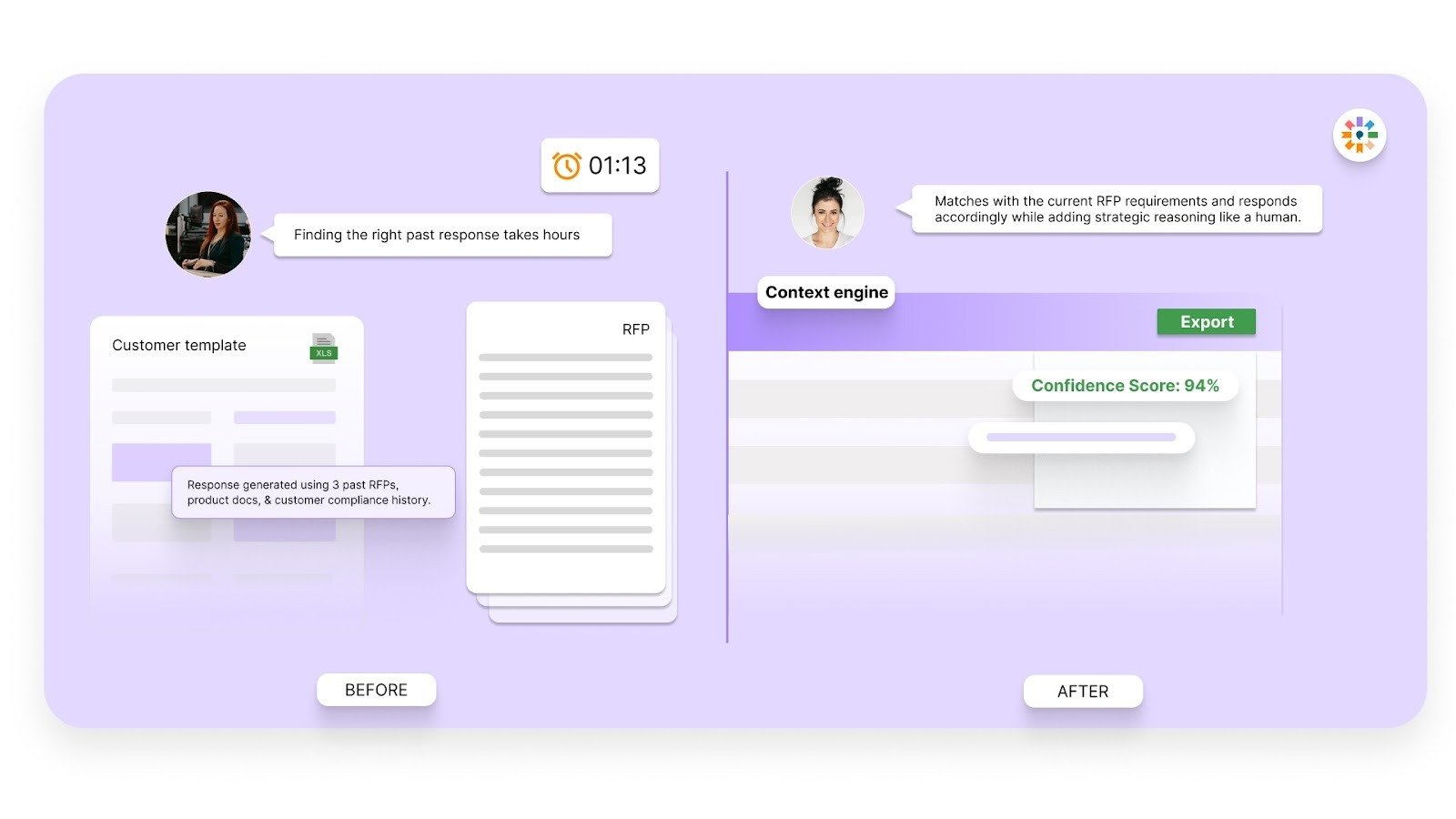
- Highly Contextual DDQ Responses With Full Tone and Style Control: The AI Context Engine uses allocator context, DDQ wording, and deal-specific inputs to tailor responses while preserving core disclosures. Teams can instantly adjust tone, depth, and detail to match investor expectations.
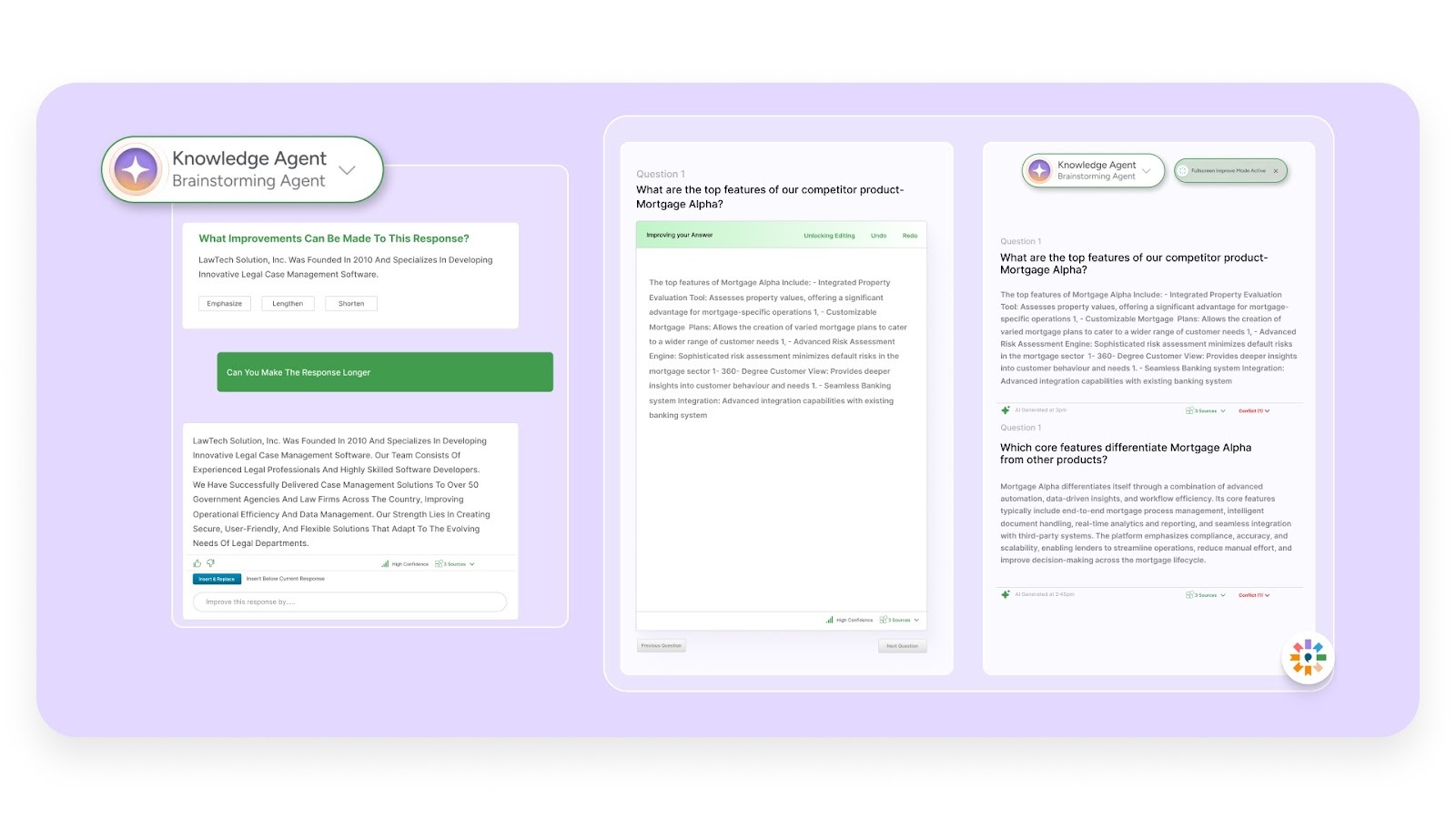
- Win Themes That Strengthen DDQ Positioning: Inventive AI identifies content gaps and surfaces supporting inputs from internal tools like Slack, emails, and call notes. This helps teams reinforce positioning and address allocator priorities more effectively across DDQs.
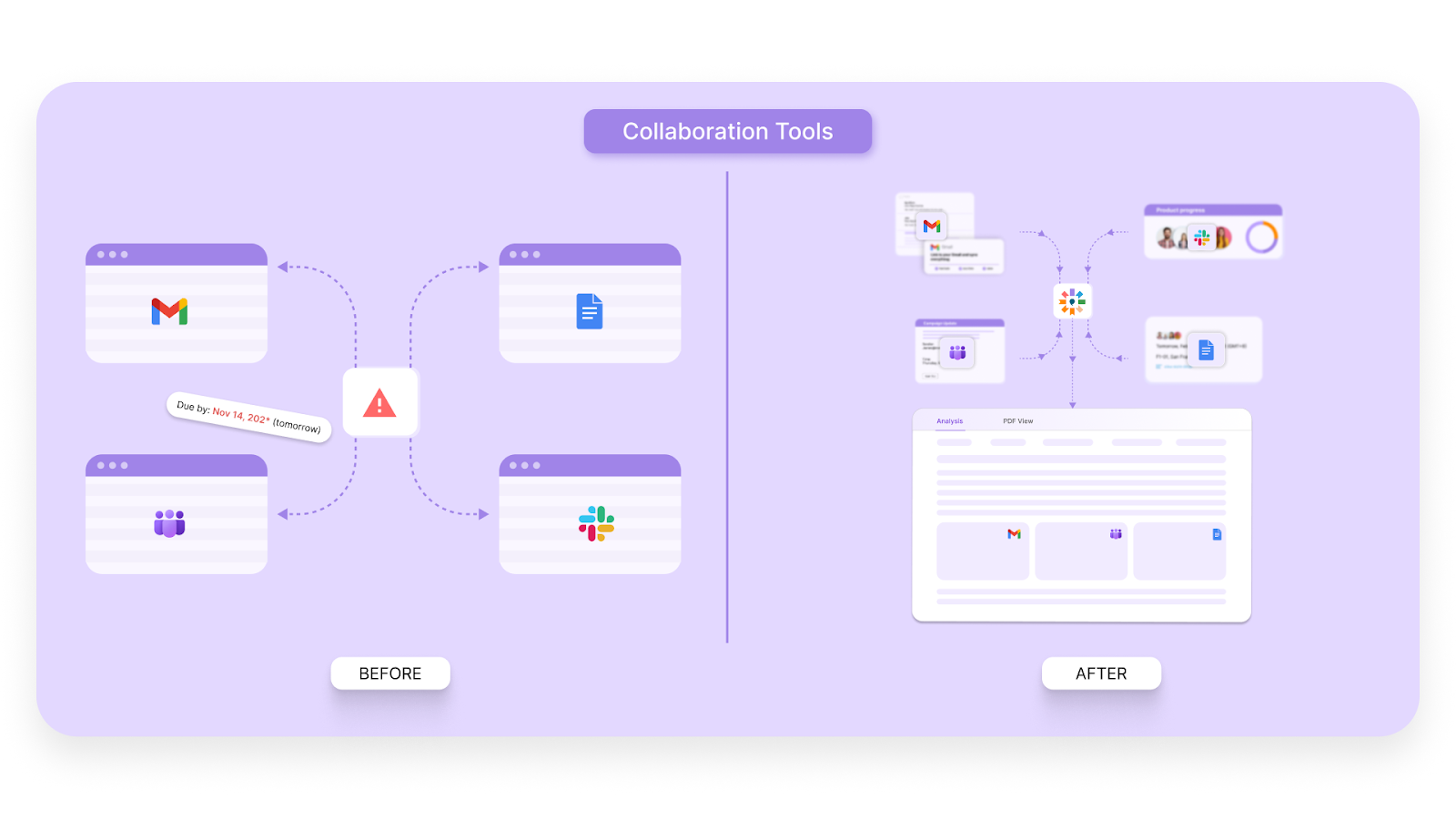
- Collaboration Built for Cross-Functional DDQ Teams: Assign sections, manage reviews, and track progress in one workspace. Role-based access, comments, activity logs, and Slack integration keep investment, risk, compliance, and operations teams aligned without document sprawl.
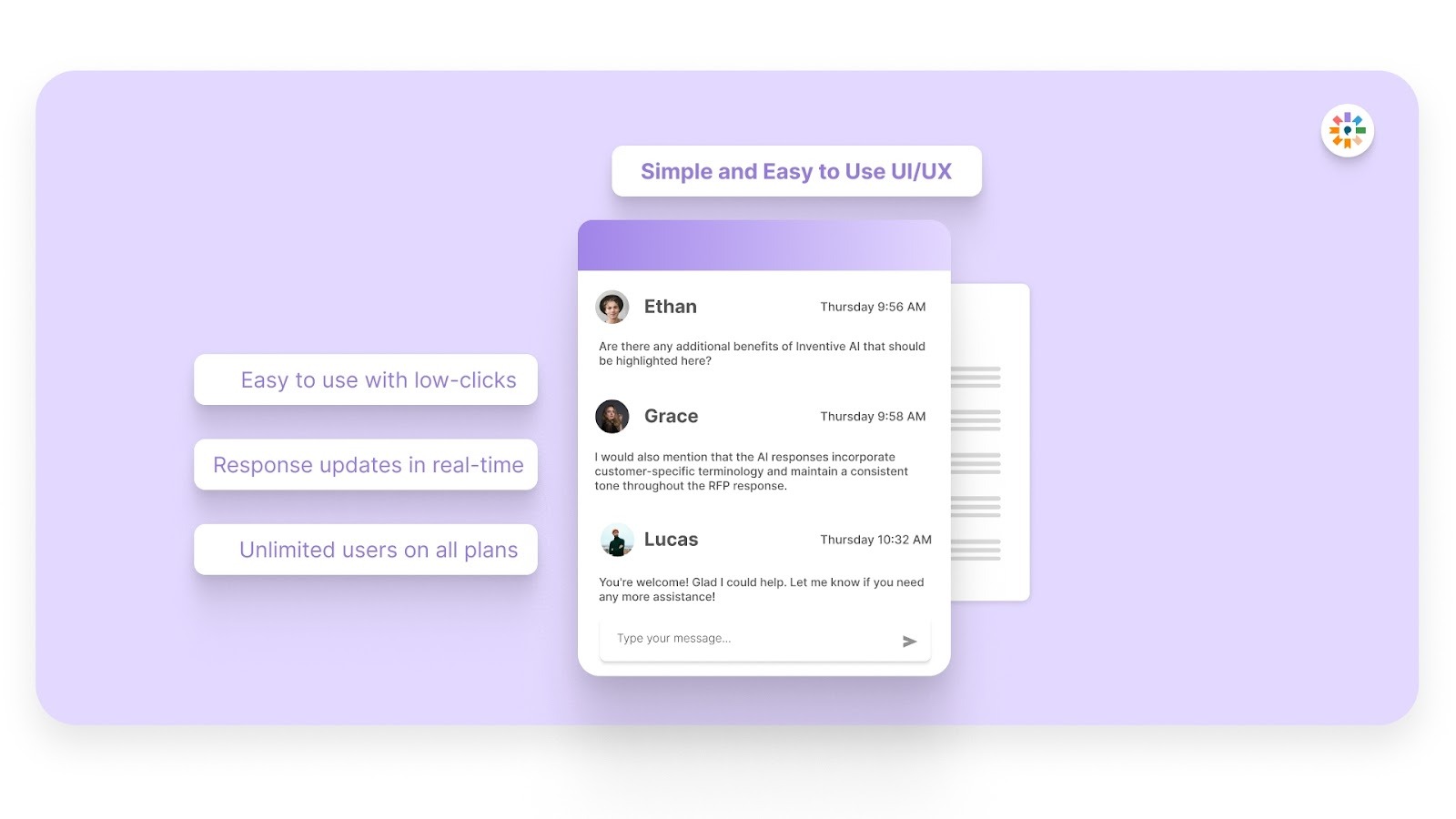
- Simple and Easy-to-Use UI/UX: Inventive AI delivers a straightforward, low-friction interface with proven full adoption across existing customers and has top ease-of-use rankings on G2. Teams can operate the platform effectively from day one without training overhead, workflow disruption, or dependency on power users.
If your hedge fund is managing growing DDQ volume with limited time and high scrutiny, Inventive AI helps you respond faster while keeping answers accurate, consistent, and review-ready.
FAQs About Hedge Fund DDQs
1. How long is a typical hedge fund DDQ?
Length varies by allocator, but most hedge fund DDQs range from a few hundred to over a thousand questions. Bespoke DDQs issued by large institutional investors are usually longer and more detailed than standard templates.
2. How often do hedge fund DDQ responses need to be updated?
DDQ responses should be reviewed continuously and formally refreshed whenever there are material changes such as strategy updates, key personnel changes, system migrations, policy revisions, or regulatory developments. Many funds also update core answers annually, even without major changes.
3. Are hedge fund DDQs reused during re-ups and audits?
Yes. Investors often reference prior DDQ submissions during capital re-ups, on-site reviews, and regulatory examinations. Responses tend to have a long shelf life, which increases the importance of accuracy and consistency over time.
4. Do smaller hedge funds need to follow industry DDQ standards?
Even smaller funds are often evaluated against expectations shaped by industry frameworks such as those published by the Alternative Investment Management Association. While investors may not require formal templates, they typically expect comparable depth and coverage.
5. Why do investors ask similar DDQ questions in different ways?
Investors customize DDQs to fit internal risk models, governance standards, and regulatory obligations. As a result, familiar topics appear repeatedly but with different wording, structure, or emphasis, which creates review and consistency challenges for response teams.
.avif)