Proven RFI Response Template for Insurance: 2026 Guide

Have you ever spent hours answering the same vendor questions only to realize another insurance RFI just arrived? Many proposal teams face tight deadlines, scattered information, and repeated questions when responding to RFIs. A request for information response template for insurance can help teams start faster and keep answers consistent.
Without a clear structure, teams often search through past proposals, spreadsheets, and internal documents to find the right answers, slowing response time and increasing the risk of inconsistent responses.
In this guide, we’ll explore ready-to-use RFI response templates for insurance, explain how teams can customize them for different use cases, and share ways proposal teams can prepare responses faster.
Free Insurance RFI Response Template (Copy & Customize)
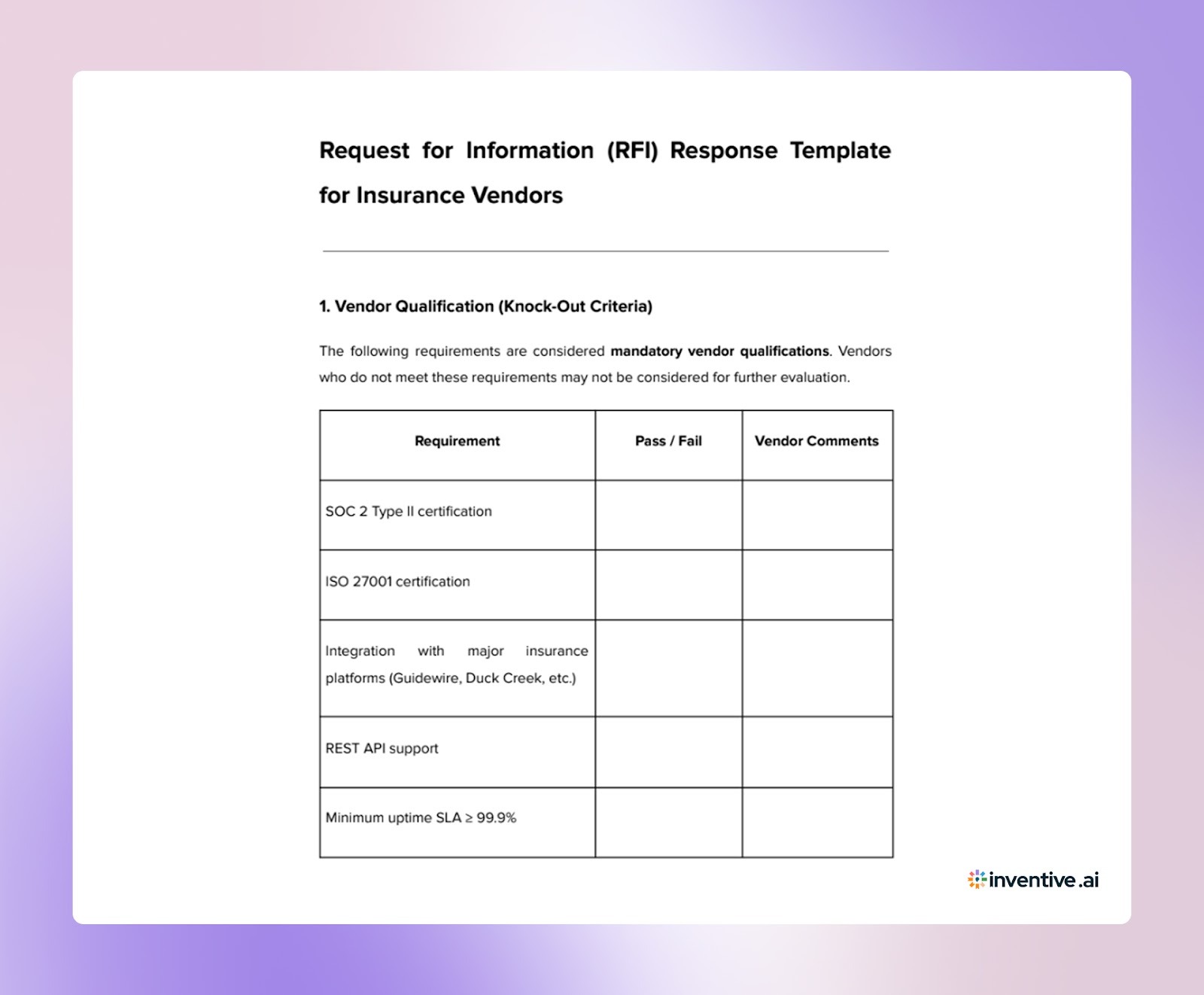

This Request for Information (RFI) template is designed to help insurance organizations evaluate technology vendors in a structured and comparable way. Vendors are requested to provide clear, accurate responses to each section.
1. Vendor Qualification (Knock-Out Criteria)
The following requirements are considered mandatory vendor qualifications. Vendors who do not meet these requirements may not be considered for further evaluation.
2. Vendor Information
3. Vendor Financial Stability and Risk
4. Insurance Industry Experience
5. Solution Overview
6. Functional Capabilities (Insurance Workflows)
7. Integration and Ecosystem Capabilities
8. Technical Architecture and Performance
9. Hosting and Infrastructure
10. Data and AI Capabilities
11. AI Transparency and Governance
12. Security and Data Protection
13. Data Governance
14. Data Privacy Compliance
15. Reporting and Analytics
16. Implementation and Deployment
17. User Experience and Accessibility
18. Catastrophe Event Scalability
19. Service Levels and Support
20. Pricing and Commercial Terms
21. Data Portability and Exit Strategy
22. Product Roadmap
23. Client References
24. Evaluation Criteria
Responses may be evaluated based on the following factors:
- Functional fit for insurance workflows
- Integration capabilities
- Security and compliance posture
- Implementation complexity
- Total cost of ownership
- Vendor financial stability
Once you have a structured template in place, the next step is making sure your team can use it consistently during RFI responses.
Quick Tips for Using This Proven RFI Response Template with Your Team
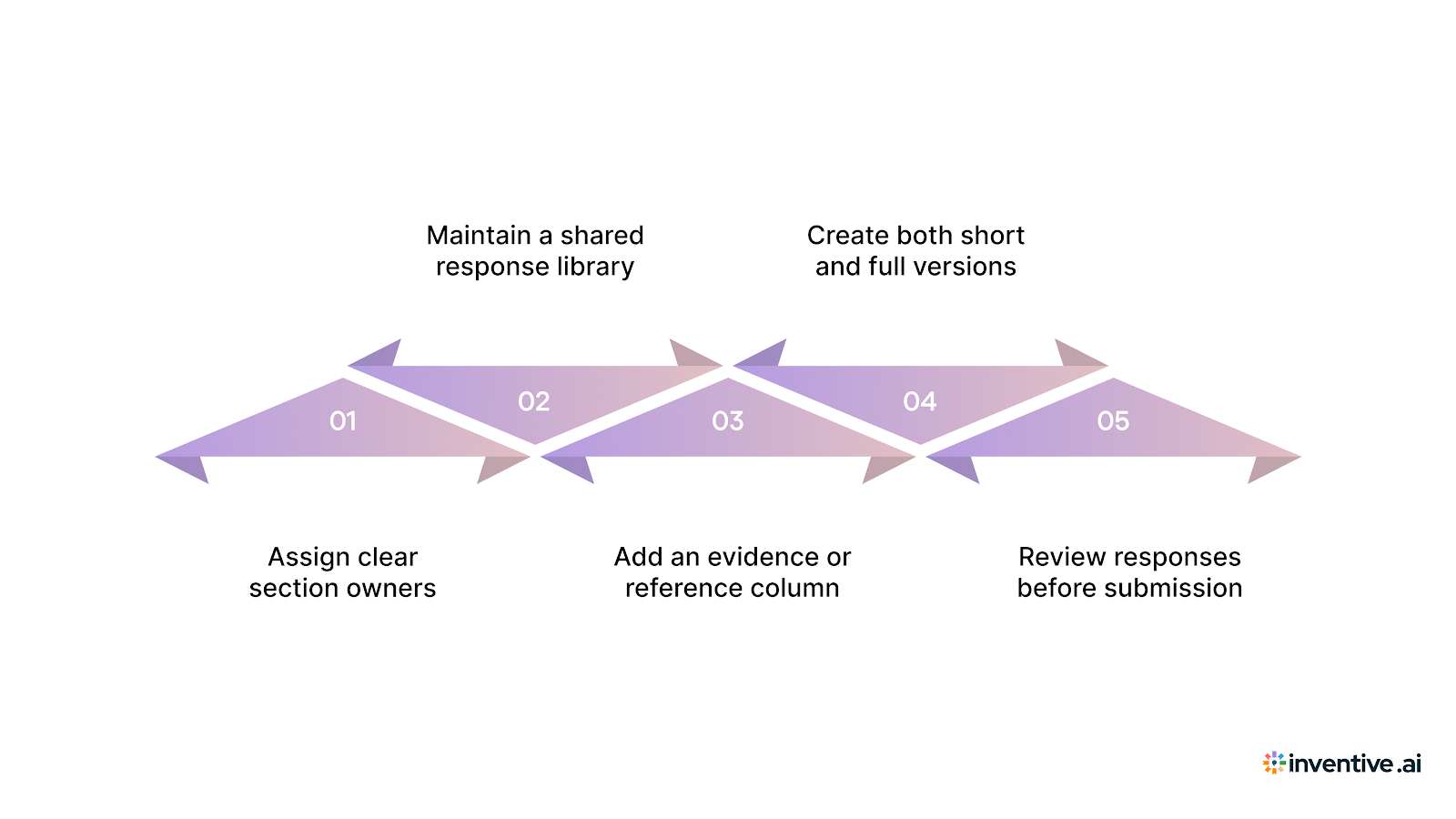
Preparing RFI responses often involves input from several teams, including security, product, finance, and sales. Using this template effectively requires coordination so that responses remain consistent across sections and future RFIs.
To keep responses organized and easier for your team to manage, consider the following practices:
- Assign clear section owners: Decide in advance who is responsible for each section of the template. For example, security leaders can maintain the security responses, while finance teams handle pricing questions. This prevents last-minute scrambling when an RFI arrives.
- Maintain a shared response library: Store completed answers in a shared document or knowledge base so teams can reuse approved responses across RFIs. This keeps answers consistent. It also helps when multiple team members contribute.
- Add an evidence or reference column: Consider adding a column where teams can attach proof, such as links to product documentation, certifications, or API guides. This reduces follow-up questions from buyers.
- Create both short and full versions: Some RFIs only require basic product information, while others ask for detailed responses. Preparing a shorter version of the template for early evaluations can save time.
- Review responses before submission: Schedule a final review with key contributors to confirm that all sections match your current product capabilities, policies, and messaging.
While the template provides a strong starting point, most insurance RFIs have slightly different requirements depending on the system or service being evaluated.
How Inventive AI Helps Teams Respond to Insurance RFIs More Efficiently?
Insurance RFIs can vary widely depending on the buyer’s focus, such as claims systems, underwriting tools, or data platforms. While the core template remains similar, proposal teams should adjust certain sections to align with the insurer’s priorities and the type of solution being evaluated.
Below are several ways Inventive AI supports teams during the RFI response process:
Context engine for accurate responses:
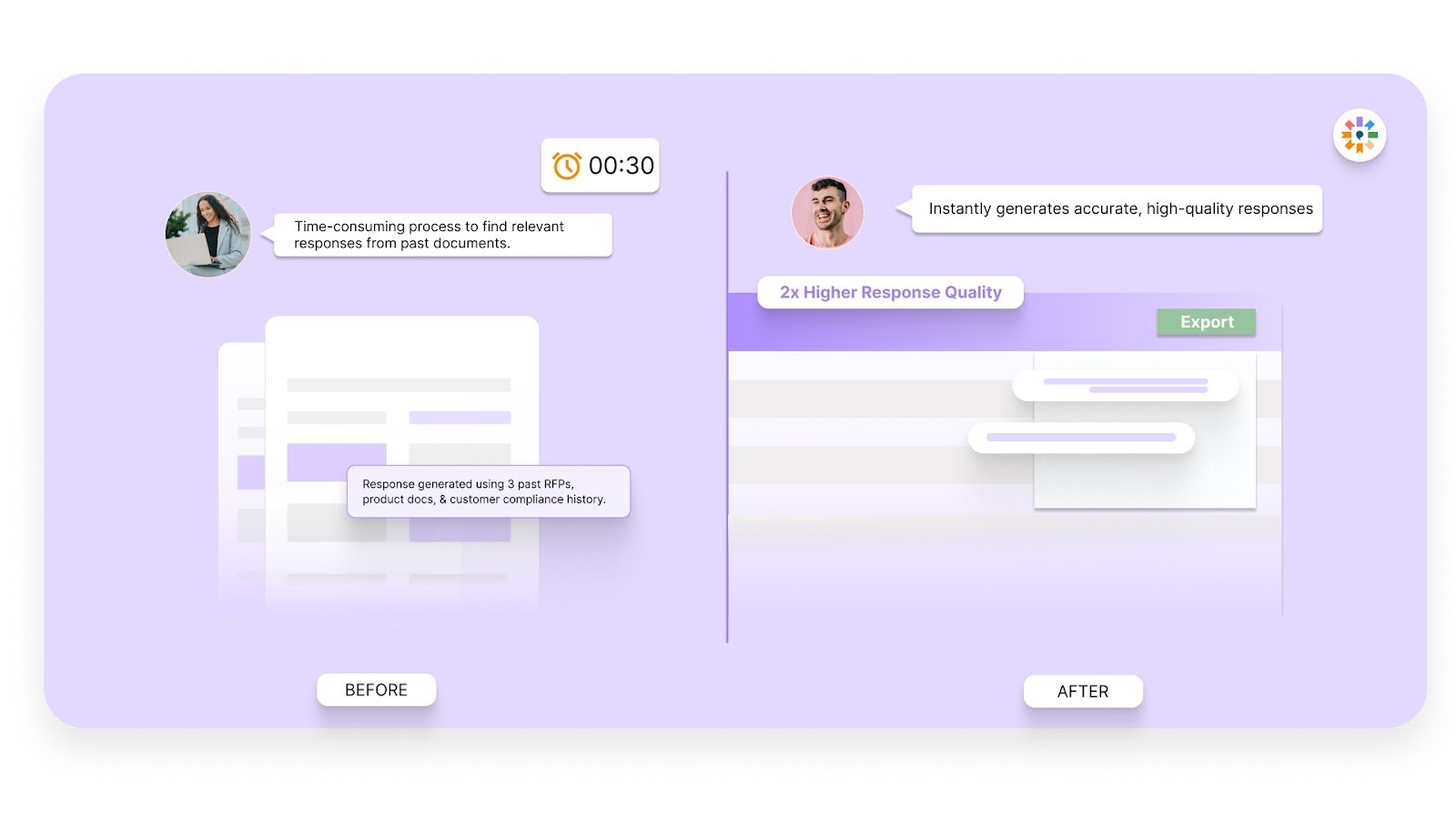
Inventive AI uses a multi-layer reasoning system that analyzes the full context of an RFI instead of relying on shallow knowledge lookup. This allows the system to interpret the intent behind each question and generate responses grounded in your company’s knowledge sources, producing answers that read as if they were written by an internal subject matter expert.
Conflict detection across answers:
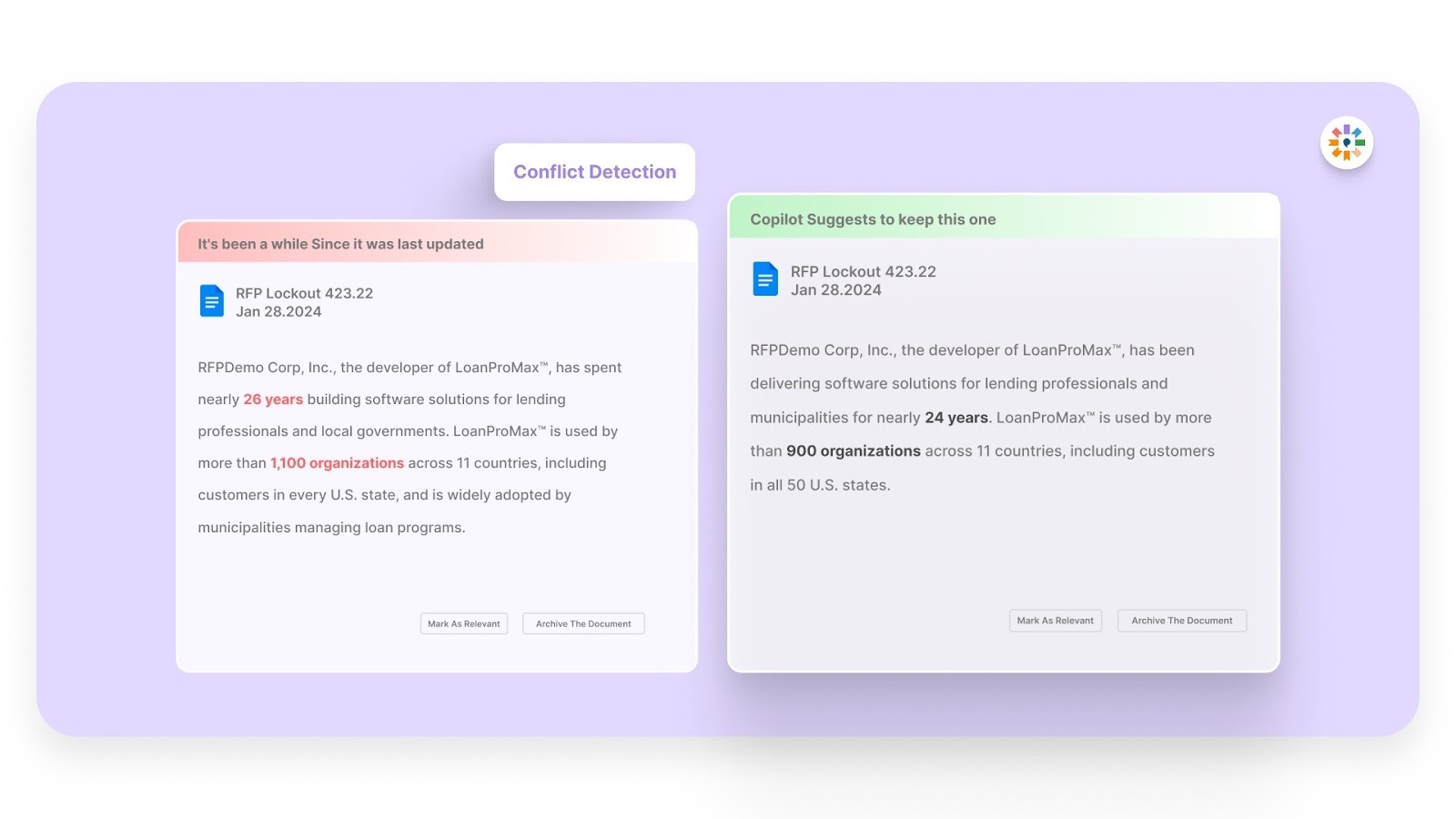
When teams reuse content from past RFIs, inconsistencies can appear across different sections of the response. Inventive AI reviews the entire response set and flags statements that conflict with each other, helping teams correct issues before submission and preventing contradictory information from reaching the buyer.
Detection of outdated or non-compliant content:
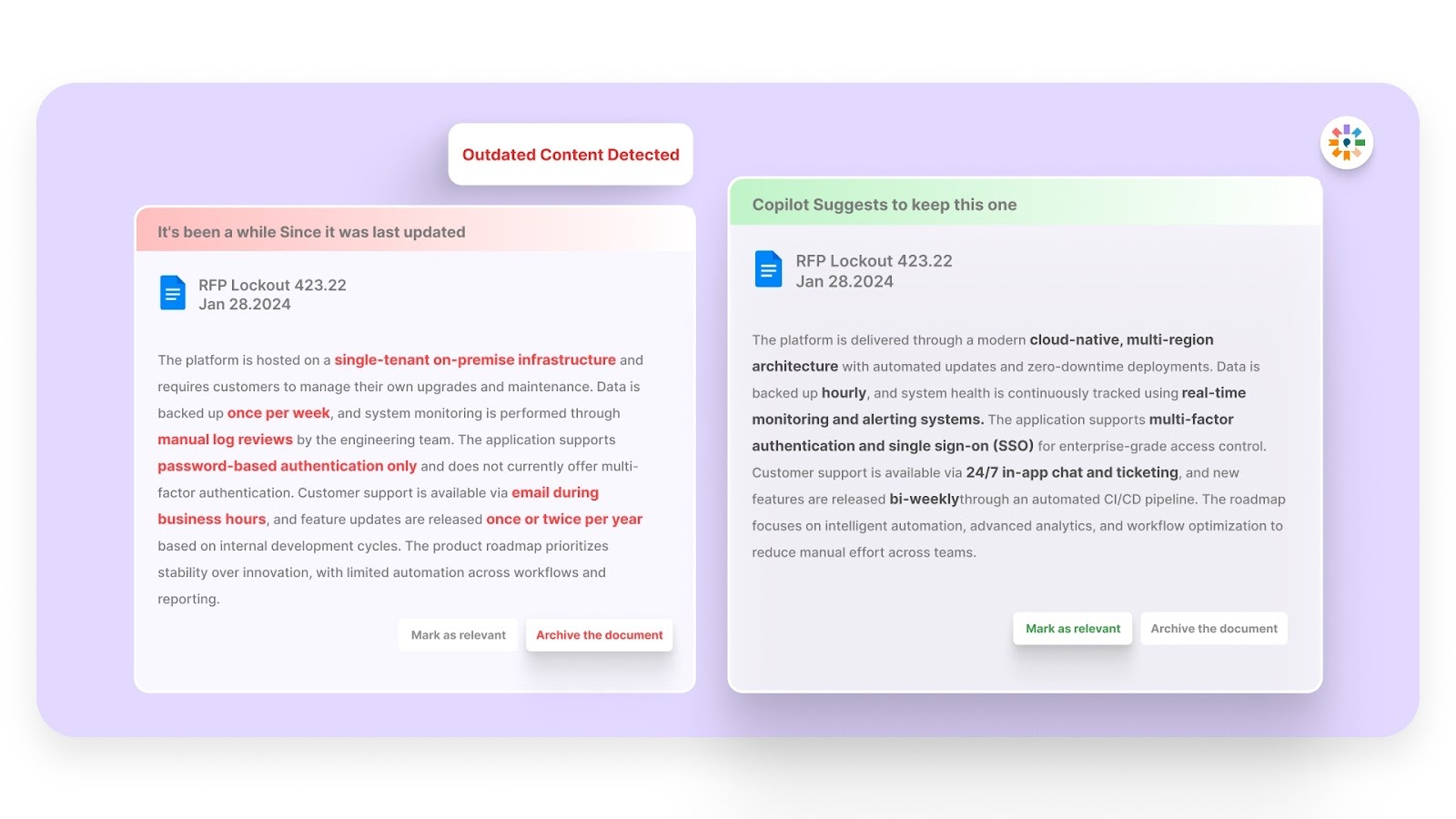
Many organizations store large collections of past responses that may contain outdated product details or policy information. Inventive AI automatically scans knowledge sources and highlights content that may no longer be accurate, allowing proposal teams to review and update responses before including them in a new RFI.
2x Higher quality responses through multi-agent AI:
Inventive’s AI agents analyze the intent and structure of each question before drafting responses. This approach helps generate answers that maintain clarity, completeness, and consistency across sections, helping proposal teams maintain a higher standard of response quality.
Simple interface designed for team adoption:
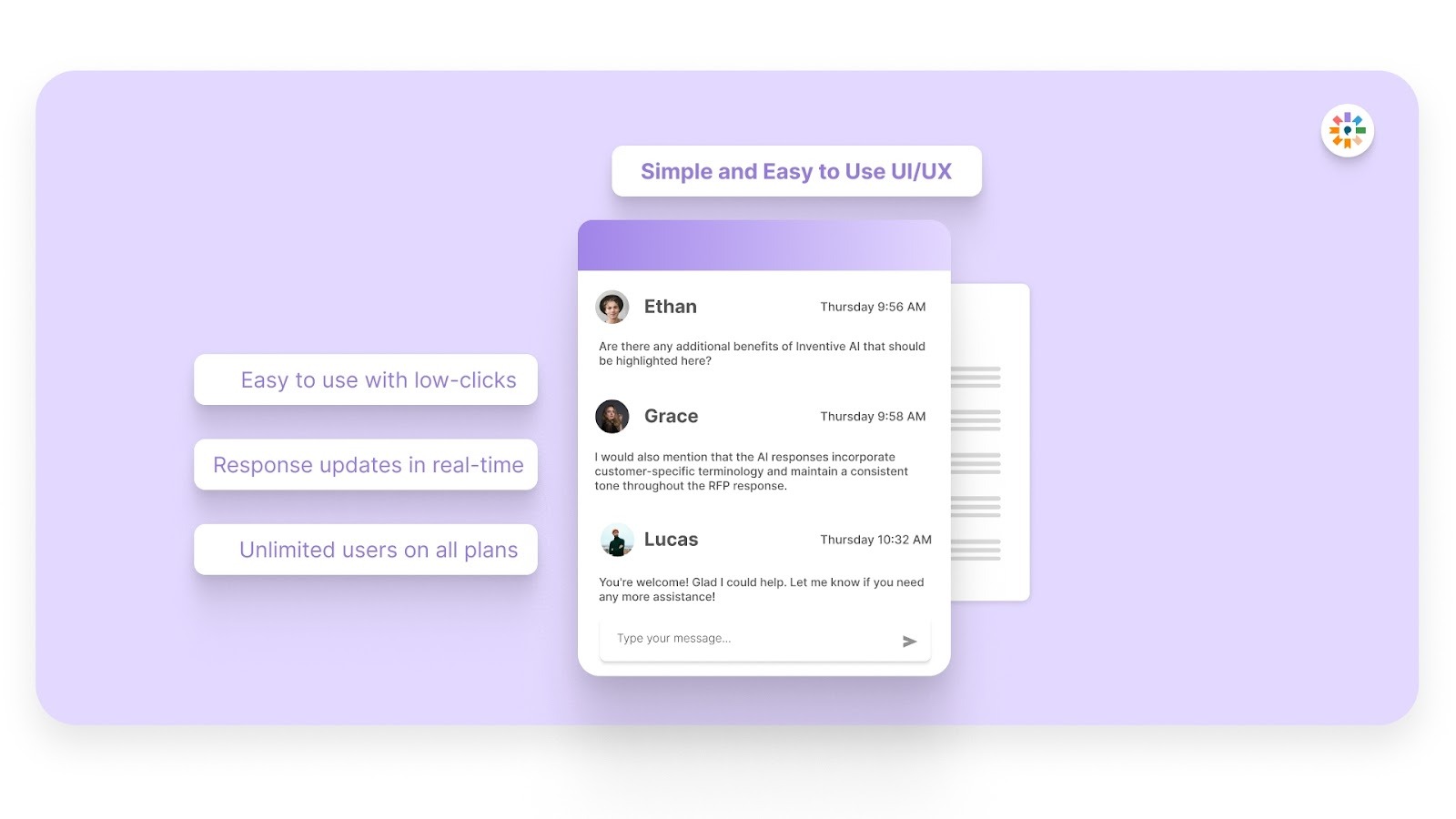
The platform is designed so proposal teams, sales teams, and subject matter experts can work within the same environment without complex onboarding. With strong adoption across existing customers and top usability rankings on G2, teams can begin using the system quickly while keeping collaboration organized.
If your team frequently handles RFIs, RFPs, or security questionnaires, exploring how Inventive AI works can help you prepare responses with greater consistency and less manual effort.
FAQs
1. How long does it typically take to respond to an insurance RFI?
The timeline depends on the number of questions and the level of detail requested. Some RFIs can be completed in a few days, while others require several weeks if they involve security reviews, architecture details, or compliance documentation.
2. Who should be involved in preparing an RFI response?
RFI responses often require collaboration across several teams. Proposal managers usually coordinate the response, while product, security, engineering, legal, and finance teams contribute answers to specific sections of the questionnaire.
3. How detailed should an RFI response be?
Responses should be clear and concise while still addressing the buyer’s questions fully. Buyers often use RFIs to gather high-level information before sending a more detailed RFP, so responses should provide enough detail to demonstrate capabilities without becoming overly long.
4. Can vendors reuse answers from previous RFIs?
Yes, many vendors maintain a library of approved answers from past RFIs and proposals. Reusing verified responses helps teams maintain consistency across submissions and reduces the time required to complete new questionnaires.
5. What happens after an insurance company reviews RFI responses?
After reviewing responses, the insurance company typically creates a shortlist of vendors that meet its requirements. Those vendors may then receive a Request for Proposal (RFP) or be invited to product demonstrations and technical discussions.

.avif)

%20That%20Gets%20Shortlisted.png)