VC/Private Equity DDQ Guide: What to Expect and How to Prepare
This guide explains how VC and private equity DDQs are structured, when they appear across the deal lifecycle, what investors evaluate inside each DDQ section, how teams manage repeated DDQs and consistency at scale, and how AI is used to automate and streamline DDQ responses as diligence volume increases.

VC and private equity DDQs have become central to how investment decisions are made. As deal pipelines grow and scrutiny increases, investors use DDQs to test risk, validate claims, and compare opportunities quickly.
The challenge is scale and depth. Investors run multiple DDQs in parallel, while companies are asked to provide detailed answers across finance, product, security, operations, and governance. Inconsistent responses, reused narratives, or unclear metrics surface fast and weaken credibility, even when the business is strong.
The solution requires alignment. Buyers need DDQs that extract signal, not noise. Companies need a structured way to respond with accuracy and consistency without rewriting answers for every investor or pulling senior leaders into each round.
This guide explains how VC and private equity DDQs are structured, when they appear across the deal lifecycle, what investors evaluate inside each DDQ section, how teams manage repeated DDQs and consistency at scale, and how AI is used to automate and streamline DDQ responses as diligence volume increases.
Key Takeaways
- VC and private equity DDQs appear at multiple points in a deal process, including screening, final approval, growth equity, add-on acquisitions, and exit preparation, with different depth and expectations at each stage.
- Most DDQ questions repeat across investors and rounds, but are phrased differently and reviewed side by side with earlier materials, which makes small inconsistencies easy to spot during diligence.
- Follow-up questions during DDQ review are commonly triggered by internal mismatches in metrics, timelines, or risk descriptions rather than by missing information.
- DDQ answers are evaluated alongside pitch decks, data rooms, financial models, and prior diligence, not as standalone documents, which increases scrutiny on alignment across all materials.
- AI changes DDQ response workflows by reducing manual drafting and reconciliation work, allowing teams to keep answers aligned across parallel investors and successive rounds without increasing review overhead.
- Inventive AI centralizes past DDQs and internal data, auto-matches repeat questions, and keeps metrics consistent across investors, reducing rewrites and follow-ups.
What A VC/Private Equity DDQ Actually Is?
A VC or private equity DDQ is a document investors use to collect structured, written answers about a company before committing capital. It covers areas that are hard to validate through pitch decks or calls, such as execution risk, internal controls, product maturity, unit economics, and regulatory exposure.
The goal is to make companies comparable and to surface issues early, while there is still time to pause or adjust the deal.
How VC And PE DDQs Differ From Other DDQs?
VC and private equity DDQs are often confused with vendor or security questionnaires, but the intent and evaluation criteria are different.
VC/PE DDQs Vs Vendor DDQs
Vendor DDQs are designed to assess short-term operational and compliance risk tied to a contract. VC and PE DDQs focus on long-term business risk and return potential.
Investors care less about whether a policy exists and more about whether the company can scale, defend its position, and manage downside risk over multiple years.
Answers that focus heavily on compliance checklists without explaining business impact often fall flat.
VC/PE DDQs Vs Security Questionnaires
Security questionnaires evaluate controls, certifications, and safeguards. VC and PE DDQs include security, but only as one input into a broader assessment.
Investors treat security as a baseline requirement. Poor security can stop a deal, but strong security alone rarely strengthens it.
What matters more is how security practices support enterprise sales, regulatory readiness, and operational resilience as the company grows.
Related: DDQ vs RFP: What’s the Difference and When to Use Each
When VC And Private Equity DDQs Are Issued? 5 Main Stages to Look For
VC and private equity DDQs are issued at different moments in the investment lifecycle, depending on how much confidence the investor already has and what decision they are trying to make.
Below are the most common situations where VC and PE firms issue DDQs, along with the intent behind each one.

1. DDQs During Initial Investment Screening
At this stage, investors are still deciding whether an opportunity is worth deeper attention. DDQs are used to validate core claims made in early conversations and materials. Questions focus on the team, product direction, early traction, and market logic to identify deal-breaking risks before more time or resources are committed.
2. DDQs Before Final Investment Approval
Once interest is established and a deal is progressing, DDQs are issued to close remaining gaps. Investors already believe the opportunity is viable but need written clarity on execution risk, unit economics, customer concentration, legal exposure, and compliance readiness. These responses often feed directly into internal investment committee discussions.
3. DDQs In Growth Equity And Private Equity Buyouts
In growth equity and buyout scenarios, DDQs are issued later and are significantly more detailed. The purpose here is to assess predictability and control. Investors evaluate operational maturity, scalability, margin structure, and risks that could impact post-investment returns rather than vision or early-market potential.
4. DDQs For Add-On Acquisitions
Private equity firms also issue DDQs when evaluating add-on acquisitions for an existing portfolio company. In this context, DDQs help assess integration risk, overlap with current operations, and whether the acquisition strengthens the broader platform without introducing hidden liabilities.
5. DDQs Used For Pre-Exit Or Sell-Side Preparation
Some companies prepare DDQ-style responses in advance of a fundraise or exit. This usually happens when founders expect multiple VC or PE firms to ask similar diligence questions. Preparing structured answers early reduces response time, limits inconsistencies, and avoids last-minute rewrites once live diligence begins.
DDQs show up more than once in VC and private equity deals, and each time they serve a different purpose. If teams answer every DDQ the same way, they either over-explain early or under-explain late, both of which slow the deal and trigger follow-up scrutiny.
6 Core VC/Private Equity DDQ Sections And What Buyers Look For?

VC and private equity DDQs are organized around a small number of core sections. Each section exists to help investors assess a specific risk area before committing capital.
While the depth varies by stage and deal size, the categories themselves are consistent across most VC and PE DDQs.
The sections below reflect how those judgments are actually formed.
1. Team And Leadership Questions
In VC and private equity DDQs, investors use team questions to verify whether the people running the company have actually executed in comparable situations before. These questions are reviewed alongside references, past exits, and operating history.
Typical questions include:
- List founders and senior leaders, including current responsibilities and decision authority.
- Describe prior companies built, scaled, or exited by the founding team.
- How long have the founders worked together, and in what capacity?
- What critical leadership roles are missing today, and when are they expected to be filled?
- Describe a significant execution failure or setback and how it was handled internally.
2. Product And Technology Questions
Product and technology questions are used to separate current reality from forward-looking claims. Investors rely on these answers to understand what is live, what is stable, and what still carries execution risk.
Typical questions include:
- Describe the current product architecture and core system components.
- Which parts of the product are fully built, and which are still in development?
- What scalability limits exist today, if any?
- Describe recent outages, incidents, or performance issues over the last 12 months.
- What third-party platforms or vendors are critical to product operation?
3. Market, PMF, And Competitive Positioning Questions
These questions are used to test whether demand is customer-driven or effort-driven. Investors compare answers across multiple deals to assess realism and consistency. Overstated market size or vague positioning usually leads to follow-up requests.
Typical questions include:
- Define your target customer segments and primary buyer persona.
- What evidence demonstrates product-market fit today?
- How does customer demand show up without discounts or incentives?
- Who do customers compare you against during the buying process?
- Why do customers choose you over alternatives after initial trials?
4. Business Model And Unit Economics Questions
Business model questions are reviewed closely during IC discussions. Investors test whether growth improves margins or increases exposure. Numbers provided here are often reconciled with financial models and follow-up data requests.
Typical questions include:
- Describe your revenue model and pricing structure.
- Provide LTV, CAC, and payback period calculations with assumptions.
- How do unit economics vary by customer segment?
- What pricing changes have been made in the past 12–24 months?
- What impact would price increases have on retention?
5. Risk And Exposure Questions
Risk questions are not optional filler. Investors use them to identify deal breakers and to assess how transparent the team is under pressure. Defensive or incomplete answers here slow deals.
Typical questions include:
- What are the top operational risks facing the business today?
- Are there any regulatory requirements that could limit growth or expansion?
- What percentage of revenue comes from your top five customers?
- What happens if a key customer, partner, or supplier is lost?
- Describe any ongoing or potential legal disputes.
Also read: Due Diligence Questionnaire (DDQ): A Complete Guide with Examples.
How To Respond To VC/Private Equity DDQs?
VC and private equity DDQs usually arrive after initial interest, when timelines are compressed, and multiple teams are already involved. Teams often treat each DDQ as a fresh task, pulling answers from different people, rewording explanations, and updating numbers in isolation.
This leads to small but visible differences across responses, which surface quickly during investor review.
What’s often missing is a clear process for preparing, reusing, and maintaining answers across DDQs. Without that, review cycles slow down, and follow-up questions increase. The sections below break down how teams that handle DDQs well approach responses in practice.
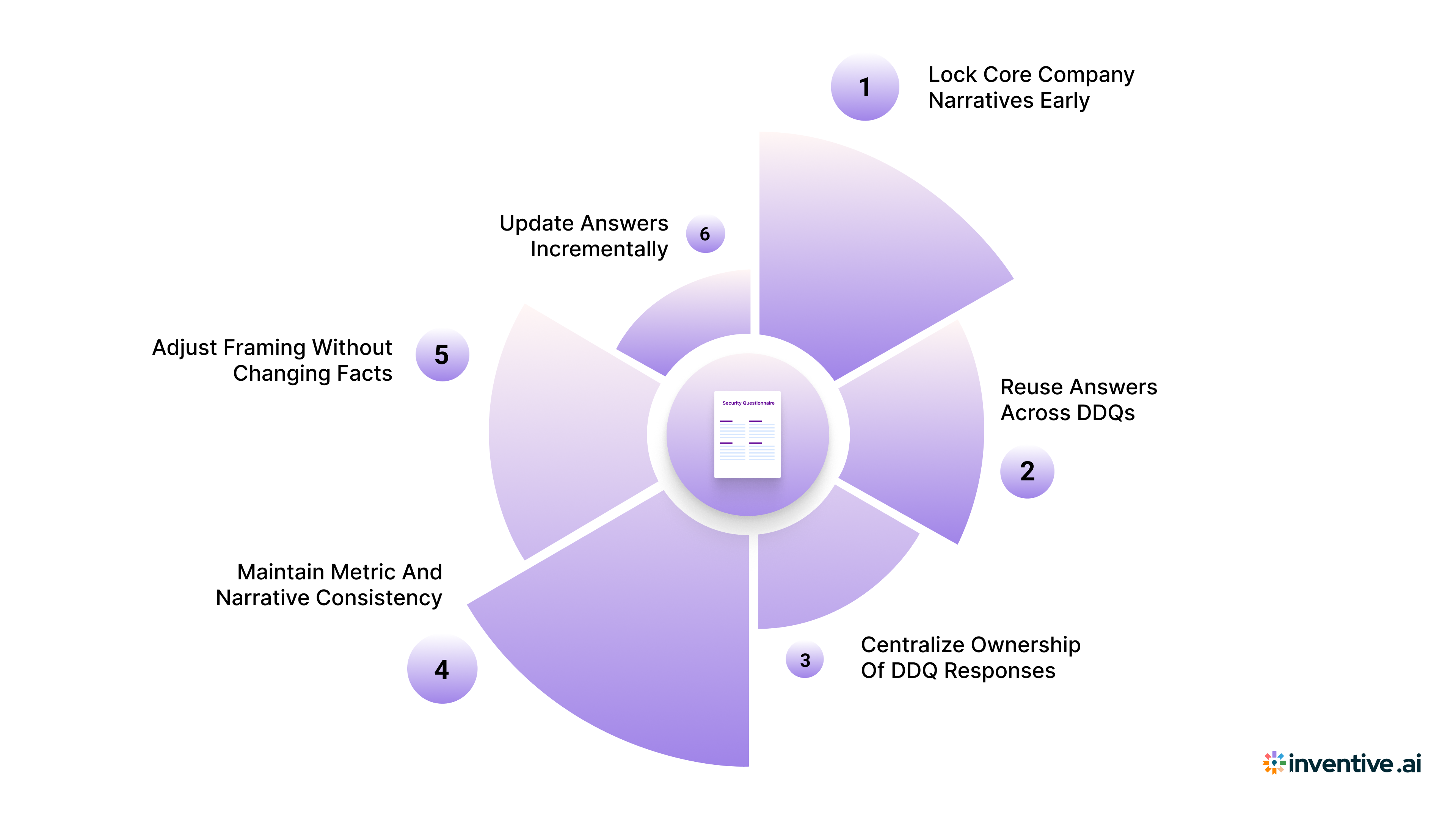
1. Lock Core Company Narratives Early
Before responding to any DDQ, teams need a fixed version of core explanations such as company overview, product scope, target market, and revenue model. These answers should not change from deal to deal unless the business itself has changed. When these narratives are written fresh for every DDQ, wording shifts create avoidable inconsistencies.
In strong DDQ responses, these core explanations are already defined and reused as-is, rather than recreated under time pressure.
2. Reuse Answers Across DDQs
Most VC and PE DDQs ask the same questions using slightly different wording. Teams that rewrite answers each time introduce drift in numbers, claims, and emphasis. This becomes visible when investors compare responses across parallel deals or later rounds.
High-performing teams reuse approved answers and only adjust context where the question genuinely requires it, such as stage, geography, or deal size.
3. Centralize Ownership Of DDQ Responses
DDQ questions typically pull input from founders, finance, product, security, and legal. Without clear ownership, the same topic gets answered differently depending on who responds.
Effective DDQ processes assign ownership by domain. Financial metrics come from one source. Product descriptions come from another. Updates are made centrally instead of being copied independently into each new questionnaire.
4. Maintain Metric And Narrative Consistency
Investors routinely cross-check DDQ answers against pitch decks, data rooms, and follow-up discussions. When metrics or descriptions do not line up, they assume either sloppiness or selective disclosure.
Strong responses use the same definitions, timeframes, and assumptions everywhere. If a metric changes, it is updated once and reflected consistently across all answers.
5. Adjust Framing Without Changing Facts
Different investors emphasize different risks. One may focus on scalability, another on regulation, another on concentration. This does not require different answers, only different framing.
Teams that respond well keep the underlying facts unchanged and adjust how they are presented, instead of rewriting the substance to match perceived investor preferences.
6. Update Answers Incrementally
DDQs accumulate over time. New questions appear. Old answers need updates. Treating each DDQ as a clean slate forces teams to redo work that already exists.
Teams that scale DDQ responses maintain a living set of answers that are updated as the business evolves. Each new DDQ becomes an extraction and adaptation task, not a rewrite.
How To Automate VC/Private Equity DDQ Responses With AI? 5 Ways AI Help
Manually responding to VC and private equity DDQs means rebuilding the same answers for every investor. Teams search past DDQs, decks, and documents, then copy and rewrite content under tight timelines.
Similar questions get answered multiple times by different people, updates land in one place but not another, and reviews turn into cleanup exercises instead of validation.
With AI, teams reuse existing DDQ answers, match them to new questions, and fill responses automatically before review starts.
Edits focus on gaps or updates rather than rewriting, conflicts are flagged early, and the same approved answers carry forward across DDQs and rounds.
Below is how AI fits into a typical VC or private equity DDQ response.
1. Load Past DDQs And Reference Material Once
In a manual setup, every DDQ starts with searching old folders, email threads, and shared drives to find previous answers. This happens again for every new investor.
With AI, past DDQ answers, pitch content, policies, and metrics are uploaded once. When a new DDQ comes in, the system already has access to earlier answers instead of requiring a new search.
2. Match New Questions To Existing Answers
Manually, teams read each question and decide whether something similar was answered before. This depends on memory and the availability of the right person.
AI compares the new questions against previously answered ones and links them automatically, even when the wording is different. For many questions, an existing answer is already available before anyone starts writing.
3. Fill Answers Into The DDQ Automatically
In manual workflows, DDQs open as blank documents. Teams copy and paste content section by section.
With AI, existing answers are placed directly into the DDQ questions they match. The document opens with responses already present for repeat questions. Team members edit or approve instead of drafting.
4. Keep One Answer For Repeated Topics
Without automation, the same topic gets answered multiple times in different files. Over time, teams end up with several versions of “company overview,” “pricing,” or “market description.”
AI keeps one stored answer per topic. Every time that topic appears in a DDQ, the same text is used. If something changes, the answer is updated once and reused going forward.
5. Adjust Answer Length When Required
VC DDQs often ask for short responses. PE DDQs usually ask for more detail. Manually, this leads to writing separate answers.
AI can shorten or expand an existing answer based on the question length requirement. The numbers, dates, and descriptions remain the same. Only the length changes.
6. Flag Conflicts Inside The Same DDQ
In manual reviews, mismatches between sections are easy to miss because different people work on different parts.
AI scans the completed DDQ and flags conflicts such as different revenue numbers, customer counts, or timelines appearing in different answers. Teams fix these before sending the DDQ out.
Close DDQs Faster Without Adding Review Cycles with Inventive AI
VC and private equity DDQs slow teams down when answers are rewritten, reviewed multiple times, and reconciled across documents. Manual workflows create version drift, pull senior stakeholders into repetitive reviews, and extend diligence timelines when investors ask follow-ups caused by internal inconsistencies.
Inventive AI is built to remove that friction by turning DDQ responses into a repeatable, review-ready workflow.
How Inventive AI Helps Teams Respond to DDQs at Scale?
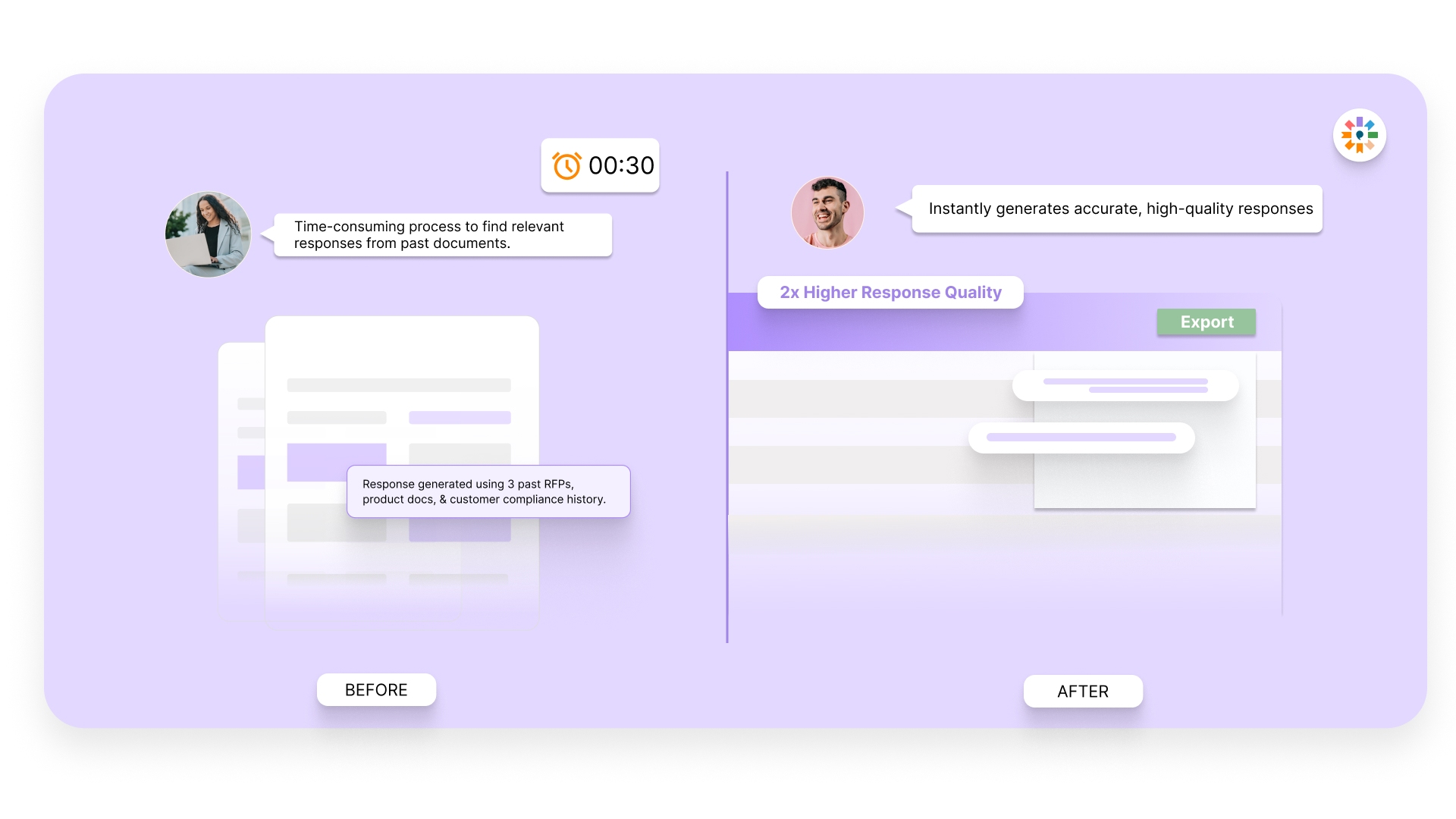
- 2× More Accurate Responses With Multi-Agent AI: Inventive AI uses coordinated AI agents to interpret the true intent behind each DDQ question and generate responses with higher accuracy, clarity, and completeness. Teams deliver consistently stronger, review-ready answers without gaps, ambiguity, or rework.
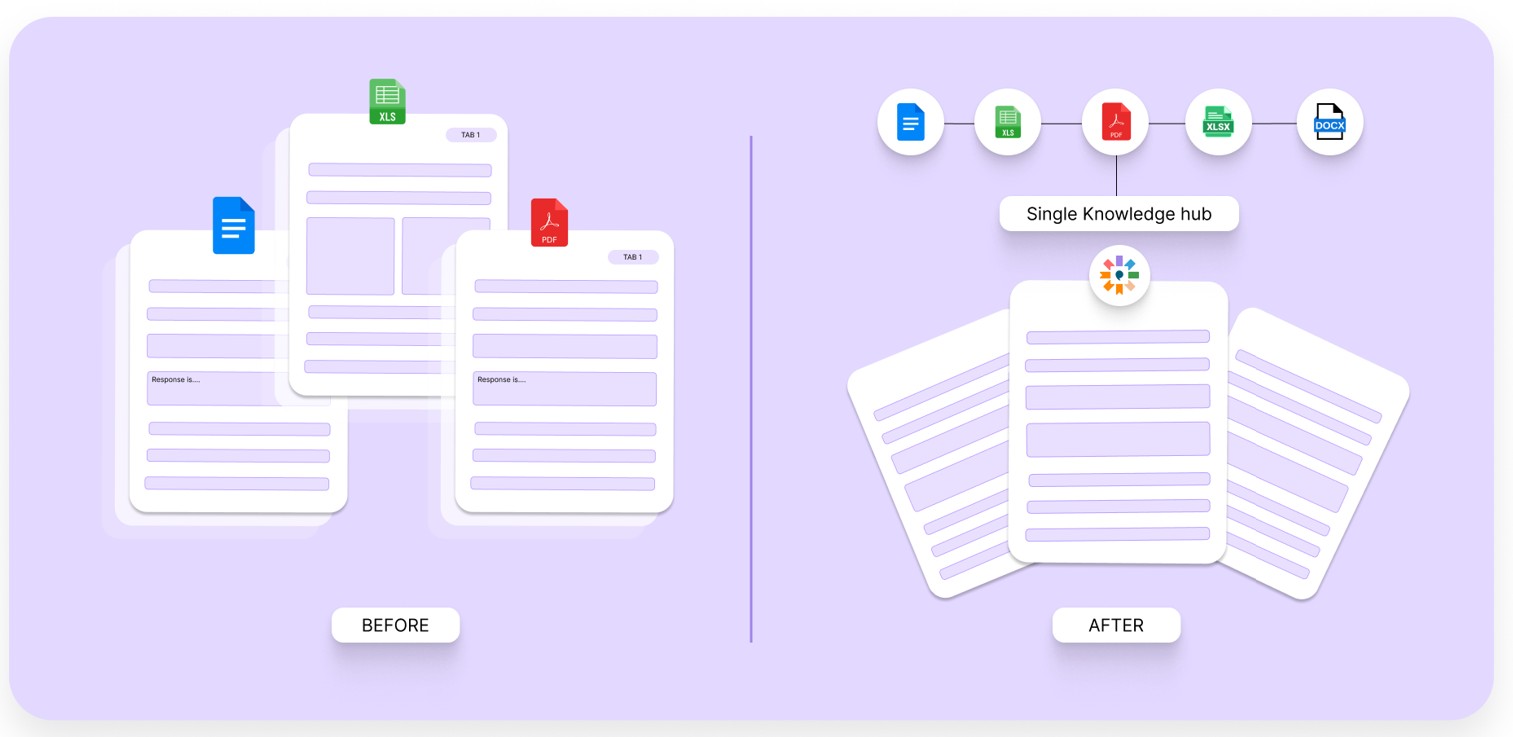
- Single Knowledge Hub for All DDQ Source Material: Centralize past DDQs, RFPs, policies, decks, and Q&A content from Google Drive, SharePoint, Notion, Confluence, and more. Every DDQ pulls from the same source instead of scattered files.
- AI-Powered Responses With Citations and Confidence Scores: Every answer is tied back to internal sources, cited clearly, and scored for confidence. This removes guesswork during review and reduces back-and-forth caused by unverifiable responses.

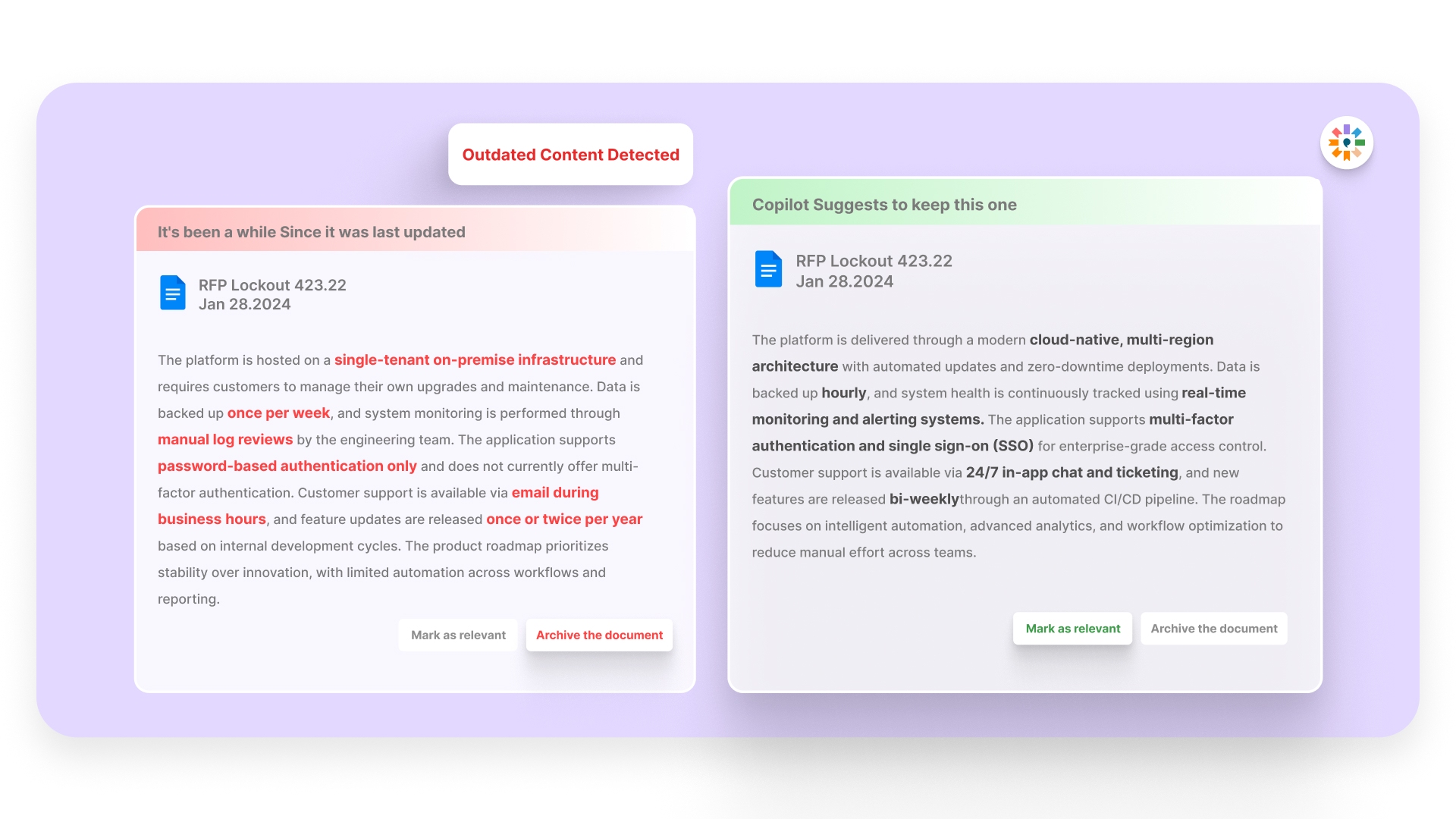
- Fight Conflicting and Stale Answers Automatically: Inventive’s AI Content Manager flags conflicting or outdated answers across DDQs before submission, helping teams catch issues internally instead of during investor review.
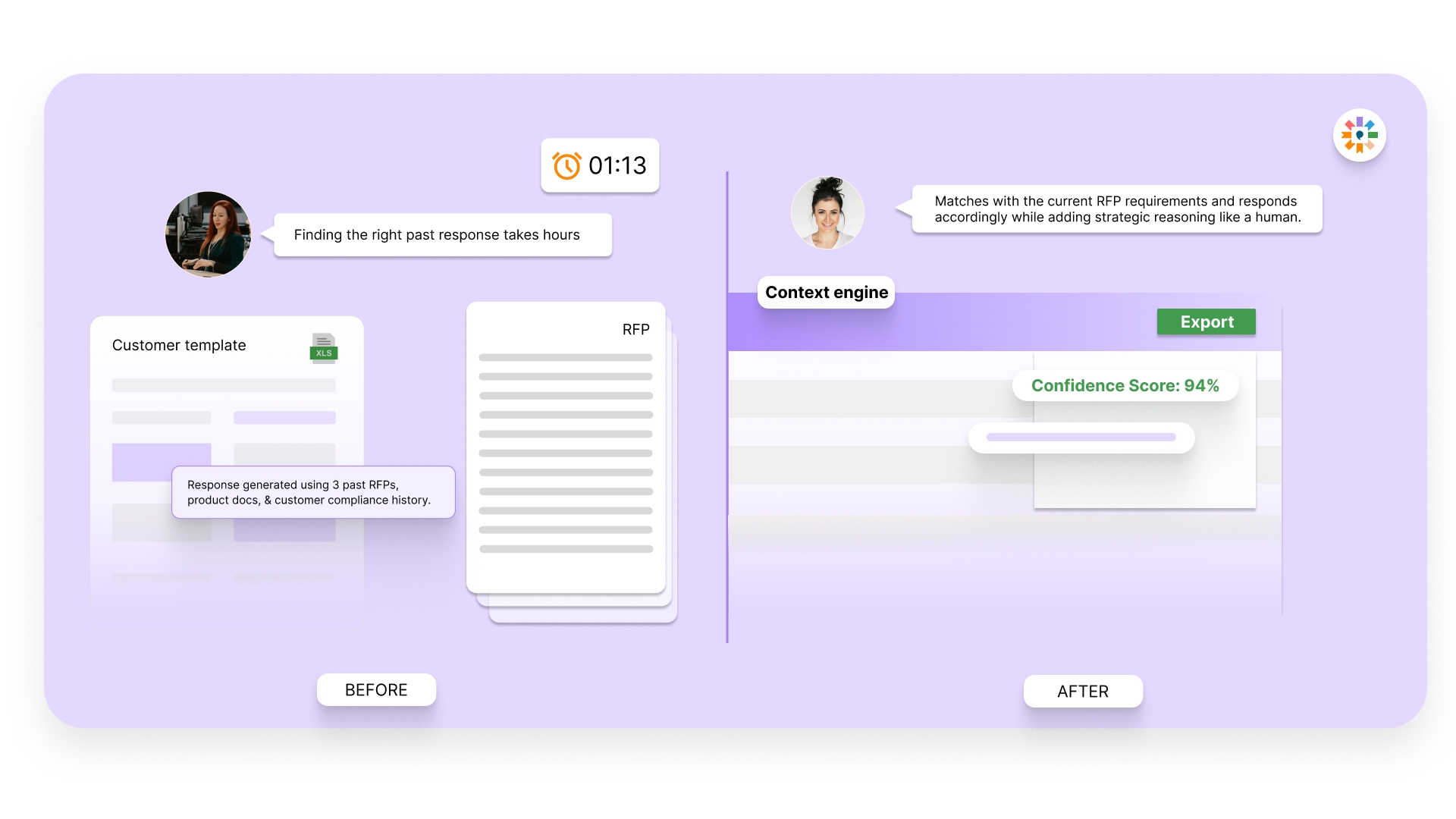
- Highly Contextual Answers for Each Investor and Deal: The AI Context Engine uses information from the DDQ, deal details, meeting notes, and supporting documents to tailor responses without changing facts or metrics.
- Full Control Over Tone, Length, and Detail: Adjust responses instantly for venture-style brevity or private-equity depth while keeping numbers and descriptions consistent across sections and rounds.

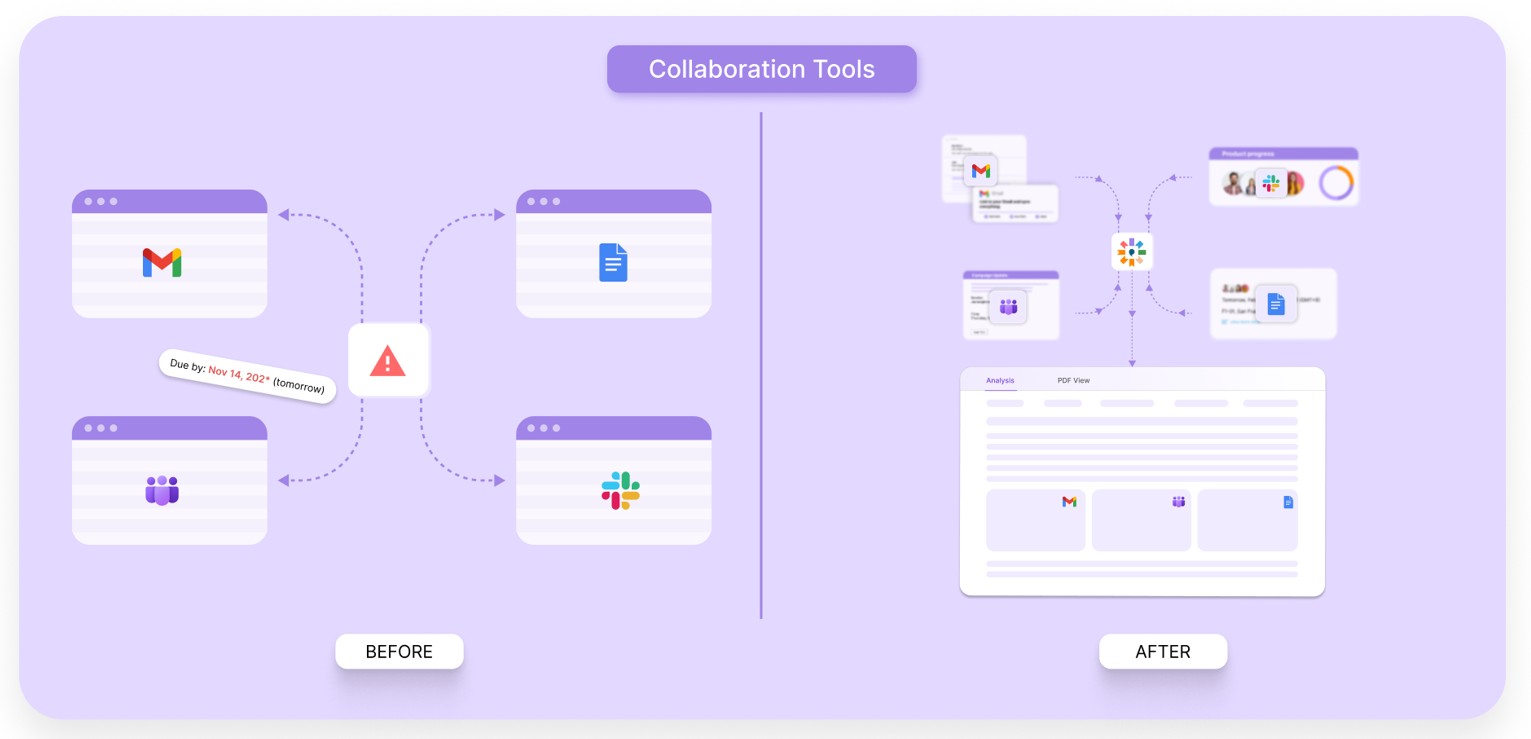
- Built-In Collaboration for DDQ Review Teams: Assign questions, collect SME input, manage approvals, and track changes in one workspace. Slack integration, role-based access, and activity logs reduce version sprawl during live diligence.
By keeping DDQ answers aligned across rounds and parallel processes, Inventive AI lowers follow-up volume during diligence and helps teams move through VC and private equity reviews with fewer delays and fewer credibility risks.
FAQs About VC/Private Equity DDQs
1. Who Owns DDQ Responses Inside a Company?
Revenue operations, finance, or a dedicated proposal or diligence team usually owns DDQ responses. Input comes from founders, product, security, and legal, but ownership sits with the team responsible for consistency and final submission.
2. Are DDQs Mandatory for VC and Private Equity Deals?
DDQs are not legally mandatory, but they are standard practice in most institutional VC and private equity processes. Refusing or delaying a DDQ response often slows diligence or signals execution risk to investors.
3. How Detailed Should DDQ Answers Be?
The level of detail depends on the deal stage and investor type. Early-stage VC DDQs expect concise answers, while growth equity and private equity DDQs require deeper operational and financial detail. Over-answering early and under-answering late both create issues.
4. What Happens If DDQ Answers Change Between Rounds?
Investors often reference prior diligence. When answers change between rounds without explanation, it raises questions. Material changes should be explainable through business growth, updated metrics, or structural changes, not wording drift.
5. Do VC and Private Equity Firms Compare DDQ Answers Across Deals?
Yes. Investors routinely compare DDQ responses across multiple opportunities to identify inconsistencies, execution risk, or unclear positioning. Clear and consistent answers reduce follow-up and speed internal reviews.