
Capture Management: The Blueprint for Winning Proposals and Business Growth

Have you ever spent hours working on a proposal, only to find out it wasn’t aligned with the client’s needs? Or missed out on a great opportunity because your team wasn’t on the same page? You’re not alone. Many proposals fail because of poor capture management.
Capture management is a powerful strategy that can make or break your chances of winning the next big deal. It’s about identifying the right opportunities, aligning your resources, and ensuring your team works together to deliver the perfect proposal.
In fact, roughly 70% of a proposal’s success is secured before the RFP is even published, meaning proactive planning and capture management are crucial in positioning your company for success.
In this blog, we’ll explain what capture management is, how it benefits your business, and why it’s a must-have process for success.
Key Takeaways
- Capture management is a strategic process that helps businesses identify, qualify, and pursue high-value opportunities.
- Proactive planning and early engagement with clients significantly improve win rates and proposal success.
- The capture manager leads the charge by coordinating teams and ensuring proposals align with client needs.
- Effective capture management helps shorten sales cycles, improve profitability, and increase chances of success.
- Inventive AI simplifies and speeds up the capture management process, helping teams create more accurate, high-quality proposals.
What is Capture Management? A Step-by-Step Breakdown
Capture management is a strategic process designed to help your business identify, qualify, and pursue high-value opportunities. It’s more than just responding to RFPs; it’s about taking a proactive, long-term approach to winning deals in competitive markets.
Capture management involves thorough market research, building strong relationships with potential clients, and aligning your team’s efforts to present the best possible solution. This is your roadmap for targeting the right opportunities and positioning your company for success when the right deal comes along.
Prioritizing the right opportunities allows your team to shape tailored solutions that dramatically increase your overall win rates.
Also Read: Top 25 RFP Software in 2026: Which to Use?
How the Capture Manager Leads the Charge for Proposal Success?
A capture manager is the strategic leader responsible for driving the capture process from start to finish. They play an important role in ensuring that your company’s approach aligns with the client’s needs, while coordinating cross-functional teams to deliver a high-quality, tailored proposal.
The capture manager ensures every element of the process runs smoothly, maximizing your chances of winning the deal.
Key Responsibilities of a Capture Manager:
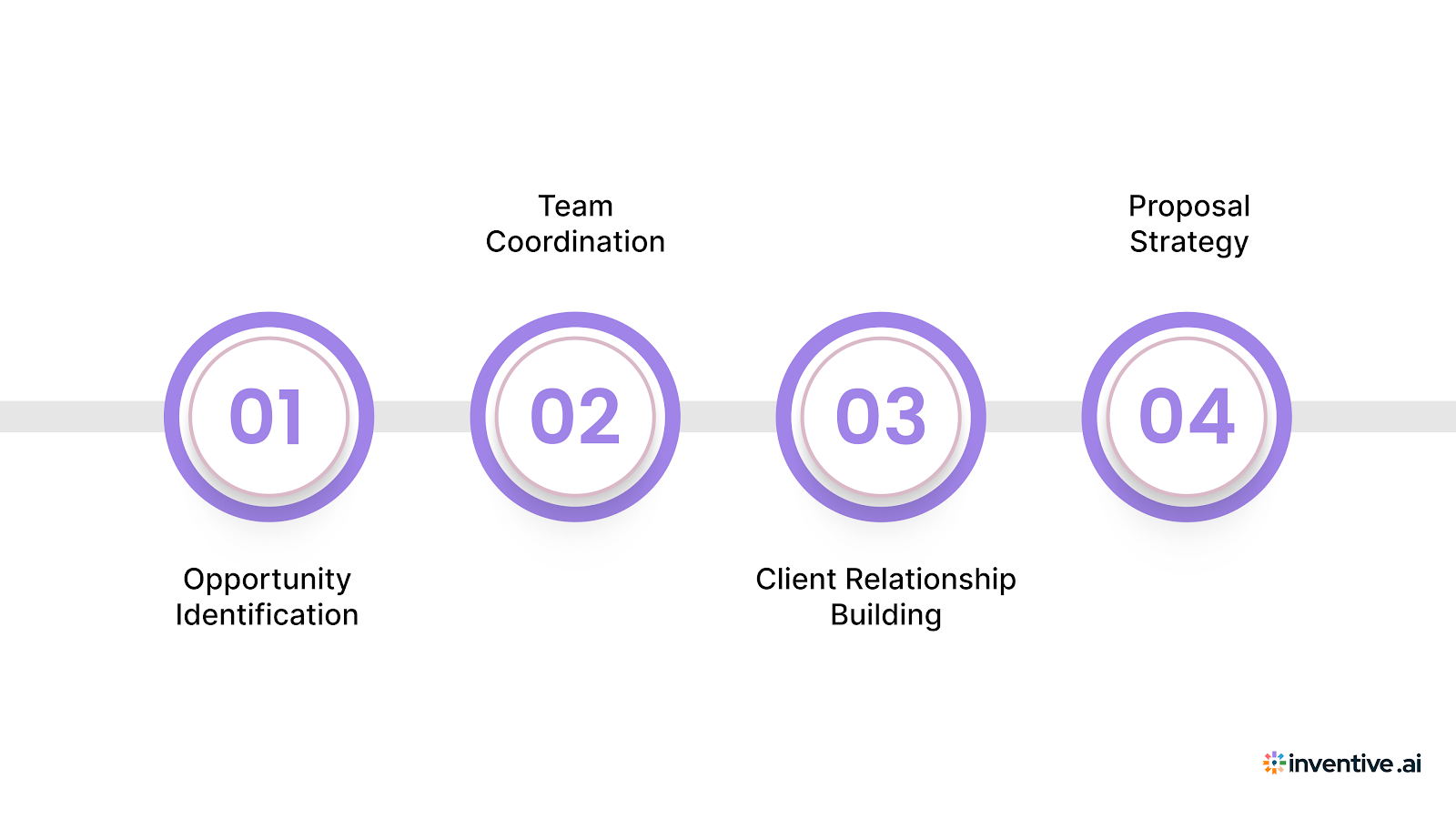
- Opportunity Identification: The capture manager’s first task is to identify and qualify the most promising opportunities. They evaluate potential deals based on their alignment with your business goals and determine which ones are worth pursuing.
- Team Coordination: Working closely with sales, marketing, technical, and financial teams, the capture manager ensures that everyone is aligned and that the proposal meets the client’s specific needs. They’re the glue that keeps everyone on track.
- Client Relationship Building: From the outset, the capture manager engages with potential clients to understand their needs, pain points, and expectations. They help shape the proposal based on these insights, ensuring it resonates with the client and addresses their core challenges.
- Proposal Strategy: The capture manager is responsible for developing the overall strategy for the proposal, ensuring it stands out from the competition. They define the messaging, value proposition, and approach that will win the client’s confidence.
The capture manager is the driving force behind every successful proposal, ensuring that every opportunity is maximized, teams are aligned, and solutions are tailored to meet the client’s needs
How Effective Capture Management Drives Tangible Business Benefits?
Adopting a structured capture management strategy makes your sales process more efficient and delivers real, measurable benefits for your business. Here’s how:
1. Improved Win Rates
Capture management directly impacts your win rate. Companies that actively manage their capture process see win rates increase by up to 50%. When you align your proposals with the client’s needs, show a deep understanding of their challenges, and highlight your strengths, your chances of winning rise significantly.
2. Shortened Sales Cycles
Capture management speeds up your sales process. By eliminating delays and streamlining the process of gathering information and preparing responses, your team can close deals faster. A strategic approach ensures that you’re not wasting time on opportunities that don’t align with your goals or on unnecessary steps in the process.
3. Increased Profitability
With capture management, you ensure that your team is focused on the right opportunities, those that align with your strengths and have a higher potential for profitability. By avoiding low-value proposals and misaligned opportunities, your team can concentrate on pursuing the most profitable deals.
Effective capture management is the key to not just streamlining your sales process but boosting your win rates, shortening your sales cycles, and driving greater profitability. When you take a strategic approach to identifying and capturing the right opportunities, your business will be positioned for long-term success.
When Should You Use Capture Management? Understanding the Right Timing
Not every opportunity requires an in-depth capture management process. So, when should you implement it for maximum impact?
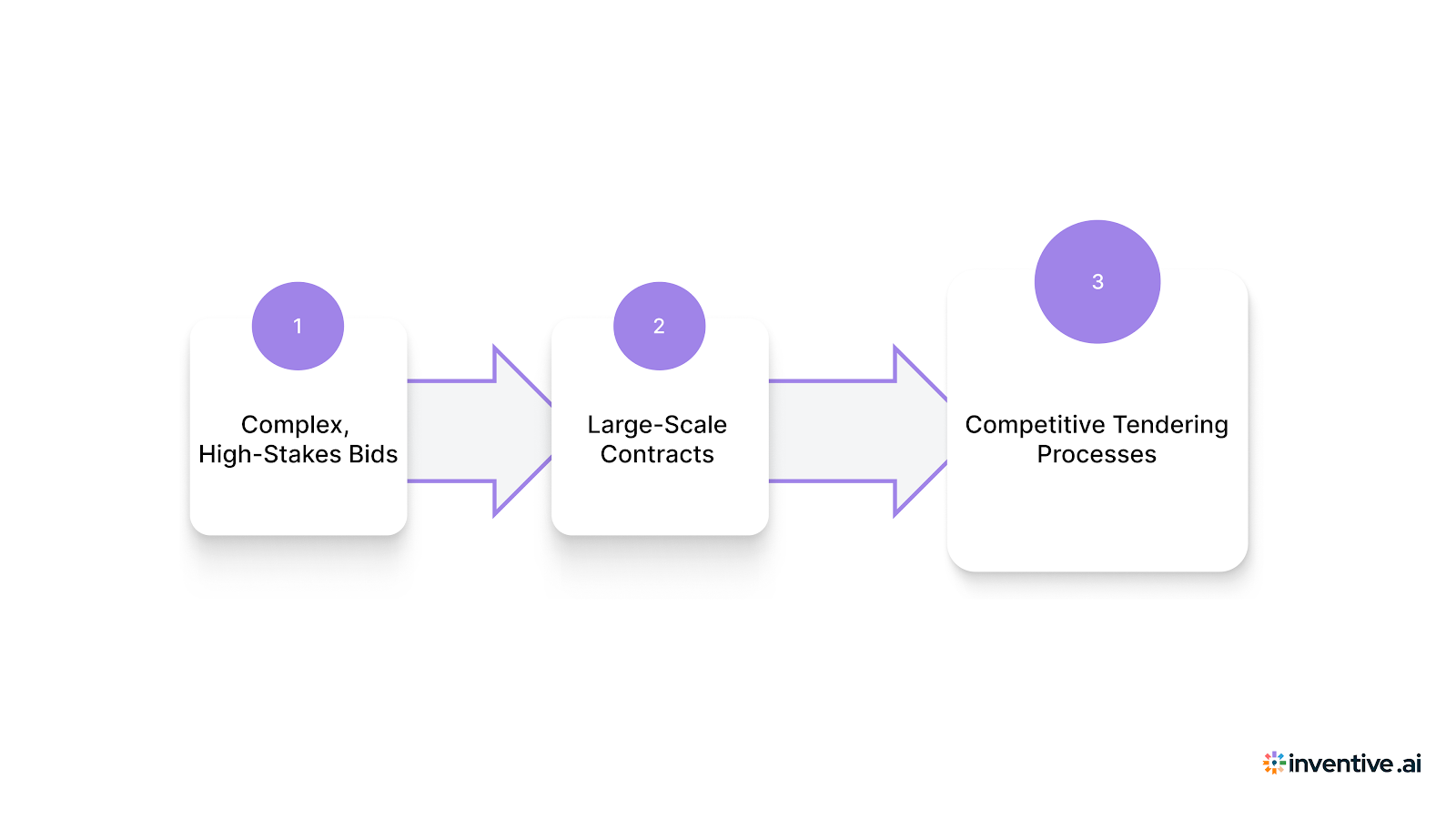
1. Complex, High-Stakes Bids
For complex proposals or long-term strategic contracts, capture management becomes critical. These opportunities typically require extensive research, tailored solutions, and close collaboration across teams. The more involved the opportunity, the more essential it is to have a strategic process in place to align resources and ensure a winning proposal.
2. Government and Large-Scale Contracts
In government contracting and large-scale enterprise deals, capture management is a must. These opportunities often come with detailed specifications, rigorous compliance requirements, and competitive bidding. A robust capture management process ensures your proposal not only meets these requirements but also presents a compelling solution that sets you apart from the competition.
3.Competitive Tendering Processes
When competing with multiple vendors for the same contract, capture management is essential. It helps you stand out by ensuring you are prepared with a clear strategy and a solution that directly addresses the client’s needs. Without a structured approach, it’s easy to overlook key differentiators and lose out to more prepared competitors.
Capture management isn’t needed for every opportunity, but it’s important for complex contracts, government projects, and when facing strong competition. By using capture management in these situations, your team can create stronger proposals, win more often, and secure better contracts.
Also Read: How to Develop Effective RFP Win Themes for Proposal Success
The Capture Management Process: Your Roadmap to Winning Deals
To effectively manage the capture process, follow these key steps:
1. Strategic Bid/No-Bid Qualification
The first step is to identify high-value opportunities through go/no-go analysis that align with your company’s capabilities and goals. Evaluate the contract size, complexity, and potential benefits. Ensure that the opportunity fits your strategic objectives and offers the best chance of success.
2. Solution Development
After identifying the right opportunity, develop a tailored solution that meets the specific needs of the client. This step involves collaborating with internal teams, such as technical, finance, and sales, to design a solution that addresses the client’s challenges and provides the most value.
3. Proposal Strategy
Define your proposal strategy by deciding on the value proposition. This includes highlighting your company’s strengths, differentiating your solution from competitors, and focusing on how you can solve the client’s most pressing issues. Crafting a strong strategy ensures your proposal stands out and aligns with the client’s expectations.
4. Proposal Writing
With the strategy in place, your team begins drafting the proposal. A strong knowledge base is essential here. Ensure your team can quickly access relevant content, past proposals, and solutions. This makes drafting faster and helps maintain consistency in your messaging.
5. Review and Submission
Before submitting, the proposal must go through a thorough review. This ensures it’s compliant with all requirements, accurate in its content, and perfectly aligned with the client’s needs. A well-reviewed proposal minimizes errors and increases your chances of success.
By following these steps, your team can manage the capture process more effectively, ensuring you target the right opportunities and present well-crafted, winning proposals. The capture management process helps align your resources and strategy to maximize success and improve your win rates.
Also Read: Tender Management: Process, Software, Best Practices (2026)
5 Smart Tips for a Winning Proposal Strategy
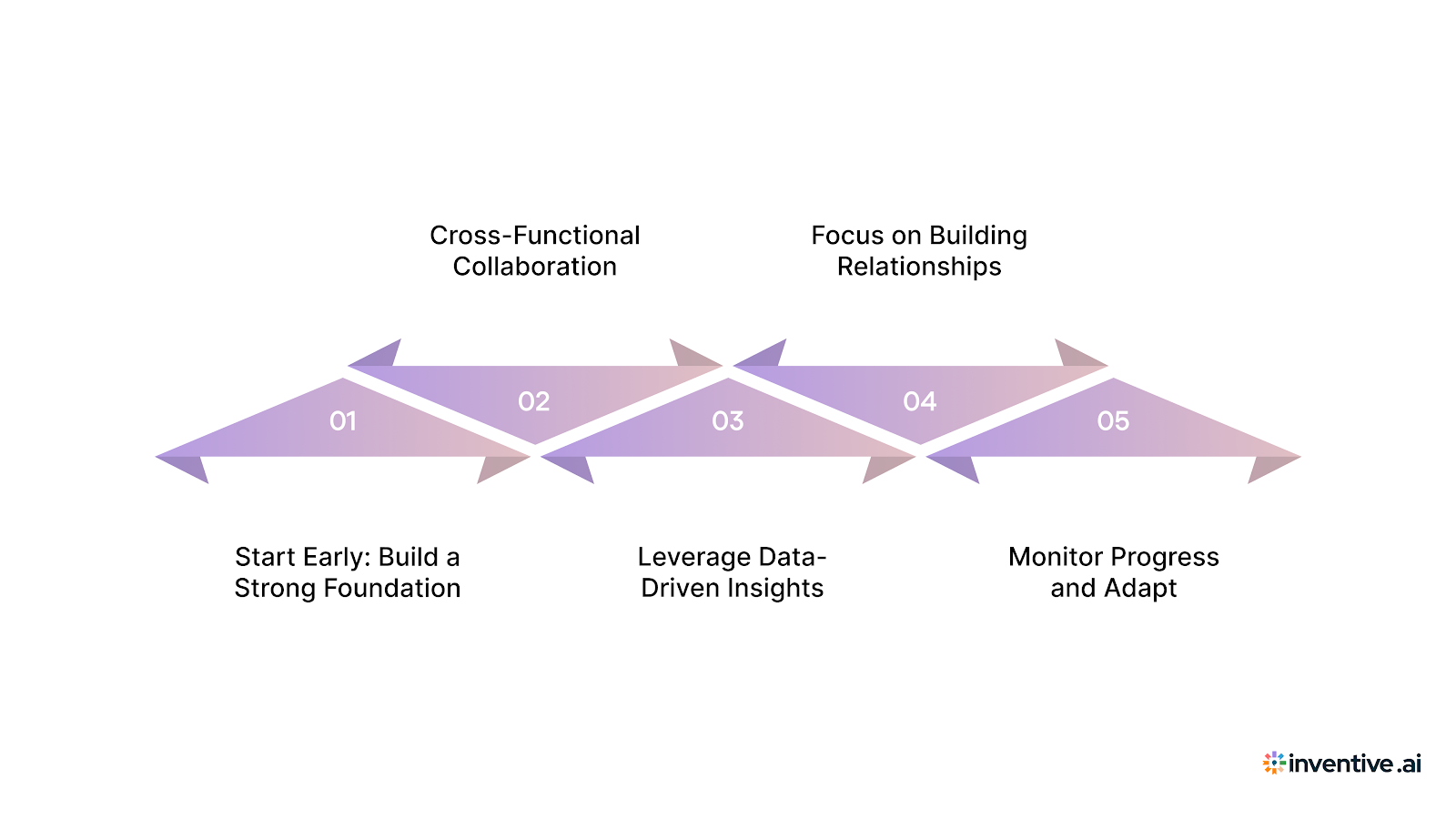
To ensure your capture management process is as effective as possible and helps you win more deals, consider these best practices that will take your efforts to the next level:
1. Start Early: Build a Strong Foundation
Don’t wait for an RFP to arrive before starting your capture efforts. Proactively identify potential opportunities and begin building relationships with key stakeholders long before an official solicitation is made. Early engagement allows you to understand client needs, align your resources, and develop a more tailored and compelling solution.
2. Cross-Functional Collaboration: Leverage Team Expertise
Effective capture management requires collaboration across multiple departments. Involve sales, marketing, technical teams, and finance early in the process. By doing this, you ensure that the proposal is comprehensive and covers all angles, from pricing and technical feasibility to messaging and customer alignment.
3. Leverage Data-Driven Insights: Make Informed Decisions
Capture management is about intuition and making data-driven decisions. Use market research, competitive analysis, and customer insights to inform your approach. Tailor your proposals to address the client’s specific challenges and offer solutions that truly resonate with them.
4. Focus on Building Relationships: Trust is Key
Building strong relationships with key stakeholders throughout the capture process is critical. Engage with the client early and maintain regular communication to keep the dialogue open. Building trust early on makes it easier to align with the client’s needs and respond to any changing requirements during the capture process.
5. Monitor Progress and Adapt: Stay Agile
Capture management is an evolving process. Regularly monitor your team’s progress and be ready to adapt your approach as you gather more insights. Stay flexible and make adjustments when necessary, whether it’s refining your value proposition or shifting resources to focus on the most promising leads.
Pro Tip: Aligning your capture efforts with your overall RFP strategy can increase your win rates by up to 50%. Ensure your capture efforts are aligned with your long-term goals, market position, and customer needs.
By following these tips, you can optimize your capture management process, ensuring you’re not only targeting the right opportunities but also crafting proposals that stand out. A strategic, collaborative, and data-driven approach leads to higher win rates and more successful deals.
How Inventive AI Improves Your Capture Management Strategy?
With Inventive AI, your capture management process becomes even more efficient and impactful. Here’s how our AI-powered RFP software helps your team:
1. 2x Higher Quality Responses
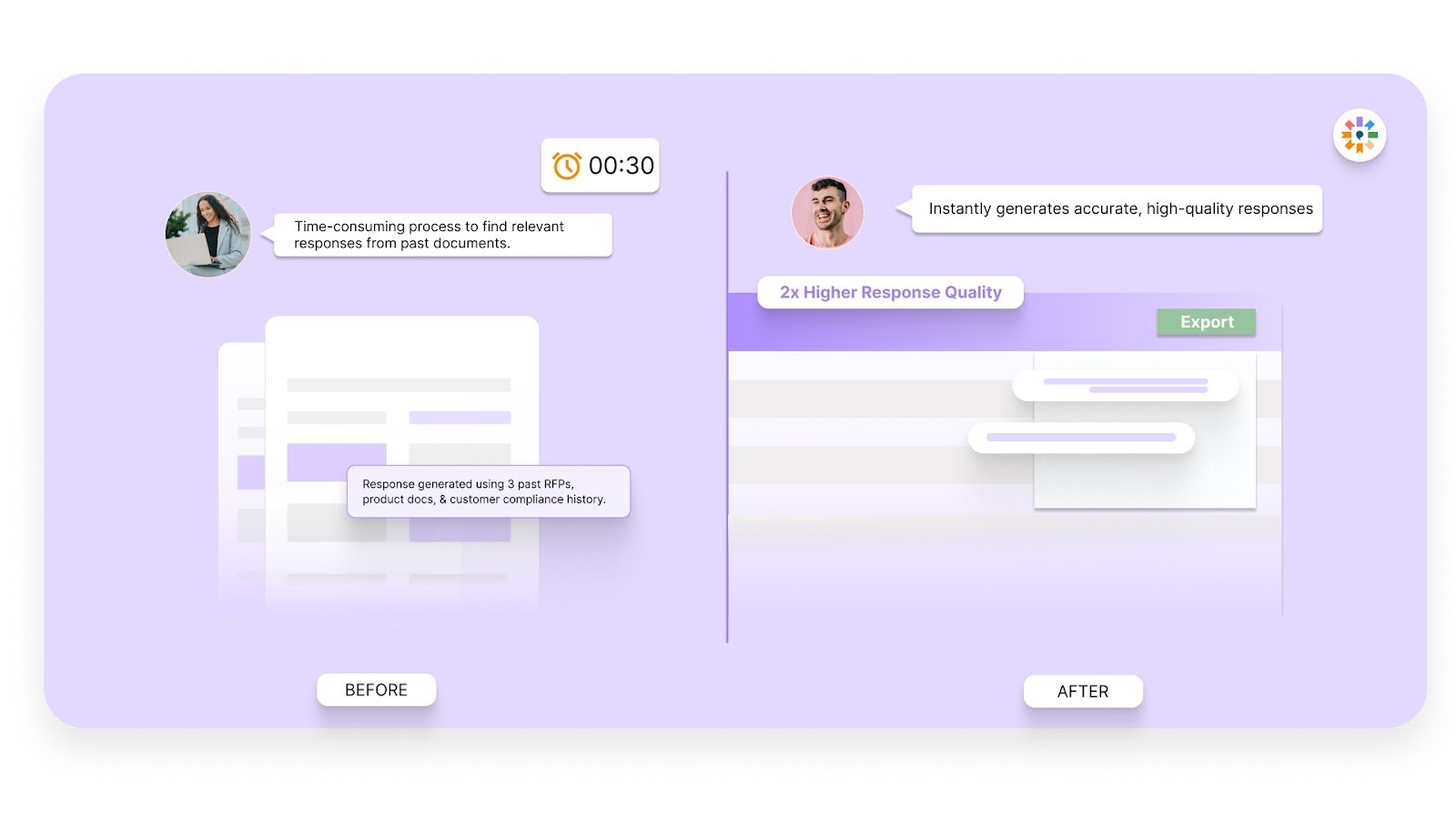
Our AI-powered software helps you create high-quality, targeted responses. By analyzing past proposals and tailoring new drafts, Inventive AI ensures your content is clear, persuasive, and aligned with client needs, giving you a competitive edge.
2. Context Engine
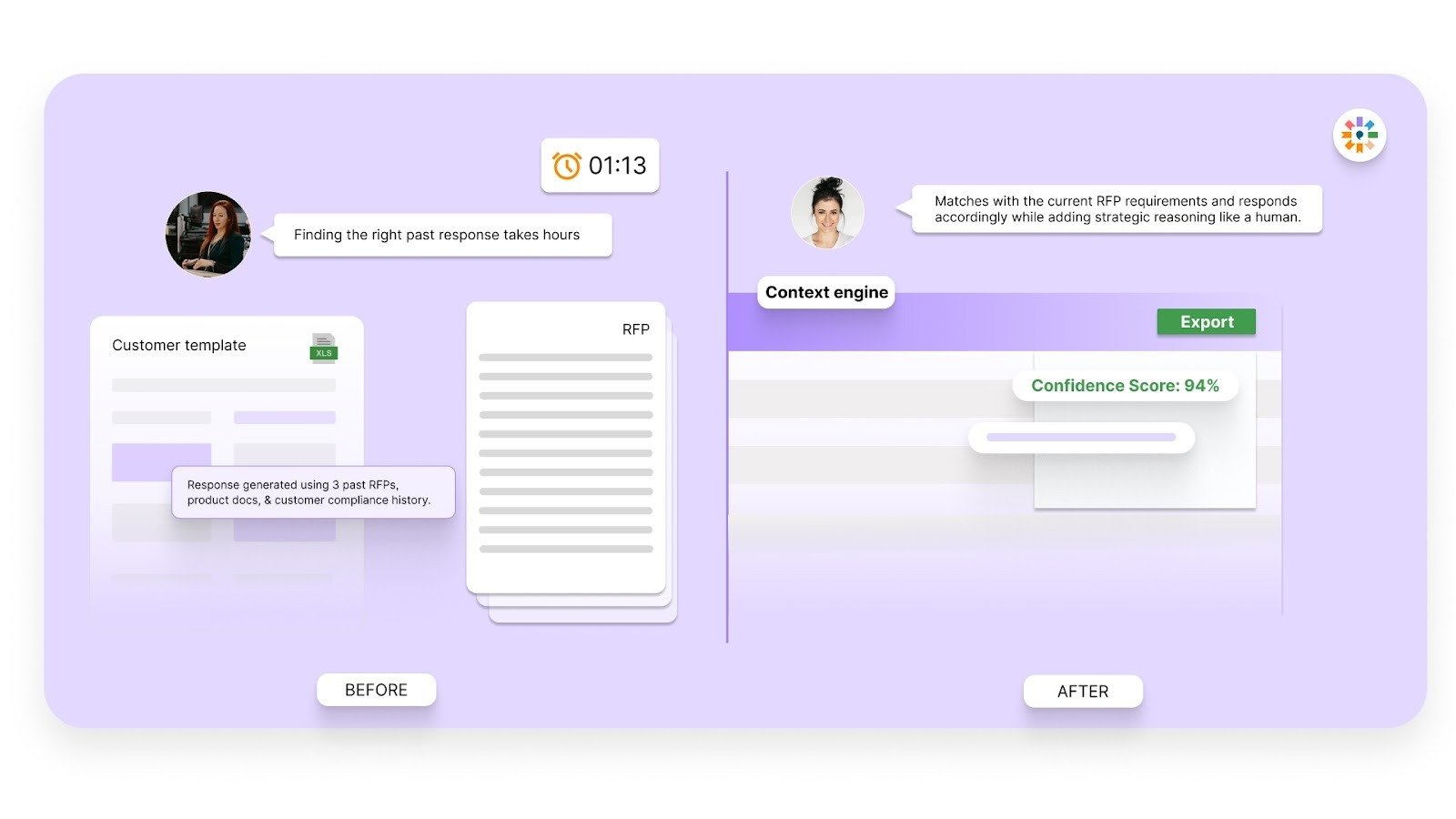
The Context Engine ensures your responses are highly relevant. It analyzes the client’s requirements and adjusts your proposal to match their specific needs, improving your chances of engagement and increasing the likelihood of success.
3. Conflict Detection
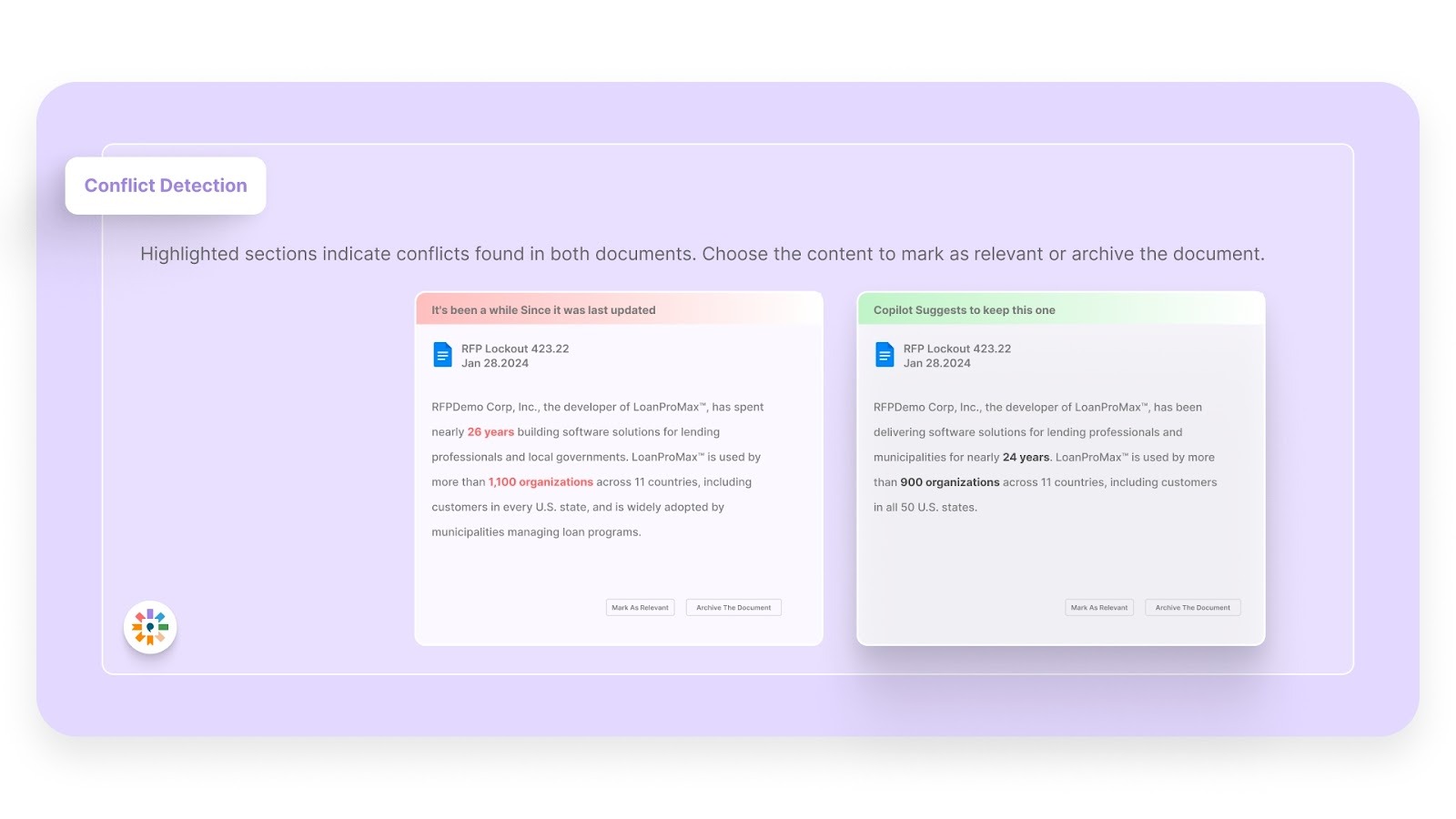
Inventive AI automatically identifies contradictions within your proposals. It flags any inconsistencies, helping ensure that every proposal is accurate, logically sound, and aligned with your solution, reducing errors and increasing credibility.
4. Outdated Content Detection
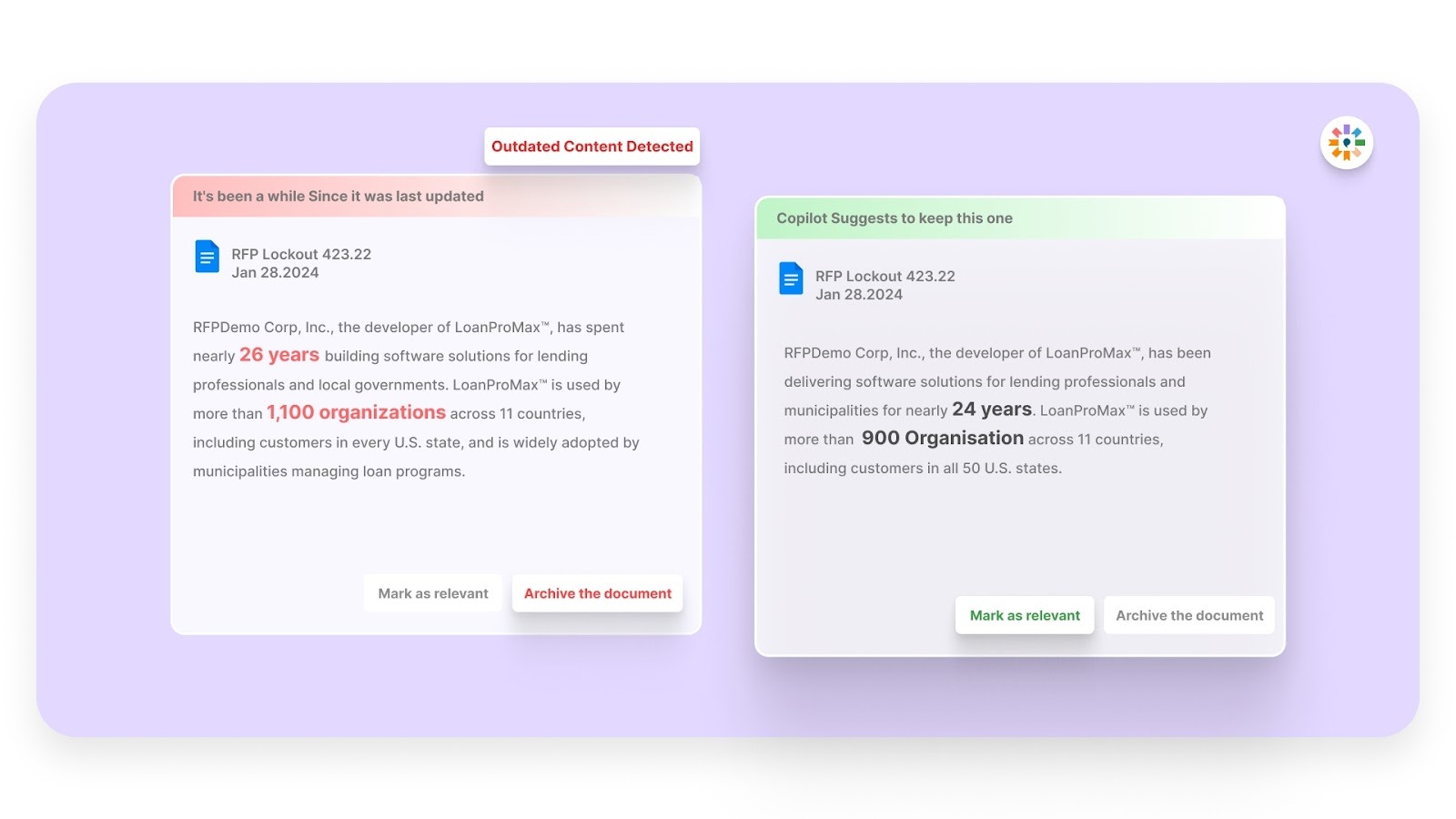
Our software flags outdated or irrelevant content, ensuring that only the most up-to-date, competitive, and relevant information is included in your responses. This keeps your proposals fresh and aligned with current market conditions.
5. Simple, Easy-to-Use Interface
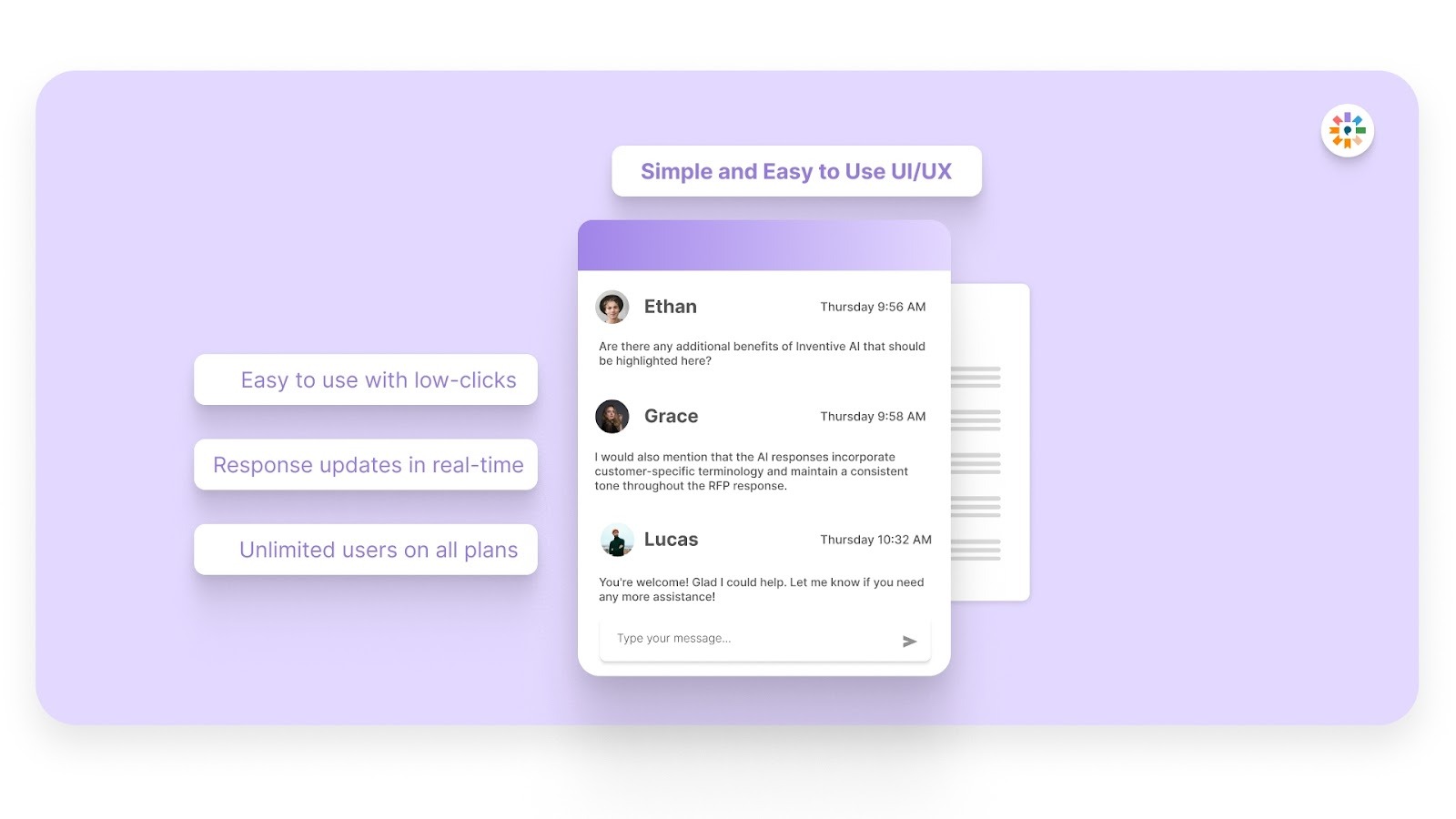
Inventive AI features an intuitive, user-friendly interface. Your team can easily adapt and start using the platform without a steep learning curve. With simple navigation, your team can focus on crafting the best proposals without wasting time on complicated software.
6. Narrative-Style Proposals
While most tools are limited to short Q&A, Inventive AI generates complete, long-form documents like executive summaries and one-pagers. This allows you to move beyond simple spreadsheets and build a persuasive, well-written story that clearly explains your value to the buyer.
Inventive AI simplifies and speeds up your capture management process. By improving content quality, accuracy, and relevance, you allow your team to focus on high-value tasks, increasing your chances of winning contracts and growing your business.
Frequently Asked Questions (FAQs)
1. What is the difference between capture management and proposal management?
Capture management focuses on identifying and pursuing high-value opportunities, building relationships with clients, and crafting a tailored strategy. Proposal management, on the other hand, focuses on the execution of drafting, reviewing, and submitting the proposal once the opportunity is identified.
2. How does a capture management process improve win rates?
A well-organized capture management process allows you to target the right opportunities, develop tailored solutions, and align your teams resources efficiently. By understanding the client's needs and positioning your proposal accordingly, capture management significantly increases the chances of winning high-value contracts.
3. How long does the capture management process take?
The duration of the capture management process varies depending on the complexity of the opportunity. For high-stakes bids or government contracts, the process may take several months, as it involves in-depth research, strategic planning, and collaboration. For simpler opportunities, the process could be completed in a few weeks.
4. What skills are required to be a successful capture manager?
A successful capture manager needs strong communication skills, strategic thinking, and a deep understanding of the market. They must also be adept at team coordination, relationship building, and negotiation, with the ability to adapt to changing requirements and deliver compelling proposals.
5. When should a business hire a capture manager?
A business should hire a capture manager when it begins pursuing large, complex deals, especially in industries like government contracting or enterprise-level sales. If your company is targeting high-value contracts or entering competitive bidding processes, a dedicated capture manager can help drive success by overseeing the entire process from opportunity identification to proposal submission.

90% Faster RFPs. 50% More Wins. Watch a 2-Minute Demo.
.avif)
Mukund Kumar
Understanding that sales leaders struggle to cut through the hype of generic AI, Mukund focuses on connecting enterprises with the specialized RFP automation they actually need at Inventive AI. An IIT Jodhpur graduate with 3+ years in growth marketing, he uses data-driven strategies to help teams discover the solution to their proposal headaches and scale their revenue operations.

Hardi Hindocha
Knowing that complex B2B software often gets lost in jargon, Hardi focuses on translating the technical power of Inventive AI into clear, human stories. As a Sr. Content Writer, she turns intricate RFP workflows into practical guides, believing that the best content educates first and earns trust by helping real buyers solve real problems.