
Full Transparency Throughout the Procurement Lifecycle: Improve RFP Wins

Ever wonder why responding to RFPs feels like running in circles? Poor visibility and cross-team misalignment make it difficult for vendors to deliver accurate, timely proposals.
Organizations that implement steps to simplify and clarify procurement operations achieve a 42% higher procurement transformation success rate than those that don’t. This shows that full transparency and structured processes directly help vendors respond faster, more consistently, and with fewer errors.
In this blog, we’ll break down what full transparency throughout the procurement lifecycle means from a vendor’s perspective, and why it directly impacts RFP success.
Key Takeaways
- Centralize your content to eliminate duplication and ensure every response uses accurate, up-to-date information.
- Standardize workflows to reduce errors, maintain consistency, and keep responses on track under tight deadlines.
- Align your teams in real time to avoid delays, missed inputs, and fragmented communication across stakeholders.
- Keep content continuously updated so proposals reflect current offerings, compliance requirements, and buyer expectations.
- Focus on buyer-specific relevance by mapping responses to evaluation criteria and highlighting measurable differentiators.
- Use Inventive AI to continuously update your content, ensuring proposals always reflect current offerings, compliance requirements, and buyer expectations without the burden of manual updates.
What is Full Transparency Throughout the Procurement Lifecycle?
Full transparency throughout the procurement lifecycle means complete visibility and control over requirements, communications, content, timelines, and decision criteria at every stage from RFI to final proposal submission. It provides a clear, real-time view of expectations, internal contributions, and response progress.
Without this level of transparency, teams operate reactively, relying on scattered information, duplicating efforts, and struggling to maintain consistency across responses. Transparency might sound straightforward, but its role in defining successful RFP responses is worth a closer look.
Why Transparency is Critical for Vendors Responding to RFPs?
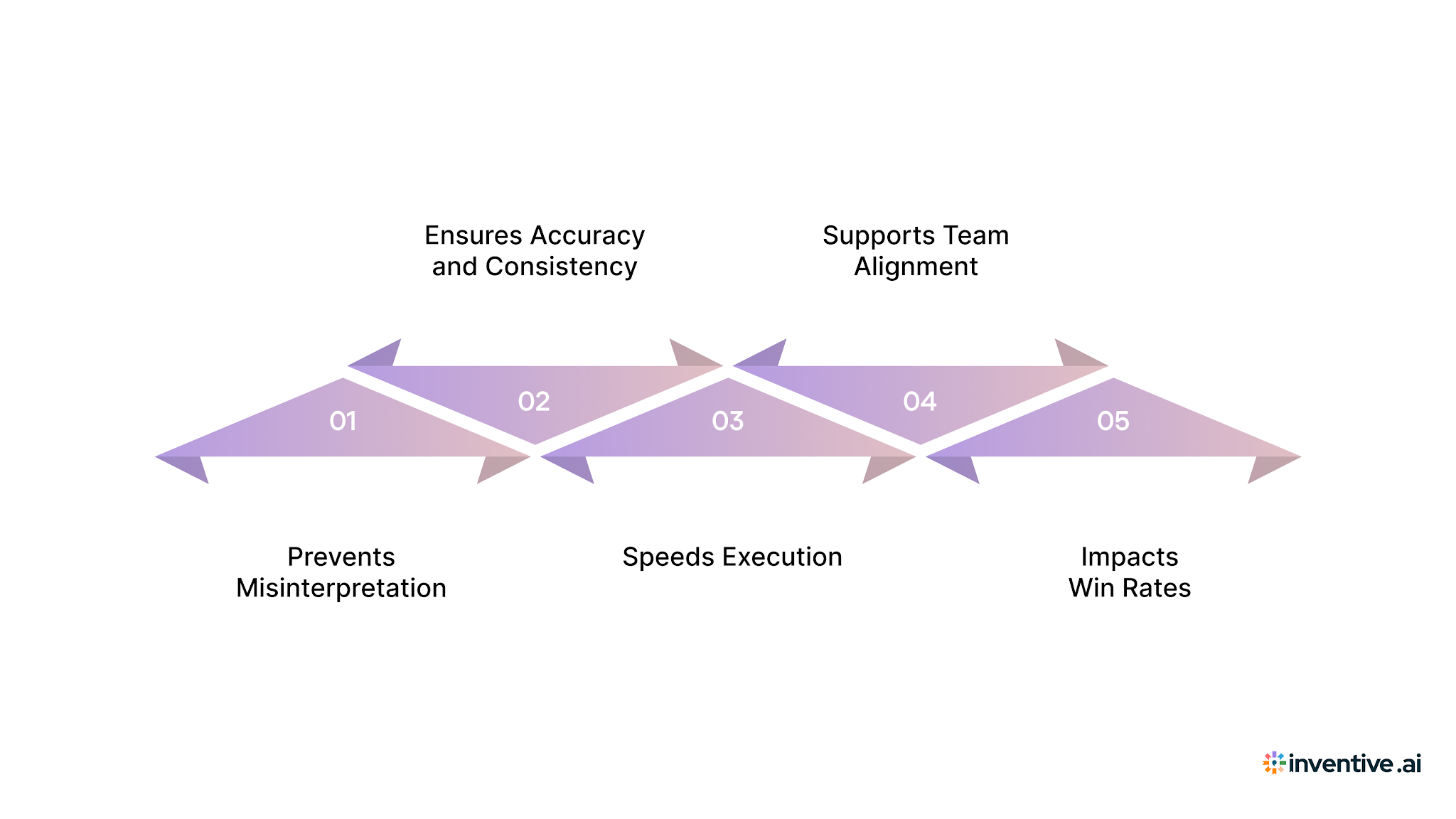
Transparency directly impacts how effectively your team executes RFP responses. When visibility is limited, delays, inconsistencies, and misalignment become unavoidable. With full transparency, teams can move faster, collaborate better, and deliver stronger proposals.
- Prevents Misinterpretation: Without clear insight, vendors risk making assumptions about buyer expectations, leading to generic or inaccurate responses.
- Ensures Accuracy and Consistency: Scattered or outdated content can create conflicting messaging, weakening credibility and diminishing the strength of proposals.
- Speeds Execution: Limited transparency slows coordination across teams, increasing the risk of missed deadlines and inefficient workflows.
- Supports Team Alignment: Misaligned teams experience delayed inputs and duplicated effort, leading to confusion and reduced overall response efficiency.
- Impacts Win Rates: Clarity, consistency, and alignment with buyer expectations directly influence a vendor’s chances of winning the RFP.
Even when you understand what full transparency looks like, achieving it is not always straightforward. Let’s explore the key challenges vendors face in making the procurement lifecycle fully transparent.
Key Challenges in Achieving Full Transparency Throughout the Procurement Lifecycle
Many vendors face real obstacles that slow down RFP responses, reduce accuracy, and make collaboration frustrating. Recognizing these challenges is the first step toward overcoming them.
Here are the most common hurdles vendors encounter:
- Fragmented Content Systems: When your RFP materials are scattered across emails, drives, and multiple tools, it’s easy to lose track of important content. You may spend hours searching for past responses or risk using outdated information, which can hurt proposal quality.
- Manual Processes: Drafting, reviewing, and formatting responses manually takes up time that could be spent refining your proposal strategy. Relying on repetitive, manual work increases the likelihood of errors and missed deadlines.
- Outdated Information: Using old responses without verification can lead to inconsistencies or incorrect details in your submissions. This not only confuses buyers but can also reduce your credibility and lower your chances of winning.
- Limited Visibility Across Teams: When sales, proposal, and solutions teams are not fully aligned, you may face delays in collecting inputs, conflicting answers, or duplicated effort. Poor coordination slows down the process and increases stress for your team.
- Inconsistent Processes: Without a standardized workflow for responding to RFPs, you risk missing steps, skipping critical content, or submitting incomplete proposals. Inconsistent approaches make it harder for your team to maintain quality across multiple submissions.
Also Read: The Future of Procurement: Top AI Platforms Driving Efficiency in 2026
While these challenges are common, vendors can take practical steps to overcome them. The following best practices help create full transparency across the procurement lifecycle.
8 Ways to Make Sure Procurement Lifecycle is Transparent and Efficient
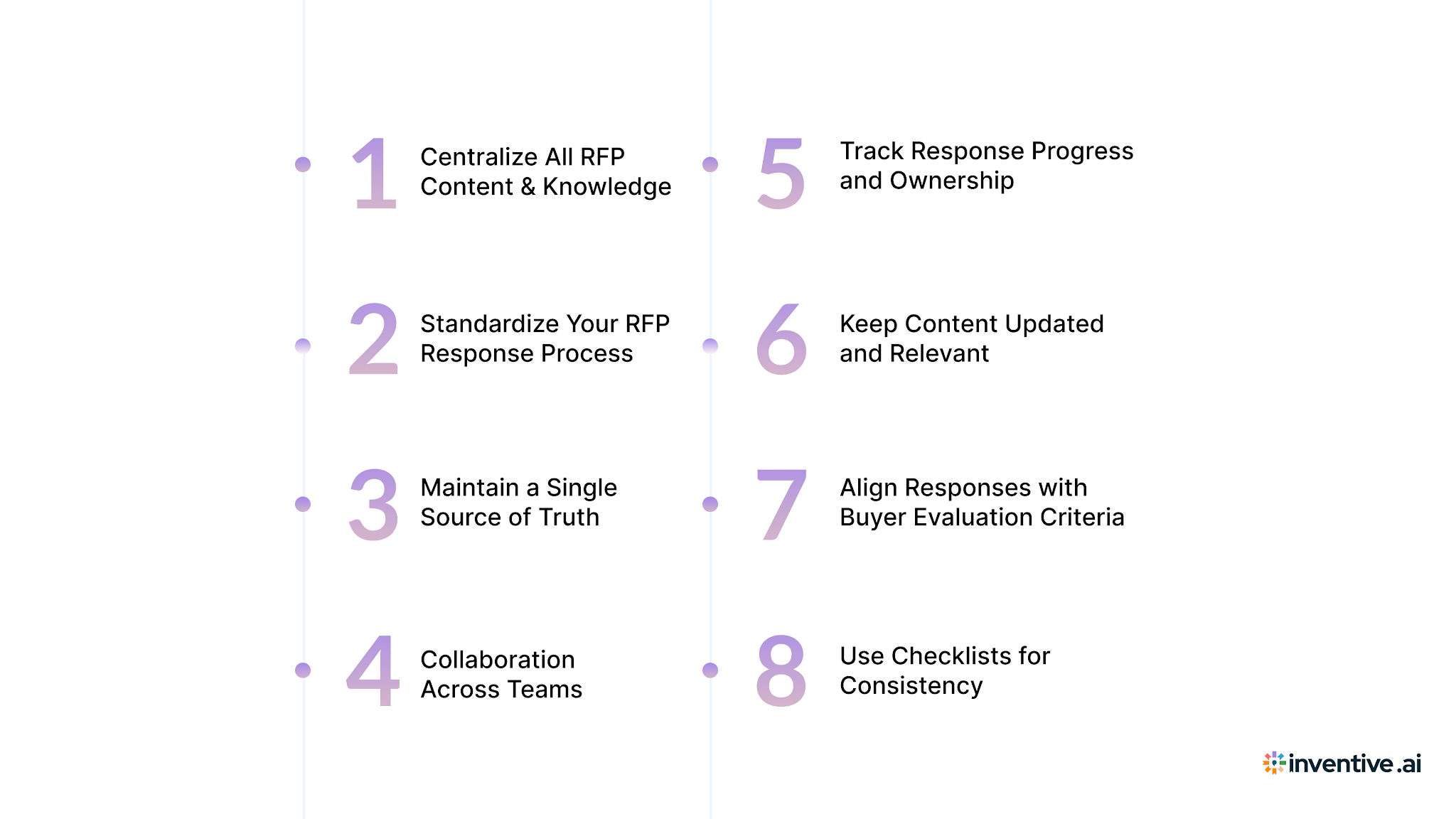
Vendors who proactively organize content, standardize workflows, and maintain clear visibility across teams are better positioned to submit accurate, timely, and high-quality proposals. The following practices can help you optimize your procurement process and eliminate common transparency gaps.
1. Centralize All RFP Content and Knowledge
Scattered RFP materials force teams to hunt for information, increasing errors and delaying responses. Centralization ensures that every team member has access to verified, up-to-date content.
- Consolidate past RFPs, RFIs, and security questionnaires into a single repository to reduce duplication of effort.
- Organize content by product line, use case, or compliance requirement to make it easier to customize responses quickly.
- Maintain searchable knowledge hubs to accelerate content retrieval and avoid using outdated information, ensuring proposals remain accurate and competitive.
Impact: Centralization reduces wasted time, improves consistency across submissions, and strengthens credibility with buyers.
2. Standardize Your RFP Response Process
Without a structured approach, teams can miss critical steps, create inconsistent messaging, and struggle under tight deadlines.
- Define clear workflows for drafting, reviewing, and approving responses to reduce bottlenecks.
- Set stage-specific timelines and checkpoints to ensure tasks stay on track.
- Use templates strategically to maintain a consistent tone, structure, and messaging across multiple submissions.
Impact: Standardization transforms RFP responses from chaotic to predictable, reducing errors and giving teams confidence in every submission.
3. Maintain a Single Source of Truth
Multiple document versions create confusion, contradicting answers, and compliance risks. A single source of truth ensures that all contributors are referencing the latest, verified content.
- Store approved responses in a centralized repository accessible to relevant stakeholders.
- Restrict use of outdated or duplicate documents to avoid inconsistencies.
- Update the knowledge base continuously to reflect product changes, regulatory requirements, or past lessons learned.
Impact: A single source of truth strengthens proposal accuracy, accelerates approvals, and reduces risk during audits or evaluations.
4. Enable Real-Time Collaboration Across Teams
Teams relying on long email threads or disconnected tools often experience delays, missed feedback, and duplicated work.
- Use collaborative platforms that allow simultaneous contributions from sales, solutions, and proposal teams.
- Enable stakeholders to comment or review in real time, ensuring input is captured without delays.
- Maintain discussion logs within the platform to reduce back-and-forth and preserve context.
Impact: Real-time collaboration keeps everyone aligned, shortens cycle times, and ensures no critical insight is overlooked.
5. Track Response Progress and Ownership
Without clear ownership, tasks can slip through the cracks, causing rushed or incomplete submissions.
- Assign responsibility for each section of the RFP to a specific team member or department.
- Track progress through dashboards or workflow systems to provide visibility at every stage.
- Implement internal deadlines to catch bottlenecks before they impact the final submission.
Impact: Accountability ensures deadlines are met, responsibilities are clear, and the overall quality of proposals improves.
6. Keep Content Updated and Relevant
Outdated or irrelevant content undermines the credibility of the proposal and reduces the win potential.
- Conduct regular audits of response content to remove obsolete data.
- Refresh technical, compliance, and product information to match current offerings.
- Align messaging with the evolving buyer landscape, market trends, or regulatory updates.
Impact: Updated content strengthens credibility, demonstrates expertise, and makes proposals more persuasive.
7. Align Responses with Buyer Evaluation Criteria
Generic responses fail to differentiate and often miss critical scoring points during evaluation.
- Map answers directly to the buyer's specific requirements and evaluation criteria.
- Prioritize clarity, relevance, and measurable results in every response.
- Highlight unique strengths and differentiators customized to the buyer’s objectives.
Impact: Alignment improves scoring, strengthens proposal competitiveness, and increases the likelihood of winning deals.
8. Use Checklists for Consistency and Completeness
Missing documents or sections can disqualify proposals before evaluation begins.
- Develop standardized checklists for every RFP submission covering certifications, attachments, and responses.
- Conduct pre-submission reviews to ensure all mandatory elements are included.
- Update checklists continuously based on feedback from previous RFP outcomes.
Impact: Checklists minimize errors, ensure compliance, and create a repeatable system that consistently supports high-quality submissions.
Also Read: Top Procurement Technology Solutions and Services in 2026
Full transparency isn’t just a win for your team; it helps buyers evaluate proposals faster and collaborate smoothly, letting you anticipate their needs and stand out.
How Full Transparency Throughout the Procurement Lifecycle Benefits Buyers as Well?
While vendors strive for accurate and timely RFP responses, full transparency also creates significant advantages for buyers throughout the procurement lifecycle. By ensuring clear visibility into requirements, timelines, and vendor inputs, buyers can:
- Streamline Evaluation: Transparent responses make it easier for buyers to compare proposals, verify compliance, and make faster, more informed decisions.
- Reduce Risk and Errors: Complete visibility into vendor submissions helps identify inconsistencies, outdated information, or missing documentation early, minimizing risk and protecting organizational standards.
- Enhance Supplier Relationships: When vendors provide clear, consistent, and timely information, buyers experience smoother collaboration, reducing follow-ups and improving overall satisfaction with the procurement process.
- Improve Decision-Making Efficiency: With structured, transparent submissions, buyers spend less time reconciling fragmented data, allowing them to focus on strategic priorities and selecting the best-fit vendors.
- Increase Confidence in Outcomes: Transparency fosters trust, ensures compliance with internal policies and regulations, and ultimately leads to better procurement outcomes for both buyers and suppliers.
By highlighting these benefits, vendors can see why adopting full transparency isn’t just a process improvement; it directly aligns with buyer expectations, increases proposal competitiveness, and strengthens long-term relationships.
Curious how some vendors consistently submit accurate, timely RFPs while others struggle? The answer lies in AI RFP response automation. Let’s take a closer look.
How AI RFP Response Automation Enables Full Transparency Throughout The Procurement Lifecycle?
AI RFP automation centralizes content, ensures accuracy, and keeps teams aligned, so responses are faster, consistent, and fully visible at every stage. Here's how this approach simplifies challenging proposals and equips your team to stay on top of every RFP.
Centralized Knowledge Hub
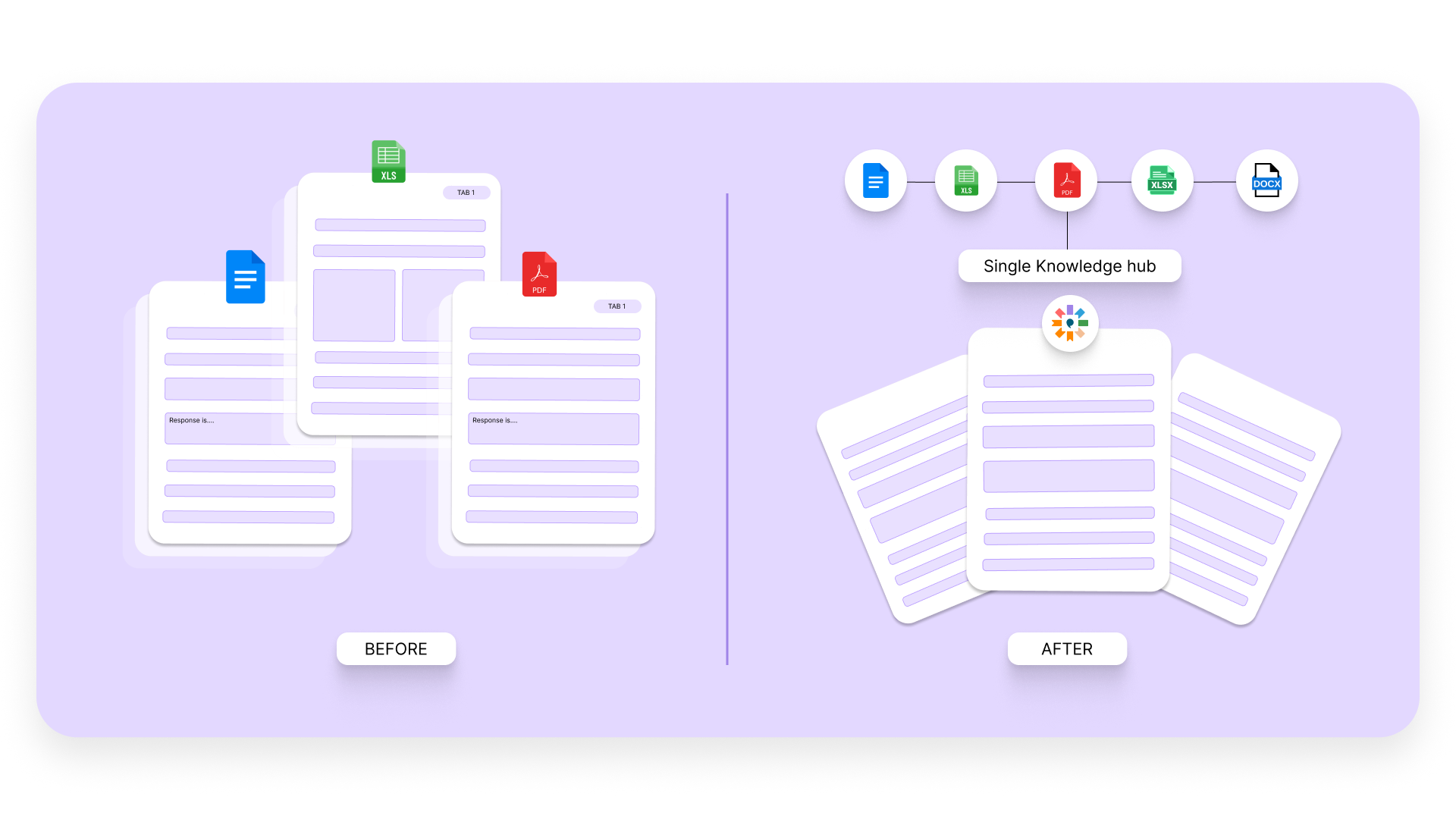
AI unifies all your RFP content, past responses, RFIs, and security questionnaires into a single platform. Easily find and reuse relevant information without hunting through emails or drives, saving time and reducing errors.
Intelligent Content Validation
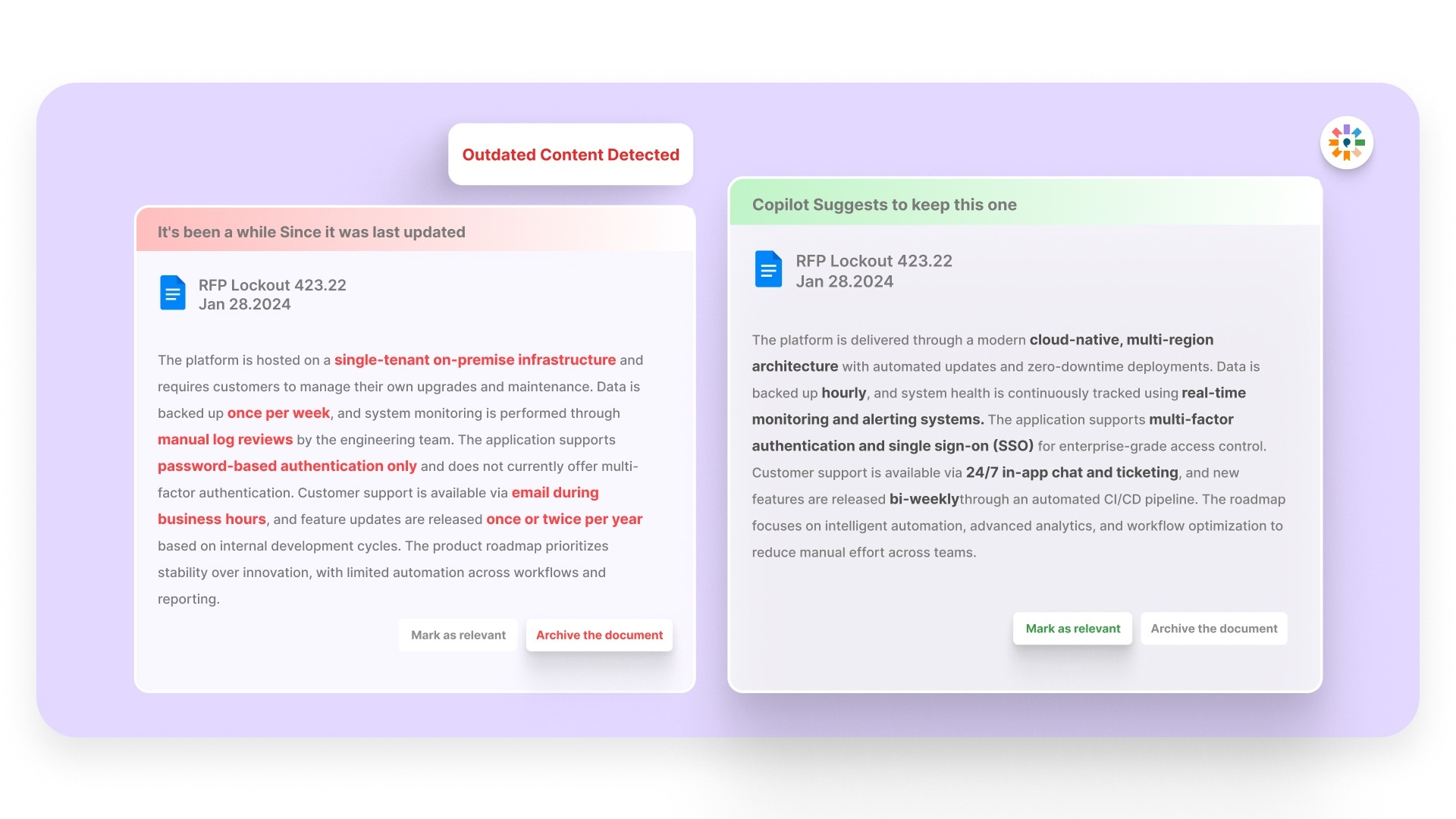
AI continuously checks content for relevance and accuracy, automatically flagging outdated or conflicting information. This ensures every proposal reflects the most current knowledge and offerings.
Context-Aware Response Generation
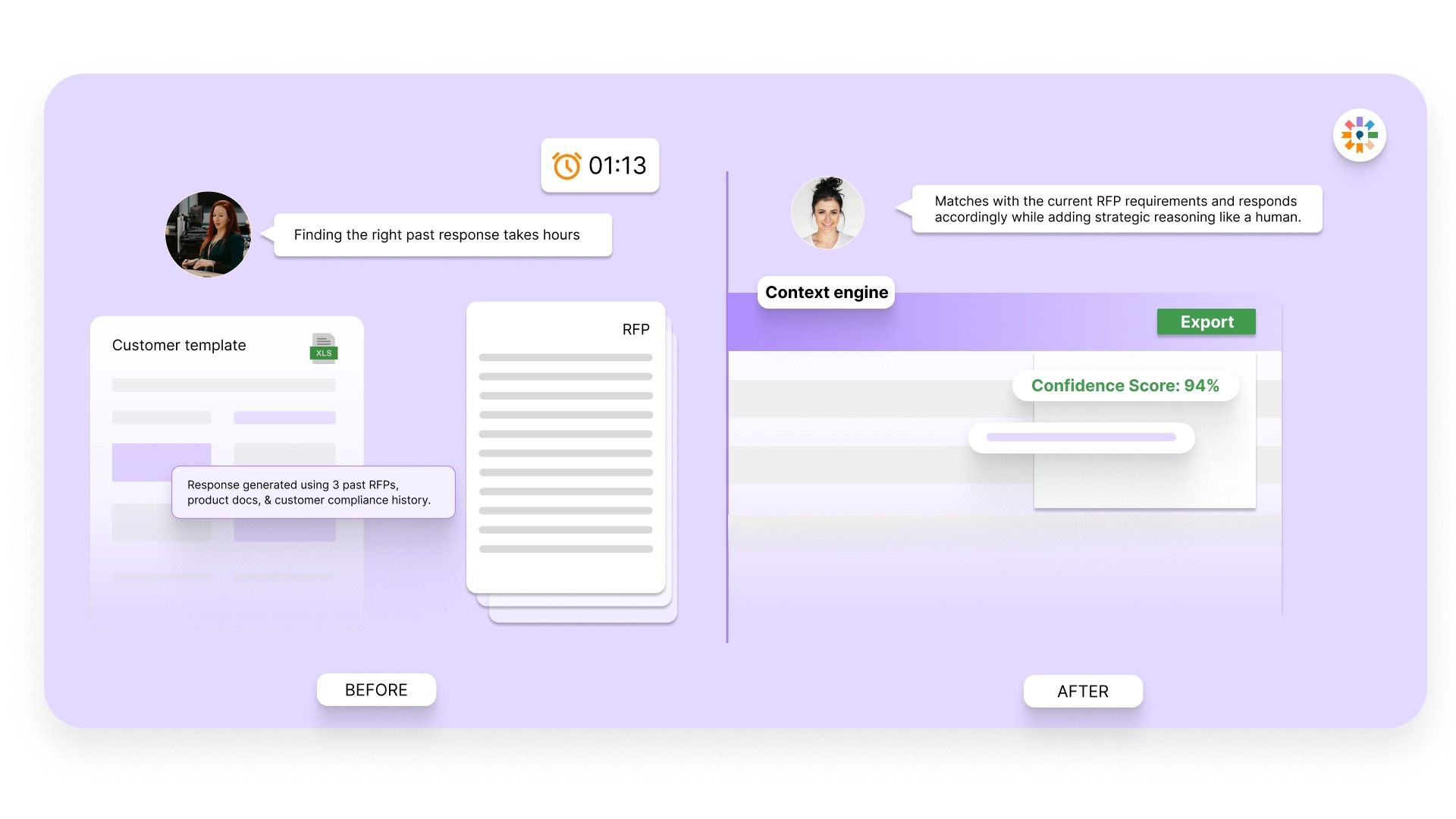
Inventive AI evaluates the entire RFP, including scope, compliance requirements, and evaluation criteria. Responses align with project-specific requirements rather than relying on static boilerplate, helping vendors achieve up to 50% higher win rates.
Seamless Real-Time Collaboration
Integration with tools like Slack and Microsoft Teams allows instant updates and teamwork. Sales, solutions, and proposal teams can contribute simultaneously, stay aligned, and avoid back-and-forth emails that delay submissions.
With AI RFP automation, you gain full transparency at every stage, respond faster, maintain consistent quality, and increase your chances of winning more deals.
Also Read: How to Develop Effective RFP Win Themes for Proposal Success
With AI RFP automation delivering full transparency, let’s see how Inventive AI takes it further to turn optimized processes into real RFP wins.
Turn Transparent Procurement Lifecycle Processes into RFP Wins with Inventive AI
Responding to RFPs, RFIs, and security questionnaires can be challenging, with scattered content, tight deadlines, and manual tasks slowing your team down and increasing the risk of errors. Inventive AI helps you handle these challenges efficiently by automating repetitive tasks, managing content, and accelerating collaboration.
2X Quality Response
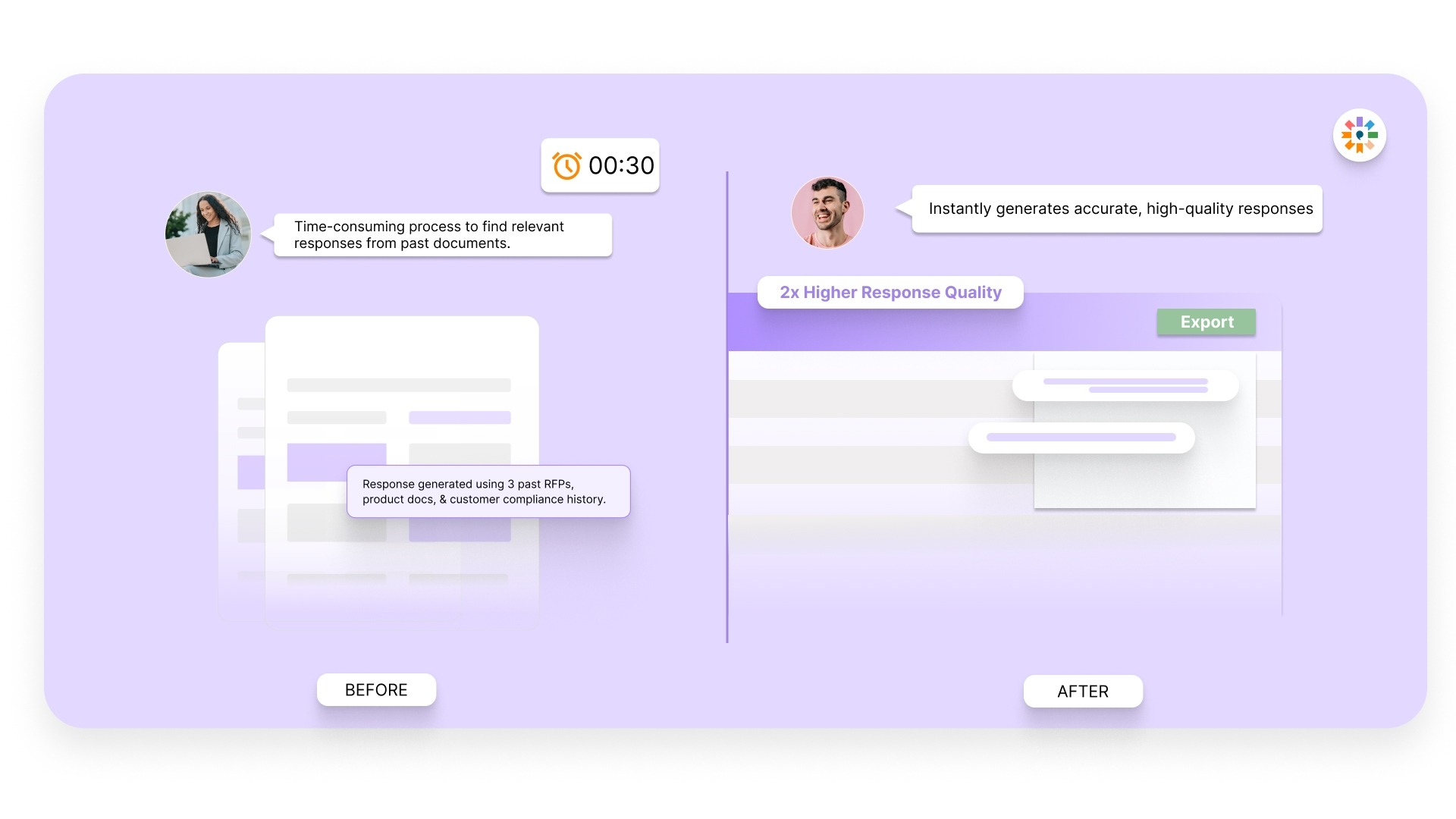
Inventive AI generates first drafts 10 times faster using your approved knowledge sources, ensuring structured, accurate, and consistent answers across all RFPs, RFIs, and security questionnaires.
Conflict Detection
It also automatically flags contradictory answers across sections or past submissions, preventing inconsistencies that could raise red flags during evaluation.
Outdated Content Detection
Inventive AI identifies stale or obsolete content in responses, ensuring that every answer reflects the most current products, services, and organizational information.
Narrative Proposal Generation
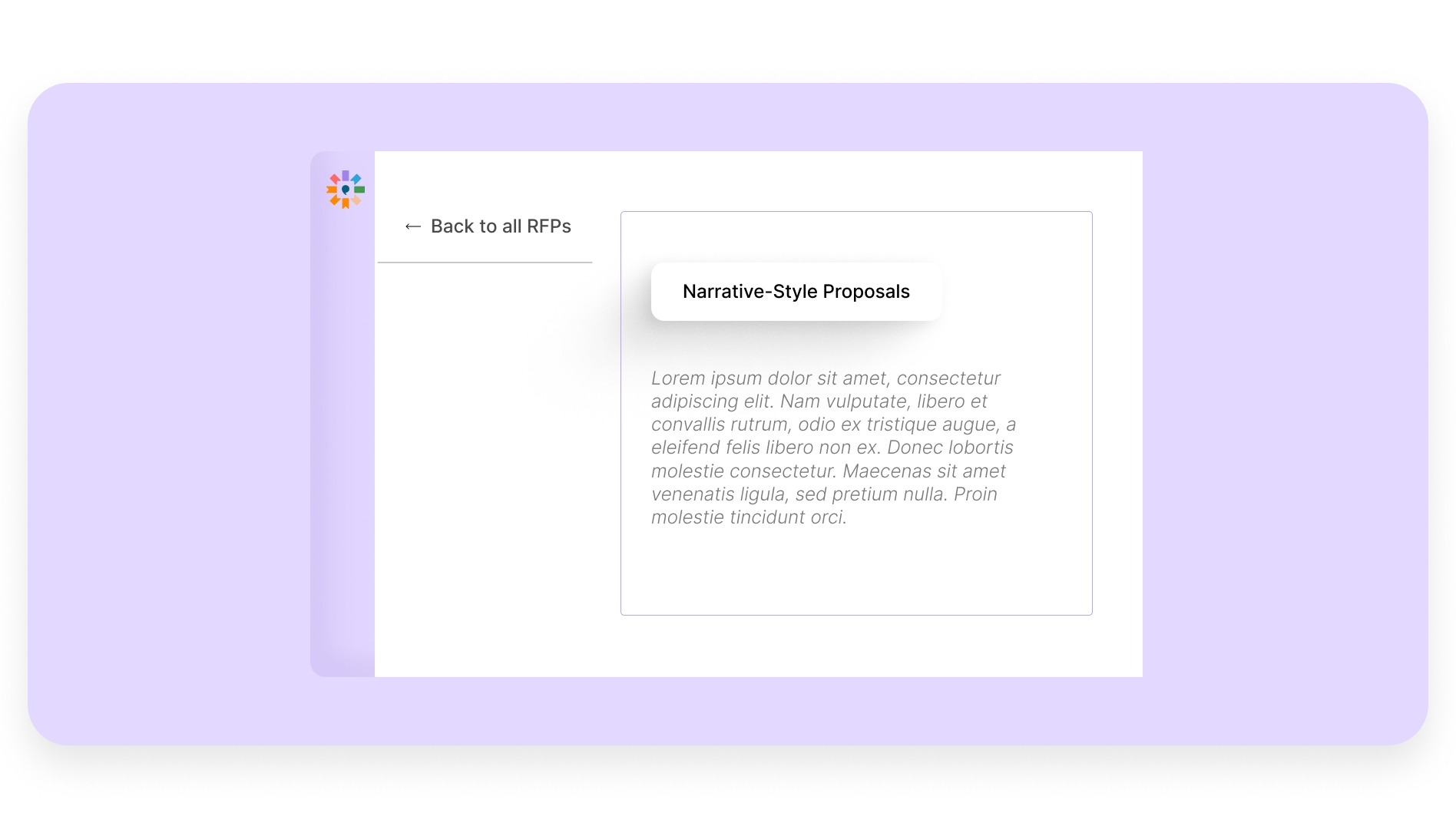
Beyond Q&A responses, Inventive AI generates executive summaries, methodology narratives, safety statements, and value-engineering explanations for full construction proposal documents.
Simple, Easy-to-Use Interface
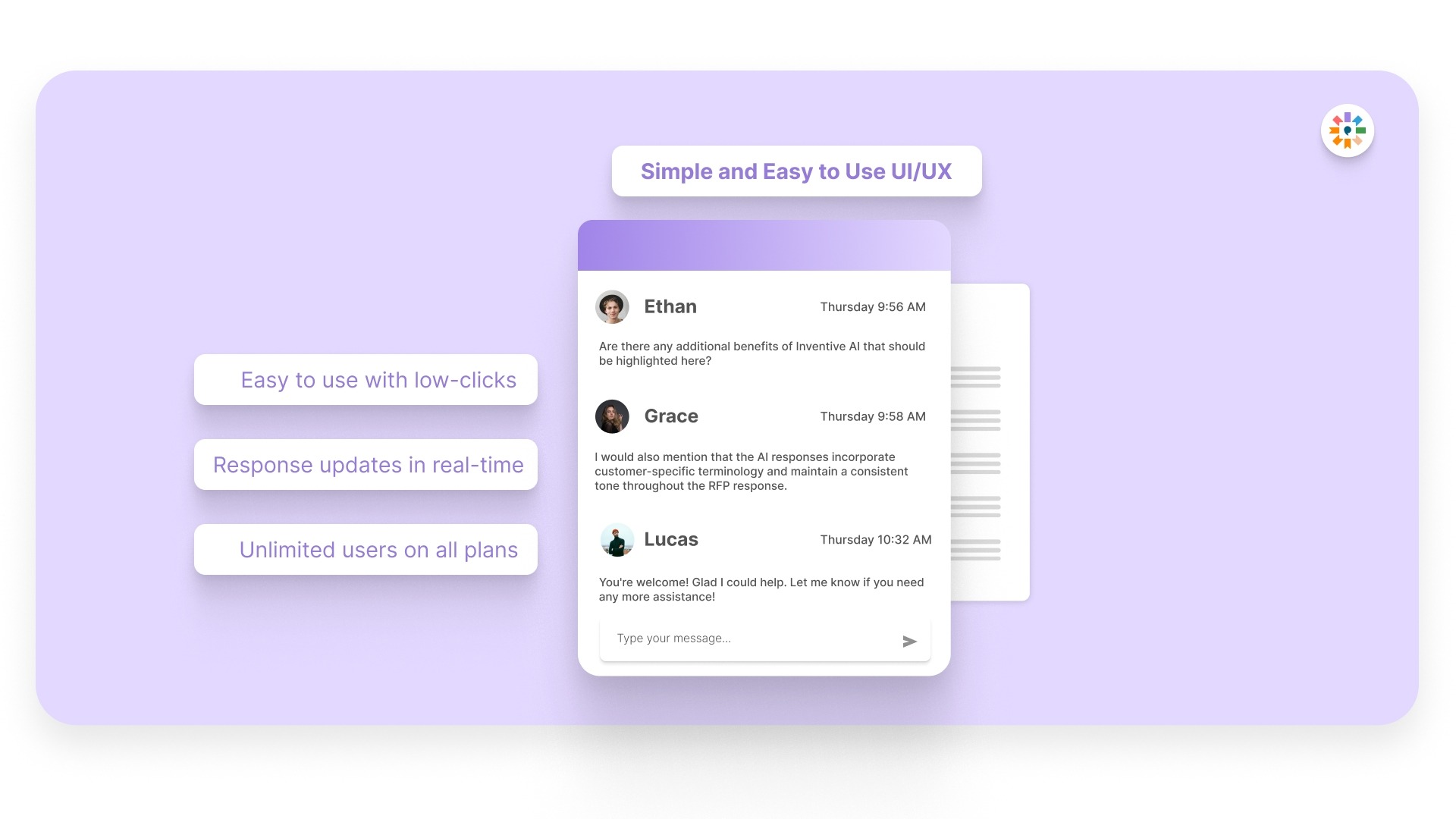
Provides a single, structured environment where all teams, including sales, proposal, and solutions, can collaborate seamlessly without juggling multiple tools or versions.
By moving from scattered documents to structured automation, RFIs become a repeatable process instead of a time-consuming scramble.
FAQs
1. How can I prioritize high-value RFPs with full transparency?
With full visibility into deadlines, evaluation criteria, and required inputs, you can quickly assess which RFPs offer the best ROI and allocate my team’s resources strategically to focus on opportunities that maximize win potential.
2. How do I track accountability across multiple teams during the RFP process?
By assigning clear owners to each task and using centralized dashboards or workflow tools, you can monitor progress, spot delays early, and ensure all team members stay aligned throughout the procurement lifecycle.
3. How can I reduce compliance risks while responding to RFPs?
Full transparency lets me reference approved templates, validated past responses, and regulatory requirements consistently, reducing errors, ensuring alignment with buyer standards, and minimizing the chance of disqualification during evaluation.
4. How do I collaborate effectively with external partners or subcontractors?
Using a centralized knowledge hub, you can provide partners with access to accurate, up-to-date information, coordinate seamlessly, avoid duplicated work, and maintain consistent messaging across all contributors.
5. How do I stay transparent when RFP requirements change frequently?
By tracking versions in a centralized system and enabling real-time notifications, you can adjust my responses promptly, communicate updates to all stakeholders, and maintain clarity and alignment even when requirements shift unexpectedly.

90% Faster RFPs. 50% More Wins. Watch a 2-Minute Demo.

Hardi Hindocha
Knowing that complex B2B software often gets lost in jargon, Hardi focuses on translating the technical power of Inventive AI into clear, human stories. As a Sr. Content Writer, she turns intricate RFP workflows into practical guides, believing that the best content educates first and earns trust by helping real buyers solve real problems.

Gaurav Nemade
After witnessing the gap between generic AI models and the high precision required for business proposals, Gaurav co-founded Inventive AI to bring true intelligence to the RFP process. An IIT Roorkee graduate with deep expertise in building Large Language Models (LLMs), he focuses on ensuring product teams spend less time on repetitive technical questionnaires and more time on innovation.