10 Best RFP Knowledge Management Software Platforms in 2026

Responding to RFPs is no longer just about speed. It is about accuracy, consistency, and confidence in every answer you submit. Yet for most vendor teams, proposal knowledge is still scattered across folders, old spreadsheets, Slack threads, and half-updated Q&A libraries.
This guide breaks down the top RFP knowledge management software in 2026. You will see how each tool handles knowledge reuse, where they fall short, and which platforms actually help you submit stronger, more consistent responses with less editing.
Key Takeaways
- RFP knowledge management software helps vendors reuse approved answers accurately across RFPs, RFIs, and security questionnaires without constant rewriting.
- This guide compares the top 10 RFP knowledge management tools in 2026, including Inventive AI, Responsive, Loopio, Qvidian, Tribble, and others, from a vendor’s perspective.
- The right platform is judged by first-draft usability, accuracy controls, governance, and support for security questionnaires and DDQs.
- All tools listed offer value in specific areas, but many rely on manual upkeep, validation, or review cycles as RFP volume grows.
- Inventive AI stands out by delivering submit-ready answers with faster responses, and better accuracy with no hallucinations.
Before looking at each tool in detail, it helps to compare them side by side:
| Tool | Features & Capabilities | Pricing | Rating |
|---|---|---|---|
| Inventive AI | Most advanced AI-powered RFP knowledge management platform in the market, delivering hyper-contextual answers, governed knowledge reuse, and built-in value statement responses, with accuracy-first controls. | Usage-based pricing | 5/5 |
| Responsive | Structured RFP workflows and content libraries, but response quality depends heavily on manual content maintenance and upkeep. | Subscription-based Pricing | 4.2/5 |
| AutoRFP AI | AI-assisted drafting and basic knowledge reuse, but navigation difficulties can make the process time-consuming. | Starts at $899/month | 4.8/5 |
| Loopio | An average content library and response workflows, with reported gaps in library management and magic functionality. | Starts at $20,000/ year | 4.4/5 |
| Qvidian (Upland) | Centralized proposal content management, but the performance is slow, making it a time-consuming process. | Subscription-based pricing | 4.7/5 |
| Tribble | AI-driven response acceleration with validation workflows, but output accuracy can vary depending on source quality, which means manual review is still required. | Contact for pricing | 4.9/5 |
| Arphie | AI-supported drafting with human review loops, but reporting features are inadequate for deeper analysis. | Subscription-based pricing | 5/5 |
| 1up | Searchable answer repository for RFPs and questionnaires, but with inaccurate responses to complex questions. | Starts at $300/month | 4.9/5 |
| SiftHub | Centralized answers with autofill and integrations, but limited features for complex documents, requiring manual adjustments. | Contact for pricing | 4.6/5 |
| RocketDocs | Document-centric knowledge reuse and categorization, but major formatting issues are reported that may affect response quality. | Contact for pricing | 4.3/5 |
What RFP Knowledge Management Software Means for Vendors?
RFP knowledge management software is a system that captures, organizes, and governs your approved proposal content so your team can reuse it accurately across RFPs, RFIs, and security questionnaires. For vendors, it decides whether your proposal team spends hours rebuilding answers or submits confident, consistent responses on time.
At its core, this type of software should help you:
- Find approved answers quickly without digging through old files
- Reuse content without risking outdated or conflicting information
- Maintain consistency across RFPs, RFIs, and security questionnaires
- Reduce dependency on busy SMEs for repeat questions
- Protect differentiators and value statements across deals
The problem is that many tools stop at storage or basic automation. They help you retrieve content, but they do not ensure the answer is usable, accurate, or aligned with the current customer context. That gap is where response quality breaks down.
The tools below approach this challenge in very different ways.
The 10 Best RFP Knowledge Management Platforms in 2026
Stop losing hours hunting for files while deadlines loom. Use these 10 platforms to turn scattered data into accurate, submit-ready bids faster.
Inventive AI
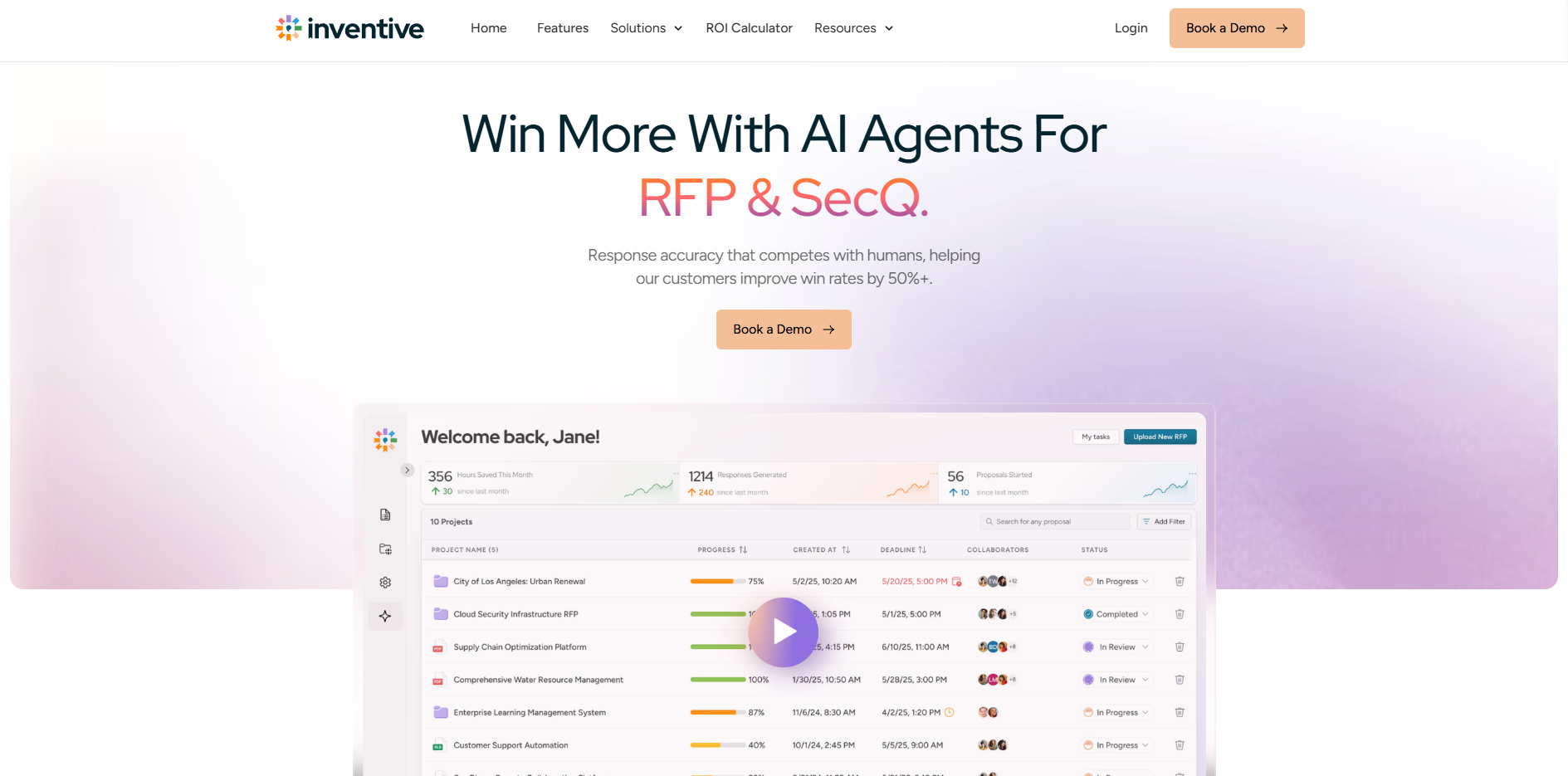
When your “knowledge base” lives in folders, old Excel files, Slack threads, and half-updated Q&A libraries, you do not have a knowledge problem. You have a consistency problem.
Inventive AI’s AI RFP Agent is built for vendor teams that need answers they can actually submit. It turns approved content into usable, on-brand responses. This includes value statements, not just facts. You spend less time rewriting and more time shipping submissions.
Key strengths of Inventive AI
1. Double the Response Quality
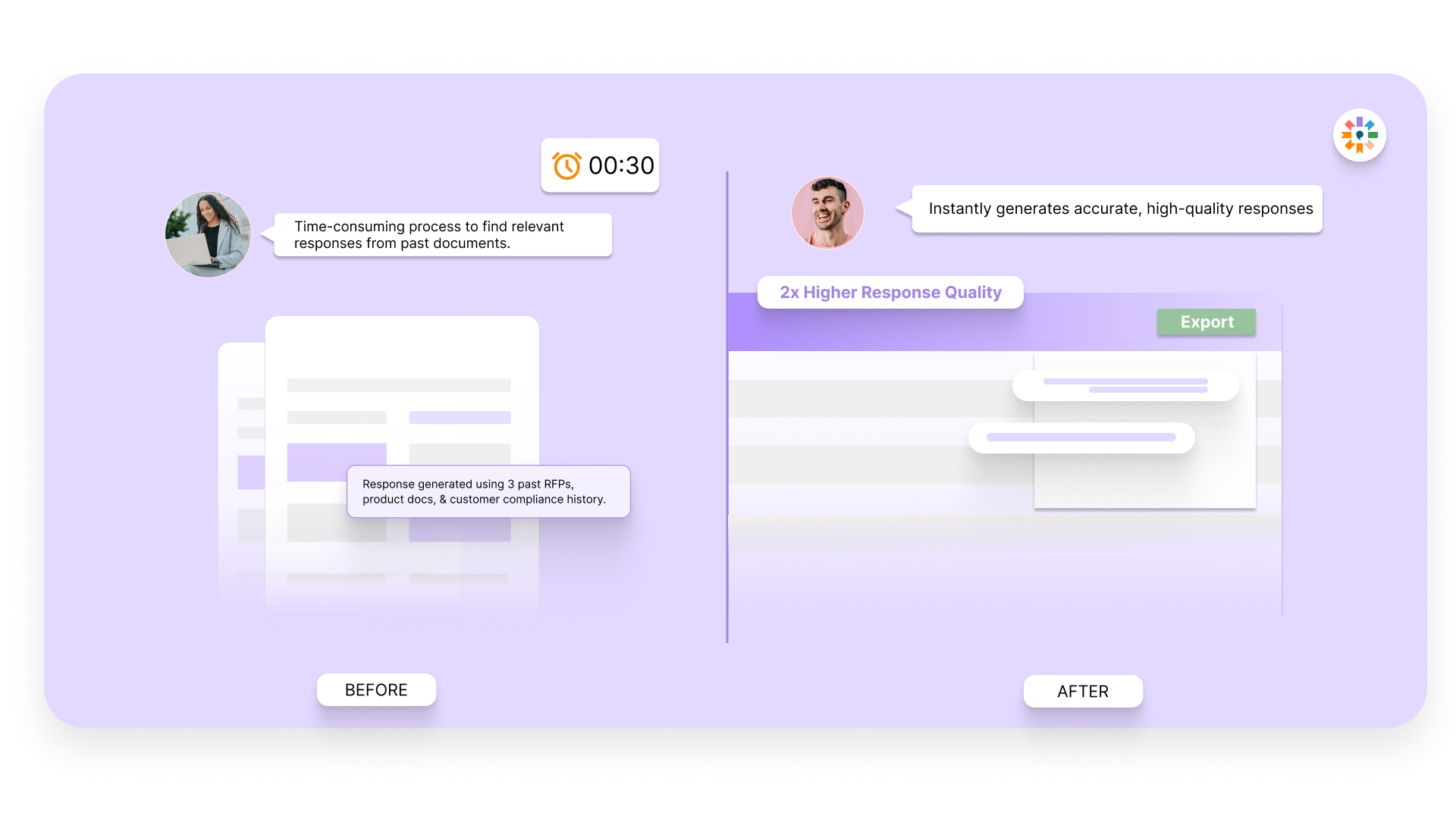
Responses generated by Inventive AI are usable right from the first draft. Teams no longer need to spend valuable hours revising or rewording the content. With up to 2x better quality, answers require minimal rewriting, allowing you to accelerate proposal timelines without sacrificing consistency or precision.
2. Context-Aware Responses
.jpg)
Inventive AI understands the intent behind RFP questions, making it more than just a keyword-matching tool. Its context-aware capabilities ensure responses are aligned with the nuances of the RFP, making them more relevant and tailored to each customer, rather than generic one-size-fits-all answers.
3. Instant Conflict Detection
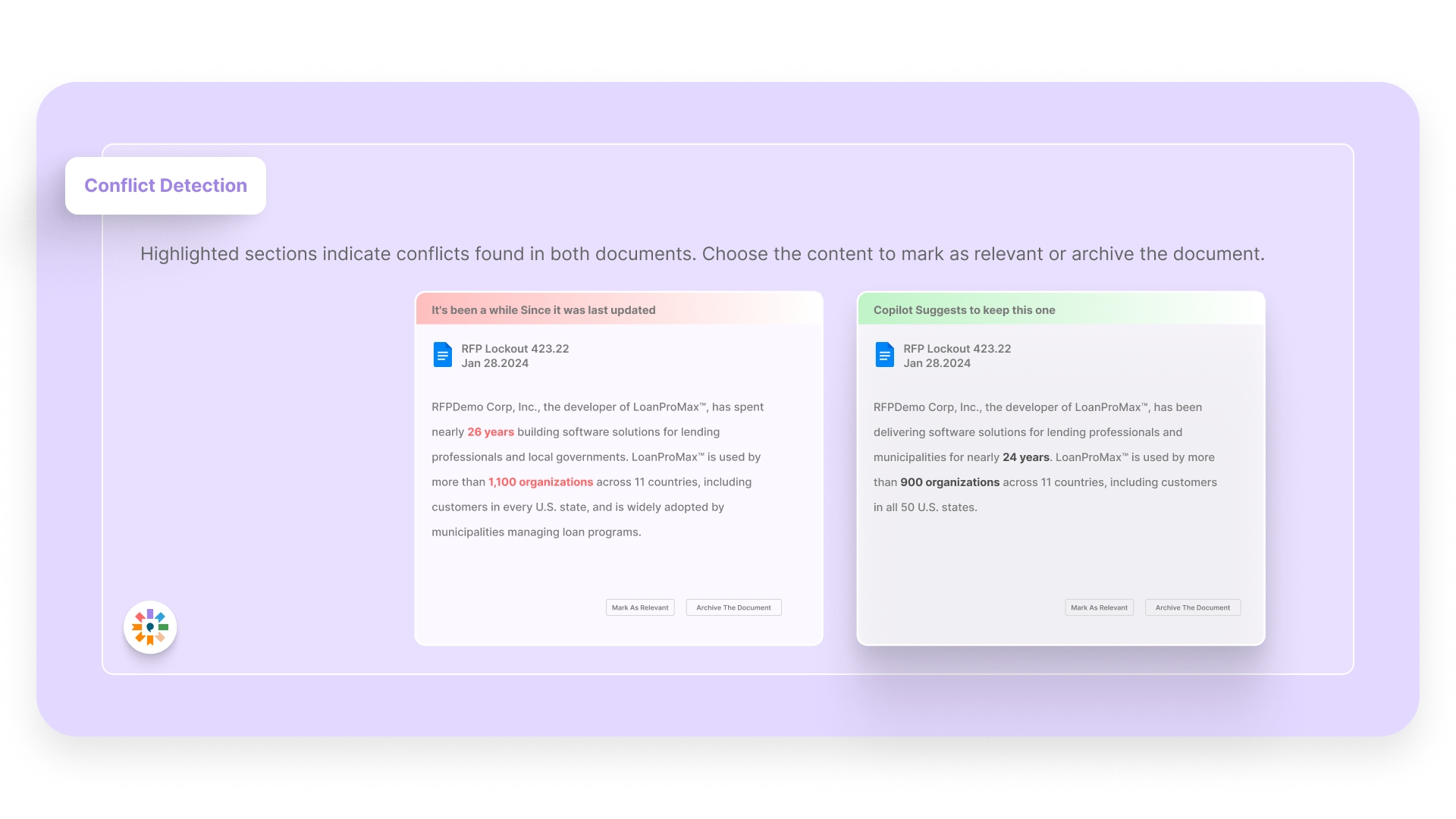
Before you even submit a proposal, Inventive AI detects conflicting or inconsistent responses. This instant conflict detection reduces the risk of errors, ensuring that the content you submit is not only accurate but also cohesive across various RFP sections.
4. Outdated Content Detection
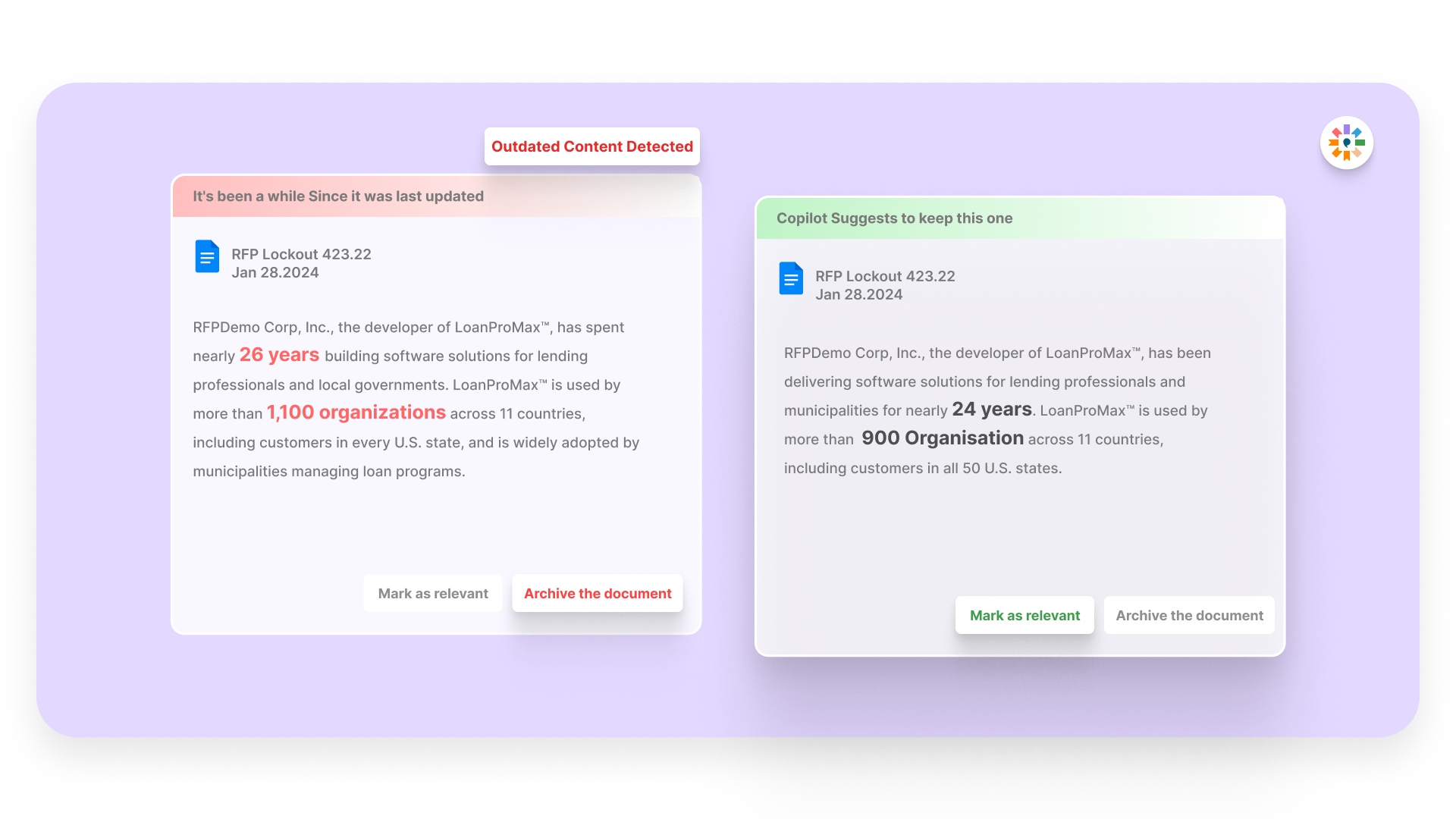
Outdated or inaccurate content can undermine your credibility. Inventive AI continuously checks for outdated content, alerting teams when responses need updating, and ensuring that every proposal reflects the most current and approved information.
5. Cohesive Narrative-Style Proposals
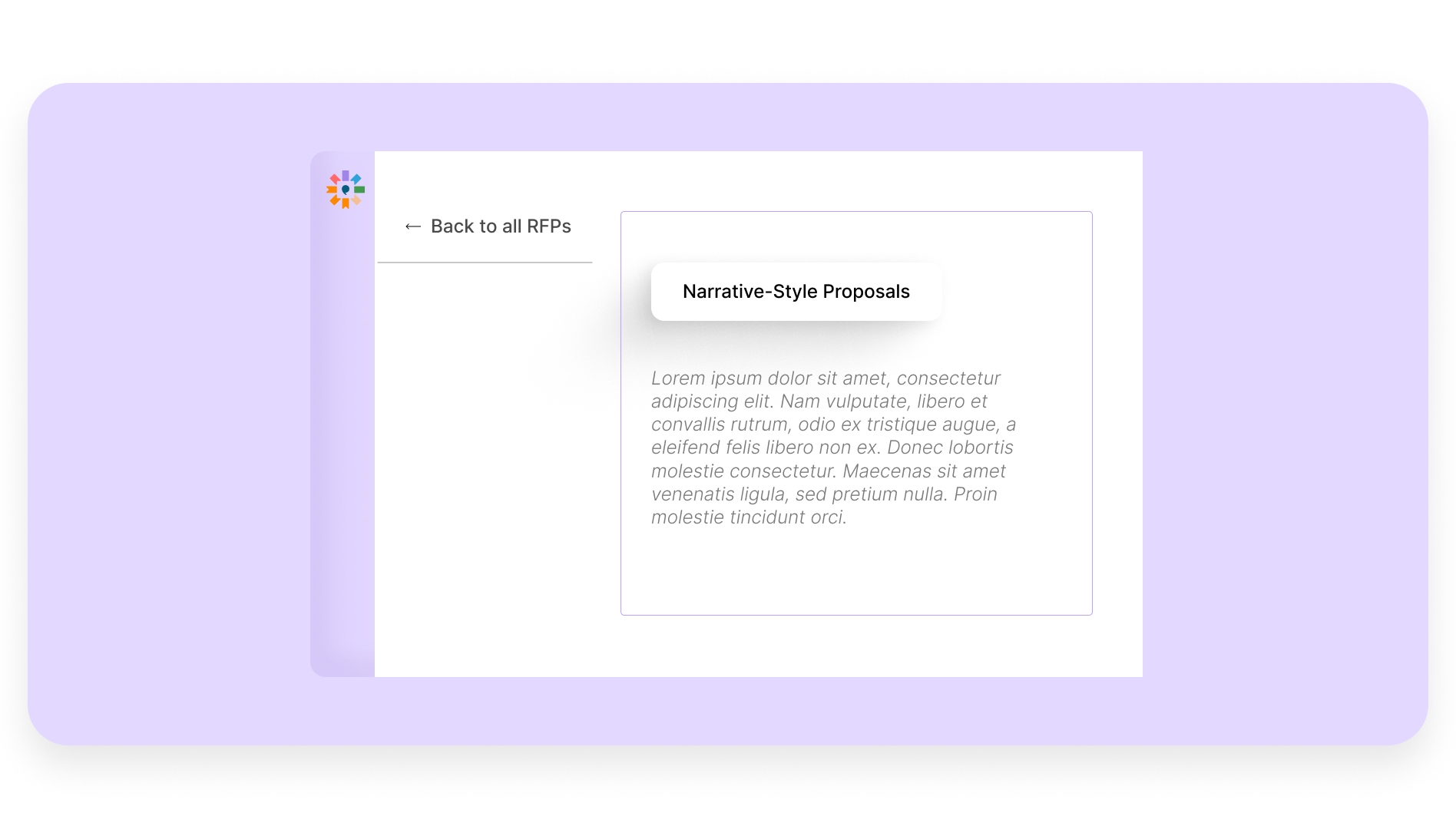
Inventive AI stops your bids from looking like a messy cut-and-paste job. It builds smooth, natural proposals that actually make sense to a reader. Every answer links to the next one. This tells a clear story to the buyer instead of just giving them a list of random facts.
What Makes Inventive AI Stand Out
1. 90% Faster Response Times
With Inventive AI, the typical proposal cycle is shortened drastically. 90% faster response times mean your team can meet deadlines with ease, allowing you to submit high-quality proposals at lightning speed, even under tight timelines.
2. 66% of Answers Need Near-Zero Editing
The AI is built to create answers that are close to final draft quality from the start. 66% of responses generated by Inventive AI require little to no editing, enabling proposal teams to focus on refining value propositions rather than rewriting answers from scratch.
3. 50% Increase in Win Rates
Teams using Inventive AI have reported up to a 50% increase in win rates, thanks to the consistency and higher quality of their responses. By delivering polished, on-brand content that directly addresses RFP requirements, Inventive AI increases your chances of standing out and winning business.
4. Scalability for All Team Sizes
Whether you're a startup with limited proposal resources, a mid-market SaaS vendor handling frequent security questionnaires, or an enterprise team coordinating between Sales, Solutions, and InfoSec, Inventive AI scales with your needs. It works seamlessly across teams of all sizes, ensuring that even with limited resources, your proposals remain top-notch.
The Limitations Of Inventive AI
1. Limited Analytics
While Inventive AI excels in drafting and proposal accuracy, some users have noted that the analytics capabilities are more limited compared to some competitors.
Best For
1. Startups with Lean Proposal Resources
Inventive AI’s ability to generate high-quality, context-aware responses with minimal manual effort makes it perfect for lean teams who need to maximize output with limited resources.
2. Mid-Market SaaS Vendors
Teams handling regular security questionnaires and RFPs can streamline their proposal process, ensuring quick turnaround times without compromising on accuracy or detail.
3. Enterprise Teams with Complex Proposal Workflows
Inventive AI offers robust scalability, making it ideal for large teams in need of cross-functional coordination, especially in industries where RFPs require consistent value statements and accurate, secure responses.
4. Vendors Standardizing Win Themes Across Proposals
For teams looking to maintain consistency in their value messaging across multiple proposals, Inventive AI ensures that each response aligns with the company’s key differentiators and win themes.
5. Teams Under Deadline Pressure
With its fast turnaround times and accurate first drafts, Inventive AI is designed for teams that face high-pressure deadlines and need reliable, high-quality responses quickly.
Pricing
| Plan Type | Pricing |
|---|---|
| Usage-based pricing | Varies by usage and team size |
Ratings and Reviews
Rating: 5/5

If your priority is submit-ready answers with consistent value messaging, Inventive AI is built for that reality.
Responsive
This platform centers on response projects, collaboration, and managing RFP workflows across teams. It supports a structured process, but many teams still need ongoing upkeep to keep the content library clean and the AI output dependable.
Key Strengths of Responsive
1. Central Content/Profile Library: The centralized content library allows teams to easily store and retrieve information, making it easier to maintain consistency across proposals. The Profile Center centralizes key content, improving the efficiency of response creation.
2. Proposal Creation/Build Tools: Responsive provides tools for proposal creation and building, allowing proposal teams to quickly assemble and customize responses, simplifying the overall proposal development process.
What Makes Responsive Stand Out
1. Workflow Structure for Proposal Teams: Responsive's workflow management capabilities offer a structured approach to handling proposal projects. This system ensures that proposal teams stay on track, improve collaboration, and efficiently meet deadlines.
2. Helps Coordinate Collaboration Across Stakeholders: The platform’s features foster collaboration across multiple stakeholders, including Sales, Legal, and SMEs, enabling teams to work together efficiently. It ensures that everyone is aligned, making it easier to create cohesive and accurate proposals.
The Limitations of Responsive
1. Inaccurate Responses: Despite its structured workflow, many users report inaccurate auto-generated responses, which often require substantial manual revisions. This limitation increases the manual correction effort, making the tool less efficient for teams that need high-quality, ready-to-submit responses quickly.
2. Spreadsheet Imports Can Be Problematic for Some Workflows: Spreadsheet imports can be cumbersome, especially for teams with large datasets or complex workflows. This issue can create friction during the initial setup phase or when trying to integrate content from existing databases, leading to delays and complications.
3. Output Quality Often Depends on Content Hygiene and Maintenance: The quality of responses generated by Responsive heavily relies on the cleanliness and organization of its content library. If the content isn’t properly maintained and updated, it may result in low-quality responses or inconsistent messaging across proposals.
Best For
Responsive is best suited for:
- Teams with formal governance requirements
- Vendors handling high volumes of similar/repetitive questionnaires
- Compliance-driven industries with strict approval needs
- Teams prioritizing consistency over customization
Pricing
| Plan Type | Pricing |
|---|---|
| Subscription | Contact for pricing |
Ratings and Reviews
Ratings: 4.3/5
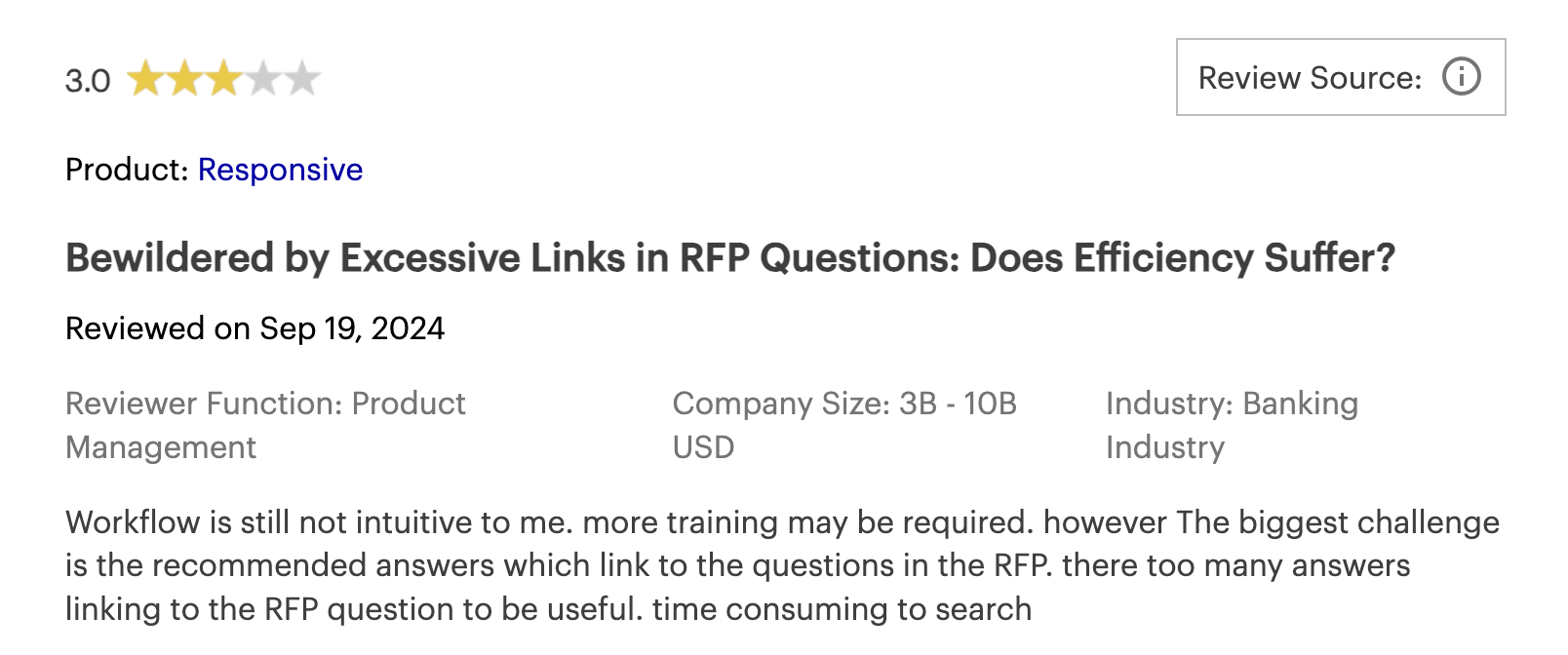
This is a workflow-first option if your team wants structure, and you can commit to ongoing library upkeep.
AutoRFP AI
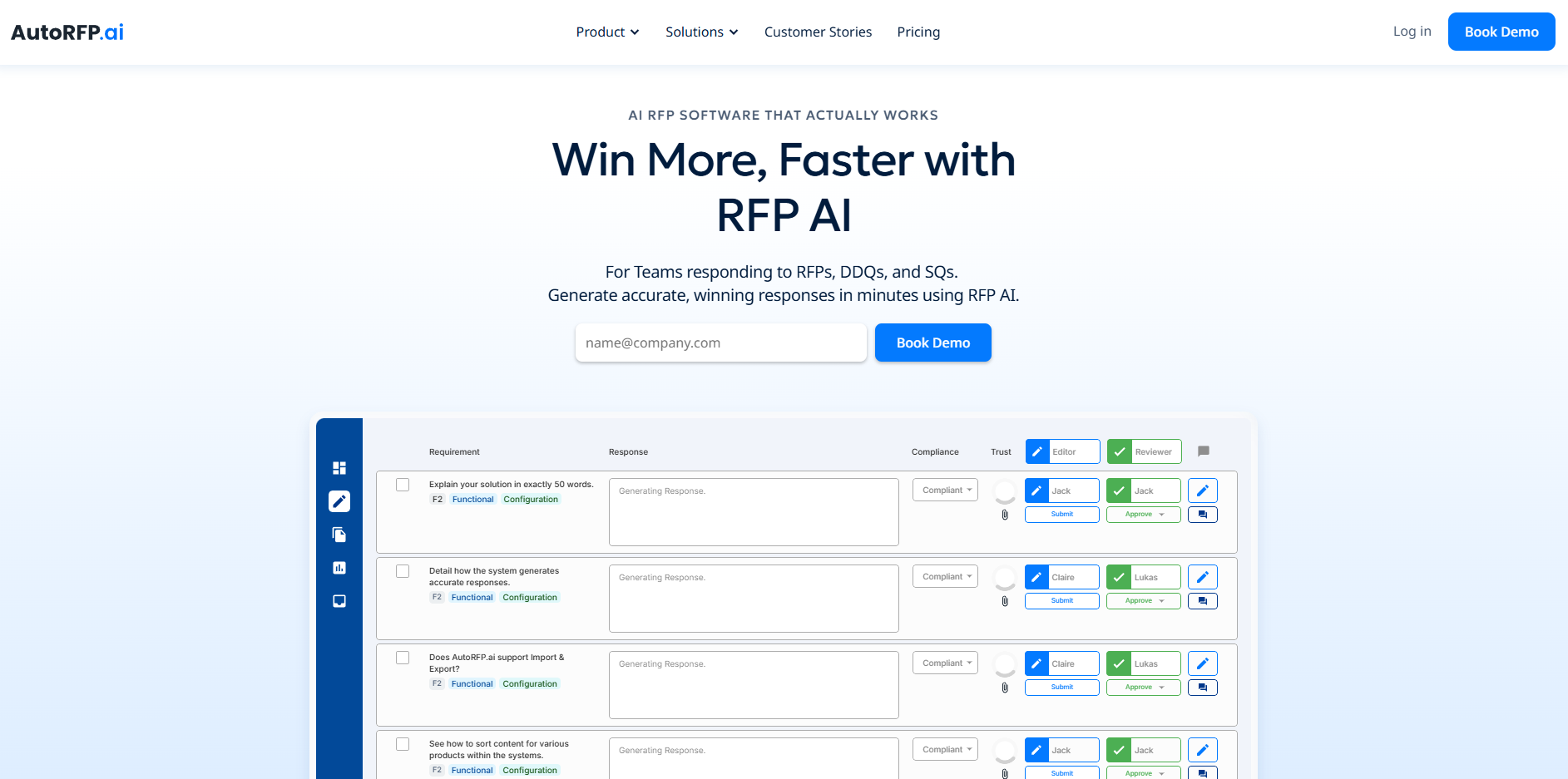
This platform is an RFP software with drafting, collaboration, and integrations into common knowledge sources.
Key Strengths of AutoRFP AI
1. AI Drafting for Responses: It uses AI to automate the drafting process, speeding up the creation of responses. It helps teams get a head start on their proposals, reducing the time spent on manual writing.
2. Collaboration: The platform facilitates real-time collaboration between editors, reviewers, and other stakeholders. This ensures that everyone stays aligned and can contribute seamlessly to the proposal process.
3. Integrations with Common Tools: It offers integrations with tools like Slack, Teams, Confluence, SharePoint, Notion, and Salesforce. These integrations streamline workflow and enhance communication, ensuring the tool fits into existing team infrastructures.
What Makes AutoRFP AI Stand Out
1. Time-Saving for Drafting and Response Workflows: It is good at saving time by automating drafting, which helps proposal teams complete responses faster. It accelerates the process of generating drafts and simplifies workflows, making it a good choice for teams looking to speed up their RFP responses.
2. Helpful Collaboration Experience for Teams: The platform fosters a strong collaboration environment, allowing teams to work together effectively. This is particularly beneficial for teams with multiple stakeholders who need to contribute, review, and finalize proposals in a coordinated manner.
The Limitations of AutoRFP AI
1. Inaccurate Responses: Despite its AI-powered drafting capabilities, many users report that the platform occasionally generates inaccurate responses. This increases the manual correction effort, which can make the tool less efficient for teams that rely on accuracy and minimal edits.
2. UI/Interface Design Concerns: Users frequently mention that the user interface and design are not very intuitive. Navigating the platform can be complicated, leading to a slower adoption process and additional learning friction for teams.
3. Learning and Usability Friction: While it can speed up drafting, many users have experienced challenges with the learning curve and usability. The friction in navigating the platform can hinder the overall adoption rate, slowing down the proposal process.
Best For
AutoRFP is best suited for:
- Small to mid-sized teams prioritizing faster drafts
- Vendors new to AI-assisted tender responses
- Teams with simpler tender requirements
- Organizations willing to invest time in onboarding
Pricing
| Plan Type | Pricing |
|---|---|
| Subscription | Starts at $899/month |
Ratings and Reviews
Ratings: 4.9/5
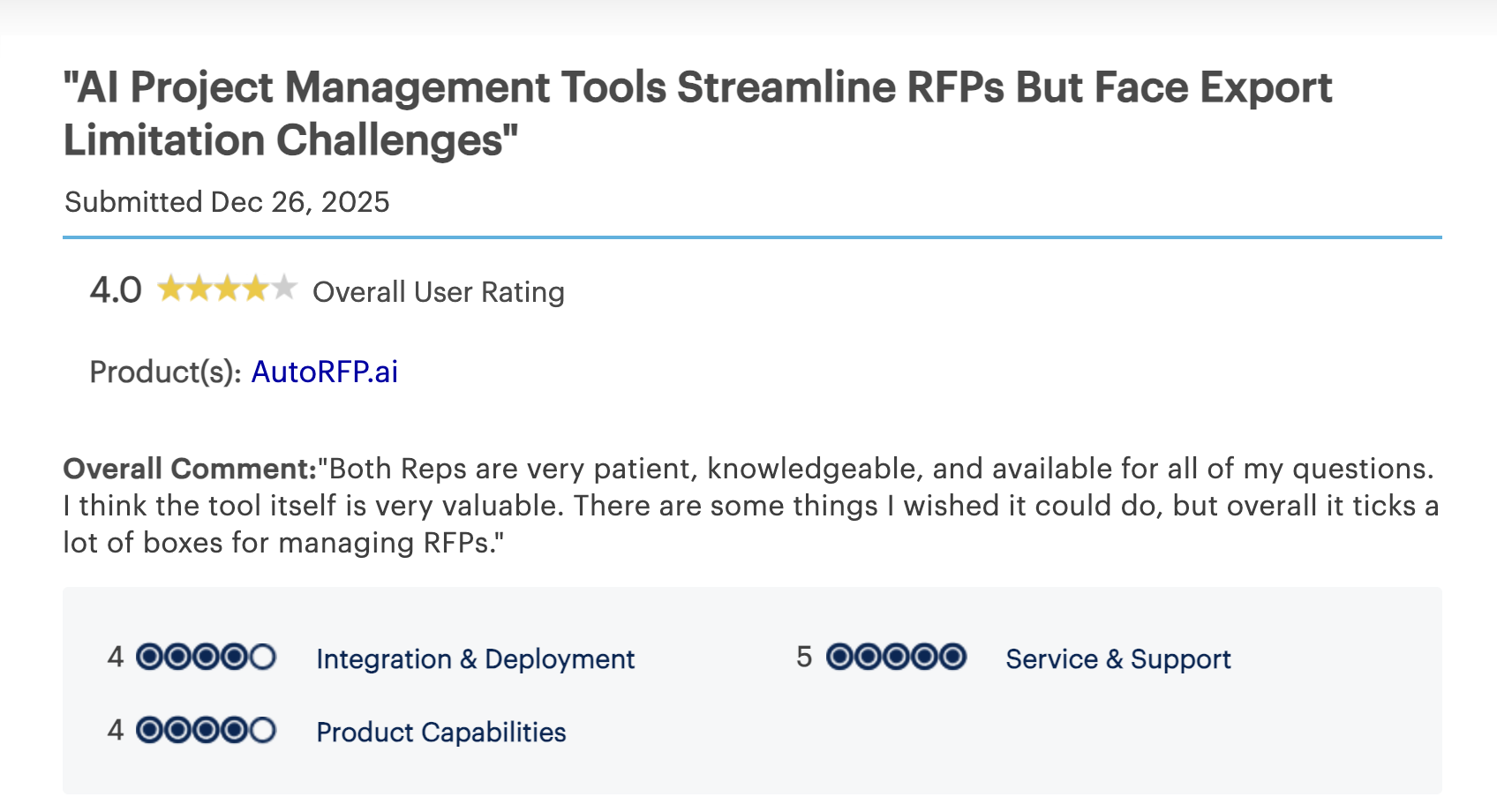
It can speed up drafting, but usability and navigation are common friction points noted by reviewers.
Loopio
This platform is known for its structured content library approach, along with automation features meant to speed up reuse. It also offers integrations and an extension to help respond in web portals.
Key Strengths of Loopio
1. Content Library with Import and Categorization: Its content library is good, allowing teams to import and categorize answers efficiently. The intelligent import feature helps streamline content management, making it easier to reuse answers across proposals.
2. Response Automation Capabilities: It offers response automation, using past answers to generate draft responses automatically. This feature allows proposal teams to reuse content quickly, saving time in the drafting process.
3. Integrations and Extension for Portal Responses: It integrates with various platforms and offers an extension to help with portal responses and library searches. This ensures that teams can easily access the content they need for proposals and submit them via web portals.
What Makes Loopio Stand Out
1. Strong Reuse Workflows When the Library is Well Maintained: It provides reuse workflows, ensuring that proposals are consistent when the content library is well-maintained. The platform allows teams to create efficient workflows for proposal responses, streamlining the reuse of answers across different sections.
2. Support Experience: It is frequently praised for its customer support, making it a good choice for teams that may need assistance while navigating the platform. Many users find the support team to be responsive and helpful, enhancing the overall user experience.
The Limitations of Loopio
1. Setup and Taxonomy Requires Deliberate Effort: One of the major drawbacks is that the setup and taxonomy require considerable effort upfront. Teams often experience this issue during onboarding, which can delay the initial implementation process.
2. Customer-Specific Nuance Requires Human Review: While it is great for general reuse, it still requires human review for customer-specific nuance. Differentiated value messaging may not be fully captured by the platform, requiring manual intervention to tailor responses to specific clients or RFPs.
3. Extensibility and Workflows Can Introduce Process Overhead: As teams grow and the content library expands, extensibility and workflow complexity can create process overhead. This can lead to inefficiencies as the library grows, making it more difficult to manage and maintain the platform over time.
Best For
Loopio works best for:
- Mid-to-large teams with fixed proposal processes
- Vendors responding to repetitive tenders with similar requirements
- Organizations prioritizing workflow control over deep customization
- Teams with dedicated content owners maintaining libraries
Pricing
| Plan Type | Pricing |
|---|---|
| Subscription | Starts at $20,000/ year |
Ratings and Reviews
Ratings: 4.4/5
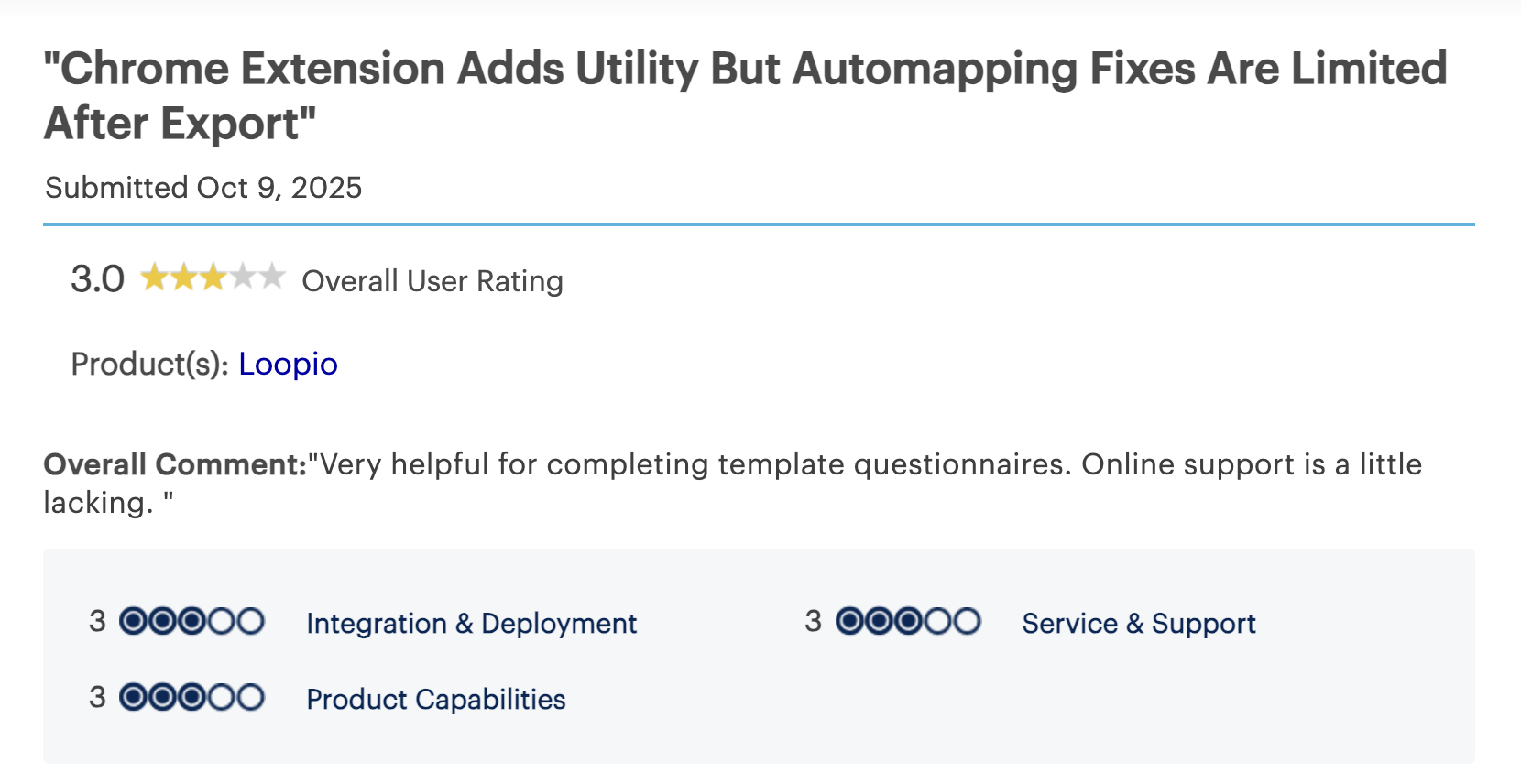
Suggested Alternative: Inventive AI
If Loopio’s governance and taxonomy work feels heavy for your team, Inventive AI is the stronger alternative because it is designed around usable answers (not library administration), with 66% of responses needing near-zero editing, and consistent handling of value statements.
This works best when you have the time and discipline to build and maintain a well-tagged library.
Qvidian (Upland)
This platform is positioned around proposal and RFP response management with content library features, automation, and collaboration. It also supports setting content expiration dates on records.
Key Strengths of Qvidian (Upland)
1. Proposal/RFP Content Library and Management: It offers a centralized content library for managing RFP and proposal responses. The system allows teams to store, organize, and retrieve content quickly, ensuring consistency across proposals.
2. Automation and Collaboration for Response Workflows: It supports automation for drafting and response workflows, which helps teams save time and ensure that the process stays on track. It also promotes collaboration among different stakeholders, improving efficiency in the proposal process.
3. Ability to Assign Content Expiration Dates and Track Usage: One of the standout features is the ability to assign content expiration dates, allowing teams to keep track of when content was last used and whether it’s still relevant, thus ensuring that only the most current information is used in proposals.
What Makes Qvidian (Upland) Stand Out?
1. Content Management and Database-Style Organization: Its database-style organization is good, especially for large teams managing vast amounts of proposal content. The content library structure helps users quickly locate and reuse information, making it a time-saving solution for complex RFPs.
2. Proposal/RFP Management Structure: The platform's structured proposal and RFP management system is valued for its clarity and organization. Teams can follow a well-defined workflow, making it easier to manage proposal submissions and collaborate across departments.
The Limitations of Qvidian (Upland)
1. Not Intuitive / Complex Navigation: The platform can feel non-intuitive, with a complex navigation system. This can slow down adoption and make it harder for teams to quickly get up to speed with the platform.
2. Slow Performance: One recurring issue noted by users is the slow performance of the platform. Teams have experienced delays in accessing content and generating responses, which can be frustrating, especially when working under tight deadlines.
3. Reporting Could Be More User-Friendly: While it offers reporting features, many reviewers mention that the reporting system could be more user-friendly. Users are looking for more insightful and actionable data that can help improve their RFP response processes.
Best For
Qvidian is best suited for:
- Enterprises with strict governance needs
- Compliance-driven industries
- Teams prioritizing control and standardization
- Organizations with dedicated proposal operations
Pricing
| Plan Type | Pricing |
|---|---|
| Subscription | Subscription-based pricing |
Ratings and Reviews
Ratings: 4.7/5
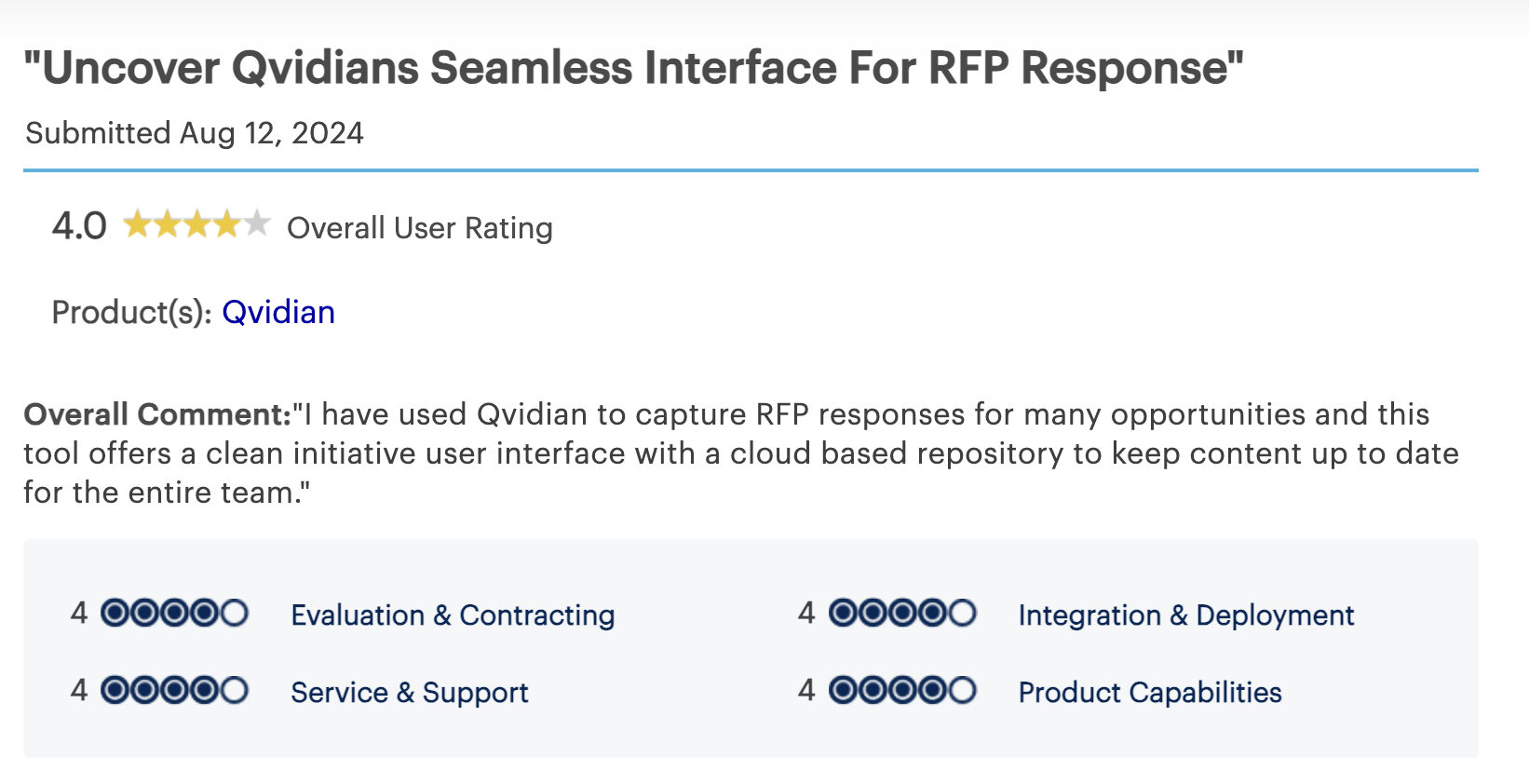
This is a content-management-heavy option, but usability and speed concerns show up frequently in user feedback.
Tribble
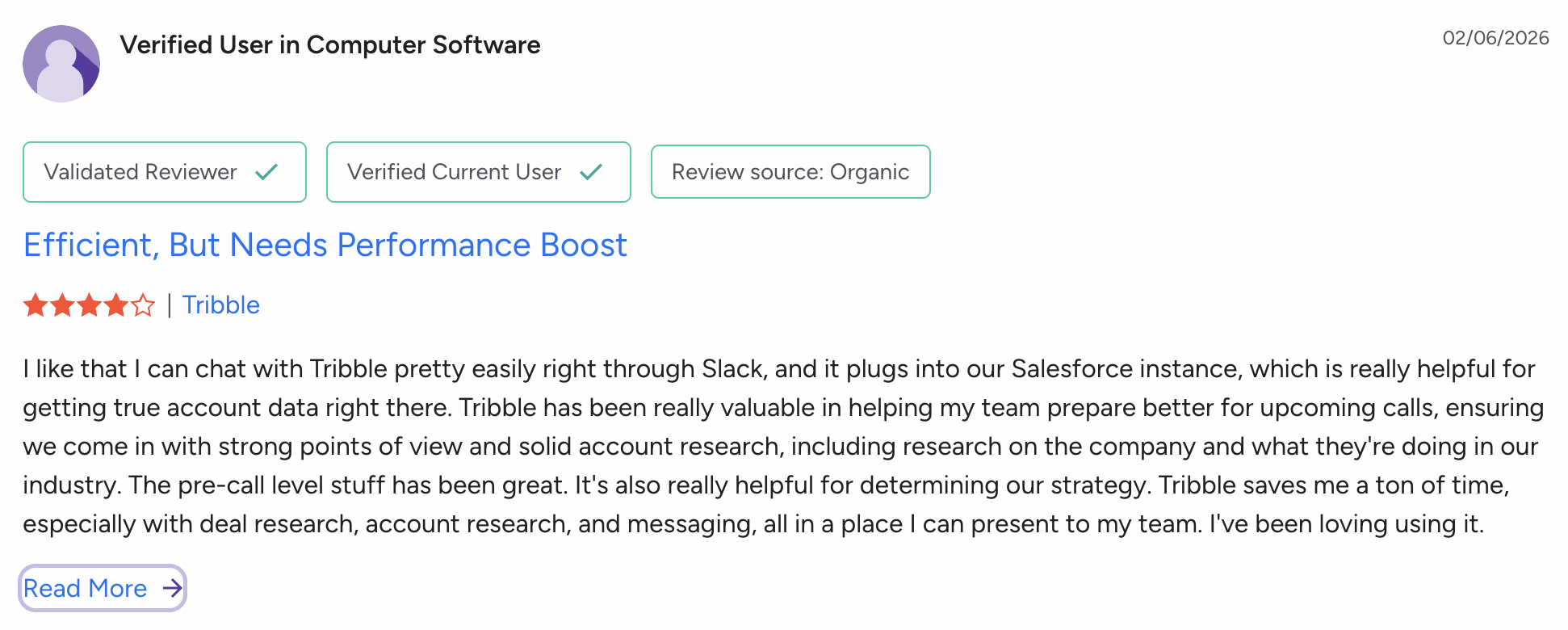
This platform is designed to accelerate responses using AI and search-driven knowledge retrieval. Reviewers highlight time savings, but also note accuracy issues that require manual checking.
Key Strengths of Tribble
1. AI-Assisted Answering: Tribble uses AI-assisted answering to speed up the proposal drafting process. The AI helps generate initial drafts, saving time and effort for proposal teams by offering a foundation for responses.
2. RFP Workflow Support: It offers workflow support for managing RFPs, helping teams organize the response process and collaborate more effectively. This feature ensures that teams stay on track and manage deadlines better.
What Makes Tribble Stand Out?
1. Strong Time-Saving Feedback: It receives positive feedback for its time-saving capabilities. The AI-assisted drafting and efficient search features significantly reduce the time spent on response creation, making it a great tool for teams looking to speed up their proposal processes.
2. Search Efficiency: It's easy to find the information they need quickly, helping them stay focused and avoid wasting time digging through outdated content.
The Limitations of Tribble
1. Inaccurate Responses: Its AI-generated responses can sometimes be inaccurate. Many users report that the tool requires manual checks and rephrasing of responses, which undermines the time-saving benefits of the AI.
2. Limited Features: Its feature set is considered limited by some users. The platform may not support all the complex features that larger teams need for managing RFPs at scale, requiring more manual work in certain cases.
3. Setup/Training Friction: Some users mention setup and training friction as a challenge with Tribble. The platform can be difficult to implement, and teams often need extra time to become proficient, which can slow down the initial adoption phase.
Best For
- Small to mid-sized teams looking for basic RFP automation tasks.
- Businesses that need a tool to save time and improve team collaboration without requiring advanced customization or features.
- Teams that prioritize simplicity and want to get up and running quickly.
Pricing
| Plan Type | Pricing |
|---|---|
| Custom pricing | Contact for Pricing |
Ratings and Reviews
Rating: 4.9/5
Suggested Alternative: Inventive AI
If the manual verification burden is your main pain point, Inventive AI is the safer alternative. It is positioned around 0% hallucinations and 95%+ accuracy, so vendor teams spend less time checking and more time finalizing.
It can help speed up responses, but it is best when your team is prepared to validate outputs consistently.
Arphie
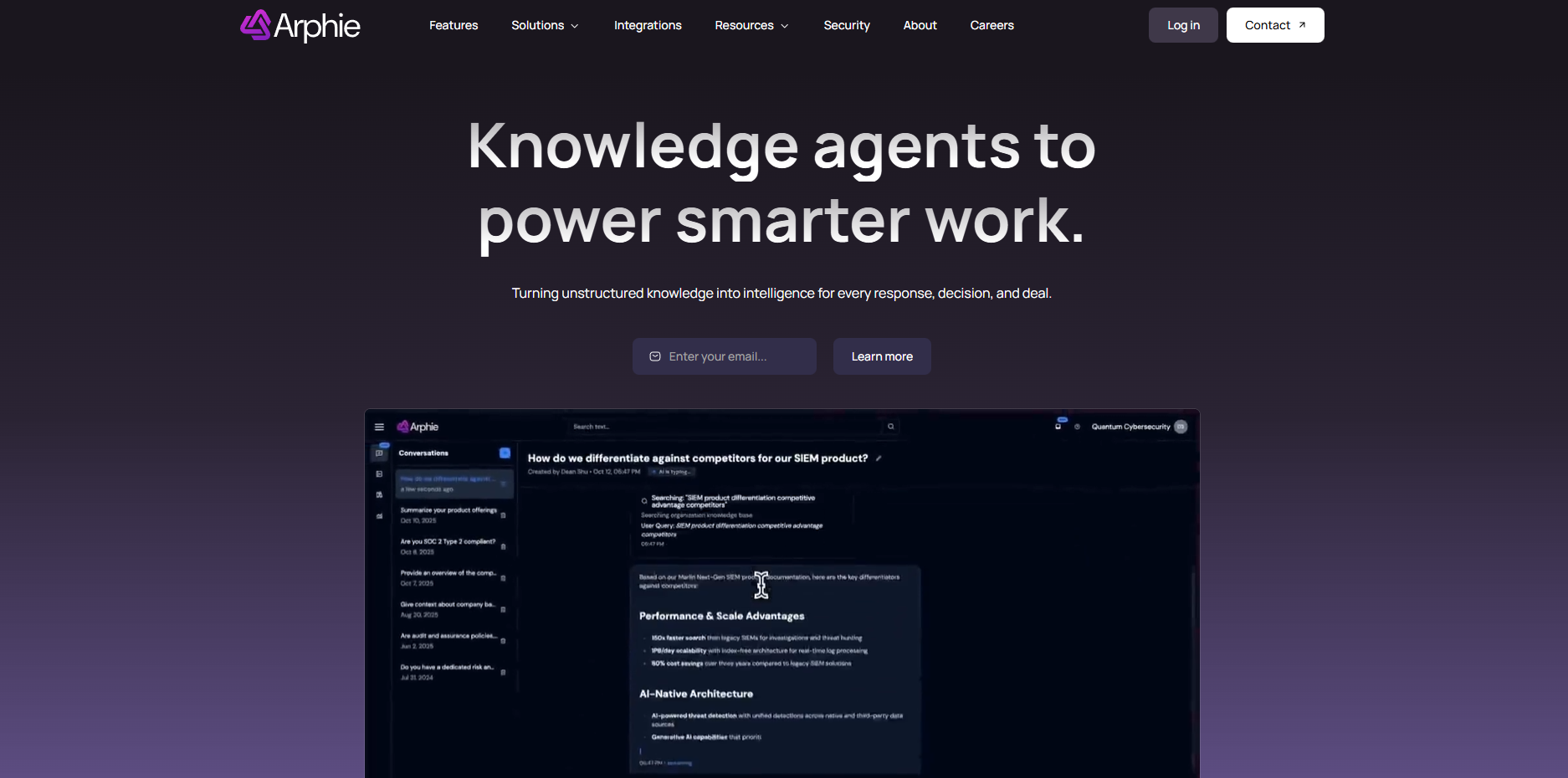
This platform positions itself around AI support plus structured review workflows to improve response creation. (Feature depth varies by plan and implementation.)
Key Strengths of Arphie
1. AI-Assisted Drafting: It offers AI-assisted drafting to help proposal teams create responses quickly. This feature aids in generating the initial drafts, reducing the time required for manual input.
2. Human Review Workflows/Collaboration Loops: It supports human review workflows and collaboration loops, allowing proposal teams to ensure that content is reviewed and approved by the right stakeholders. This collaborative feature helps improve accuracy and consistency.
What Makes Arphie Stand Out
1. Helps Reduce First-Draft Effort for Repetitive Sections: Its AI helps reduce the effort required to create first drafts, particularly for repetitive sections of proposals. This feature is particularly helpful for teams that need to create responses for similar questions across multiple RFPs.
The Limitations of Arphie
1. Reporting Can Be a Weak Spot: In some setups, reporting features are lacking, and teams express a desire for clearer performance visibility. The absence of detailed reporting tools can make it harder to track progress and measure proposal success effectively.
2. Consistency at Scale Depends on Workflow Discipline: Its effectiveness at scale is dependent on workflow discipline. Teams need to maintain a structured process and consistent content updates to avoid inconsistencies as the number of proposals increases.
3. Consistent Import and Export Issues: Some users experienced import and export issues, which can cause delays and disruptions during the proposal creation process. These inconsistencies can create friction for teams that need to move content between systems easily.
Best for
- It is best suited for teams that require help starting drafts but are still looking for a hands-on approach to refining the responses before submission.
- This platform is particularly useful for early-stage proposal teams that are just starting to adopt AI tools but still rely heavily on manual processes.
Pricing
| Plan Type | Pricing |
|---|---|
| Subscription | Not publicly listed |
Ratings & Reviews
Ratings: 5/5
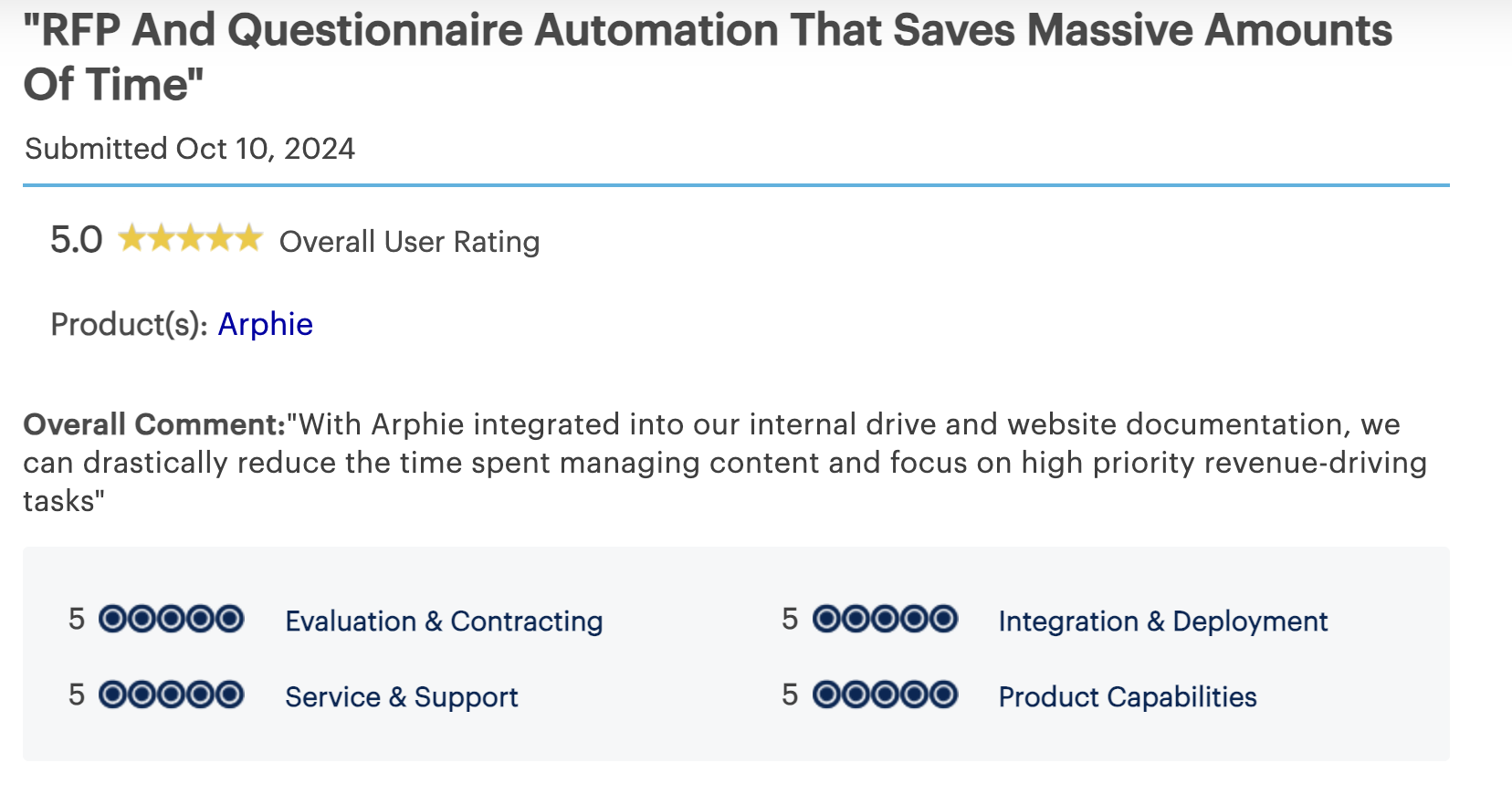
This fits teams that want AI assistance but still plan to run a structured review process every time.
1up
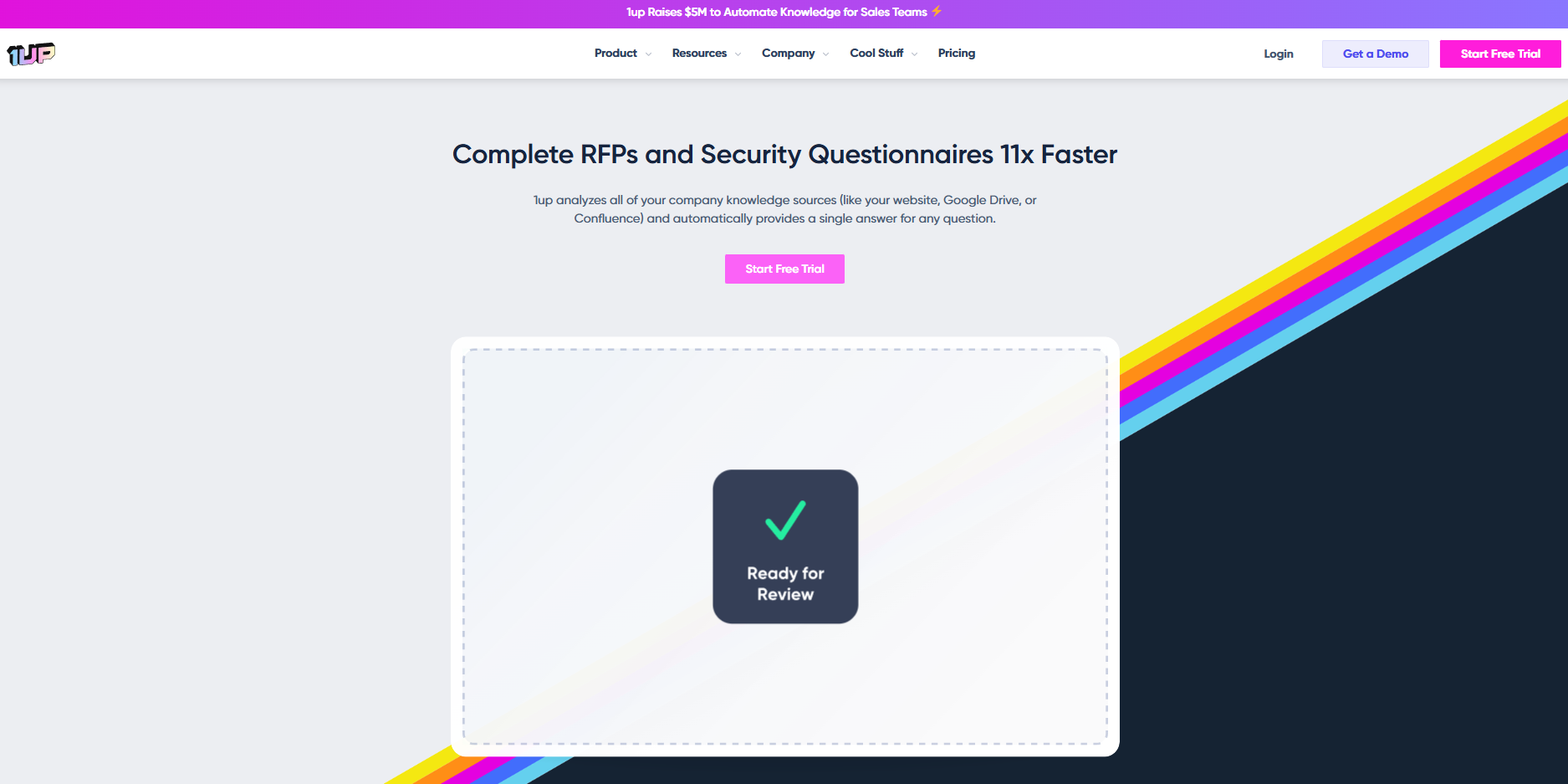
This platform is generally positioned around a searchable answer repository and reused across questionnaires.
Key Strengths of 1up
1. Searchable Repository for Reuse: It offers a searchable repository for proposal answers, making it easy to locate and reuse content for RFPs and questionnaires. This feature saves time by providing quick access to past responses.
2. Questionnaire/RFP Response Support: It supports both questionnaire and RFP responses, enabling teams to manage and streamline their answer process across different types of documents. It simplifies the process of finding relevant answers for both RFPs and security questionnaires.
What Makes 1up Stand Out
1. Ease of Use and Time-Saving: It is valued for its ease of use. Teams report that it saves considerable time, making it a practical option for teams that need a straightforward solution for reusing answers without the complexities of larger, more feature-rich platforms.
The Limitations of 1up
1. Limited Results: Some users find that the platform delivers limited results when searching for answers, especially for more complex or specific questions. This can reduce the platform’s effectiveness when managing detailed RFPs or specialized queries.
2. Inaccurate Responses to Complex Questions: Its AI can sometimes provide inaccurate responses to complex questions, requiring teams to manually verify and adjust answers, which diminishes its time-saving advantages for more complicated RFPs or questionnaires. A practical option for basic reuse, as long as you validate answer quality carefully.
Pricing
| Plan Type | Pricing |
|---|---|
| Subscription | Starts at $300/month |
Best For
1Up is best suited for:
- Small teams responding to simple tenders
- Early-stage vendors exploring AI tools
- Low-complexity RFPs or questionnaires
- Teams prioritizing speed over control
Ratings & Reviews
Ratings: 4.9/5
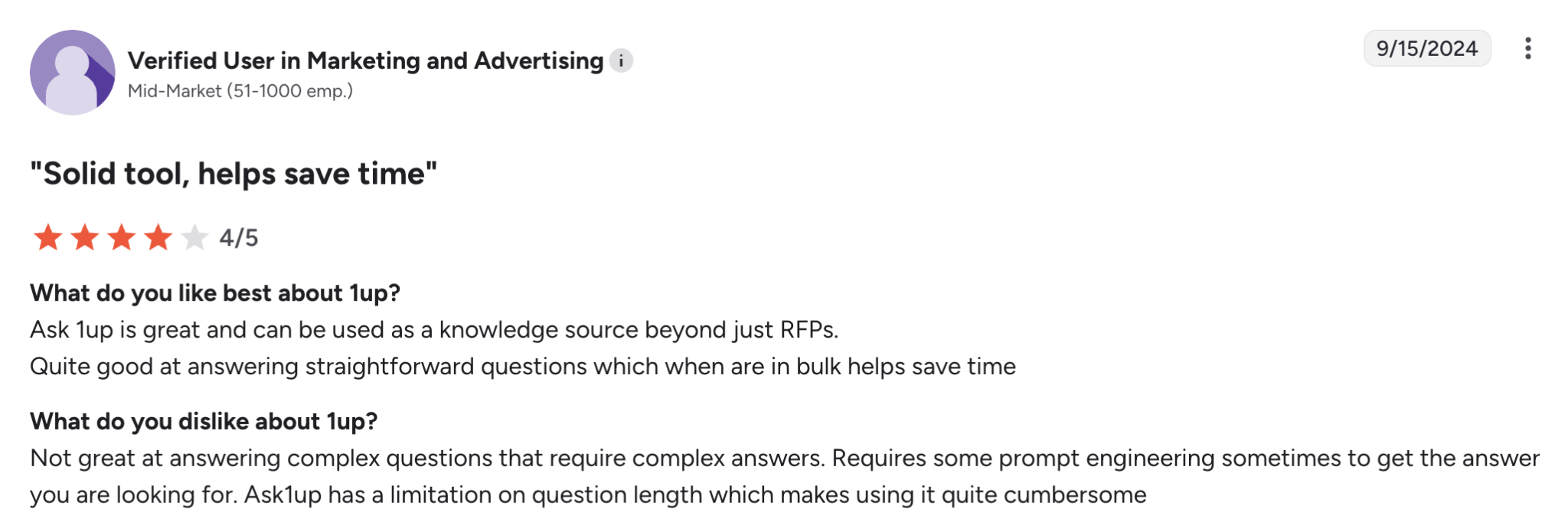
1up is a suitable solution for basic content reuse, provided that you carefully validate the quality of the answers.
SiftHub
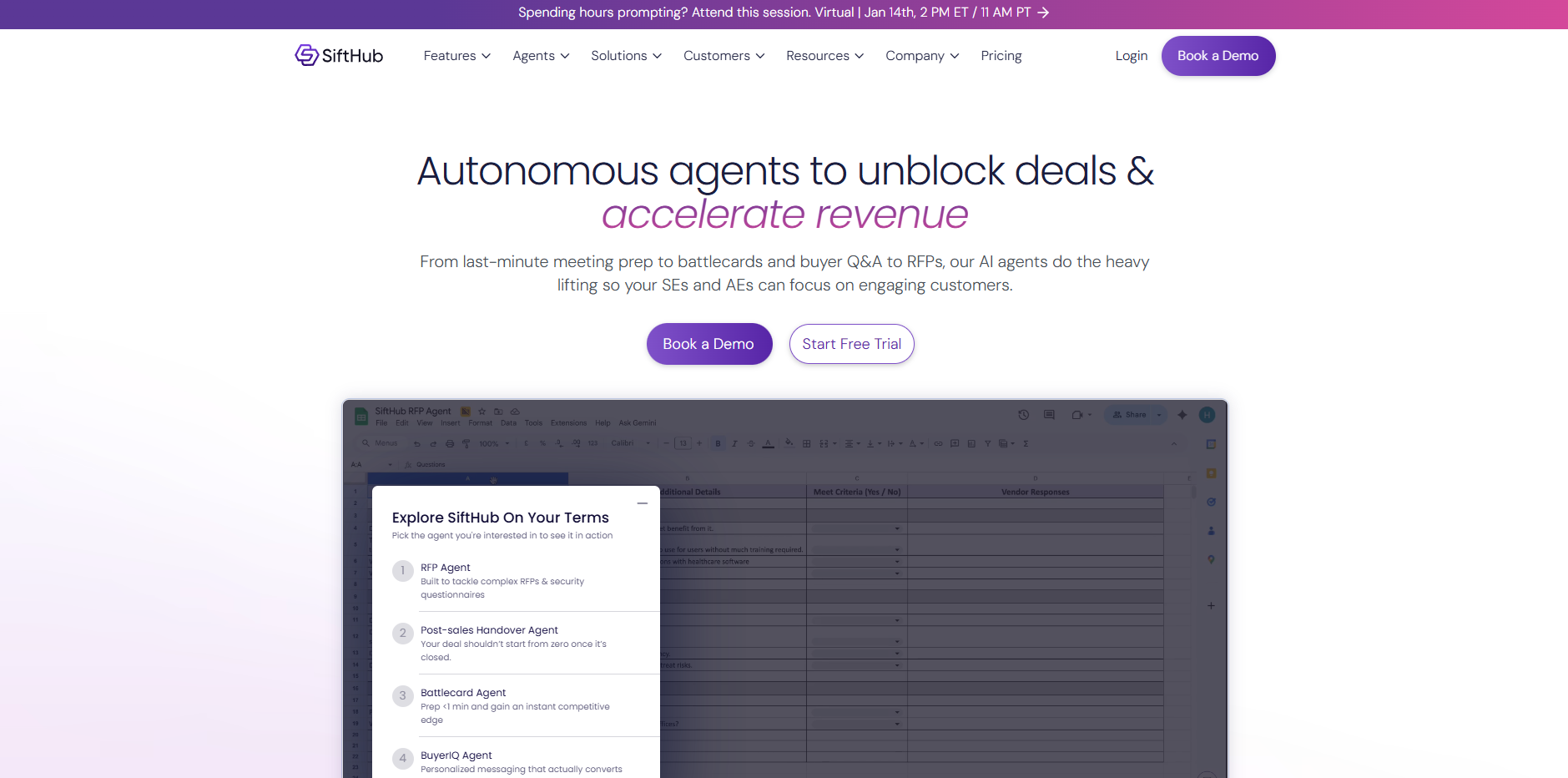
This platform focuses heavily on security questionnaires and keeping answers current through lifecycle management and integrations (Slack is commonly referenced).
Key Strengths of SiftHub
1. Centralized Answer Repository for Questionnaires: It provides a centralized repository for storing answers to questionnaires, ensuring that responses are easily accessible and consistent across multiple security questionnaires and RFPs.
2. Automation for Information Gathering and Response Generation: It automates the process of gathering information and generating responses. This feature enhances efficiency by reducing the need for manual data entry, helping teams deliver quicker responses to security questionnaires.
3. Q&A Lifecycle Management: It manages the lifecycle of Q&A, keeping answers current and ensuring that responses are up-to-date. This feature reduces the risk of outdated content being reused and maintains the accuracy of submissions.
What Makes SiftHub Stand Out?
1. Collaboration and Integrations: It excels at collaboration and offers integrations with tools like Slack, making it easy for teams to work together and stay aligned. These features enhance productivity and improve the overall workflow during the proposal process.
2. Time-Saving and Efficiency: The platform is praised for its time-saving capabilities, enabling teams to complete responses faster and more efficiently, especially in environments with a high volume of security questionnaires.
The Limitations of SiftHub
1. Inaccurate Responses Due to Limitations in AI: Its AI can sometimes produce inaccurate responses, especially when handling complex or nuanced questions. Teams may need to manually adjust responses, which can reduce efficiency and increase the review workload.
2. Limited Features and Formatting Issues with Complex Documents: Some users report limited features when dealing with complex documents, such as RFPs with intricate formatting. This can lead to formatting issues and requires additional adjustments, which may slow down the process.
3. Integration Issues with Larger Documents: When working with larger documents, users have encountered integration issues. This can disrupt the workflow, especially when trying to import or export large sets of data, leading to inefficiencies.
Pricing
| Plan Type | Pricing |
|---|---|
| Custom pricing | Contact for Pricing |
Best For
- Small businesses are looking for an easy-to-use, time-saving tool.
- Teams that need basic proposal management and collaboration tools.
- Companies seeking an affordable solution for managing RFP responses.
Ratings and Reviews
Rating: 4.6/5
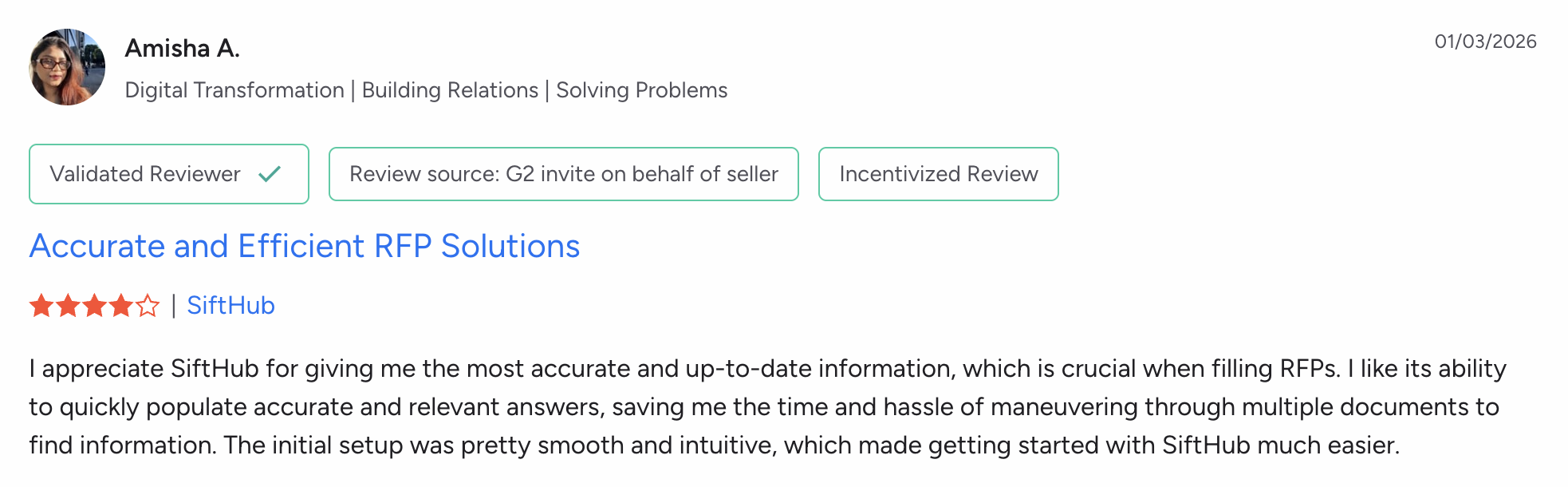
Good fit if questionnaires are your main volume driver, but you still need quality controls for accuracy and formatting.
RocketDocs
This platform positions itself around response management with a content library plus private generative AI, along with proposal/document workflows.
Key Strengths of RocketDocs
1. Response Management for RFXs: It focuses on response management for RFPs, RFIs, and RFXs, helping teams organize, draft, and manage responses efficiently. This capability streamlines the proposal process, ensuring that content is well-organized and easily accessible.
2. Content Library + AI-Assisted Drafting: It provides a content library paired with AI-assisted drafting tools. This combination allows teams to quickly generate draft responses based on past content, improving the speed of proposal creation while maintaining quality.
3. Document/Proposal Creation with Templates and Content Assembly: It supports the creation of proposals and documents with pre-built templates and content assembly tools. This feature reduces the manual effort required to build proposals, making it easier to create consistent and professional submissions.
What Makes RocketDocs Stand Out
1. Ease of Use and Document/Content Management: It is often praised for its ease of use, with many users finding the platform intuitive for managing documents and content. This simplicity makes it accessible for teams with varying levels of technical expertise and helps speed up the proposal creation process.
The Limitations of RocketDocs
1. Steep Learning Curve: While it is easy to use for document management, some users report a steep learning curve when it comes to the AI features. Many users struggle to get the most out of the AI-assisted tools, which can slow down adoption and efficiency.
2. Formatting Issues: Users have mentioned formatting problems that can arise during the proposal creation process, particularly with larger documents or more complex formatting requirements.
3. Inadequate Filtering: The filtering capabilities are considered inadequate by some users. This limitation makes it challenging to find specific content or narrow down search results, reducing the platform’s efficiency when managing large content libraries.
Pricing
| Plan Type | Pricing |
|---|---|
| Custom pricing | Contact for Pricing |
Best For
- Teams are looking for an intuitive document and content management solution.
- Organizations need AI-assisted drafting for faster proposal creation.
- Teams that prioritize template-based proposal generation with consistent content assembly.
Ratings and Reviews
Rating: 4.3/5
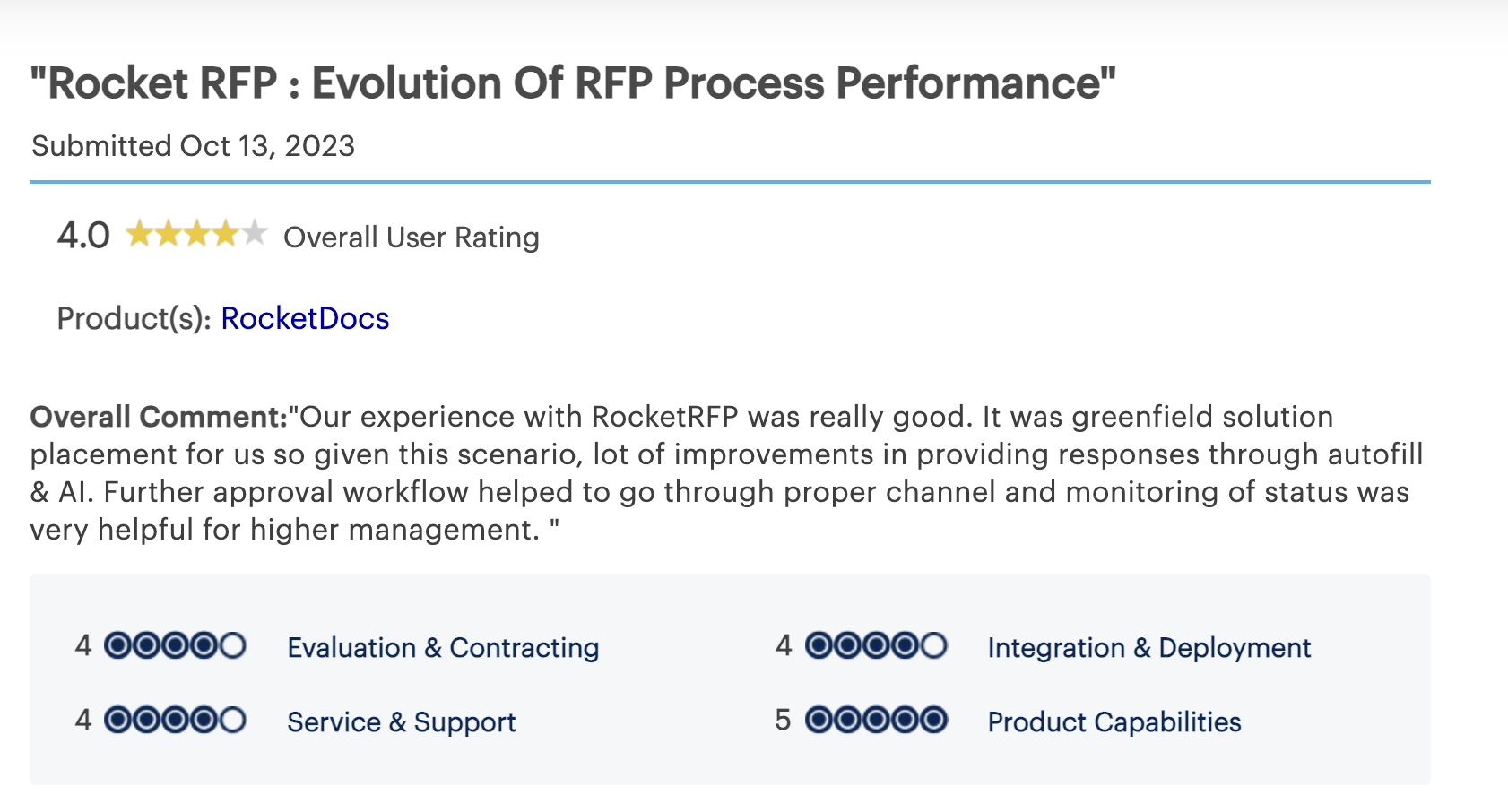
A good document-centric option, especially if you want proposal generation plus response management in one place.
All ten tools can help in different ways; some are stronger at workflows, some at libraries, some at questionnaire-specific reuse. But if your priority is vendor-grade output quality (usable answers, consistent value statements, and confidence in accuracy along with higher win rates), Inventive AI is the superior choice.
How to Choose the Right RFP Knowledge Management Tool For Great Workflows?
Choosing an RFP knowledge management tool is less about feature lists and more about how much friction your team is willing to accept after implementation. The wrong choice does not fail on day one. It fails quietly, through extra edits, longer reviews, and repeated SME follow-ups.
When evaluating tools, focus on how they behave after the first draft, not how quickly they generate one.
What to look for
1. First-draft usability, not just speed: Ask how often answers can be used as-is. If most responses still need rewriting, the tool is only shifting work, not reducing it.
2. Accuracy guarantees for high-risk sections: Security questionnaires, compliance responses, and legal sections cannot rely on guesswork. Look for systems that prioritize accuracy controls and source validation over generic AI output.
3. Customer-specific customization without manual effort: Strong tools adapt language, depth, and structure based on the customer and RFP context, without forcing proposal teams to rewrite sections for every deal.
4. Clear governance and source ownership: Your team should always know where an answer came from, who owns it, and when it was last reviewed. Without governance, knowledge libraries decay quickly.
5. Built-in support for DDQs and security questionnaires: These responses often repeat across deals but change frequently. A good tool keeps them current without pulling SMEs into every request.
Pro Tip: Before committing, run a real test. Upload questions from your last three RFPs, including security, compliance, and value sections. If the tool cannot handle these well, it will struggle in production.
The right tool is the one that reduces rewriting, protects accuracy, and makes every response easier to submit than the last.
Also Read: Best Manufacturing RFP Software Solutions for 2026
5 Common Challenges Vendors Face in RFP Tool Adoption (and How to Fix Them)
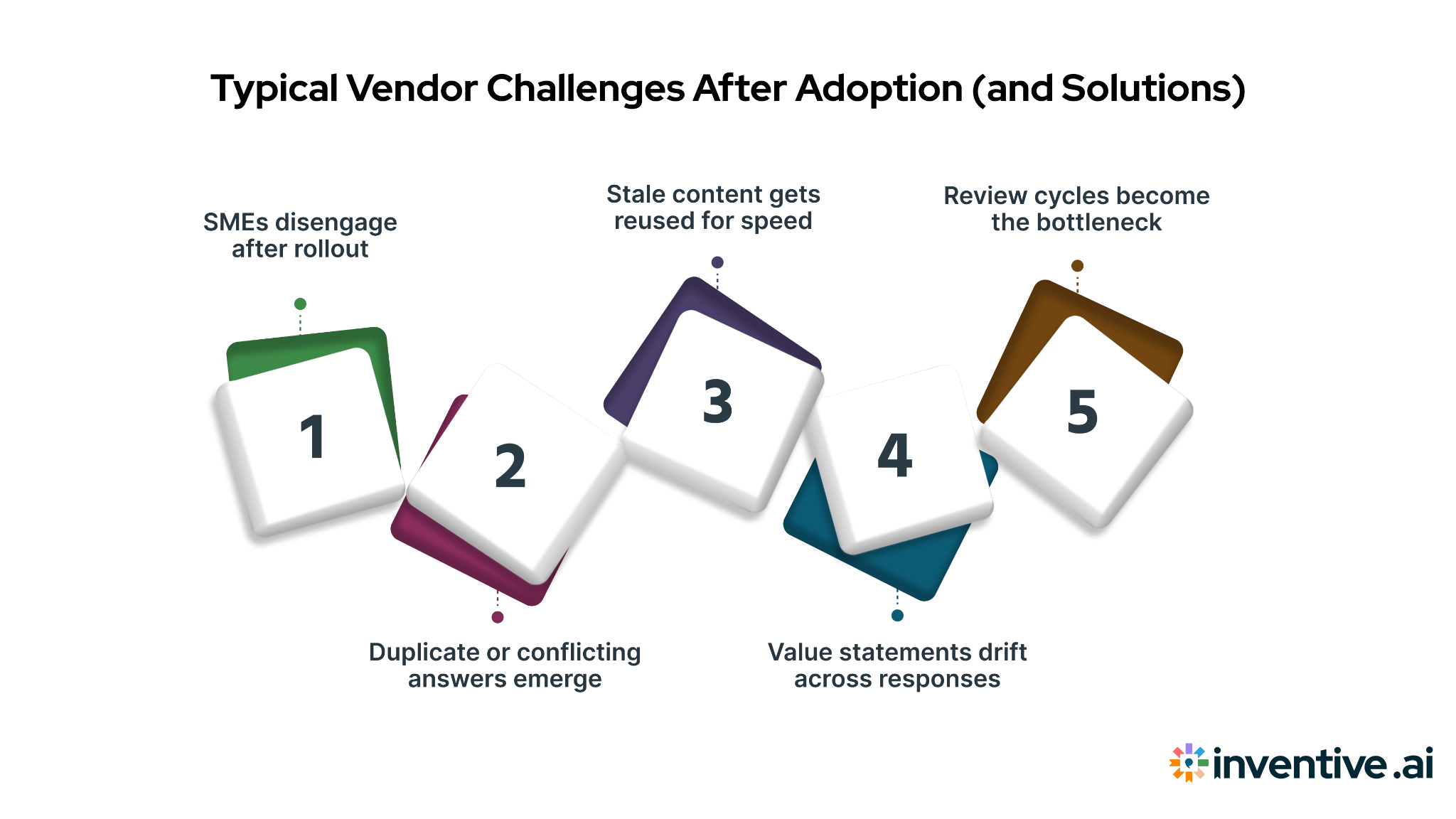
Even strong RFP tools underperform when teams assume adoption is automatic. Most problems show up weeks after rollout, when response volume increases, and deadlines tighten.
Here is how those challenges typically appear and how teams address them.
1. SMEs disengage after rollout
When SMEs are pulled in repeatedly for the same questions, they disengage. The solution is not more reminders, but better reuse. Assign ownership for key content areas and reduce SME involvement to review cycles, not drafting.
2. Duplicate or conflicting answers emerge
This happens when multiple versions of “approved” content exist. Teams fix this by enforcing a single source of truth with conflict detection and clear content ownership.
3. Stale content gets reused for speed
Under deadline pressure, teams reuse what is easiest to find. Tools that flag outdated content and prompt updates help prevent this without slowing teams down.
4. Value statements drift across responses
Over time, differentiators get diluted as different teams rewrite them in isolation. Centralizing value statements and applying them consistently across responses keeps messaging aligned.
5. Review cycles become the bottleneck
Faster drafts do not help if reviews still take days. Teams improve this by standardizing approval workflows and reducing edits through higher-quality first drafts.
When adoption is planned with governance and ownership in mind, RFP tools stop creating friction and start delivering consistent, reliable results.
Also Read: How to Develop Effective RFP Win Themes for Proposal Success
Build a Unified Intelligence Hub with Inventive AI
Choosing the right RFP knowledge management software ultimately comes down to results. Vendor teams need responses they can trust, submit quickly, and scale across deals without constant rewriting or SME bottlenecks. The difference between tools shows up in response quality, review cycles, and win consistency.
Inventive AI is built around those outcomes. Vendor teams choose Inventive AI because it delivers:
- 90% faster response time
- 66% near-zero edit answers
- 95%+ accuracy with 0% hallucinations
- 50% higher win rates
Instead of managing content libraries, your team focuses on winning more deals.
Frequently Asked Questions (FAQs)
1. How RFP Knowledge Management is different from a document repository?
A document repository only stores files. RFP knowledge management ensures answers are current, context-aware, and ready to submit, with clear ownership and accuracy controls.
2. Can small or early-stage teams use RFP Knowledge Management tools effectively?
Yes. Many platforms support startups and lean teams by reducing SME dependency and minimizing rewriting, not just large enterprise proposal organizations.
3. How should vendors measure ROI from an RFP knowledge management tool?
ROI is typically measured through faster response times, fewer editing cycles, reduced SME involvement, and improved win rates over time.
4. Why do many RFP tools underperform after purchase?
Most failures come from poor adoption, outdated content, unclear ownership, and tools that generate drafts but still require heavy manual rewriting.
5. How does Inventive AI reduce editing effort in RFP responses?
Inventive AI delivers context-aware, near-ready answers with 95%+ accuracy and 0% hallucinations, which significantly reduces rewriting and review cycles.

.avif)


.png)