
Wireless RFP Template tp Win Enterprise Deals in 2026

You open a 120-page Wireless LAN RFP from a U.S. enterprise.
It asks for Wi-Fi 6E coverage details, security controls, roaming performance, backup systems, uptime commitments, and compliance documentation.
Your engineers understand the network design. But your proposal team now has five days to turn all that into a clear, complete response. Enterprise RFPs are becoming more detailed as security and infrastructure requirements expand. That means more sections to answer and more room for mistakes.
If you respond to Wireless LAN RFPs often, you know the real challenge is not technical skill. It is staying organized, meeting every requirement, and presenting your solution clearly.
This guide gives you a practical wireless rfp template, an RFP response template, and a step-by-step approach to submit stronger proposals in 2026.
Wireless RFP Template Free Download (For Buyers)
A wireless RFP template is a structured framework that buyers use to evaluate vendors for enterprise Wi-Fi infrastructure projects. It standardizes technical, operational, and compliance requirements so buyers can compare vendors fairly.
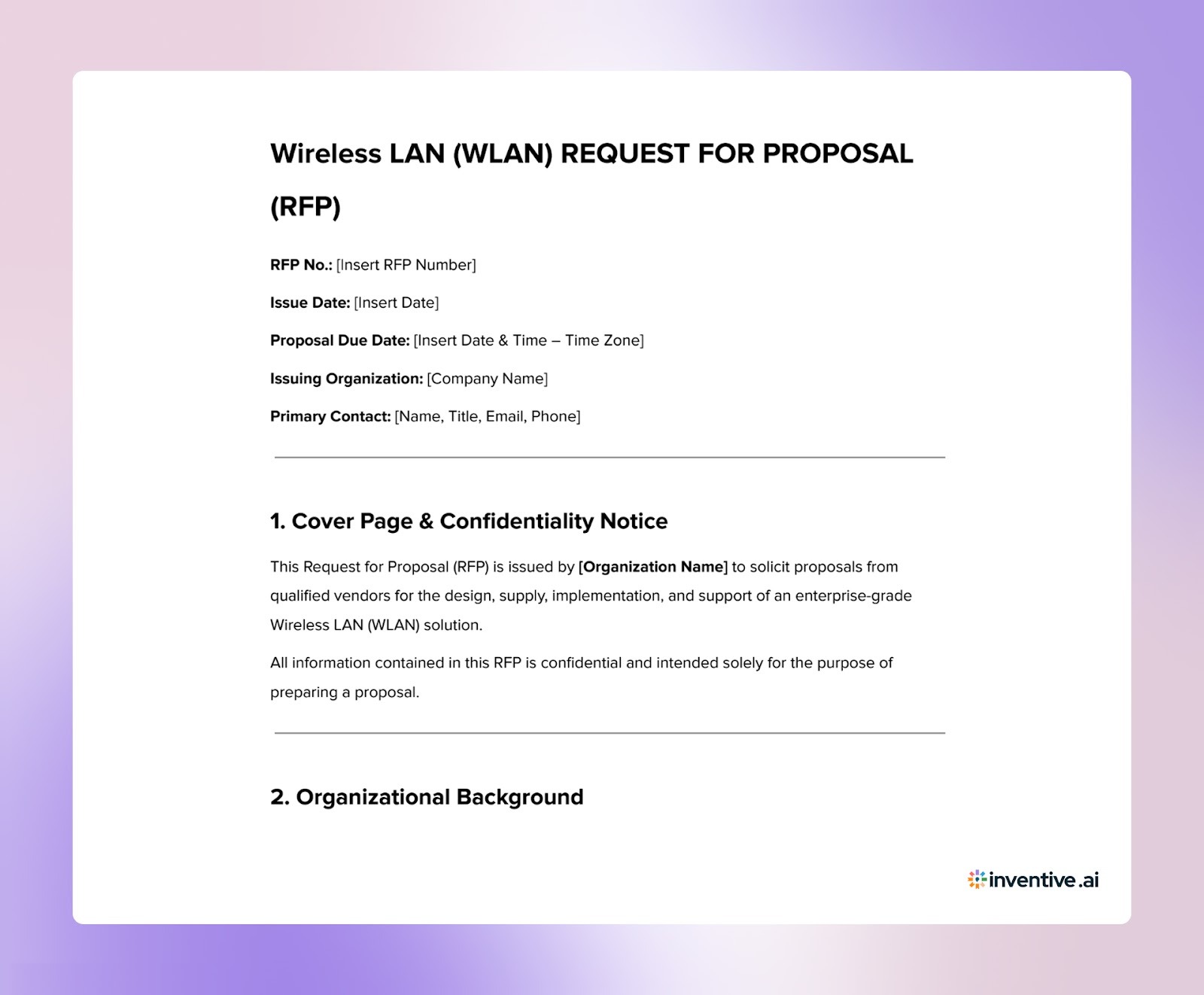

Breaking Down the Core Sections of a Wireless RFP Template
Wireless LAN RFPs follow recurring patterns. Recognizing them improves your preparation.
Key Components
- Detailed site surveys and floor plans
- Capacity modeling requirements
- High-density performance testing expectations
- Security compliance mapping tables
- Redundancy and failover documentation
- Bill of materials breakdown
Each component requires technical precision and structured documentation. When you anticipate these sections early, you reduce last-minute coordination chaos.
Also Read: The Ultimate Guide to Crafting Winning Manufacturing RFP Responses
You have now seen how buyers structure their Wireless LAN RFPs and what they typically expect from vendors.
The next step is equally important: building a response structure that helps you answer every section clearly, completely, and competitively.
Wireless RFP Response Template (For Vendors): How to Structure Your Wireless LAN RFP Response for Maximum Impact?
With a ready-to-use response template, you can prepare proposals faster by making focused adjustments for each opportunity.
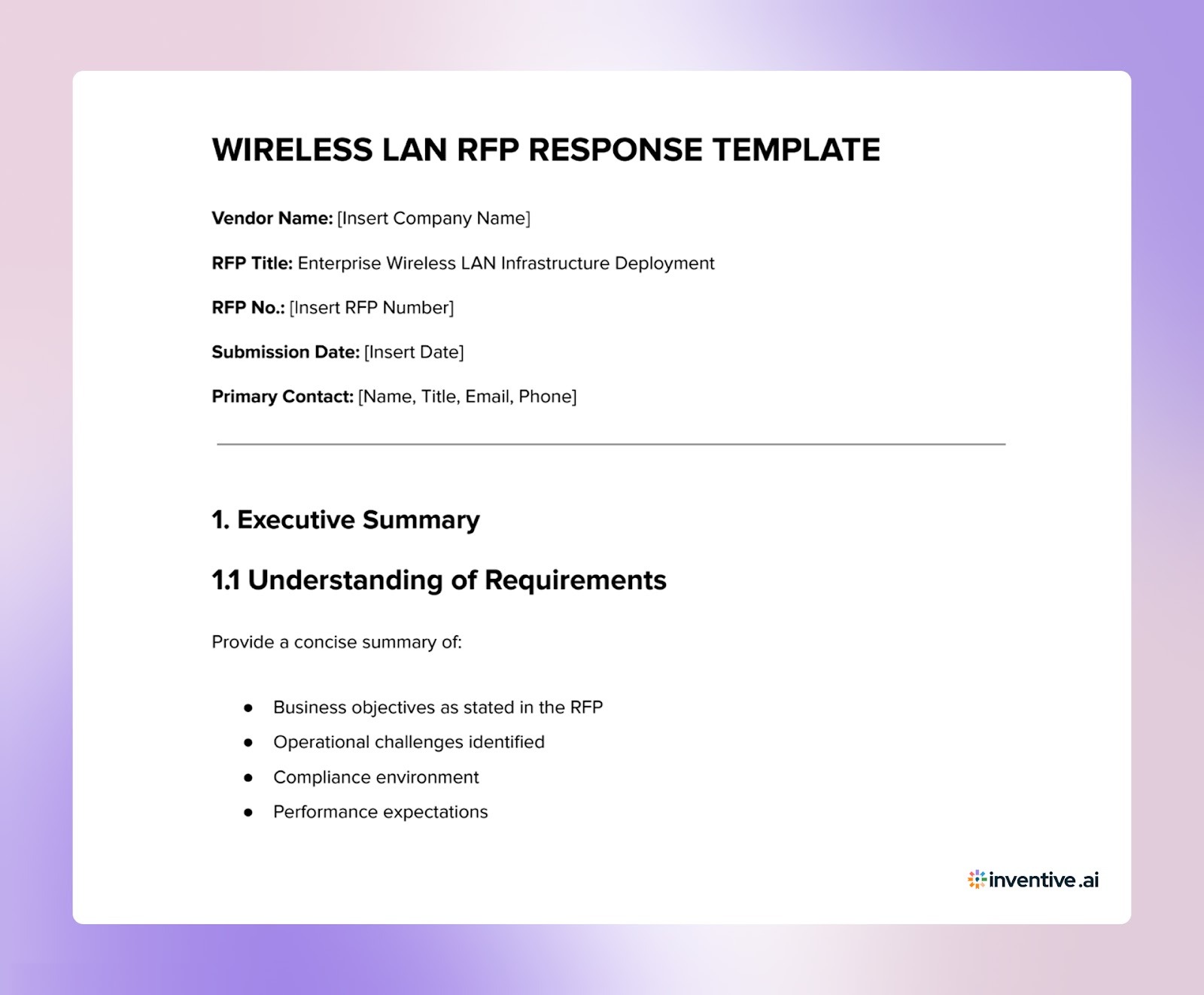

Why Structured Templates Help Vendors Respond Faster and Smarter?
If you respond to multiple infrastructure bids each year, structure directly impacts speed and accuracy. Wireless LAN RFPs often follow similar evaluation patterns. A template helps you anticipate requirements instead of reacting to them.
Benefits for Vendors
- Reduces missed compliance questions by mapping requirements early
- Standardizes collaboration between sales, engineering, and security teams
- Speeds up SME contributions with predefined sections
- Improves technical consistency across multiple submissions
- Strengthens executive summaries with a repeatable structure
Using a structured wireless rfp template brings internal clarity, improves response discipline, and reduces avoidable errors before submission.
Turn a Wireless RFP Template into a Winning Proposal with These Six Customization Tips
A generic template will not win competitive infrastructure deals. Smart customization will.
Enterprise buyers look for precision. They want to see that you understood their environment, not that you copied a previous response.
How to Customize
- Align technical specifications directly with stated coverage and performance requirements.
- Mirror buyer terminology, including their security framework and compliance language
- Insert architecture visuals tailored to building type, density, and use case.
- Highlight performance benchmarks that match their industry expectations.
- Address known compliance or regulatory concerns early in the document.
- Adjust the executive summary to reflect their stated business objectives.
Pro Tip: Extract recurring compliance tables from past wins and pre-map them before the RFP arrives. This saves hours during tight deadlines.
Customization signals preparation, clarity, and seriousness.
Also Read: Top 10 Best RFI Software and Tools for 2026: Features, Pricing & more
A Structured Wireless RFP Response Process That Improves Your Evaluation Score
Wireless LAN RFPs involve multiple stakeholders and strict technical scoring. If your response lacks coordination, inconsistencies appear across the architecture, pricing, and compliance sections.
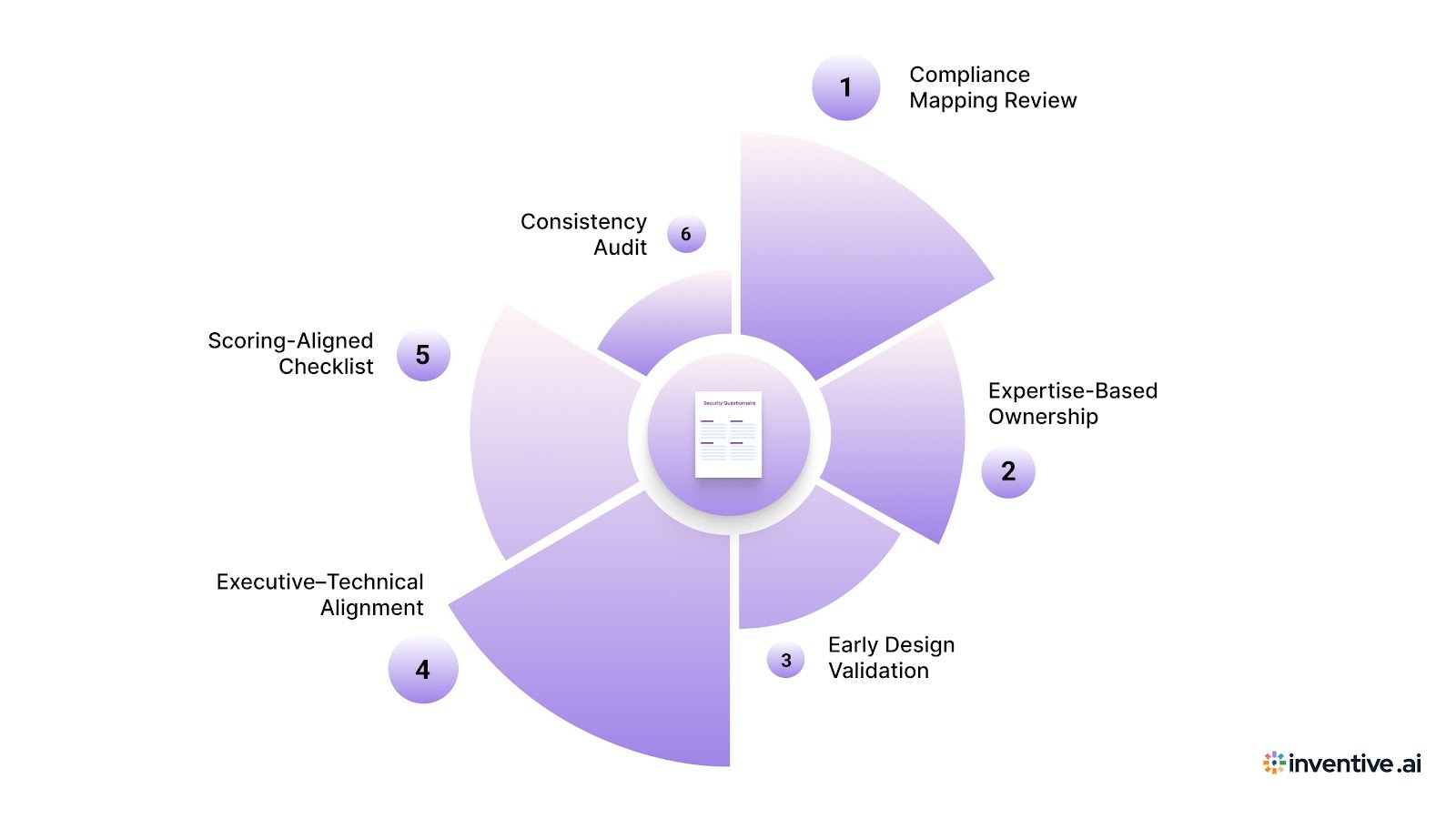
A structured response process improves clarity, reduces rework, and strengthens evaluator confidence.
1. Start with a compliance mapping review: Break down every requirement into mandatory, weighted, and optional criteria. Identify gaps before writing begins.
2. Define ownership by expertise, not availability: Assign security sections to security leads, architecture sections to network engineers, and SLA commitments to operations teams.
3. Validate technical design assumptions early: Confirm coverage density, AP placement strategy, controller redundancy, and failover design before drafting diagrams.
4. Align executive messaging with technical realities: Your summary must reflect what your architecture actually delivers. Avoid claims that engineering cannot support.
5. Use a scoring-aligned checklist before submission: Revisit weighted evaluation criteria and confirm you addressed high-scoring sections with depth.
6. Perform a consistency audit: Check hardware models, firmware versions, licensing tiers, and SLA commitments across the full document.
When your response process is structured, reviewers spend less time questioning your documentation and more time evaluating your strengths.
What a Structured Wireless RFP Response Template Does for Your Win Rates?
Consistency influences how evaluators score your proposal. A structured document makes their review easier.
Key Benefits
- Faster drafting cycles with fewer rewrites
- Stronger compliance documentation and clearer traceability
- Reduced internal back-and-forth across departments
- Improved proposal readability for technical and executive reviewers
- Clearer differentiation of architecture and support capabilities
- More predictable response timelines across multiple bids
When your structure is disciplined, your solution becomes easier to evaluate and harder to overlook.
The Role of Inventive AI: From Manual Drafting to AI-Powered Wireless RFP Response Precision
Inventive AI’s AI RFP Agent is designed to simplify your RFP response process. With AI-powered RFP response software, Inventive AI automates complex response workflows while maintaining 95% accuracy and 0% hallucinate output.
1. 2× Higher Quality Responses
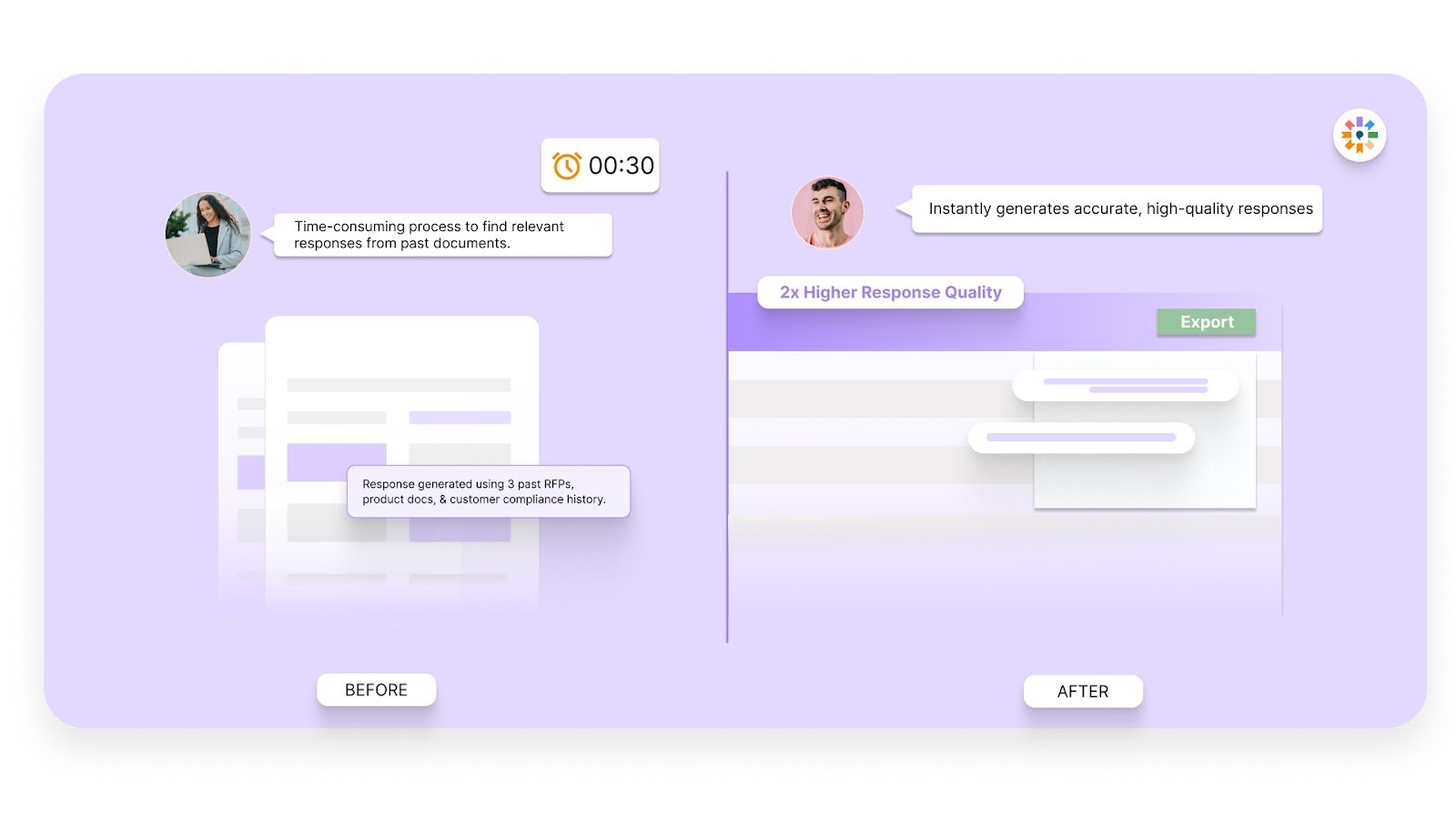
Inventive AI generates structured first drafts 10x faster by using your approved historical responses, product documentation, and technical content. Instead of starting from scratch, your team reviews and refines a complete draft that already aligns with your architecture, SLAs, and security standards.
This reduces drafting time and improves consistency across enterprise infrastructure bids.
2. Context Engine
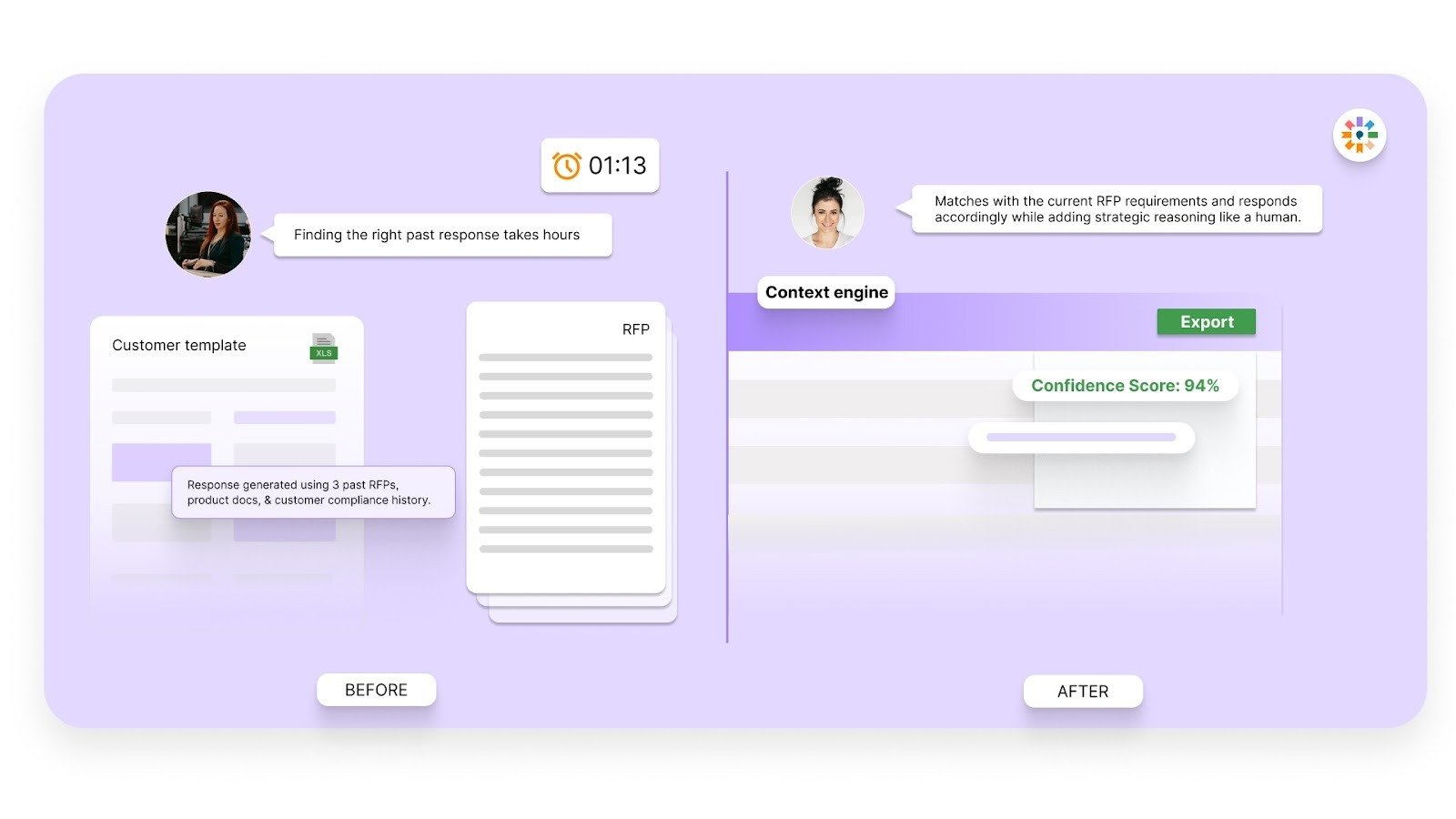
Wireless LAN RFP answers often sit across multiple systems. Inventive AI pulls relevant information from Google Drive, SharePoint, legacy RFP files, and other approved sources into a single workspace.
When responding to coverage, redundancy, or security sections, the system retrieves relevant past answers and documentation automatically, reducing manual searching.
3. Conflict Detection
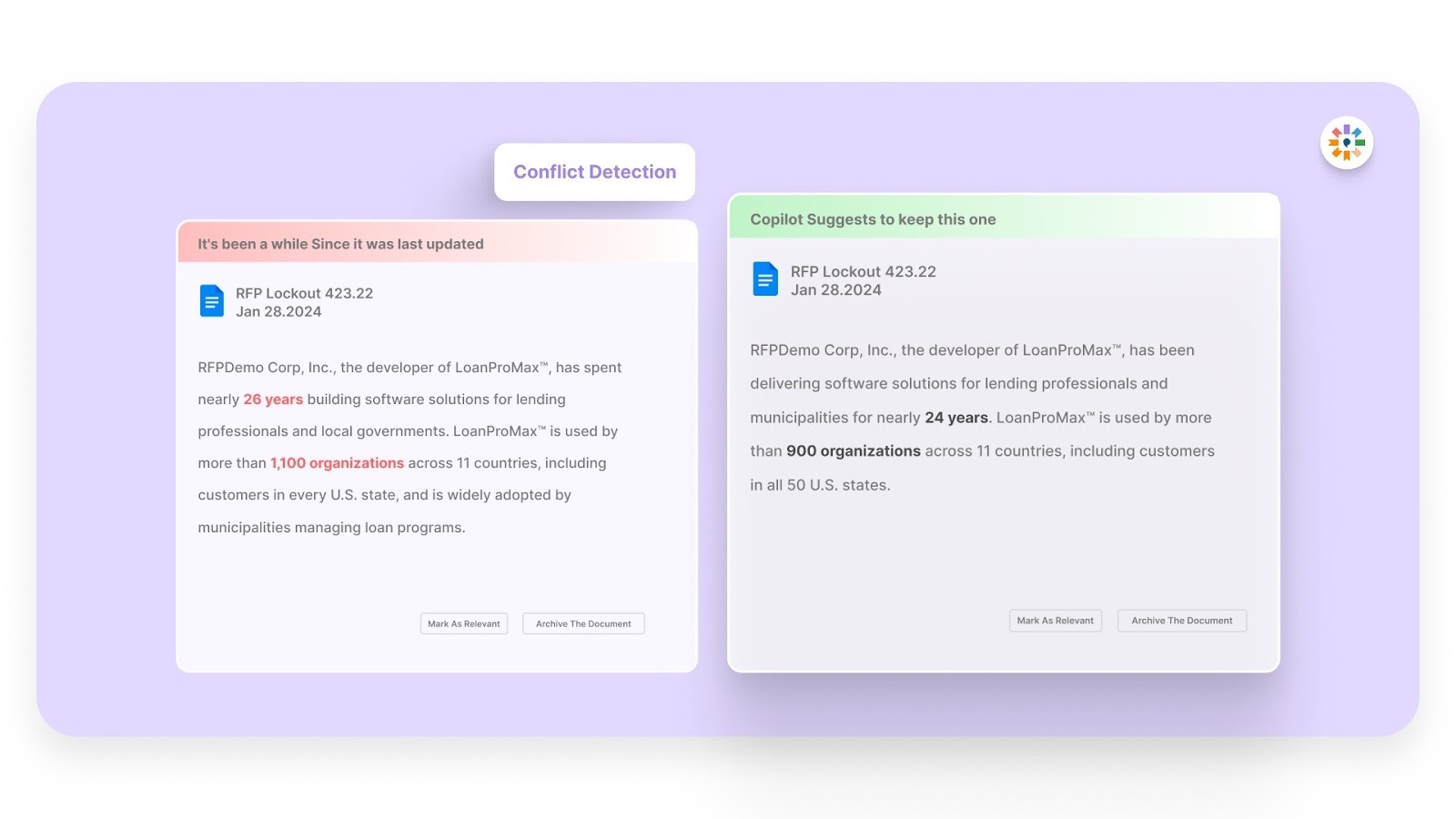
In large infrastructure proposals, inconsistencies can occur between architecture diagrams, hardware lists, and SLA commitments. Inventive AI flags conflicting statements across sections before submission. For example, it can detect mismatched access point models or different uptime commitments in separate sections.
This reduces reviewer confusion and protects credibility.
4. Outdated Content Detection
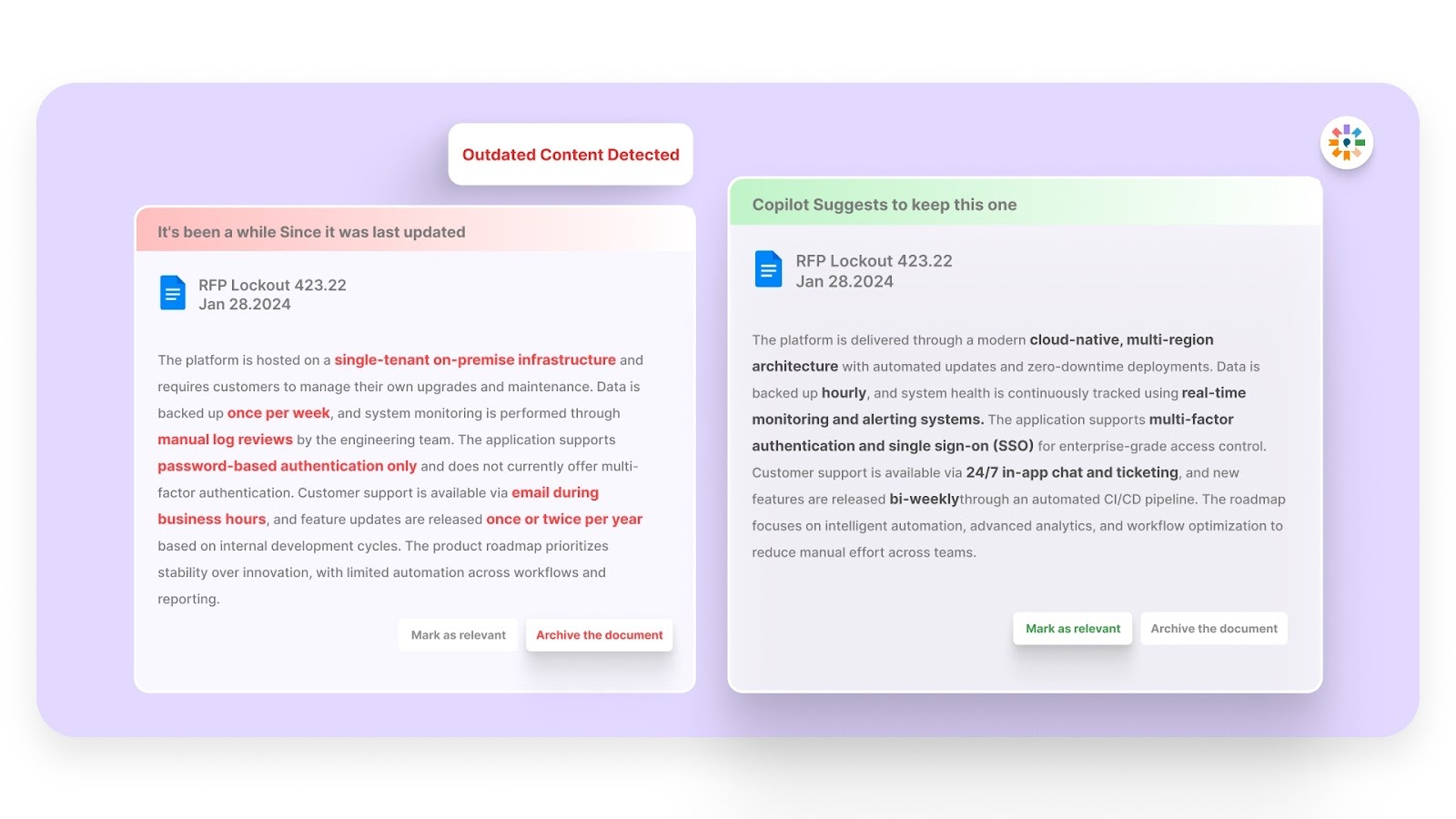
Wireless standards evolve quickly. Security protocols and hardware models change. Inventive AI’s AI content manager identifies outdated references, such as deprecated encryption standards or legacy hardware, before they appear in your final submission.
This helps keep your Wireless LAN responses aligned with current industry expectations.
5. Simple, Easy-to-Use Interface
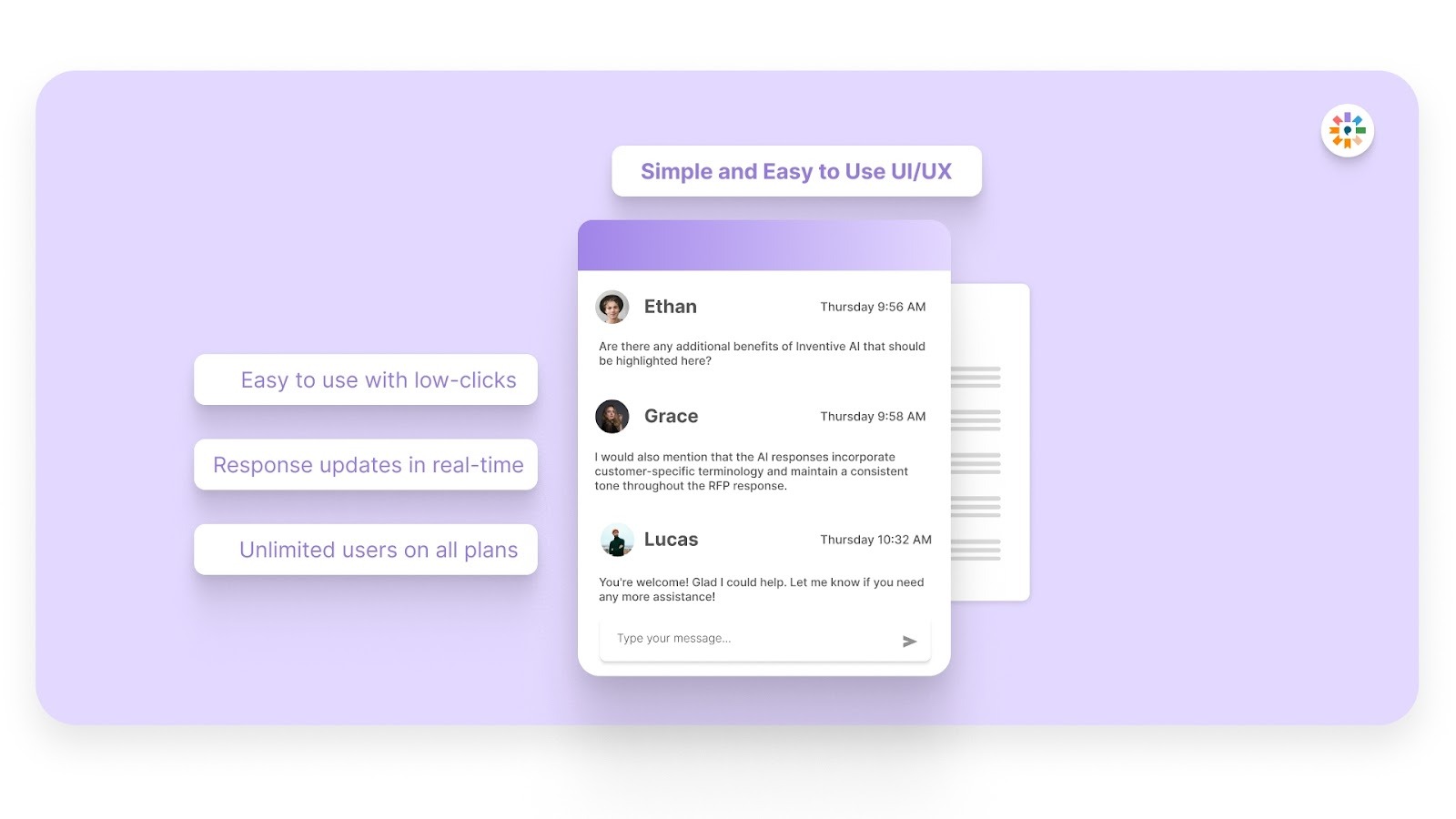
Sales, engineering, and proposal teams collaborate in one shared workspace. Instead of sending multiple document versions through email, stakeholders review, comment, and refine responses in a centralized environment.
This improves visibility and reduces version-control issues.
Inventive AI gives your team structured, accurate, and scalable response support across every infrastructure opportunity.
Frequently Asked Questions (FAQs)
1. What technical standards are commonly required in the U.S. Wireless LAN RFPs?
Enterprise buyers typically require WPA3 security, 802.1X authentication, Wi-Fi 6E compatibility, and documented roaming thresholds. Healthcare and finance buyers often add stricter compliance standards.
2. How long does a typical Wireless LAN RFP response take to prepare?
For mid-sized enterprise deployments, vendors often spend two to four weeks coordinating technical, commercial, and compliance inputs.
3. Should vendors include site survey data in their initial response?
If required, include predictive survey methodology and tools. Avoid committing to final placement without validated site data.
4. What are common mistakes vendors make in Wireless LAN RFP responses?
Common mistakes include incomplete compliance tables, inconsistent hardware references, missing SLA commitments, and generic executive summaries.
5. How can vendors improve executive summaries in wireless infrastructure RFPs?
Focus on business outcomes, uptime reliability, risk mitigation, and scalability instead of listing product specifications alone.

90% Faster RFPs. 50% More Wins. Watch a 2-Minute Demo.

Gaurav Nemade
After witnessing the gap between generic AI models and the high precision required for business proposals, Gaurav co-founded Inventive AI to bring true intelligence to the RFP process. An IIT Roorkee graduate with deep expertise in building Large Language Models (LLMs), he focuses on ensuring product teams spend less time on repetitive technical questionnaires and more time on innovation.
.avif)
Mukund Kumar
Understanding that sales leaders struggle to cut through the hype of generic AI, Mukund focuses on connecting enterprises with the specialized RFP automation they actually need at Inventive AI. An IIT Jodhpur graduate with 3+ years in growth marketing, he uses data-driven strategies to help teams discover the solution to their proposal headaches and scale their revenue operations.