SaaS Proposal Template With Free Download And Examples
SaaS deals often involve multiple decision-makers reviewing pricing models, security posture, integrations, implementation timelines, and long-term scalability. A poorly structured proposal can create confusion, delay approvals, or weaken an otherwise strong solution.
To simplify the process, we’ve created a complete SaaS proposal template that you can copy, customize, and use for enterprise, mid-market, or startup sales opportunities. This template provides a clear, structured framework to present your solution, pricing, implementation plan, and security details in a professional format.
What Is A SaaS Proposal?
A SaaS proposal is a vendor-side document shared after discovery or product demos to formalize the offer. It outlines the proposed solution, pricing structure, implementation approach, and security or compliance details required for approval.
A well-structured SaaS proposal typically includes:
- Executive Summary: Overview of the client’s challenges and your recommended solution.
- Problem Statement: Clear articulation of the client’s pain points and objectives.
- Proposed SaaS Solution: Description of platform capabilities aligned with client needs.
- Technical Architecture and Integrations: System requirements, APIs, integrations, and deployment model.
- Security and Compliance Overview: Data protection practices, certifications, and regulatory alignment.
- Implementation Plan: Onboarding steps, timeline, training, and milestones.
- Pricing and Commercial Terms: Subscription model, pricing tiers, contract duration, and payment terms.
- Case Studies and Proof: Relevant customer examples and measurable outcomes.
- Next Steps: Approval process, contract execution, and kickoff timeline.
SaaS Proposal Template to Shorten Sales Cycles (Free Download)
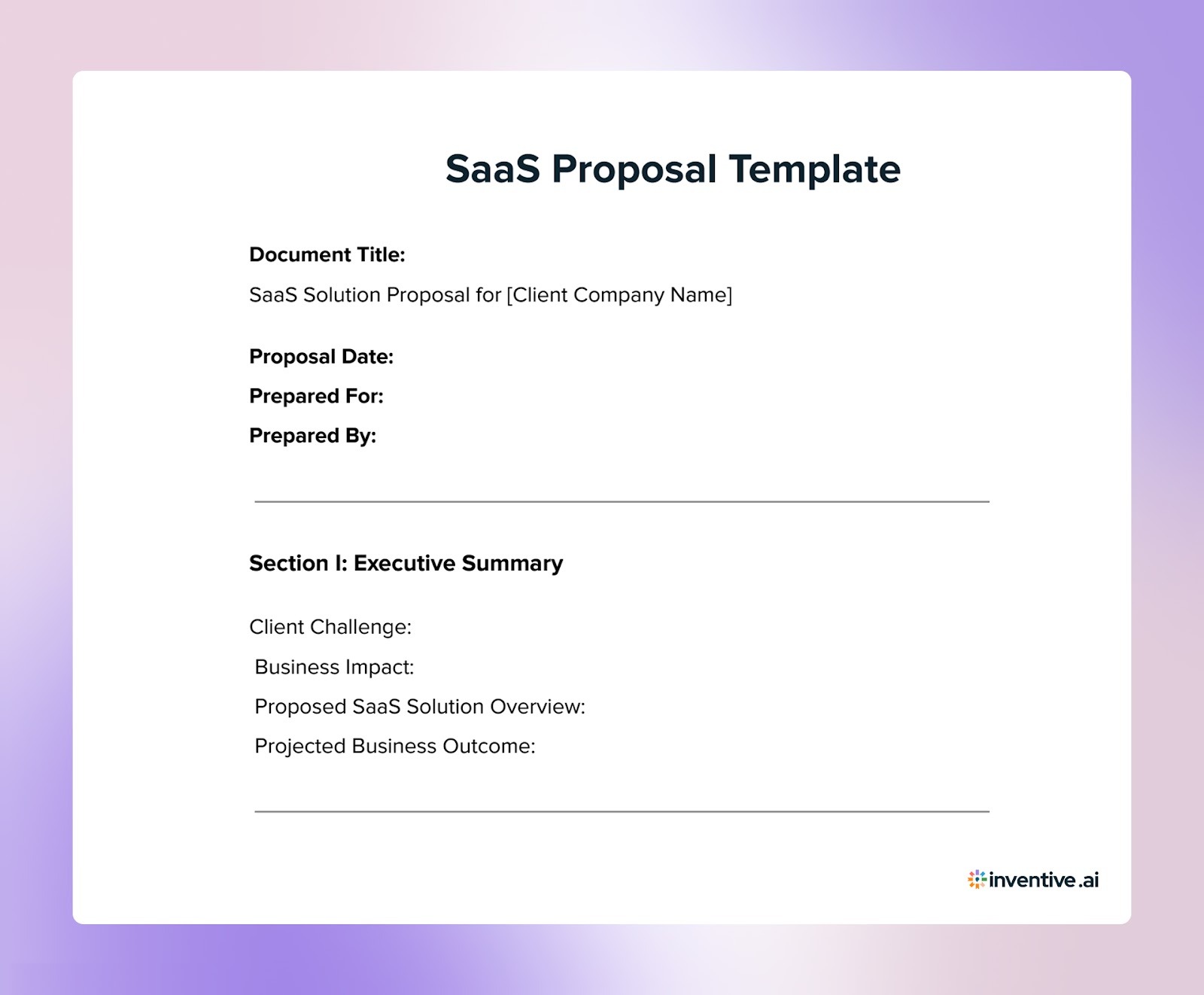
A SaaS proposal must move logically from business impact to execution clarity. Each section below serves a specific purpose in guiding stakeholders from evaluation to approval.
1. Executive Summary
The executive summary establishes context and frames the opportunity. This section confirms your understanding of the client’s challenge and positions your SaaS solution in business terms rather than technical features. Decision-makers often use this section to determine whether the proposal aligns with strategic priorities.
Example: ABC Corp currently manages customer onboarding through manual workflows, resulting in delayed activation and inconsistent reporting. Our SaaS platform centralizes onboarding automation, reduces manual tasks, and provides real-time visibility across teams, accelerating time-to-value.
2. Client Problem And Objectives
This section demonstrates alignment with the client’s stated goals. It translates discovery discussions into structured business objectives and measurable improvement targets. Clear articulation here strengthens credibility and reduces the perception of a generic proposal.
Example:
- Reduce onboarding cycle time by 30%.
- Improve reporting accuracy across departments.
- Integrate with existing CRM and billing systems.
- Enhance executive visibility into performance metrics.
3. Proposed SaaS Solution
This section connects platform capabilities directly to the client’s objectives. Instead of listing features, it explains how the solution addresses operational and strategic requirements. The focus should remain on outcomes enabled by the software.
Example: Our platform automates onboarding workflows, integrates natively with Salesforce and Stripe, and delivers dashboard-level analytics for operational oversight. Role-based access controls support secure collaboration across departments.
4. Technical Architecture And Integrations
Technical reviewers evaluate deployment, integration, and infrastructure compatibility in this section. It clarifies how the SaaS solution fits into the client’s existing environment and whether implementation complexity is manageable.
Example:
- Cloud-based SaaS deployment (AWS hosted).
- REST APIs for CRM and ERP integration.
- SSO support via SAML or OAuth.
- No on-premises infrastructure required.
5. Security And Data Protection
Security and compliance often influence final approval decisions. This section outlines how data is protected, what certifications apply, and how risk is mitigated. Clear documentation here reduces procurement friction and builds trust.
Example:
- SOC 2 Type II certified.
- Data is encrypted in transit and at rest.
- Role-based access controls.
- Regular vulnerability testing and audit logs.
6. Implementation Plan
The implementation plan outlines how the solution transitions from agreement to operational use. It provides visibility into timeline, responsibilities, and milestones, helping stakeholders evaluate delivery feasibility and time-to-value.
Example:
Week 1: Technical setup and system integration
Week 2: Data migration and configuration
Week 3: User training and pilot testing
Week 4: Full deployment and support handoff
7. Pricing And Commercial Terms
This section clarifies the financial structure of the engagement. Transparent pricing, tier structure, and contract terms reduce ambiguity and accelerate internal approval cycles.
Example:
- Subscription-based pricing
- Tiered plans based on active users
- Annual contract with renewal option
- Volume-based discounts available
8. Support And Service Levels
Post-implementation support expectations are defined here. Stakeholders assess reliability, responsiveness, and long-term partnership viability based on the clarity of this section.
Example:
- 24/7 email and chat support.
- Dedicated account manager for enterprise plans.
- 99.9% uptime SLA.
- Quarterly business reviews.
9. Case Studies And References
This section reinforces credibility by demonstrating proven outcomes with comparable customers. Quantified results reduce perceived adoption risk.
Example: A mid-market SaaS company reduced onboarding time by 40% within three months of implementation.
10. Next Steps
The final section defines the path to agreement and kickoff. Clear next steps reduce friction and shorten decision cycles by outlining what happens after proposal approval.
Example:
- Review proposal and confirm pricing tier.
- Execute subscription agreement.
- Schedule implementation kickoff.
SaaS Proposal Templates By Business Model to Close More Deals
Different SaaS business models require different proposal emphasis. While the core sections remain similar, the structure shifts based on how the product is sold, evaluated, and implemented.
1. B2B SaaS Proposal Template
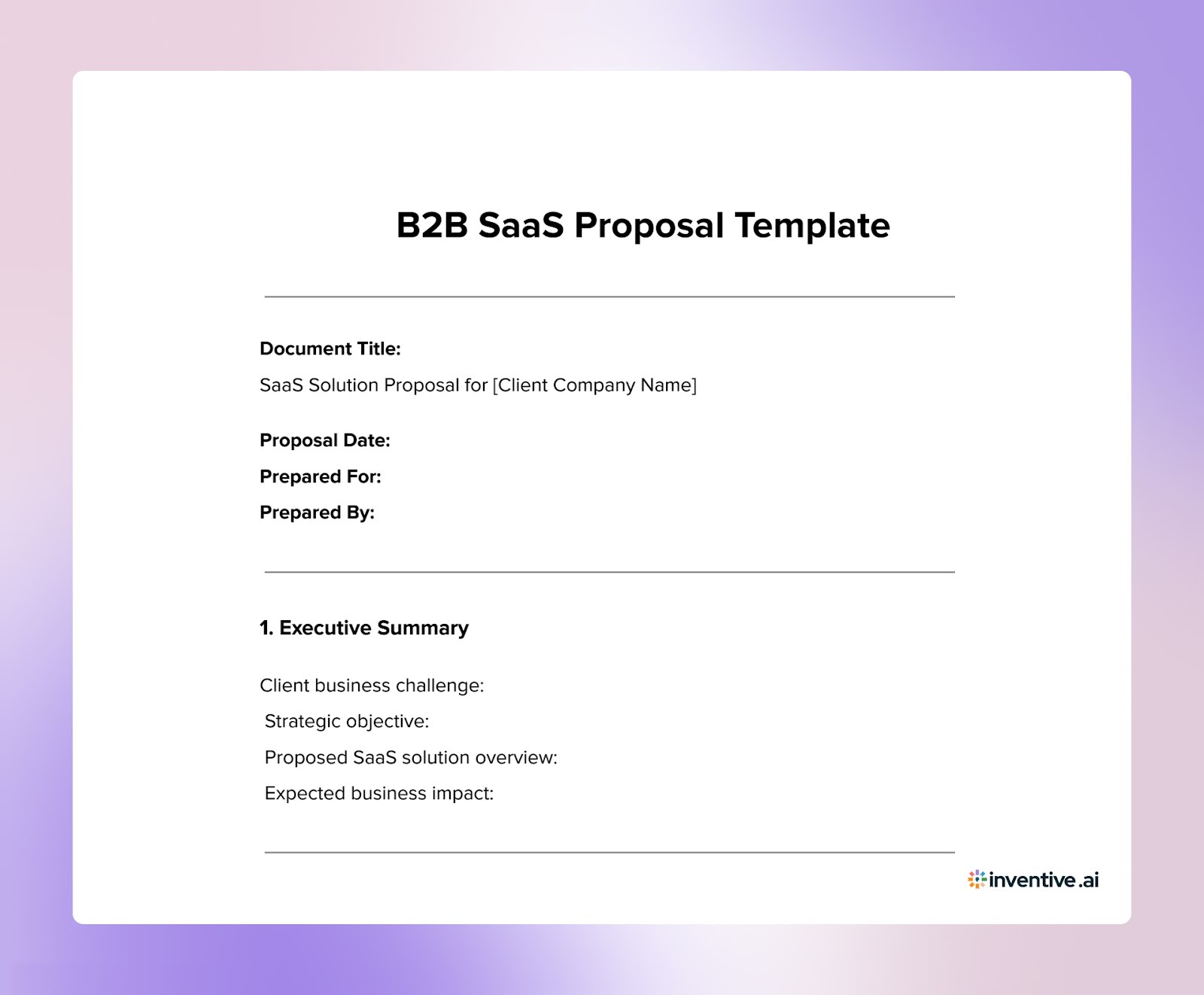
This template is designed for SaaS companies selling to other businesses with multi-stakeholder approval processes.
The structure emphasizes:
- Business case and ROI framing.
- Integration architecture.
- Security and compliance documentation.
- Pricing tiers and contract terms.
- Implementation roadmap.
This format is suited for mid-market and enterprise B2B sales cycles.
2. Enterprise SaaS Proposal Template
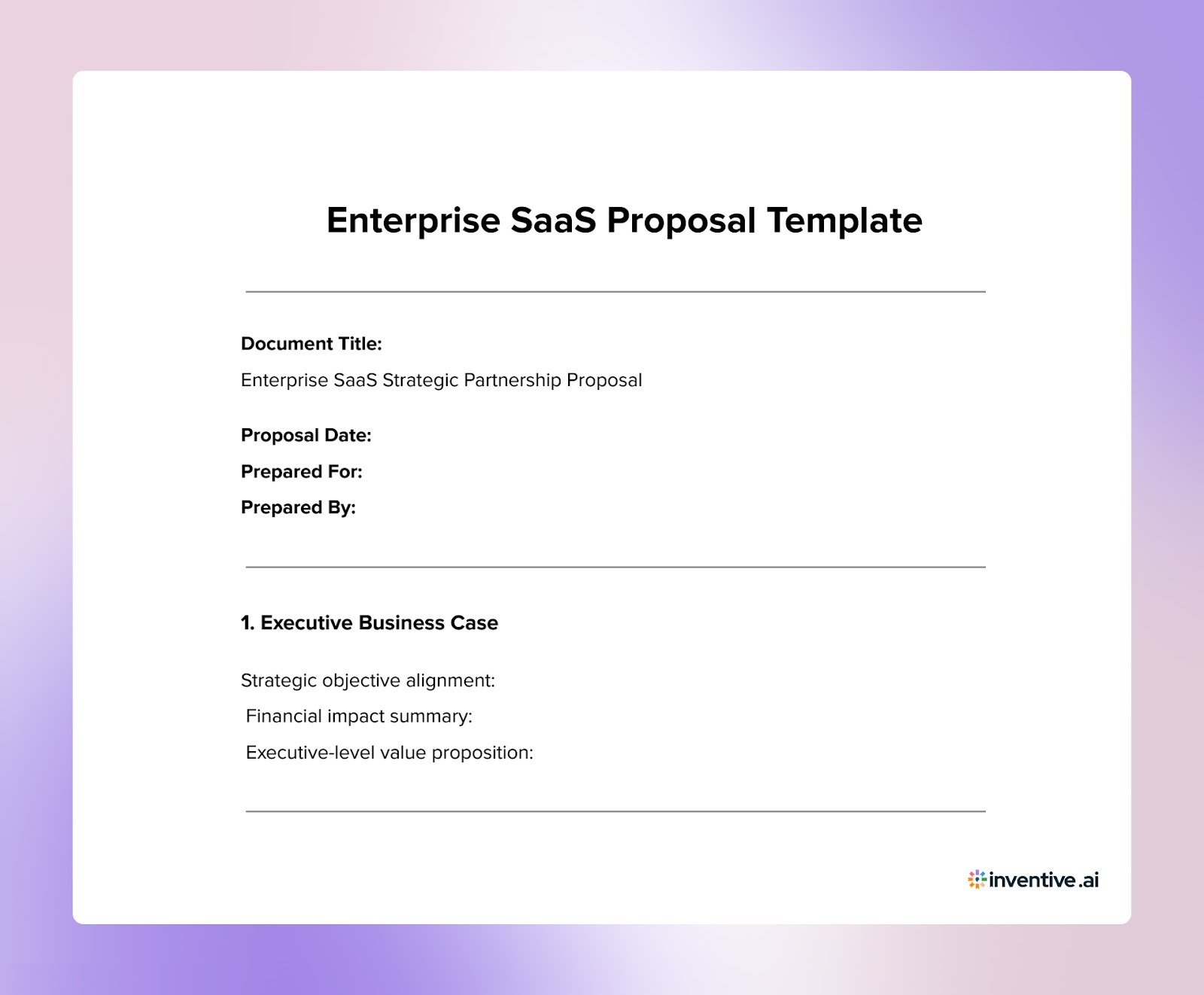
Enterprise SaaS deals involve procurement teams, IT security reviewers, finance stakeholders, and executive sponsors. The proposal must address layered evaluation criteria.
The structure includes:
- Executive-level strategic impact summary.
- Quantified ROI justification.
- Governance and risk documentation.
- Detailed security certifications.
- Scalability and long-term roadmap.
- Commercial terms with multi-year options.
This format supports high-value, long approval-cycle contracts.
3. Startup Or SMB SaaS Proposal Template
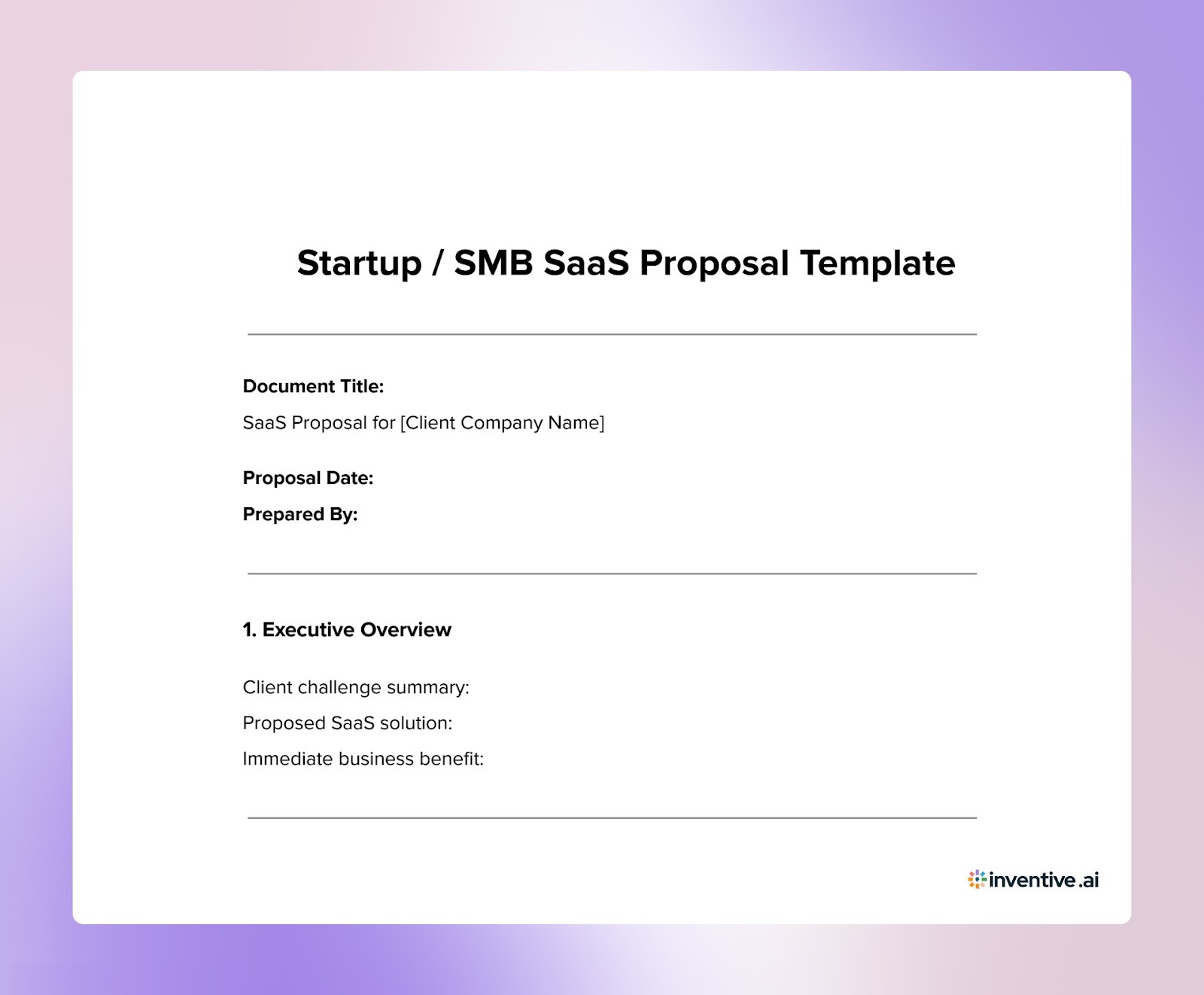
For early-stage or SMB SaaS deals, proposals are shorter and more speed-driven. Buyers prioritize clarity, pricing transparency, and quick implementation.
The structure reflects:
- Concise executive summary.
- Clear problem-solution mapping.
- Transparent pricing.
- Fast onboarding timeline.
- Support coverage.
This format works best for shorter sales cycles and founder-led sales motions.
Top 5 SaaS Proposal Mistakes to Fix (Stop Losing SaaS Deals)
Even well-formatted proposals can lose momentum if they fail to address executive priorities, financial justification, or risk concerns. The following mistakes frequently weaken otherwise strong SaaS proposals and slow deal progression.
1. Generic Executive Summaries
Many SaaS proposals begin with a company overview rather than addressing the client’s specific situation. When the executive summary feels templated, decision-makers quickly disengage because the proposal does not reflect discovery insights or business priorities.
To avoid this, anchor the executive summary in the client’s quantified challenges and desired outcomes. Reference their goals directly and position your solution in terms of measurable business impact rather than product description.
2. Feature Dumping Without Context
Proposals often list features in detail without explaining why they matter. This forces buyers to interpret how capabilities translate into value, which weakens persuasion and slows evaluation.
To prevent this, align each major capability with a stated objective. Explain how the feature improves revenue, reduces cost, mitigates risk, or increases operational efficiency.
3. No ROI Framing
When proposals focus solely on functionality, executive stakeholders struggle to justify the investment internally. Without financial framing, approval conversations shift toward cost instead of value.
To address this, include projected savings, efficiency gains, or performance improvements. Even directional estimates help anchor the discussion around return rather than price.
4. Inconsistent Pricing Models
Switching pricing structures across proposals or presenting unclear tiers creates confusion during procurement review. Inconsistency introduces negotiation friction and delays approval.
Maintain a standardized pricing framework with clearly defined tiers, contract duration, billing structure, and renewal terms. Structured pricing accelerates internal validation.
5. Weak Security And Compliance Explanation
Security sections are often brief and vague, which raises concerns during legal or IT review. Missing certifications or unclear data handling policies can stall the deal late in the cycle.
Strengthen this section by clearly stating certifications, encryption standards, access controls, monitoring practices, and compliance alignment. Addressing security thoroughly reduces downstream review cycles.
Win SaaS Proposals at Scale with Inventive AI
Inventive AI evaluates the entire SaaS proposal in context rather than generating isolated sections. It produces responses aligned with the specific opportunity, flags conflicting statements before submission, and detects outdated content that should not appear in new proposals.
Key Capabilities of Inventive AI:
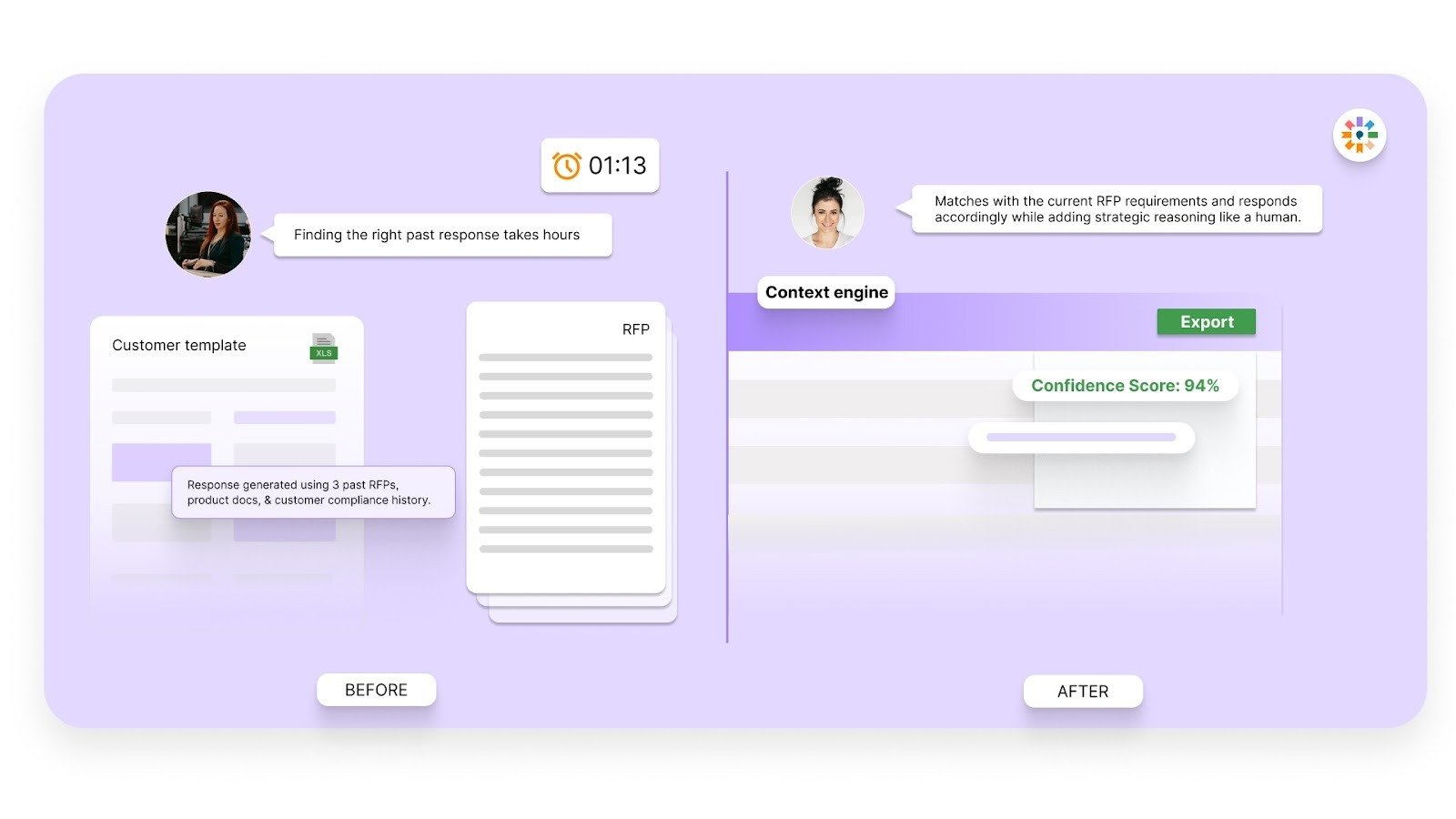
Context-Aware Response Generation
Inventive AI understands the full proposal context, including client objectives, technical requirements, and pricing structure. Responses align with buyer intent rather than relying on static boilerplate.
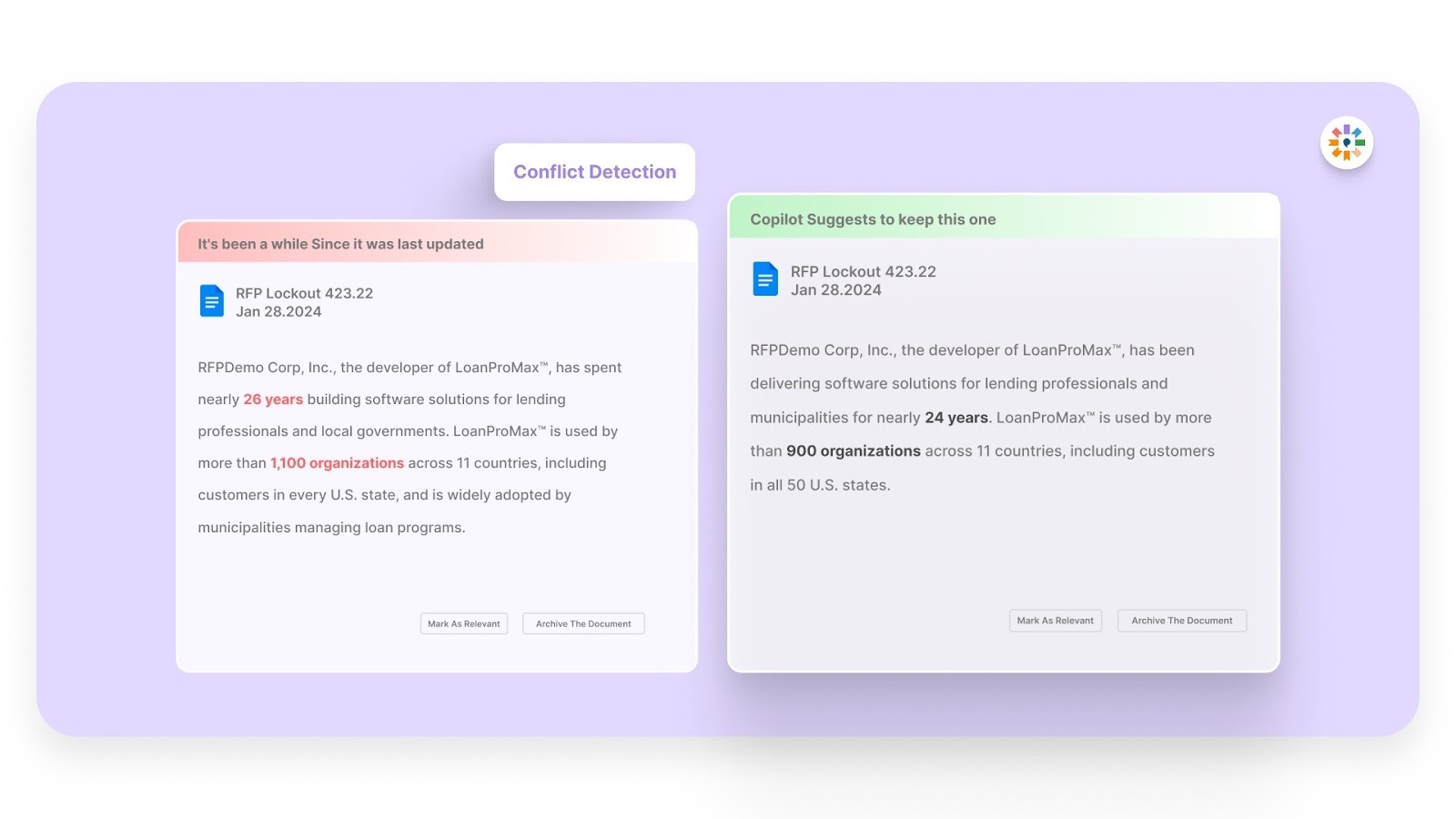
Conflict Detection
Inventive identifies contradictions across executive summaries, pricing sections, and security disclosures before submission, reducing review friction.
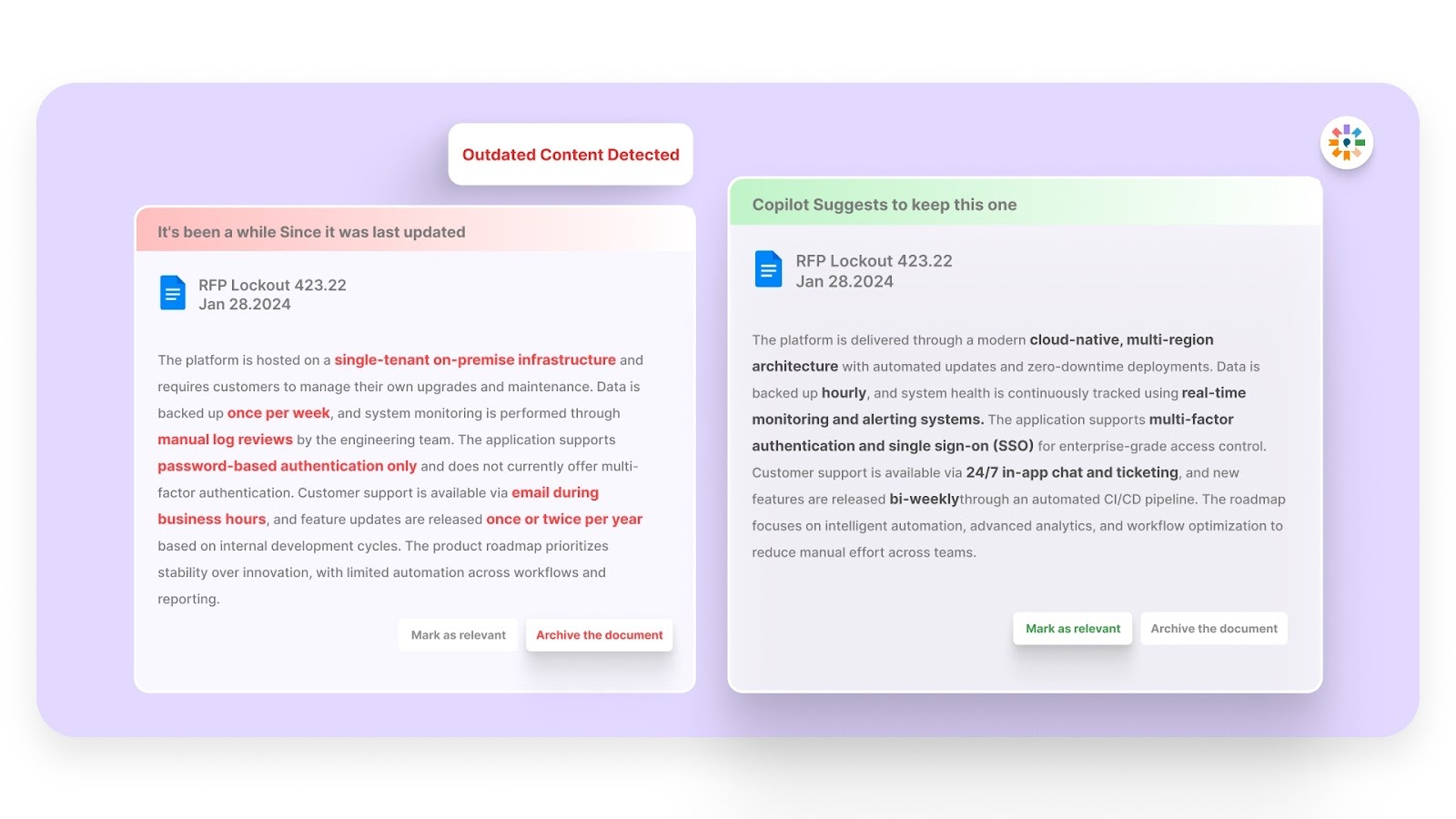
Outdated Content Detection
Inventive AI flags expired certifications, outdated case studies, or superseded product messaging before reuse.
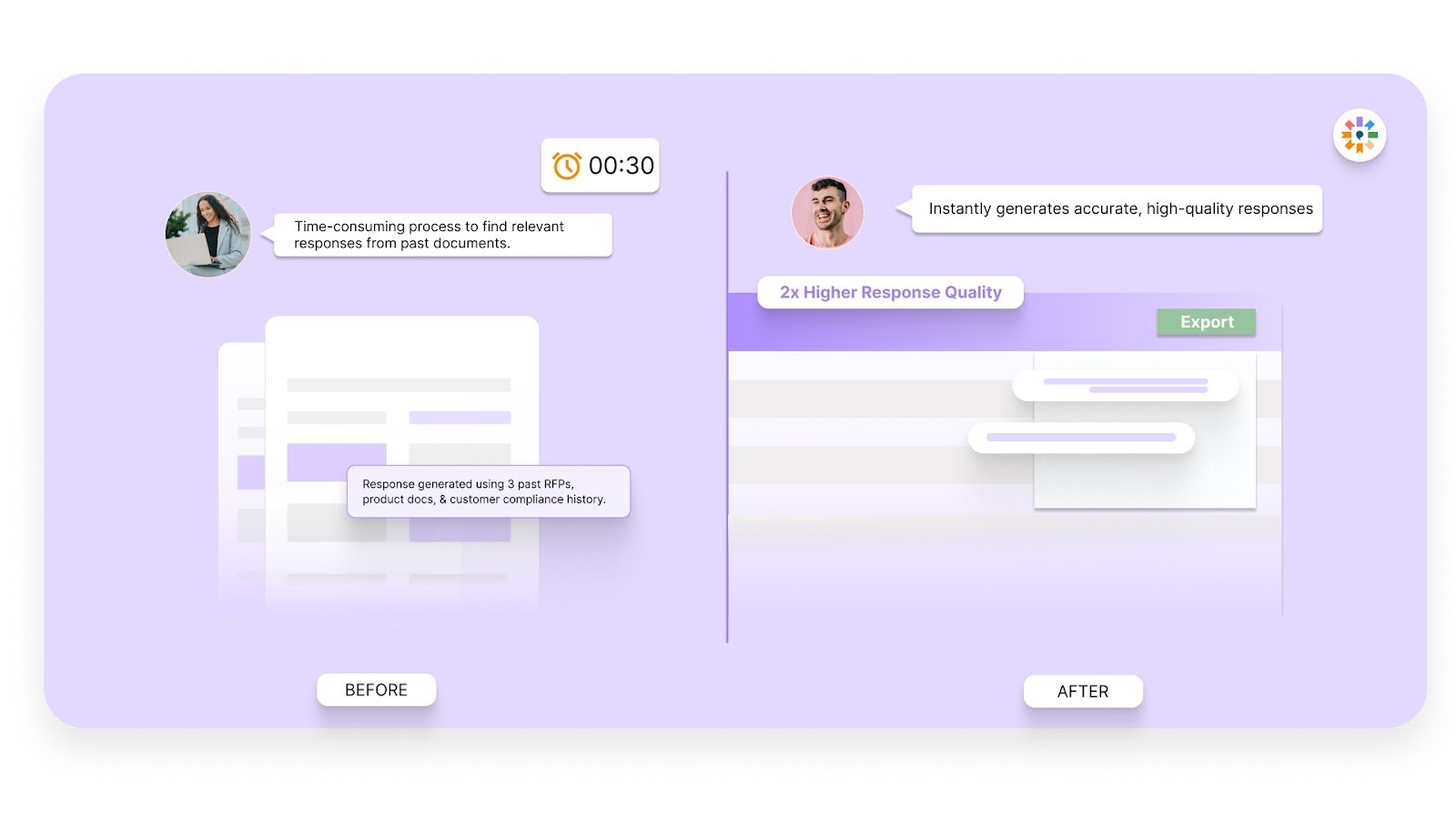
2x Better Response Quality
With its Multi-agents, Inventive AI generates clearer, more structured, and more complete SaaS proposals that often require minimal editing.
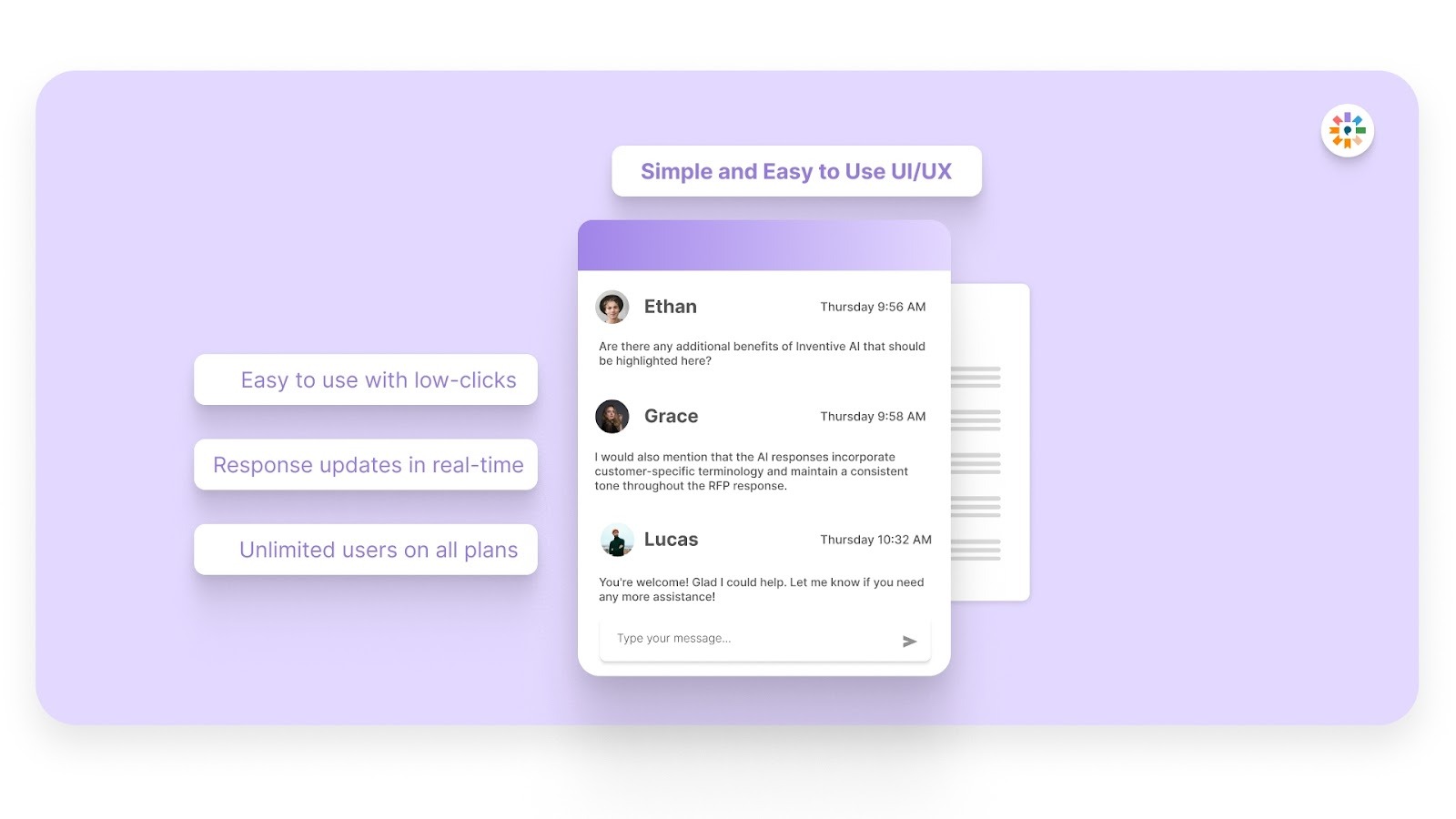
Simple, High-Adoption UI/UX
The platform supports daily and easy use across sales, presales, and proposal teams without disrupting existing workflows.
Narrative Proposal Generation
Beyond structured sections, Inventive AI generates executive-ready business cases, ROI narratives, implementation summaries, and security documentation to support enterprise deal cycles.
FAQs About SaaS Proposal Template
1. When Should You Send A SaaS Proposal?
A SaaS proposal is typically sent after discovery and product demonstrations, once requirements, pricing scope, and technical fit have been clarified.
2. How Is A SaaS Proposal Different From A Quote?
A quote focuses primarily on pricing, while a SaaS proposal presents the business case, solution alignment, implementation plan, and commercial terms together.
3. Should SaaS Proposals Be Customized For Each Client?
Yes. While structure and core sections remain consistent, executive summaries, solution alignment, and pricing details should reflect each client’s specific objectives.
4. What Causes SaaS Proposals To Stall In Procurement?
Common causes include unclear pricing models, incomplete security documentation, missing compliance details, and inconsistent messaging across sections.
5. How Can Automation Improve SaaS Proposal Workflows?
Automation can evaluate proposal content in context, flag inconsistencies, detect outdated information, and support structured drafting across sales teams.
.avif)




%20(13).avif)