RFP Template for Plumbing Services + Contractor Proposal Samples

Procurement teams often receive plumbing service proposals that look similar on the surface but reflect completely different assumptions about scope, staffing, and response coverage. These inconsistencies usually trace back to one issue: an RFP that failed to define the service requirements clearly.
A plumbing services RFP must specify maintenance scope, emergency response expectations, regulatory compliance requirements, technician qualifications, and pricing structure. When these elements remain vague, vendors interpret the work differently, making proposals difficult to compare and creating contract disputes later.
A structured plumbing RFP removes this ambiguity. It outlines the service scope, regulatory requirements, technician qualifications, and pricing format so procurement teams can evaluate bids consistently.
The templates below provide structured formats for issuing a plumbing services RFP and preparing proposal responses when bidding on plumbing service contracts.
RFP Template for Plumbing Services to Evaluate Plumbing Contractors (for Buyers)
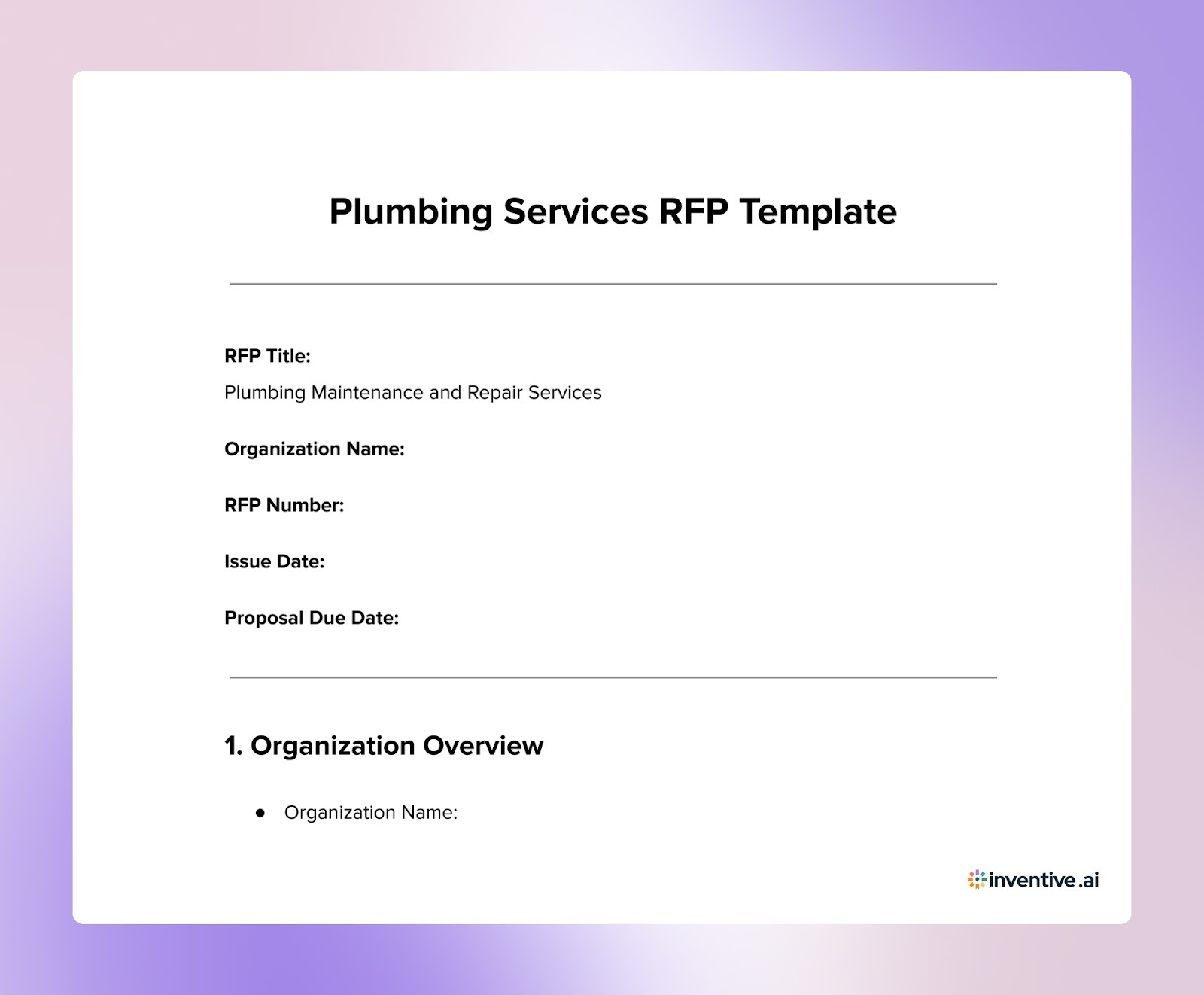

Organizations issuing plumbing RFPs must provide enough operational detail for contractors to estimate labor requirements, equipment needs, and material costs. Incomplete RFPs often lead to inconsistent pricing or unrealistic service commitments.
The following sections outline the information plumbing contractors rely on when preparing service proposals, calculating technician hours, and planning emergency coverage.
1. Define Contract Scope and Service Coverage
This section establishes the overall service agreement and determines how contractors price their service model. Plumbing vendors assess whether the contract focuses on routine maintenance, on-demand repairs, or full facility coverage.
Include key details such as:
- Contract duration
- Renewal options
- Number of facilities covered
- Whether services include emergency support
Contract structure affects pricing because contractors must account for technician availability, service dispatching, and potential overtime requirements.
2. Document Building Infrastructure and Plumbing Systems
Plumbing vendors estimate labor hours based on the size of the facility and the complexity of its plumbing systems. Large buildings with multiple mechanical rooms, boilers, or industrial piping require different service models than smaller properties.
Provide measurable information such as:
- Total building square footage
- Number of floors
- Number of restrooms and fixtures
- Type of plumbing systems installed
Contractors use these details to determine inspection schedules and technician allocation.
3. Specify Preventive Maintenance Requirements
Preventive maintenance is often a major component of plumbing service contracts. Buyers should clearly outline inspection schedules and required servicing activities.
Typical maintenance tasks may include:
- Pipe inspections
- Valve and fixture testing
- Drain cleaning
- Water pressure checks
Grouping maintenance tasks by frequency helps vendors estimate technician hours more accurately.
4. Define Service Scheduling and Emergency Response
Plumbing systems can fail outside regular working hours, so service coverage expectations must be defined early in the RFP. Emergency response requirements influence staffing availability and pricing models.
Clarify details such as:
- Service hours
- After-hours support requirements
- Weekend availability
- Emergency response timelines
Contractors use this information to design service schedules and dispatch plans.
5. Establish Technician Qualifications and Safety Standards
Plumbing services involve licensed technical work and safety-sensitive environments. Buyers often require vendors to demonstrate licensing compliance and workforce training standards.
Include requirements such as:
- Licensed plumbing technicians
- Background screening policies
- Safety training programs
- Certification requirements
These standards ensure contractors meet regulatory and safety expectations.
6. Define Tools, Equipment, and Materials Responsibilities
Plumbing vendors typically provide specialized equipment, diagnostic tools, and repair materials. However, responsibility for certain components may vary depending on the contract structure.
Specify expectations around:
- Diagnostic equipment
- Replacement parts
- Pipe repair materials
- Specialty tools
Clear equipment responsibilities help vendors price contracts accurately.
7. Document Insurance and Compliance Requirements
Plumbing work carries physical and property risk, so insurance requirements must be clearly defined. Contractors typically provide documentation proving liability coverage and workers’ compensation insurance.
Include requirements such as:
- Minimum general liability coverage
- Workers’ compensation insurance
- Local licensing requirements
- Compliance with building regulations
These requirements protect facility owners during service operations.
8. Standardize Pricing Format
Consistent pricing structures allow procurement teams to compare bids fairly. Without a defined pricing format, vendors may submit estimates using different cost models.
Specify the pricing format, including:
- Preventive maintenance fees
- Hourly repair rates
- Emergency service rates
- Material markup policies
Standardized pricing improves bid transparency.
9. Define Proposal Submission Requirements
Clear submission requirements ensure contractors include all required documentation. Missing documents can delay evaluation or disqualify otherwise competitive proposals.
Typical requirements include:
- Service methodology
- Staffing plan
- Pricing schedule
- Insurance certificates
- Client references
This section ensures consistent proposal documentation across vendors.
10. Establish Proposal Evaluation Criteria
Evaluation criteria guide how procurement teams compare plumbing service providers. Contractors use these criteria to tailor their proposals to the buyer’s priorities.
Typical scoring categories include:
- Pricing competitiveness
- Service methodology
- Contractor experience
- Compliance documentation
Publishing evaluation criteria improves transparency and encourages stronger proposals.
Clear RFP requirements help buyers compare plumbing contractors, but vendors must mirror these operational details to win contracts. The next section outlines how plumbing service providers typically structure their proposals.
RFP Template For Plumbing Services to Strengthen Contractor Submissions (for Vendors)
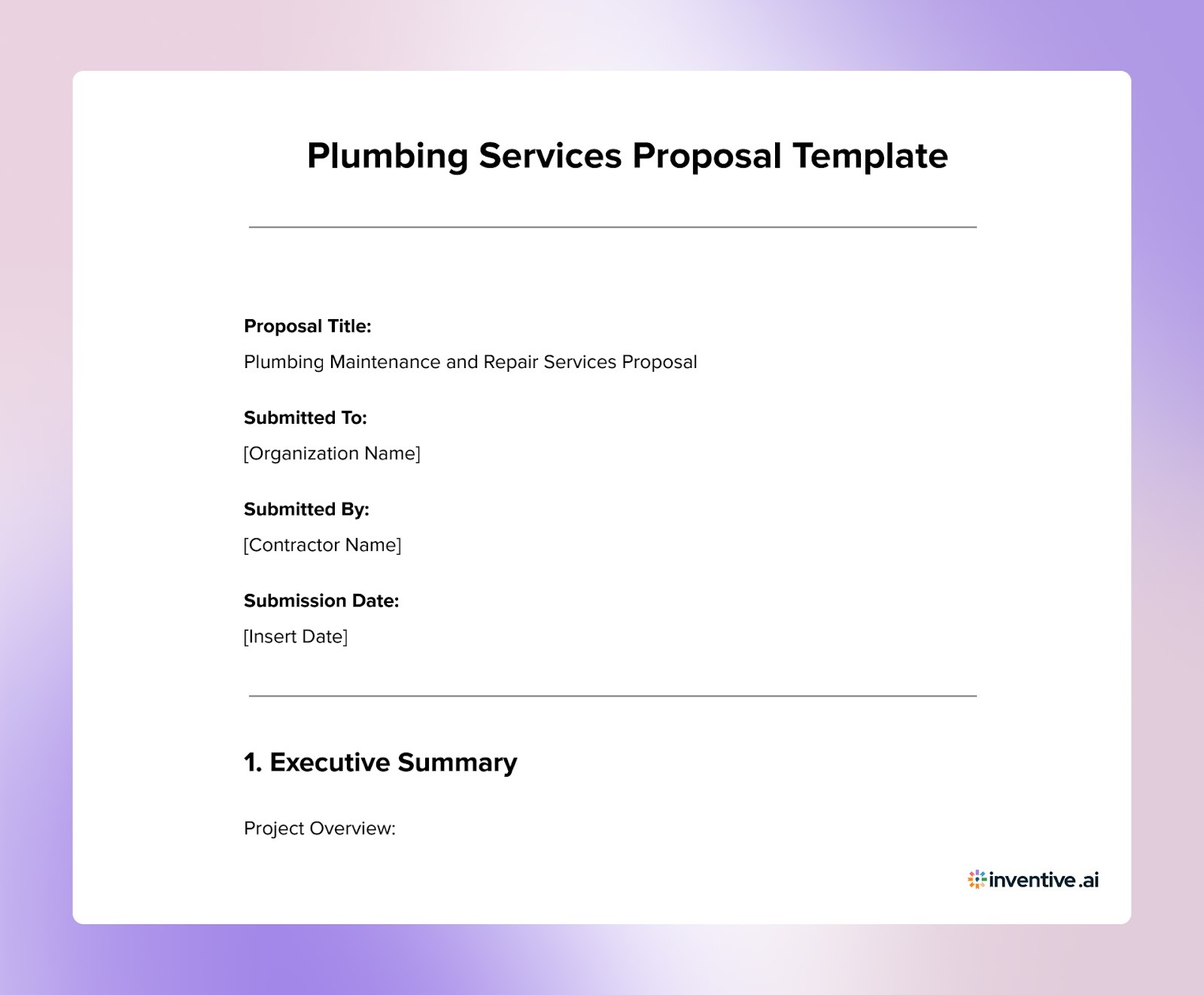
Plumbing contractors responding to RFPs must demonstrate operational reliability, certified technicians, equipment readiness, and transparent pricing. Buyers evaluate proposals based on service coverage, response time, safety practices, and contractor experience.
The following sections describe the typical structure used when preparing plumbing service proposals.

1. Executive Summary
The executive summary confirms alignment with the buyer’s facility requirements and outlines the contractor’s service approach.
It typically summarizes:
- Facility scope
- Maintenance coverage
- Emergency response capabilities
This section gives evaluators a quick overview of the contractor’s service model.
2. Company Profile
Buyers use this section to evaluate contractor experience and operational capacity. Plumbing vendors should document company history, certifications, and project experience.
Include:
- Years in operation
- Licensed technician workforce
- Industry certifications
- Geographic service coverage
This section demonstrates contractor credibility.
3. Understanding of Project Requirements
Successful proposals restate the buyer’s operational requirements to demonstrate a clear understanding of the plumbing systems and service expectations.
Contractors typically reference:
- Facility infrastructure
- Service schedules
- Preventive maintenance scope
- Emergency coverage expectations
This section shows evaluators that the contractor understands the project.
4. Proposed Plumbing Service Approach
This section describes how the contractor will deliver the required services. It explains maintenance procedures, repair workflows, and inspection routines.
Typical elements include:
- Preventive maintenance methodology
- Repair response procedures
- System inspection schedules
Buyers evaluate whether the approach aligns with operational needs.
5. Technician Staffing Plan
Plumbing proposals must document workforce availability and supervision models. Buyers want to understand how contractors ensure consistent service coverage.
Include information about:
- Technician team size
- Supervisor structure
- Dispatch and scheduling procedures
This section demonstrates service reliability.
6. Quality Assurance and Service Monitoring
Quality control systems ensure service standards are maintained throughout the contract period. Contractors should describe inspection procedures and performance tracking.
Typical elements include:
- Service inspections
- Client feedback systems
- Performance reporting
7. Safety and Compliance Practices
Plumbing services involve safety risks and regulatory compliance. Contractors should document their safety protocols and training programs.
Include details about:
- Safety training programs
- Hazard response procedures
- Compliance with local regulations
8. Pricing Proposal
This section provides a structured cost breakdown for the services offered. Contractors should align pricing with the format specified in the RFP.
Typical pricing elements include:
- Preventive maintenance costs
- Hourly repair rates
- Emergency service pricing
9. References and Past Projects
Contractors should provide examples of comparable plumbing service contracts to demonstrate reliability and technical capability.
Include:
- Client references
- Facility types serviced
- Contract durations
10. Required Attachments
Proposal submissions typically require supporting documentation confirming regulatory compliance and insurance coverage.
Common attachments include:
- Insurance certificates
- Licensing documentation
- Safety certifications
RFP Template for Plumbing Services by Facility Type
Plumbing proposals vary depending on the facility type and service requirements. Maintenance scope, regulatory standards, and service frequency differ significantly across sectors.
The following proposal categories represent common plumbing contract scenarios.
1. Government Plumbing Service Proposal
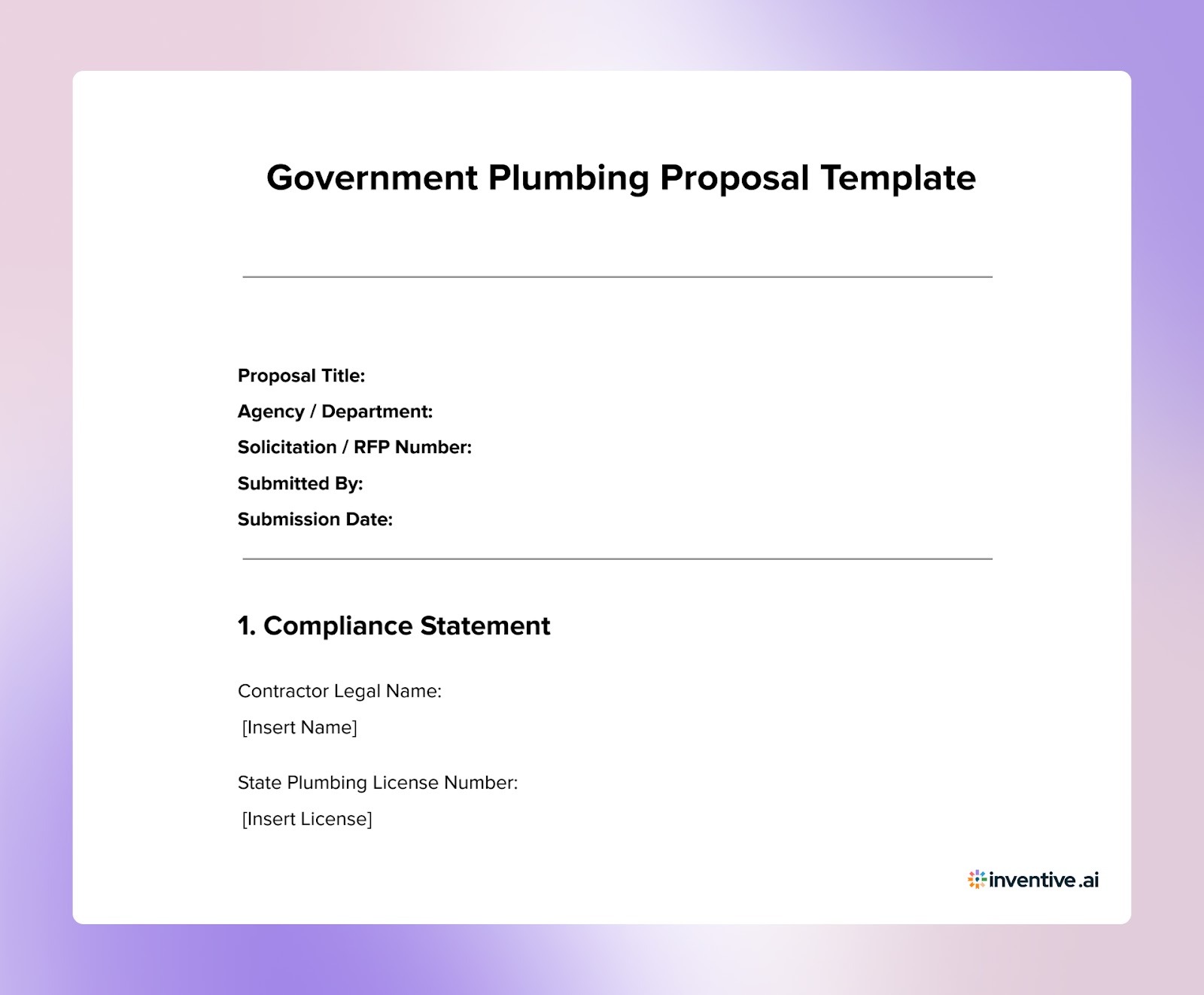
Government plumbing contracts typically require strict compliance documentation, licensed personnel, insurance verification, and structured pricing formats. These proposals often follow formal procurement procedures and require detailed service plans.

2. Commercial Building Plumbing Proposal
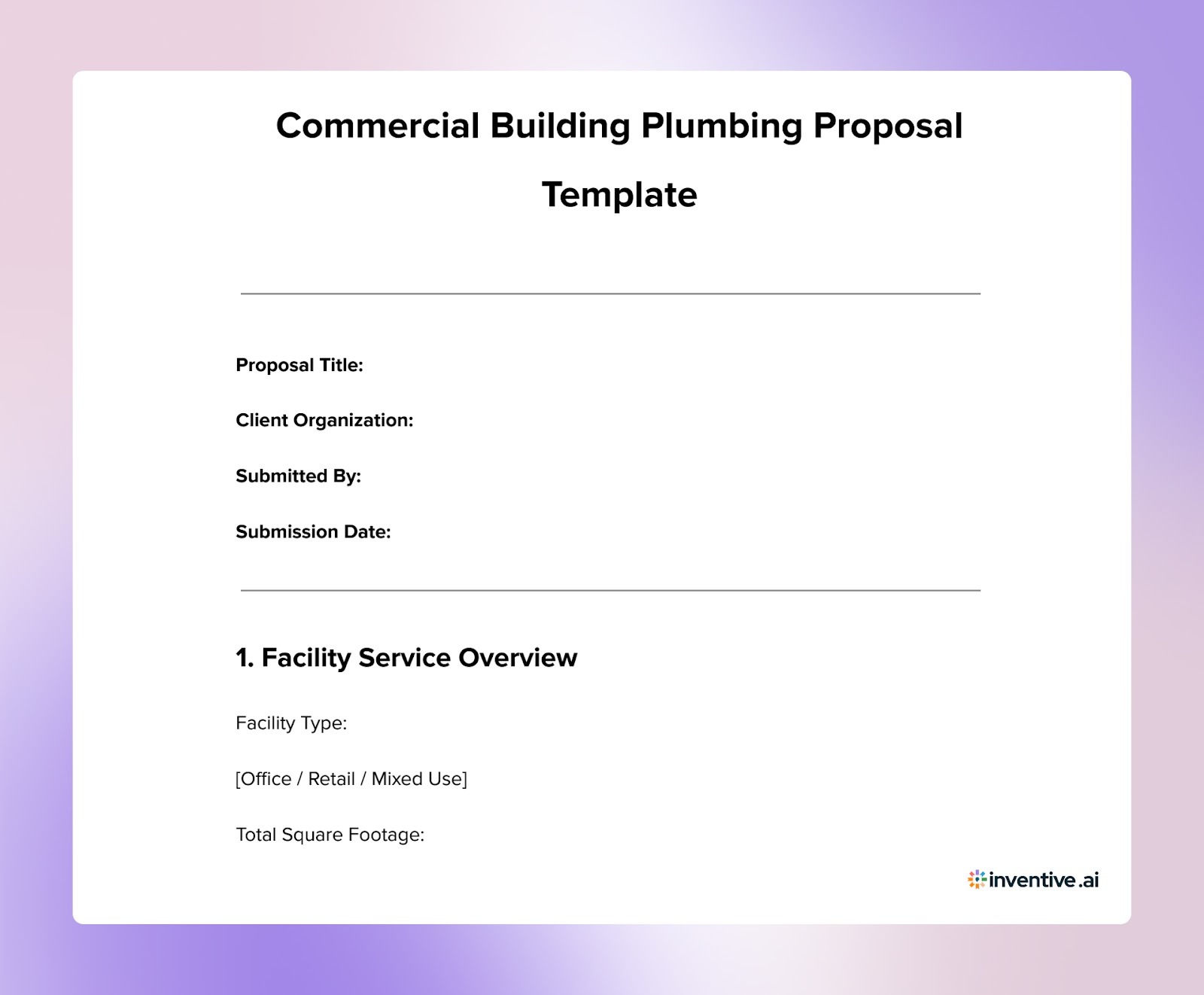
Commercial plumbing contracts focus on preventive maintenance, emergency response coverage, and minimal disruption to business operations. Buyers prioritize reliability, technician availability, and consistent service delivery.

3. Industrial Plumbing Service Proposal
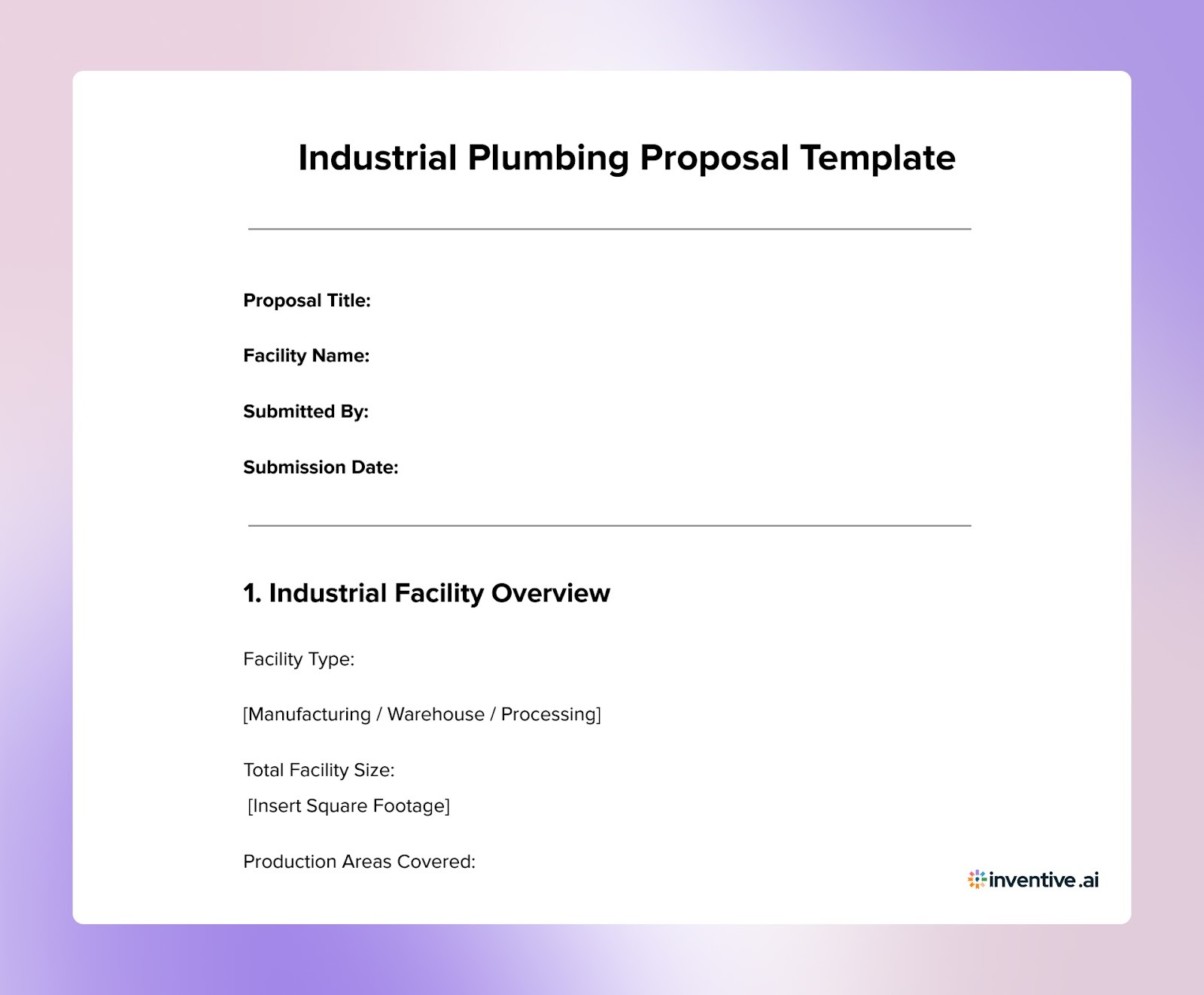
Industrial facilities require specialized plumbing services involving heavy-duty piping systems, process water systems, and equipment-connected plumbing infrastructure. Safety procedures and technical expertise are critical evaluation factors.

Submit Accurate Plumbing RFP Responses With Inventive AI
Responding to plumbing service RFPs often requires assembling service methodologies, technician certifications, safety documentation, and pricing structures from previous proposals. Over time, reused content can create inconsistencies between staffing plans, service schedules, and pricing assumptions.
Inventive AI helps proposal teams generate structured plumbing RFP responses faster while maintaining consistency across submissions. Instead of manually compiling proposal sections, teams can generate context-aware responses aligned with the buyer’s service requirements.
Key capabilities include:
1. Context Engine
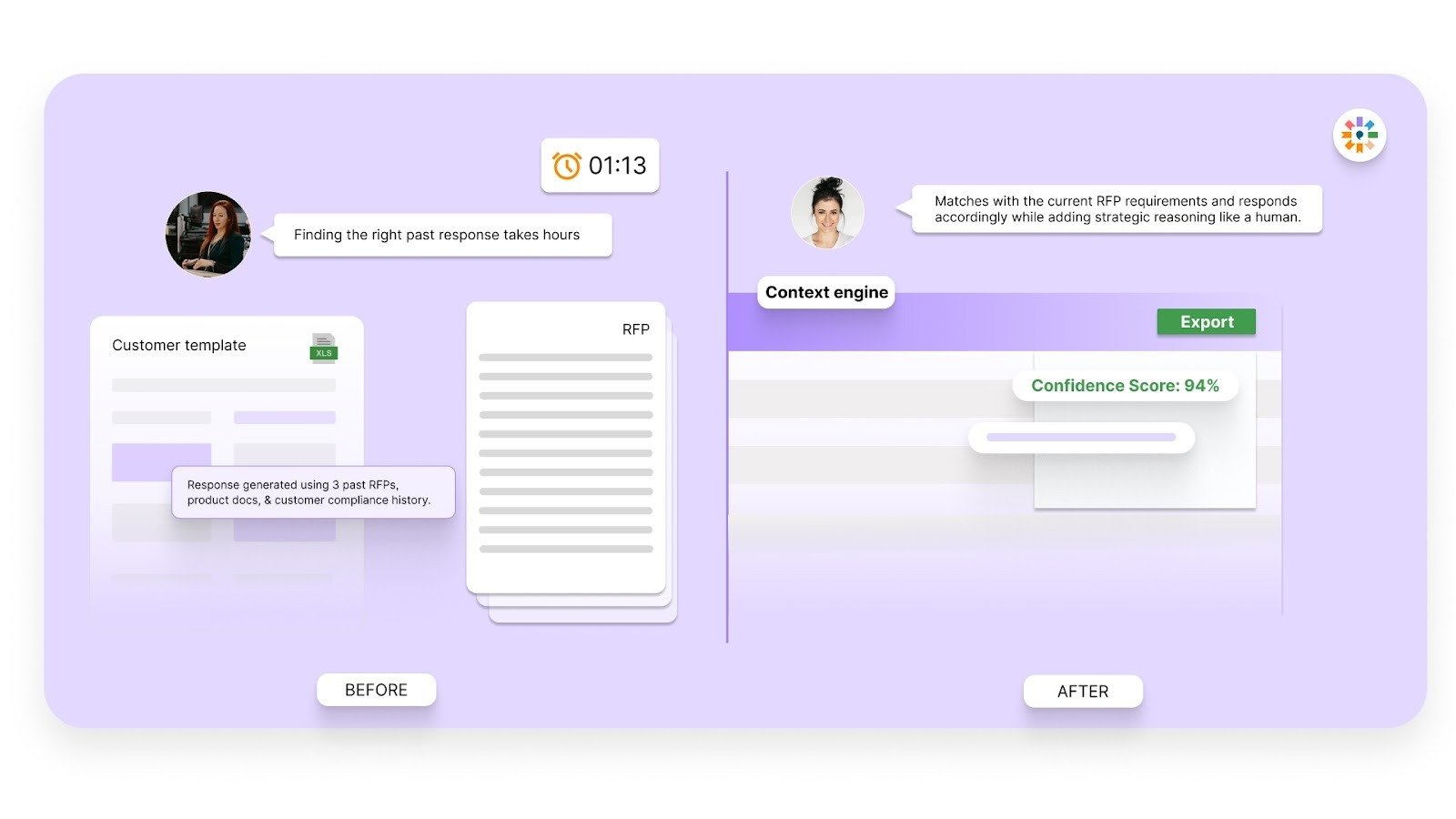
Inventive AI analyzes the full RFP document before generating responses. This allows the system to align technician staffing levels, service frequency, and pricing assumptions with the facility requirements described in the RFP.
2. Conflict Detection
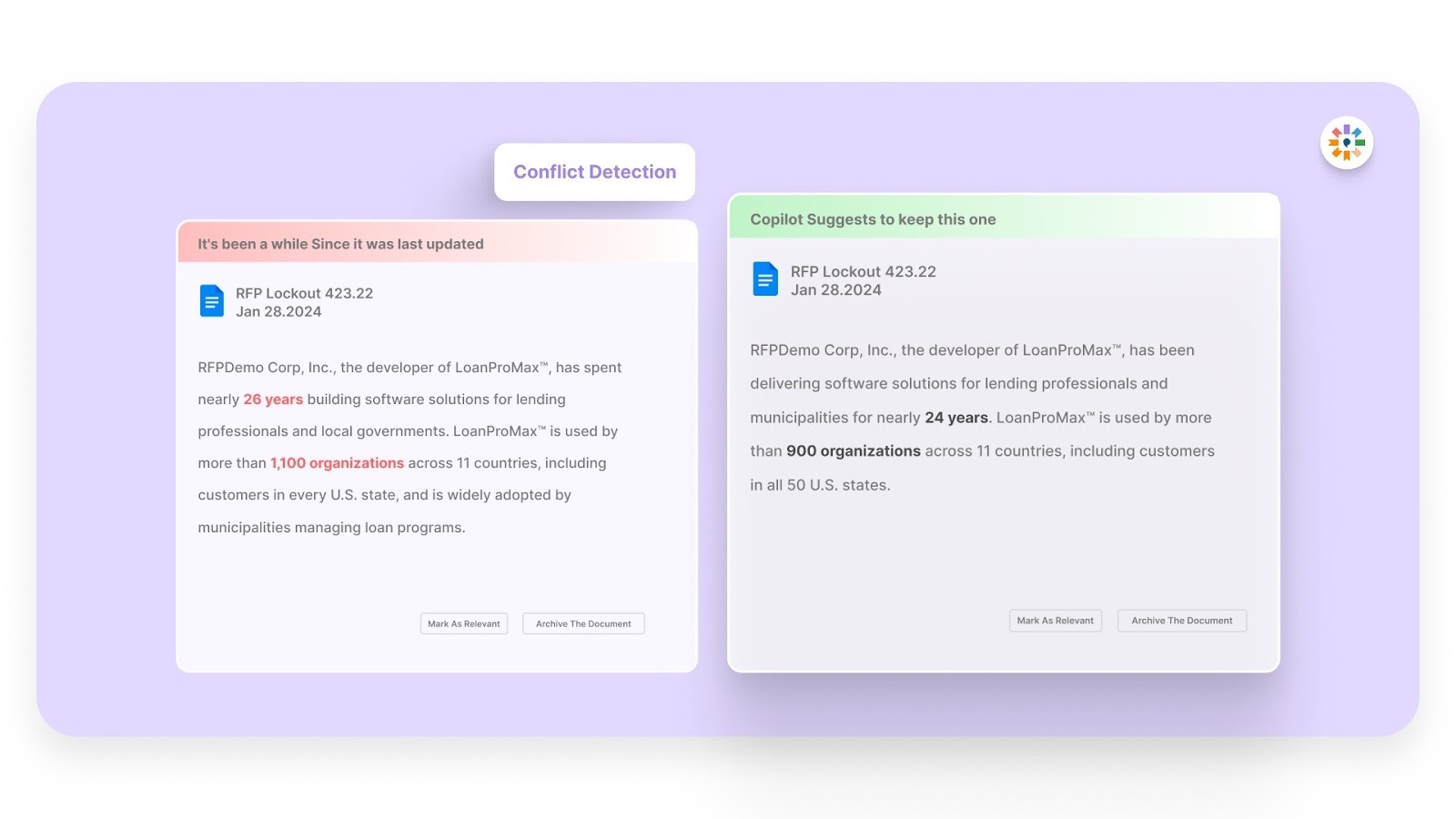
Plumbing proposals often contain overlapping sections covering service scope, staffing, and pricing. Inventive AI identifies contradictions between these sections before submission.
3. Outdated Content Detection
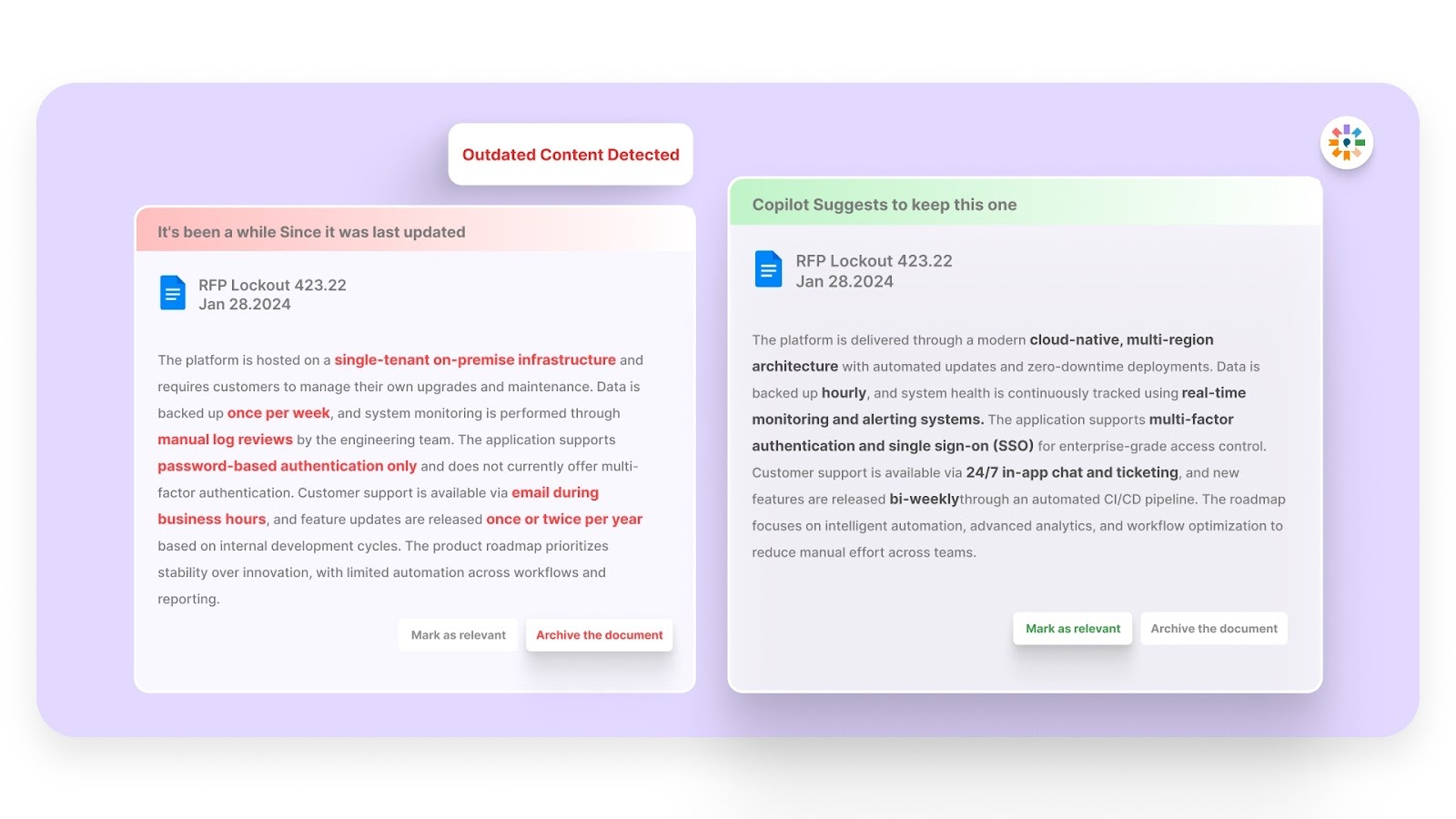
Proposal libraries frequently contain outdated certifications, insurance limits, or service descriptions. Inventive AI flags outdated content before it appears in new submissions.
4. 2x Higher Quality Proposal Responses
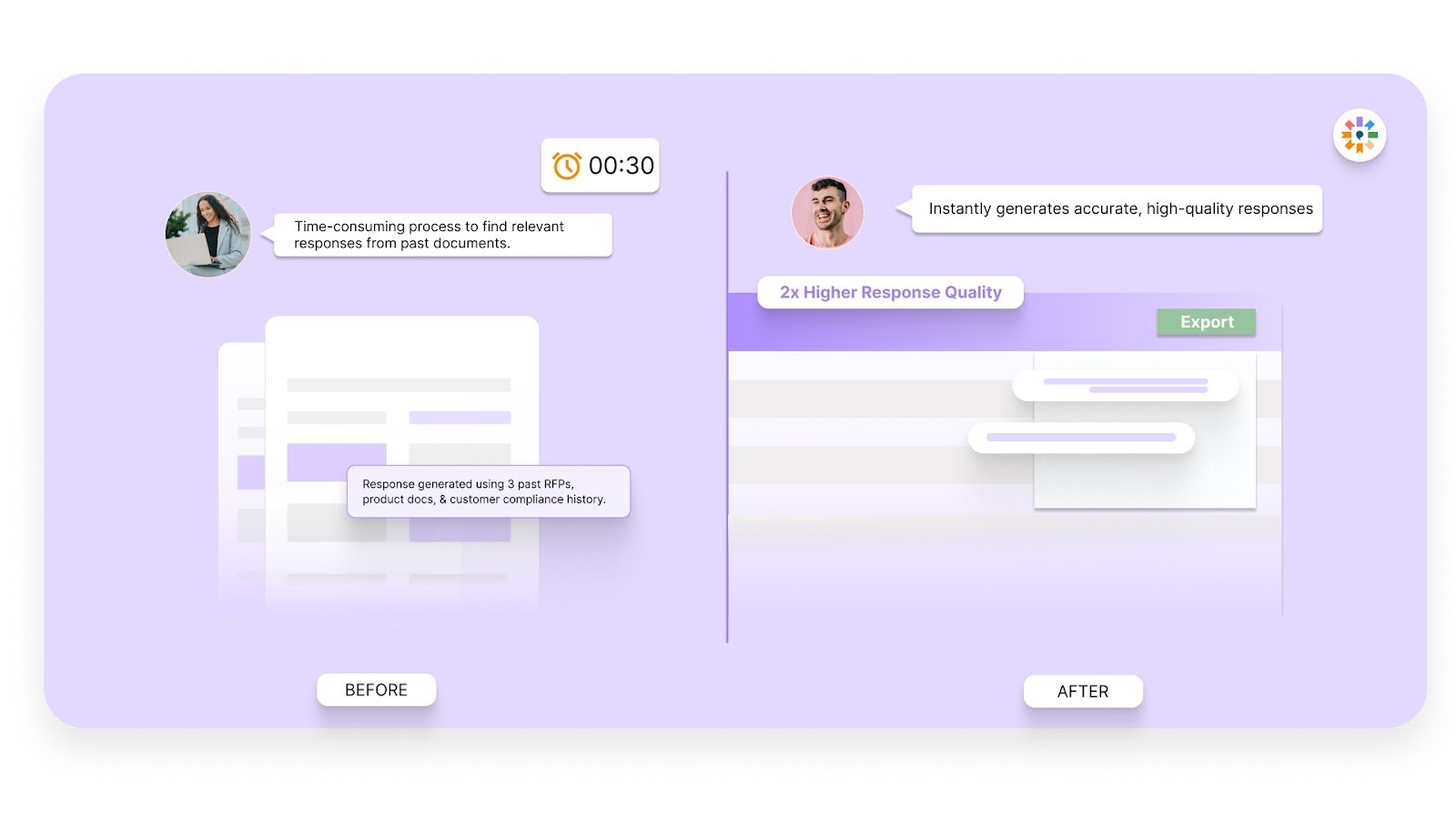
Inventive AI produces structured responses aligned with the buyer’s evaluation criteria, helping proposal teams deliver clearer and more complete submissions.
5. Narrative Proposal Generation
Beyond structured responses, Inventive AI generates executive summaries, service methodologies, and operational narratives required in plumbing service proposals.
6. Simple Interface for Proposal Teams
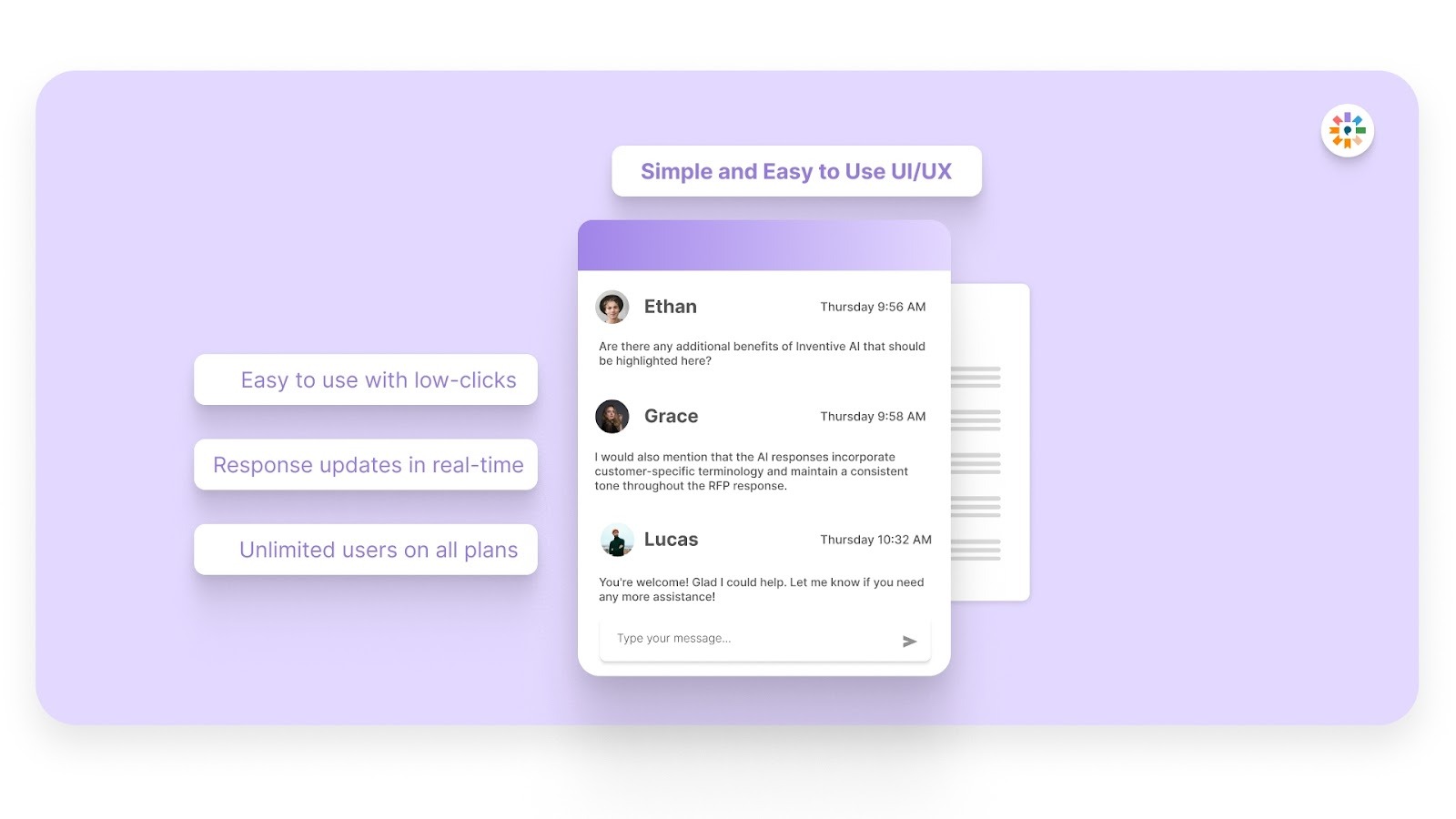
Inventive AI provides a centralized workspace where teams can generate, review, and finalize plumbing RFP responses quickly.
FAQs About Plumbing Services RFP
1. When Should a Company Issue an RFP for Plumbing Services?
Organizations typically issue an RFP when plumbing services involve ongoing maintenance, multi-building coverage, or long-term service contracts. An RFP allows procurement teams to compare contractor qualifications, service approaches, and pricing structures before selecting a provider.
2. What Is the Difference Between a Plumbing RFP and a Plumbing Service Contract?
A plumbing RFP is a document used to request proposals from contractors before selecting a service provider. A plumbing service contract is the agreement signed after a contractor is selected, outlining service scope, pricing, response times, and contractual obligations.
3. Can Small Businesses Use a Plumbing RFP Template?
Yes. Small commercial properties, residential developments, and property management firms can use plumbing RFP templates to standardize contractor bids. Even smaller facilities benefit from structured proposals because they make pricing and service expectations easier to compare.
4. What Documents Do Plumbing Contractors Usually Submit With Proposals?
Plumbing contractors typically submit several supporting documents with their proposals, including proof of licensing, insurance certificates, technician certifications, safety policies, and references from previous plumbing service contracts.
5. How Do Emergency Plumbing Service Requirements Affect RFP Proposals?
Emergency service requirements significantly influence contractor pricing and staffing plans. Vendors must ensure technicians are available outside normal service hours and may include additional costs for on-call coverage or guaranteed response times.

.avif)




.avif)