A Winning Survey RFP Template: Complete Guide for Vendors

Are you tired of struggling to piece together all the details for a compelling proposal?
For vendors like you, RFP responses can take hours of valuable time, often leading to inefficiencies and missed opportunities.
But it doesn't have to be that way. Using an organized RFP process can cut response times by up to 90%. And with a solid Survey RFP template, you can simplify the entire process, ensuring your responses are both efficient and effective.
This blog will help you understand how to use a Survey RFP template to improve your RFP responses. We’ll discuss the key components, tips for customization, and how you can use AI-powered software to simplify the process.
The Ultimate Survey RFP Template for Winning Proposals in 2026
Here’s the template that will help you get started on your next Survey RFP response.
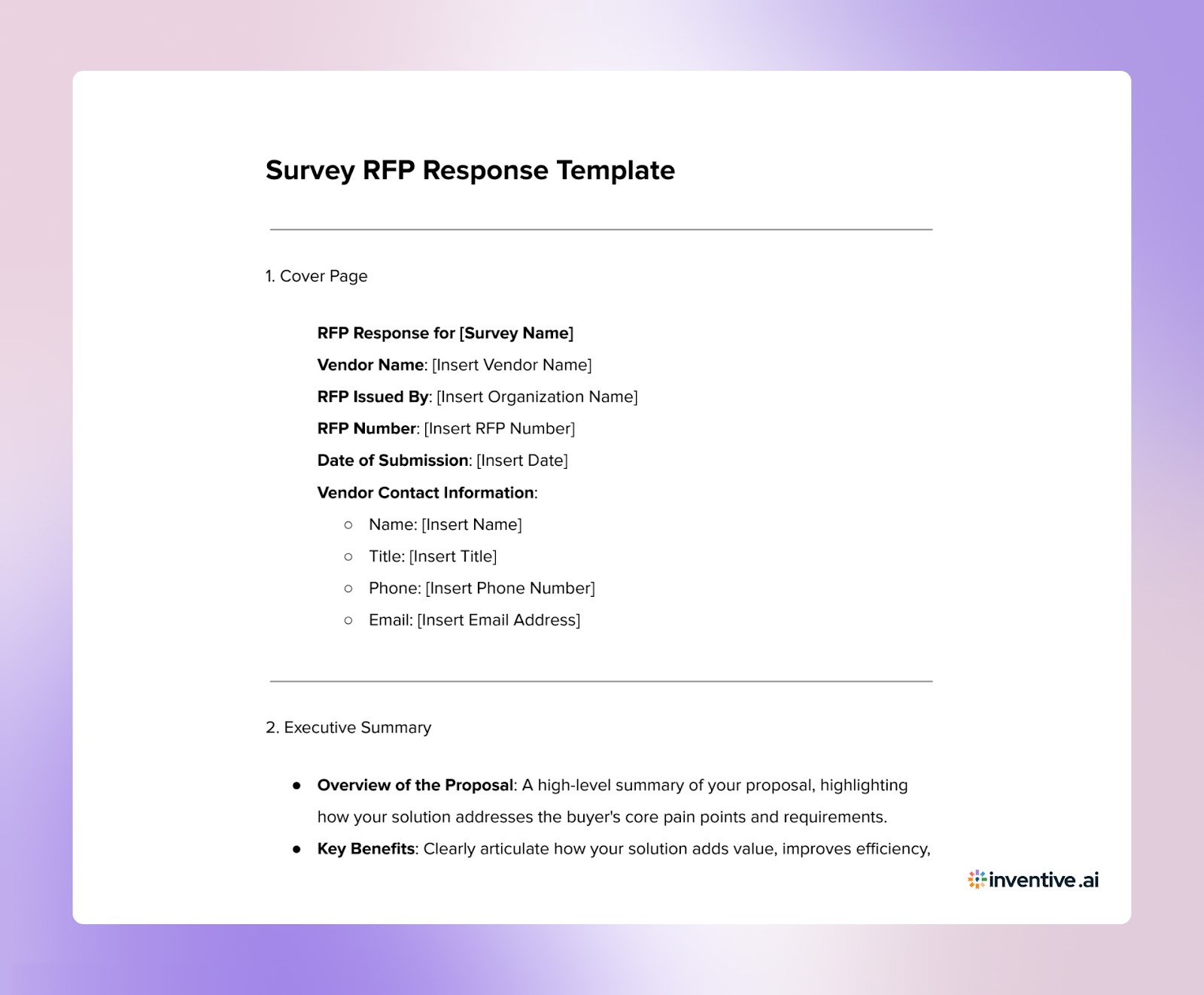

About The Survey RFP Template
A Survey RFP template acts as a roadmap, guiding you through the key components you need to include in your response. It’s a tool that saves you time and ensures your proposal is well-organized.
Why Use a Template?
- Consistency: Ensure your responses remain consistent across all proposals.
- Efficiency: Save time by focusing on tailoring the content rather than starting from scratch.
- Clarity: Provide clear, structured proposals that meet the buyer’s needs.
- Relevance: Stay on topic and address each requirement directly.
- Customization: Easily adapt the template to fit any survey requirements.
Using a Survey RFP template simplifies the process and enhances the quality of your proposals, allowing you to respond faster and more effectively.
Survey RFP Template : Building Blocks for Winning Proposals
A well-structured Survey RFP template ensures your response is comprehensive and directly addresses the buyer’s needs. Here are the key components that should be included:
1. Executive Summary
This is your chance to make a strong first impression. A clear, concise summary that directly addresses the buyer’s pain points, your understanding of the project, and how your solution will meet their needs.
2. Company Background
Provide relevant details about your company’s experience, expertise, and qualifications. Focus on past successes that are closely aligned with the survey requirements to build trust and establish credibility.
3. Survey Methodology
Outline the specific approach you will take to conduct the survey. Include details about the survey design, target audience, data collection methods, and how you’ll ensure the results are reliable and actionable.
4. Timeline
Provide a detailed project schedule, including milestones and deadlines for each phase of the survey. This shows the buyer you can deliver within their timeframe and gives them confidence in your ability to manage the project efficiently.
5. Pricing
Offer a clear breakdown of the costs involved, including any optional services or additional fees. Be transparent to avoid misunderstandings later in the process.
6. Evaluation Criteria
Clearly outline how your proposal will be assessed. Include factors like survey methodology, past performance, and alignment with the buyer’s goals to demonstrate that your approach meets their evaluation priorities.
These are some of the important elements of a comprehensive Survey RFP response, but there may be additional components based on the specific requirements of each RFP.
Also Read: Top 5 RFP Software in 2026: Which to Use?
Turn Your Survey RFP Responses into Irresistible Proposals with Our Template
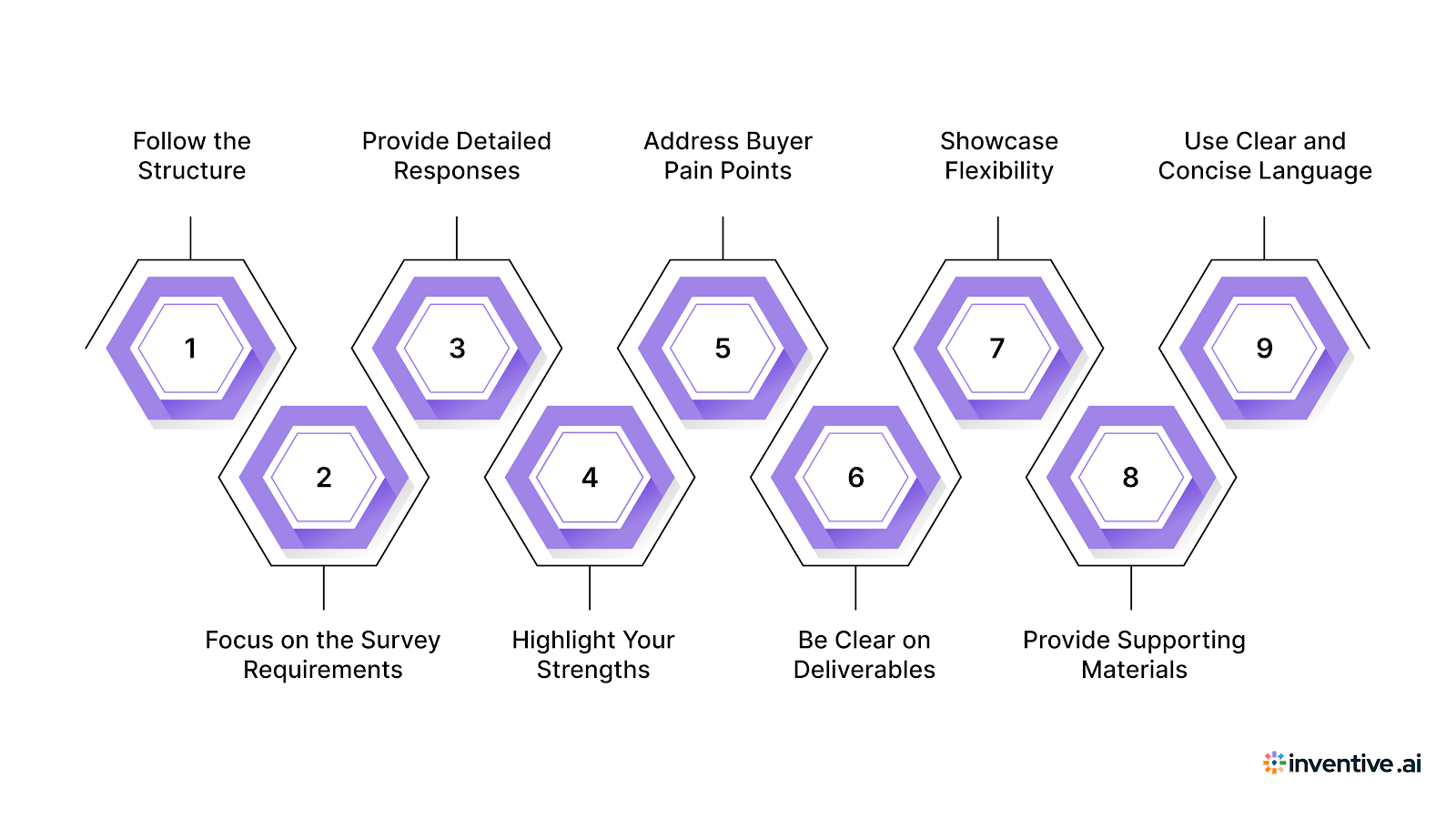
When it’s time to respond to a Survey RFP, our template acts as your guide, helping you structure your response in a way that meets the buyer’s requirements and increases your chances of success.
1. Follow the Structure
Stick to the template structure for a logical, organized response. This ensures that no critical section is missed and provides a consistent, professional flow throughout the proposal.
2. Focus on the Survey Requirements
Tailor each section to address the specific questions or requirements outlined in the RFP. Highlight how your solution directly meets the buyer’s goals and emphasizes their needs.
3. Provide Detailed Responses
Use the template to expand on each section with precise, relevant details. Avoid vague answers and offer clear explanations, examples, and data to support your claims, demonstrating your capability to deliver.
4. Highlight Your Strengths
Use the customizable sections to emphasize your unique value proposition. Whether it’s your expertise, industry experience, or past successes, make sure the buyer understands what sets you apart.
5. Address Buyer Pain Points
Directly reference the challenges the buyer is facing and explain how your approach solves these problems. Showing empathy and providing tailored solutions creates a stronger connection with the buyer.
6. Be Clear on Deliverables
Specify what the buyer will receive, when they’ll receive it, and how it meets their expectations. Include any relevant deliverables, reports, or outcomes to set clear expectations and reduce any potential ambiguity.
7. Showcase Flexibility
While the template provides structure, don’t be afraid to adapt it where necessary. If the buyer has unique needs, show that you’re flexible and capable of tailoring your approach to fit their specific requirements.
8. Provide Supporting Materials
Include any additional documents or examples that support your proposal. This might be case studies, sample surveys, or client testimonials that align with the buyer's objectives.
9. Use Clear and Concise Language
Keep your language simple and to the point. Avoid overly technical terms unless they are necessary, ensuring your proposal is easy to understand for all stakeholders involved.
With a well-organized template and the right attention to detail, responding to a Survey RFP becomes a straightforward process, allowing you to submit a compelling proposal that stands out from the competition.
Achieve Higher Win Rates and Faster Responses with Inventive AI
Responding to a Survey RFP doesn’t have to be time-consuming or stressful. Inventive AI’s RFP automation solutions can simplify your process, improve proposal quality, and help you win more deals.
1. 2× Higher Quality Responses
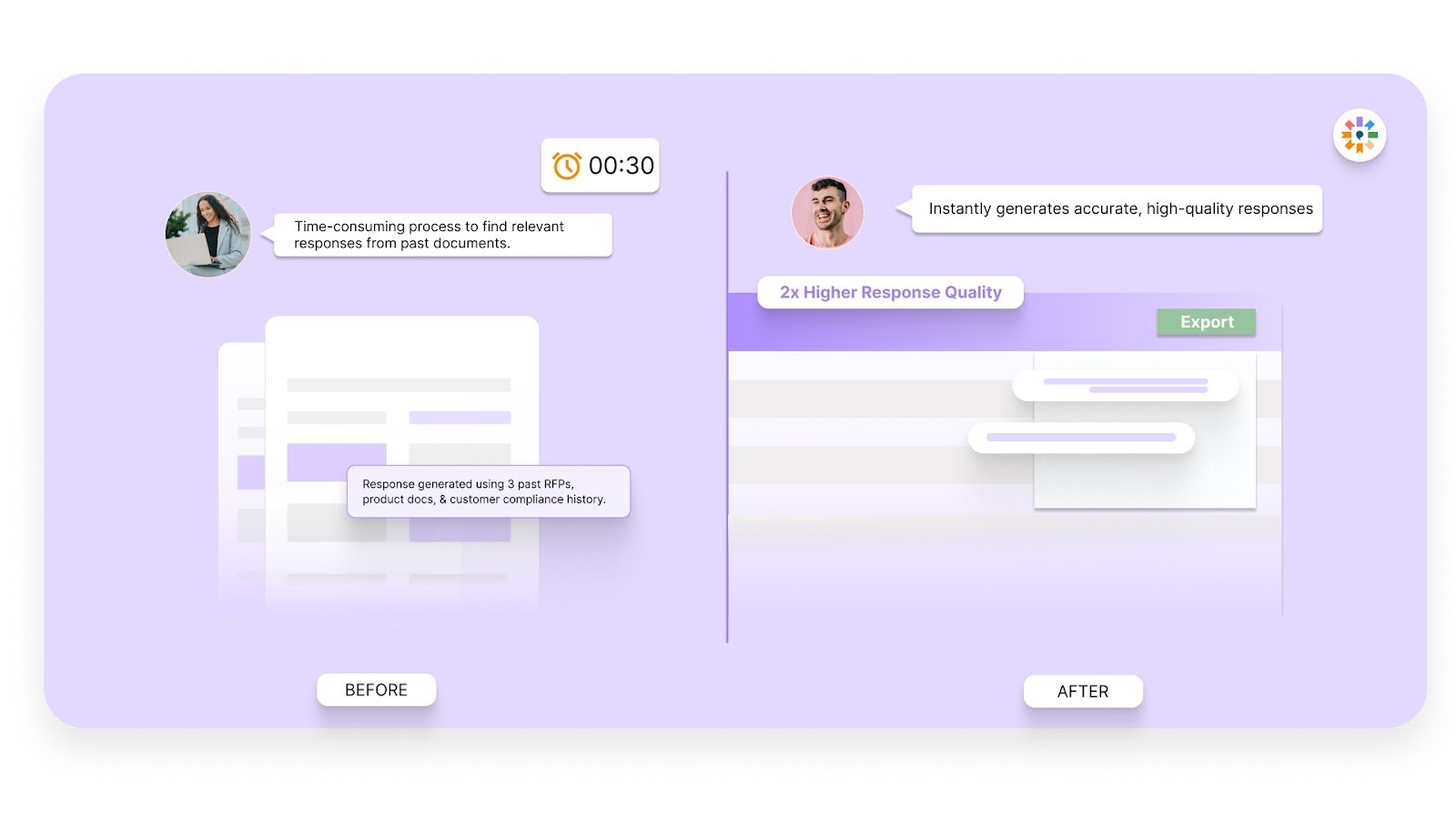
Inventive AI analyses your approved knowledge base and prior submissions to generate responses aligned with buyer intent. This reduces generic language and ensures each answer directly supports evaluation criteria.
2. Context Engine
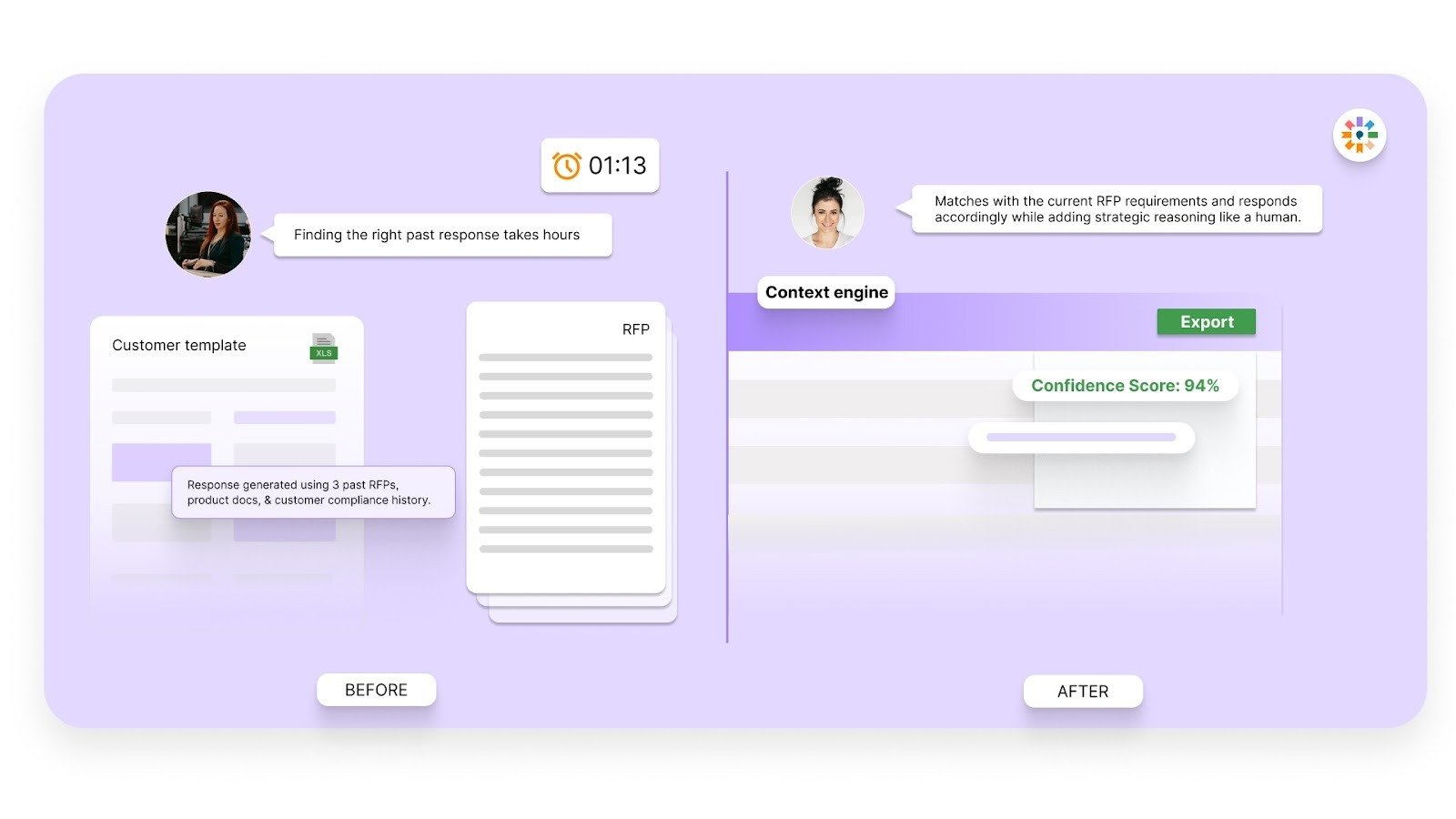
The platform interprets RFP questions and dynamically maps relevant internal knowledge to each section. Teams spend less time searching for content and more time refining strategic positioning.
3. Conflict Detection
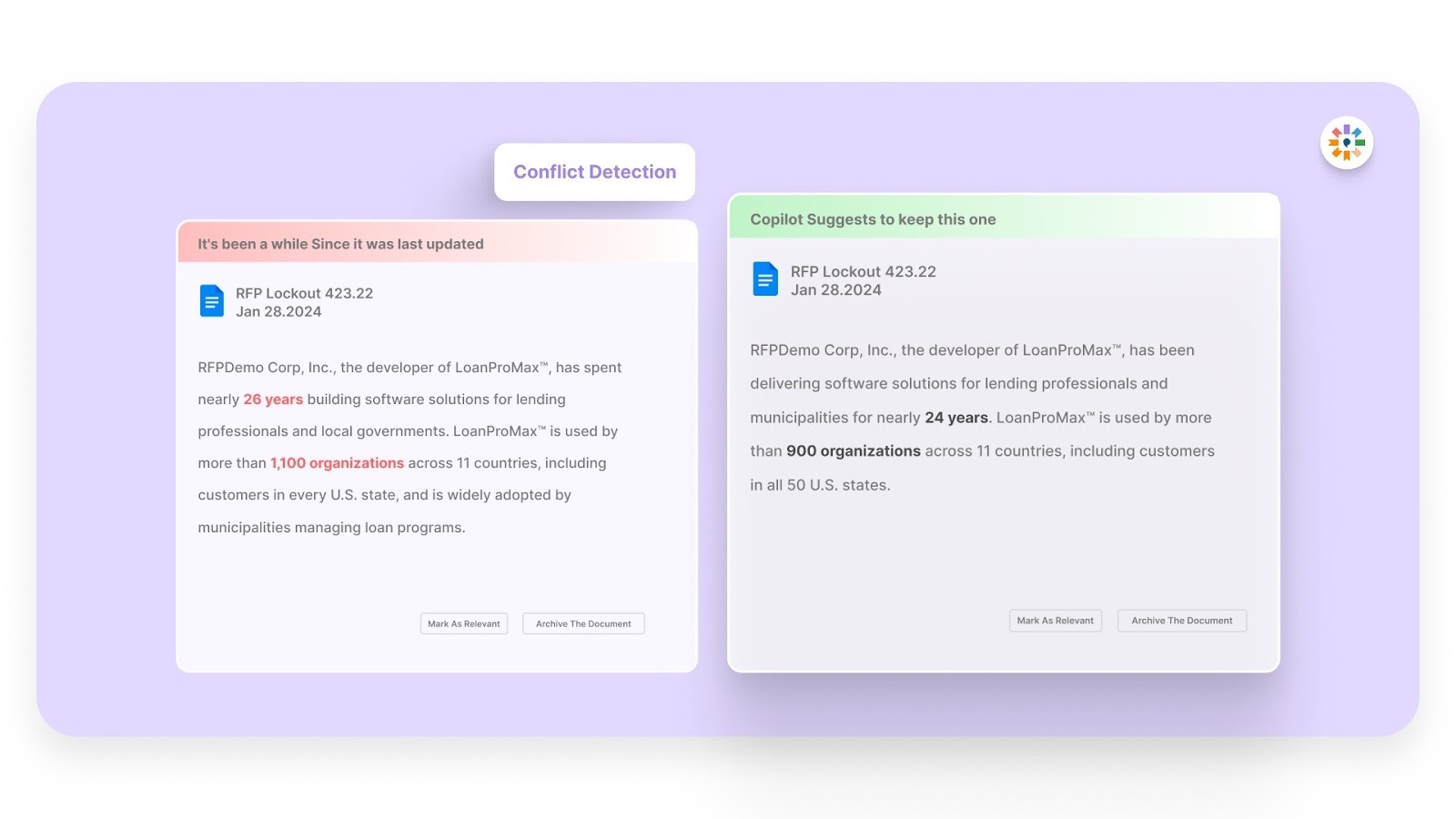
Inventive AI automatically identifies contradictions across technical, security, or commercial sections. This helps eliminate inconsistencies before submission and strengthens evaluator confidence.
4. Outdated Content Detection
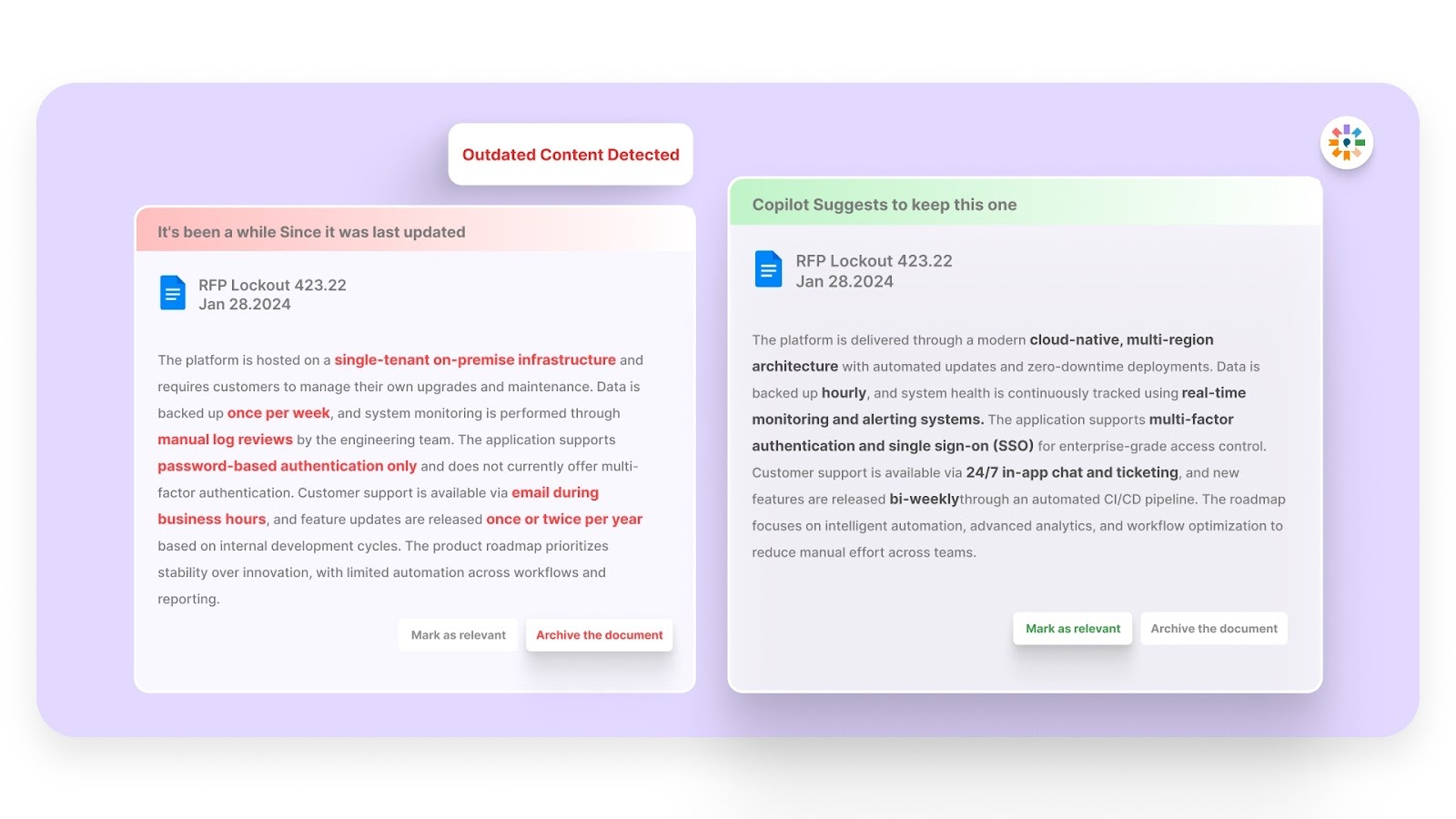
The system flags obsolete certifications, legacy feature descriptions, or outdated pricing references. This ensures every proposal reflects your current capabilities and compliance posture.
5. Simple, Easy-to-Use Interface
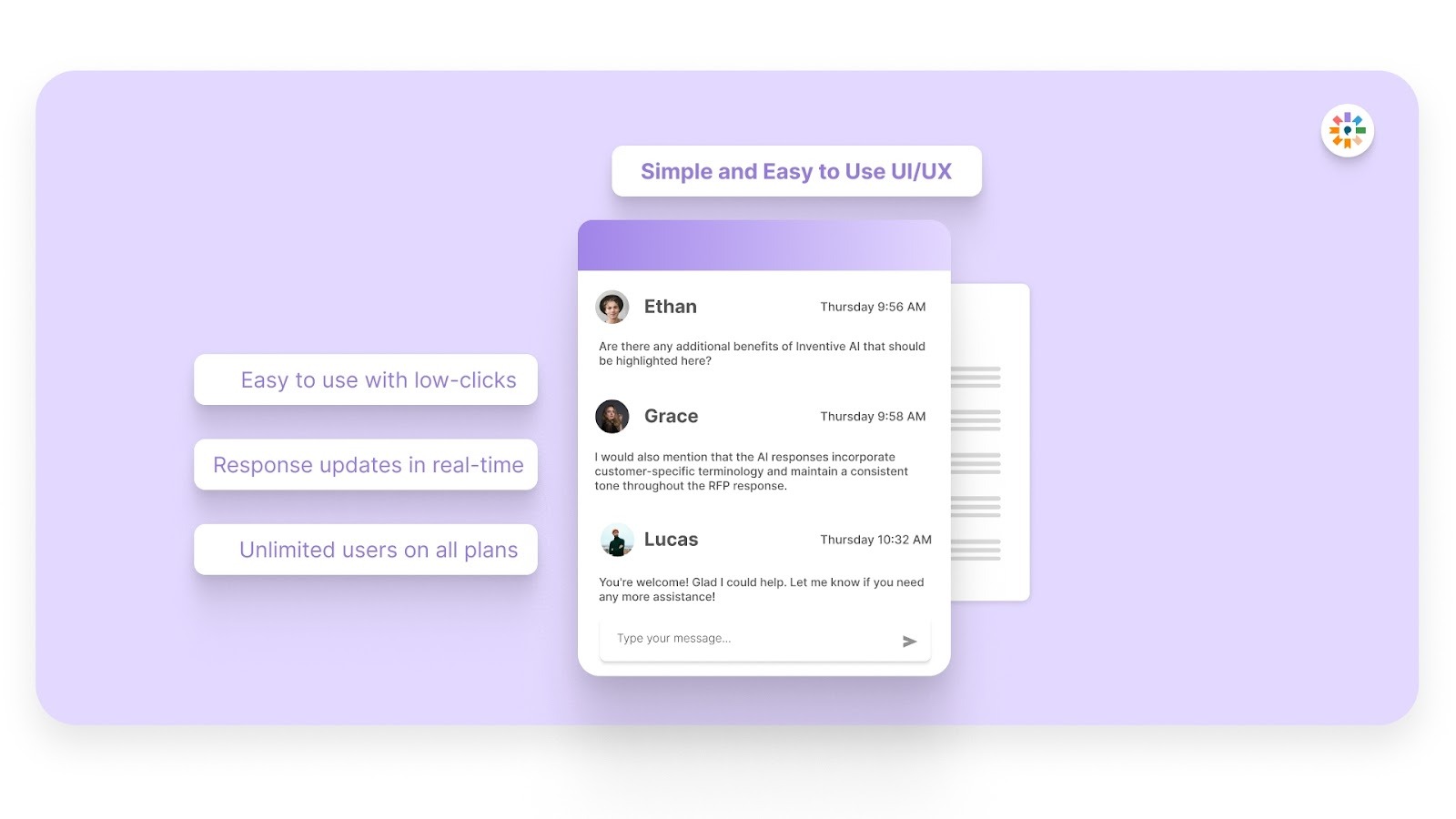
Security, product, legal, and sales teams can collaborate in a single workspace without version confusion or document sprawl. Reviews and approvals move faster, even under tight deadlines.
With Inventive AI’s advanced features, you can respond to Survey RFPs faster, with greater accuracy, and ultimately increase your win rates.
Frequently Asked Questions (FAQs)
1. How does a Survey RFP template improve the proposal process for vendors?
A Survey RFP template simplifies the process by providing a clear, organized structure for your response. Instead of figuring out the framework each time, you can focus on customizing the content to meet the buyer's needs.
2. Can I use a Survey RFP template for multiple RFPs, or is it one-time use?
Yes, the Survey RFP template is versatile. It can be reused for multiple RFPs, with each use requiring only customization to reflect the unique needs of the specific survey. Over time, the template evolves based on feedback, making future responses even quicker and more efficient.
3. What makes a strong executive summary in a Survey RFP response?
A strong executive summary provides a concise yet impactful overview of how your solution addresses the buyer's challenges. It should focus on key results from past projects, directly linking your approach to the buyer’s stated goals.
4. How can I ensure my Survey RFP responses are fully aligned with the buyer’s evaluation criteria?
Thoroughly analyze the buyer’s RFP and adjust your template to highlight the aspects that are most important to them. Make sure every section reinforces how your solution meets or exceeds their expectations.
5. What measurable outcomes can Inventive AI bring to my Survey RFP process?
Inventive AI accelerates the RFP response time by up to 90%, with an emphasis on accurate and tailored responses. It helps vendors improve the quality of their responses, which can lead to a 50% higher win rate.




.avif)