Telecom RFP Template: Boost Proposal Quality and Speed in 2026

Responding to a telecom RFP is becoming more complex. Vendors must address detailed technical requirements while competing with multiple providers for the same opportunity. The sheer time spent on repetitive tasks like drafting, formatting, and aligning content can be draining.
But here's the good news: using a well-structured telecom RFP template can drastically reduce your response time and increase the quality of your proposals.
In this blog, we’ll guide you through the ultimate telecom RFP template, helping you simplify your responses, customize them effectively, and ultimately, win more deals.
Also Read: RFI, RFP, and RFQ: Understanding the Key Differences
The Ultimate Telecom RFP Template in 2026 (For Buyers): Free Download
This telecom RFP template helps organizations structure vendor evaluations and gather consistent information from telecom providers. Buyers can use it to define technical requirements, service expectations, and evaluation criteria clearly.
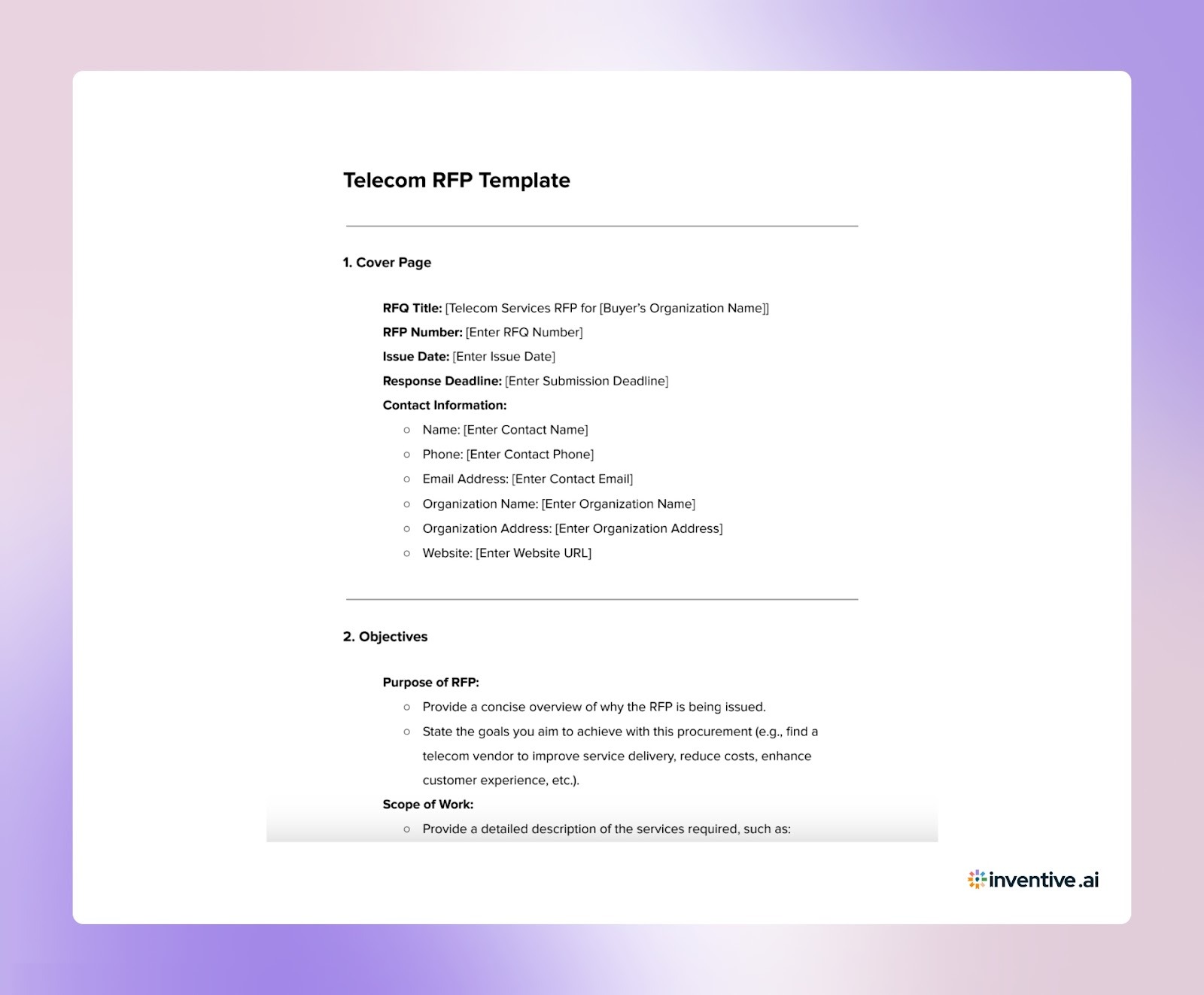

What’s Included in a Telecom RFP Template: Understanding Buyer’s Expectations
When a buyer issues a telecom RFP, they often include several key components to help them evaluate vendor responses.
Understanding these components is crucial for crafting an effective response. Here’s a look at the typical sections you’ll find:
- Company Overview: An introduction to the buyer’s company, their goals, and the telecom needs they wish to address.
- Technical Requirements: Specific technical needs for telecom services, including bandwidth, infrastructure, equipment, and compatibility with existing systems.
- Service Level Agreements (SLAs): Defined expectations for performance, uptime, response times, and service delivery, often including penalties for non-compliance.
- Pricing Structure: The pricing model, including expected costs, discounts, payment terms, and any additional service fees (e.g., setup, maintenance).
- Evaluation Criteria: How the vendor’s proposal will be assessed, typically covering price, compliance, technical capability, vendor experience, and service offerings.
- Security and Compliance Requirements: Specific security protocols and industry standards (e.g., GDPR, ISO certifications) that the vendor must adhere to, especially regarding data protection.
- Implementation and Transition Plan: Detailed timeline and phases for implementing the telecom solution, including how the transition from the current system to the proposed solution will be managed.
- Risk Management: Expectations for managing risks related to network outages, system failures, or other potential issues, including contingency plans.
- Support and Maintenance: Details about ongoing support, maintenance schedules, and service desk operations to support smooth system operation after deployment.
By understanding these sections, you can create a thorough response that addresses the buyer’s requirements clearly.
Also Read: Banking RFPs: How to Respond, Win More Deals & Scale with AI
Now that we’ve covered what buyers typically look for in a telecom RFP, let’s focus on how you can craft a winning response using the right template.
The Ultimate Telecom RFP Response Template in 2026 (For Vendors): Free Download
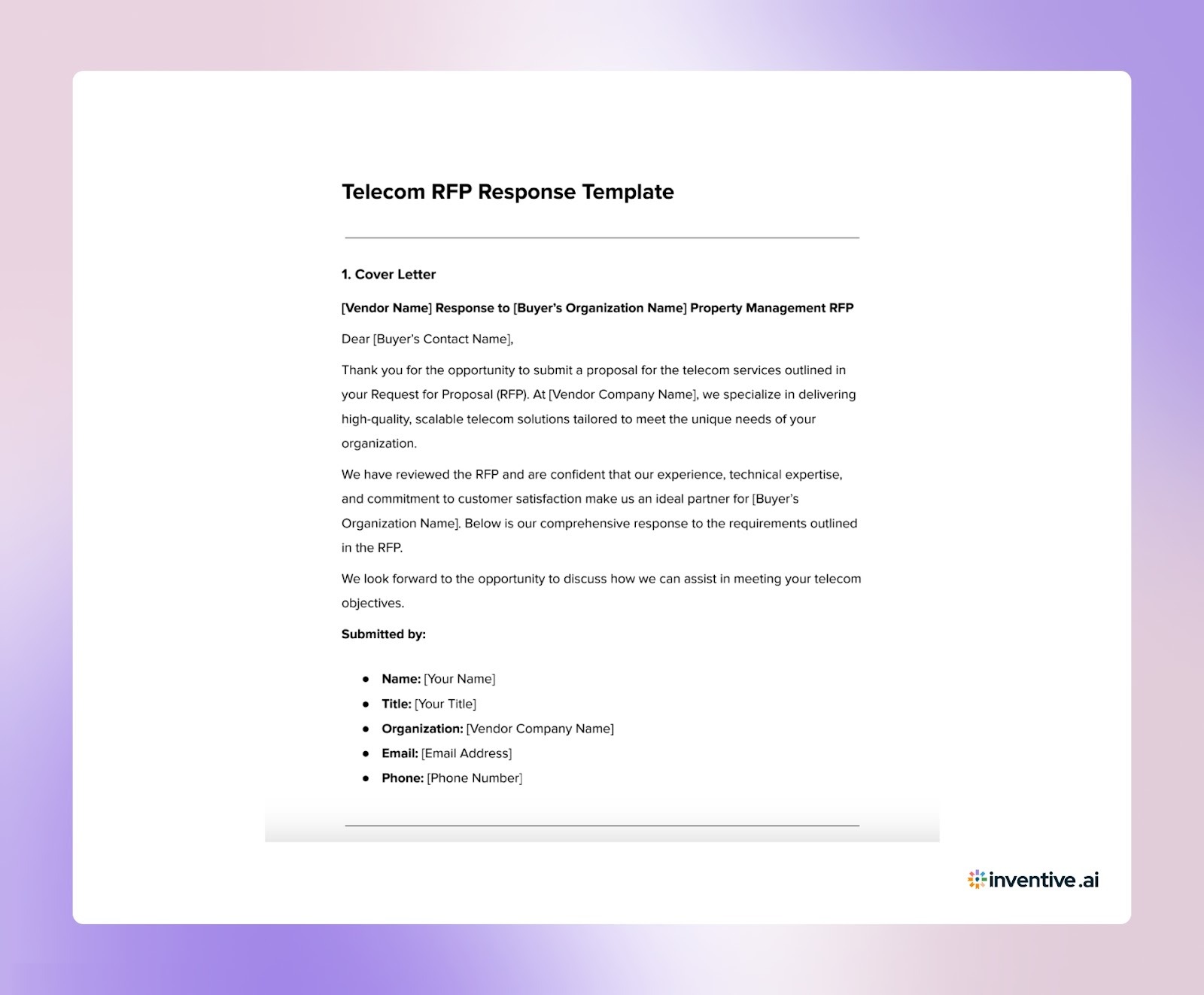

Mastering the Telecom RFP Response Template
An RFP response template serves as a vital tool for vendors, offering a structured approach to crafting comprehensive proposals. It allows you to respond to telecom RFPs with consistency and accuracy, while focusing on customizing the content to meet the buyer's unique requirements.
Why Use a Telecom RFP Template?
- Saves Time: No need to start from scratch each time you respond to an RFP.
- Maintains Consistency: Every proposal follows the same structure and quality standards.
- Improves Accuracy: A template helps cover all key components and reduces the risk of missing important information.
- Customized Content: The template allows for easy customization to highlight how your telecom solutions meet specific buyer needs.
- Efficient Collaboration: Multiple team members can work on the proposal simultaneously, without confusion, using a unified structure.
Using a response template allows you to focus on personalizing the content to your prospect’s needs, rather than worrying about formatting and structure.
Strengthen Your Telecom RFP Proposal Using the Right Template
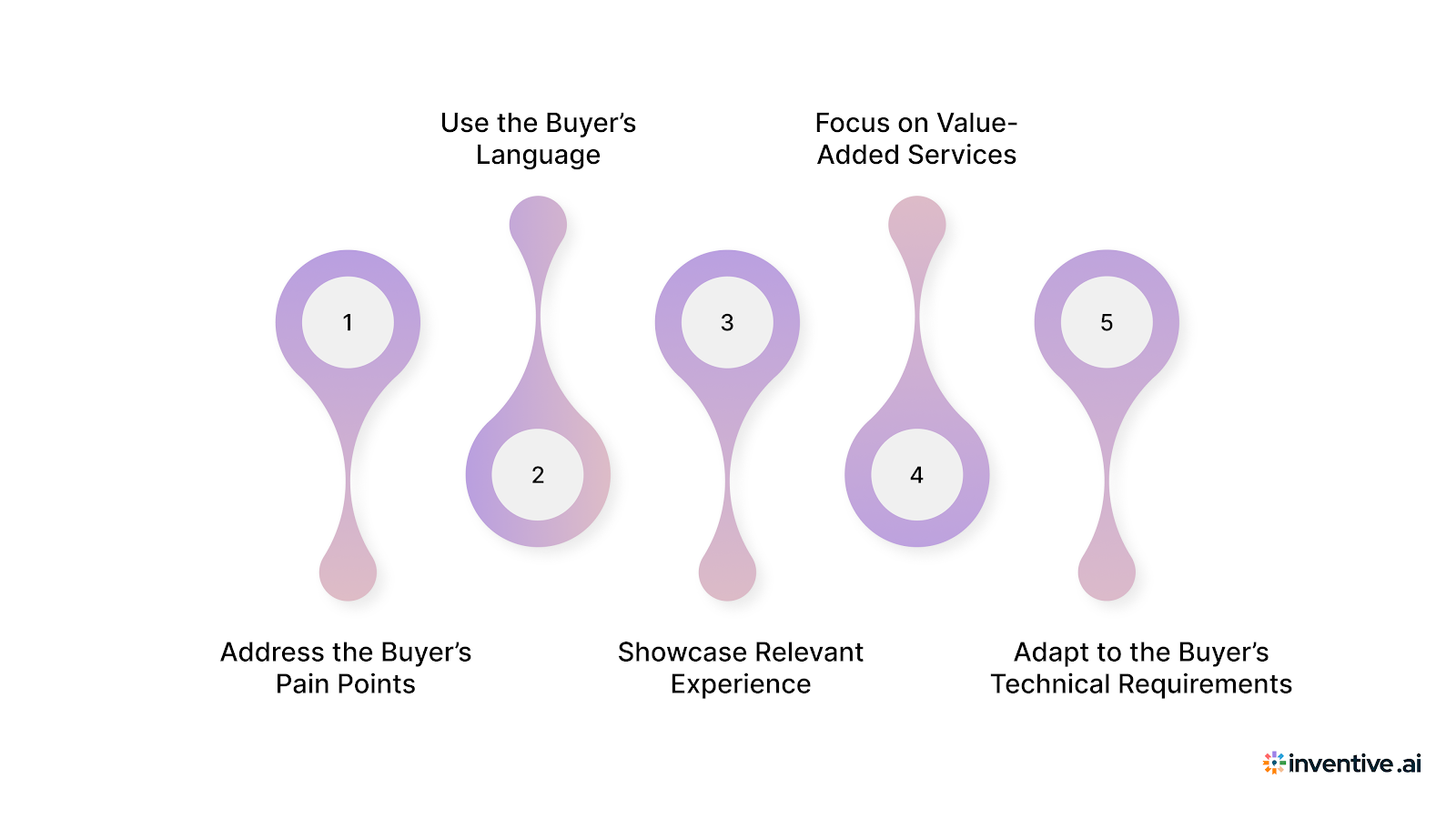
Every telecom RFP is different, so customizing the template to match the buyer’s unique needs is key to creating a compelling proposal.
Here are some tips for getting the most out of your template:
1. Address the Buyer’s Pain Points
Take time to understand the buyer’s specific challenges and clearly explain how your telecom solutions solve those problems. Highlight the immediate benefits they’ll gain by working with you.
2. Use the Buyer’s Language
Customize your response to reflect the buyer’s industry-specific terms and internal jargon. This not only shows alignment but also demonstrates that you fully understand their needs and processes.
3. Showcase Relevant Experience
Go beyond general qualifications, highlight your proven track record with similar projects or clients. Use case studies or testimonials to add credibility and emphasize the positive outcomes of your past work.
4. Focus on Value-Added Services
Don’t just present the basic service offering, include any additional features or services that differentiate you from other vendors, like 24/7 customer support, proactive maintenance, or unique technological capabilities.
5. Adapt to the Buyer’s Technical Requirements
Make sure your technical solution directly aligns with the buyer’s needs. Customize your approach, whether it’s bandwidth, security, or infrastructure, and demonstrate how your solution stands out as the best fit.
By following these tips and customizing your template, your response can address the buyer’s priorities more clearly and highlight why you are a strong fit for the project.
How Inventive AI Helps You with Your Telecom RFPs?
Responding to telecom RFPs can be complex, but with Inventive AI, you can simplify the entire process, ensuring your responses are accurate, timely, and aligned with the buyer’s needs. Here’s how Inventive AI enhances your telecom RFP responses:
1. 2x Higher Quality Responses

With Inventive AI, you can generate high-quality responses faster and more accurately, helping your proposal stand out.
2. Context Engine
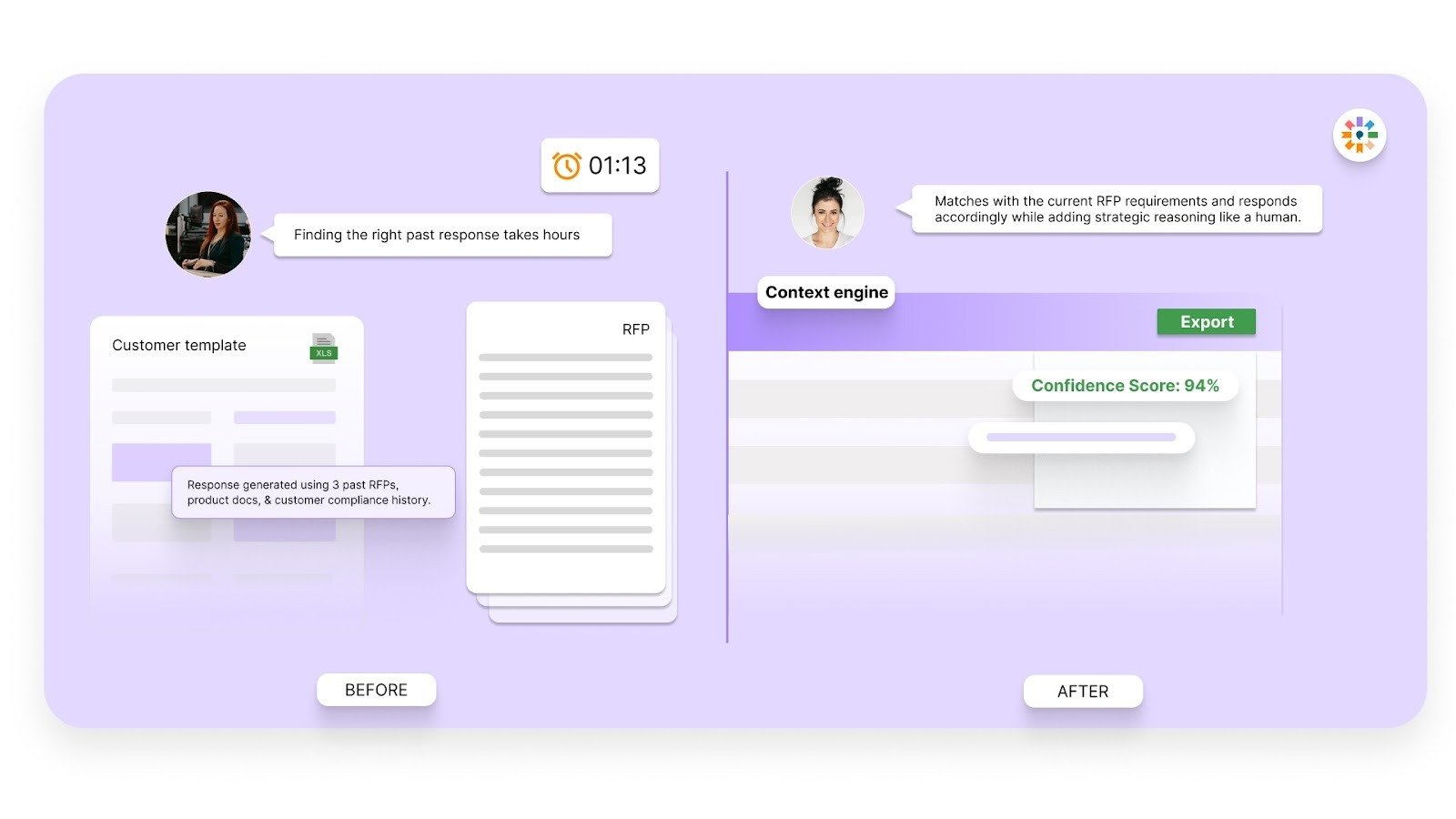
Inventive AI's context engine makes your response is relevant and personalized, pulling in the right information from past proposals and internal knowledge.
3. Conflict Detection
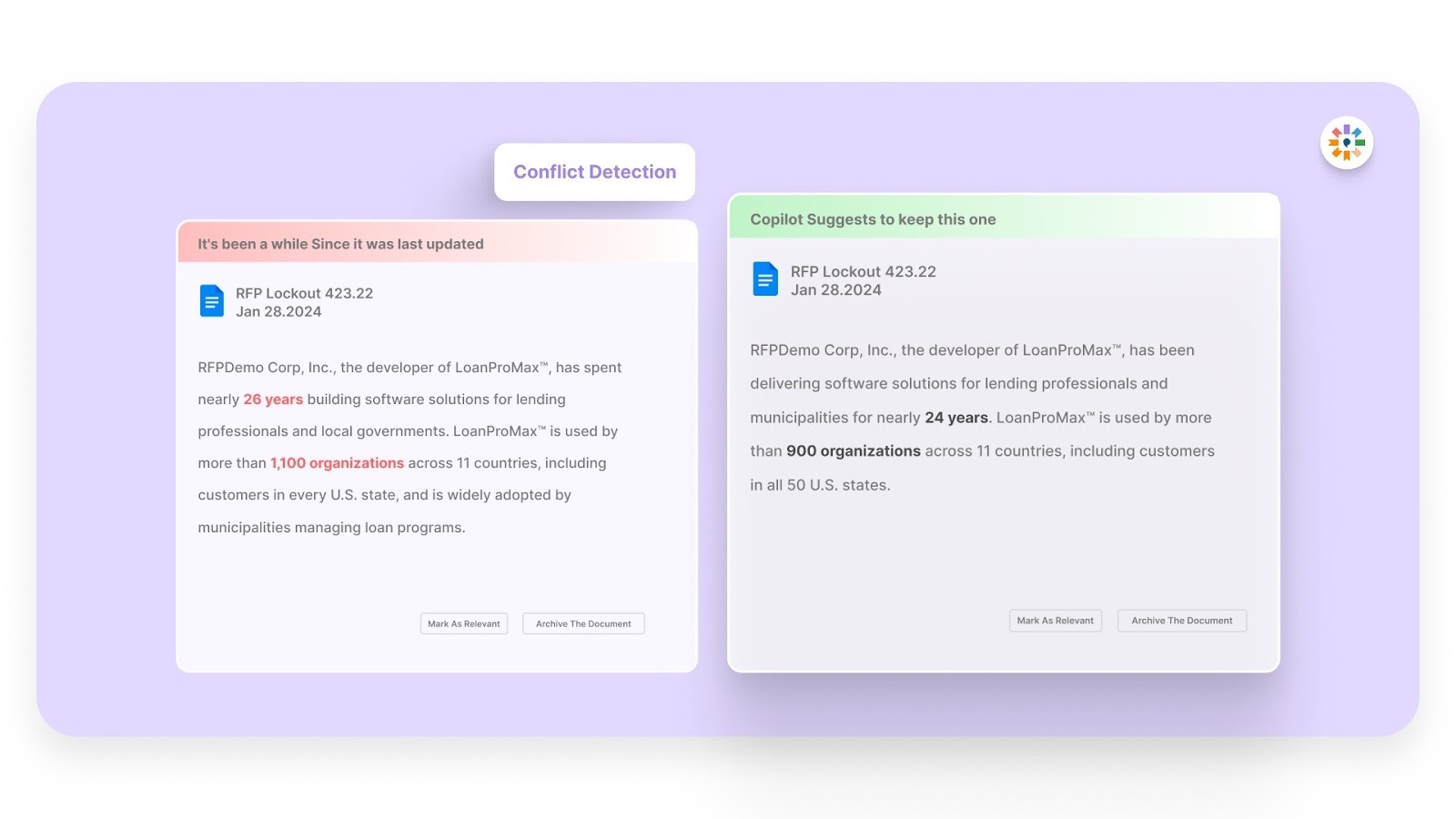
The AI flags inconsistencies or conflicting information within your response, helping keep your proposal aligned with your company’s objectives.
4. Outdated Content Detection
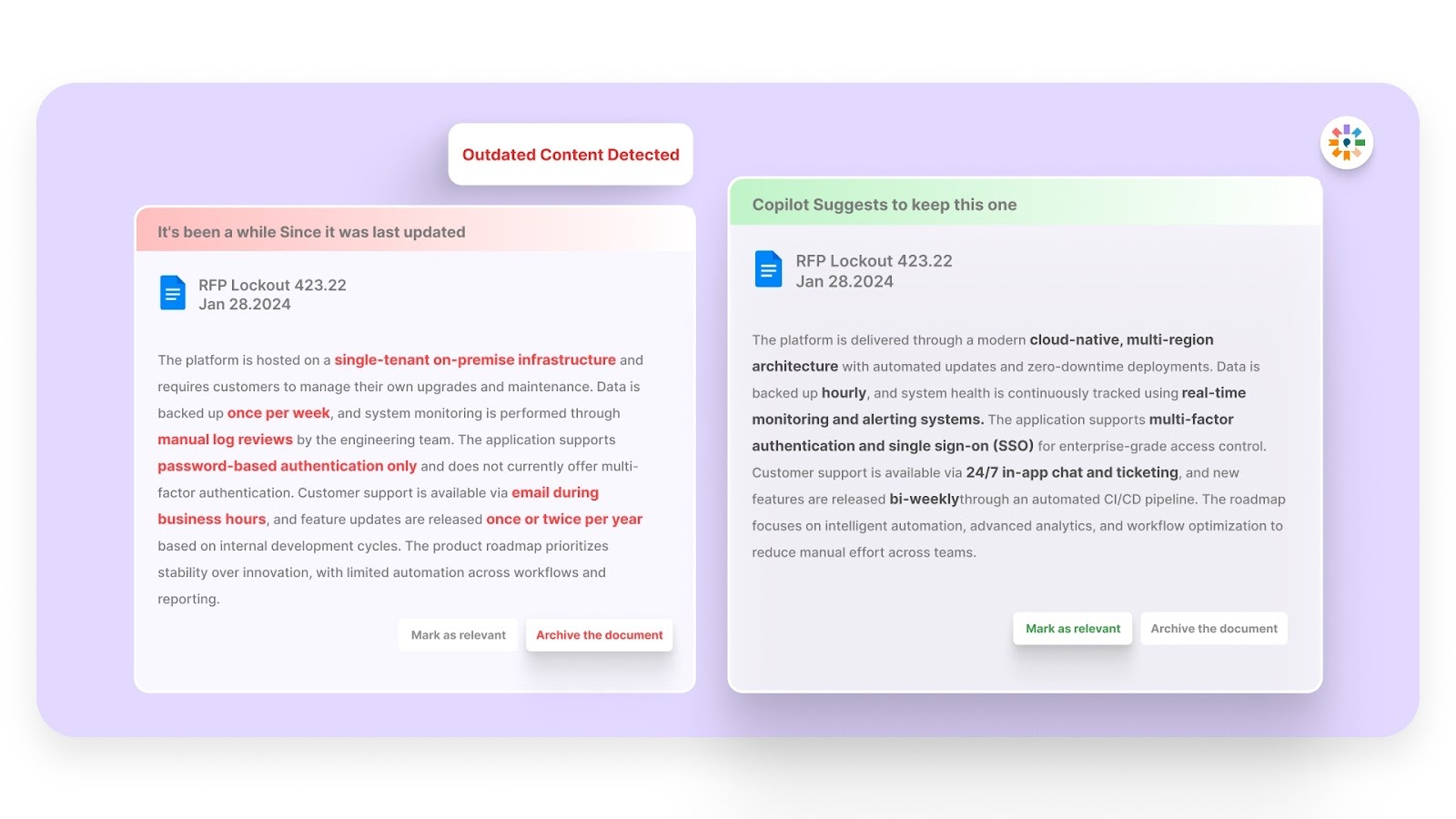
Inventive AI keeps your responses up to date by flagging outdated content, helping you avoid submitting inaccurate or irrelevant information.
5. Simple, Easy-to-Use Interface
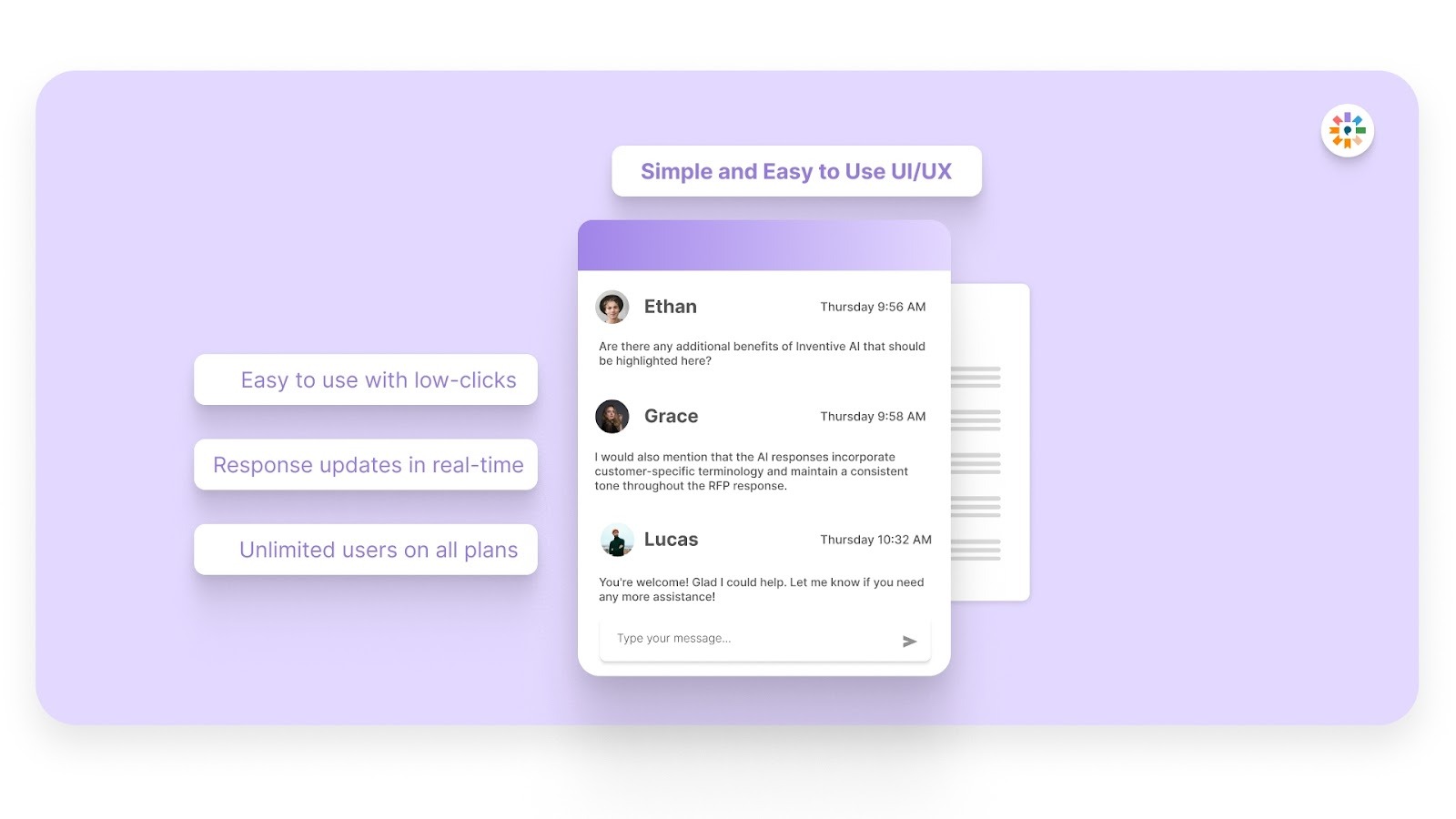
The intuitive interface guides you through the proposal creation process, making it easy for your team to collaborate and submit high-quality responses.
By using Inventive AI, you can increase the accuracy of your proposals, save time, and boost your chances of winning telecom RFPs.
Frequently Asked Questions (FAQs)
1. What is a telecom RFP template, and why do I need one?
A telecom RFP template helps simplify the response process by providing a clear structure for addressing buyer requirements. It saves time, ensures consistency, and reduces errors, allowing vendors to focus on customizing the content.
2. What should I avoid when responding to telecom RFPs?
Avoid generic responses, incomplete information, and failing to align your proposal with the buyer’s specific needs. It’s also important not to overlook compliance requirements or fail to include case studies and relevant examples.
3. How do I handle pricing in a telecom RFP response?
Clearly outline your pricing structure, ensuring transparency. Offer a breakdown of costs, including any optional services, and be prepared to justify your pricing with data on cost-efficiency, performance, and long-term value.
4. What is the best way to showcase technical expertise in a telecom RFP response?
Demonstrate your technical expertise by aligning your solutions with the buyer’s specific technical requirements. Include detailed descriptions of your infrastructure, any proprietary technology you use, and real-world examples that show your capability in handling similar projects.
5. How can I maintain compliance with industry regulations when responding to telecom RFPs?
Your response should include details about compliance with relevant standards and regulations, such as GDPR for data protection or industry-specific telecom regulations. Clearly list certifications and explain how your processes meet these legal and compliance requirements.

.avif)


.avif)