Best Roofing RFP Template & Response Guide for US Teams

How many hours does your team spend preparing a roofing proposal, only to realize key details are missing? Many roofing bids fail not because of pricing, but because the request for proposal wasn’t structured clearly from the start.
A well-built roofing RFP template helps property managers and procurement teams define scope, timelines, materials, and contractor expectations without starting from scratch each time. It saves time and reduces confusion for both issuers and contractors reviewing the request.
In this guide, we’ll explore a ready-to-use roofing RFP template, a roofing RFP response template for contractors, and simple ways to customize them for projects like roof repair, replacement, and ongoing maintenance.
Roofing RFP Template: Structure and Key Sections for Buyers
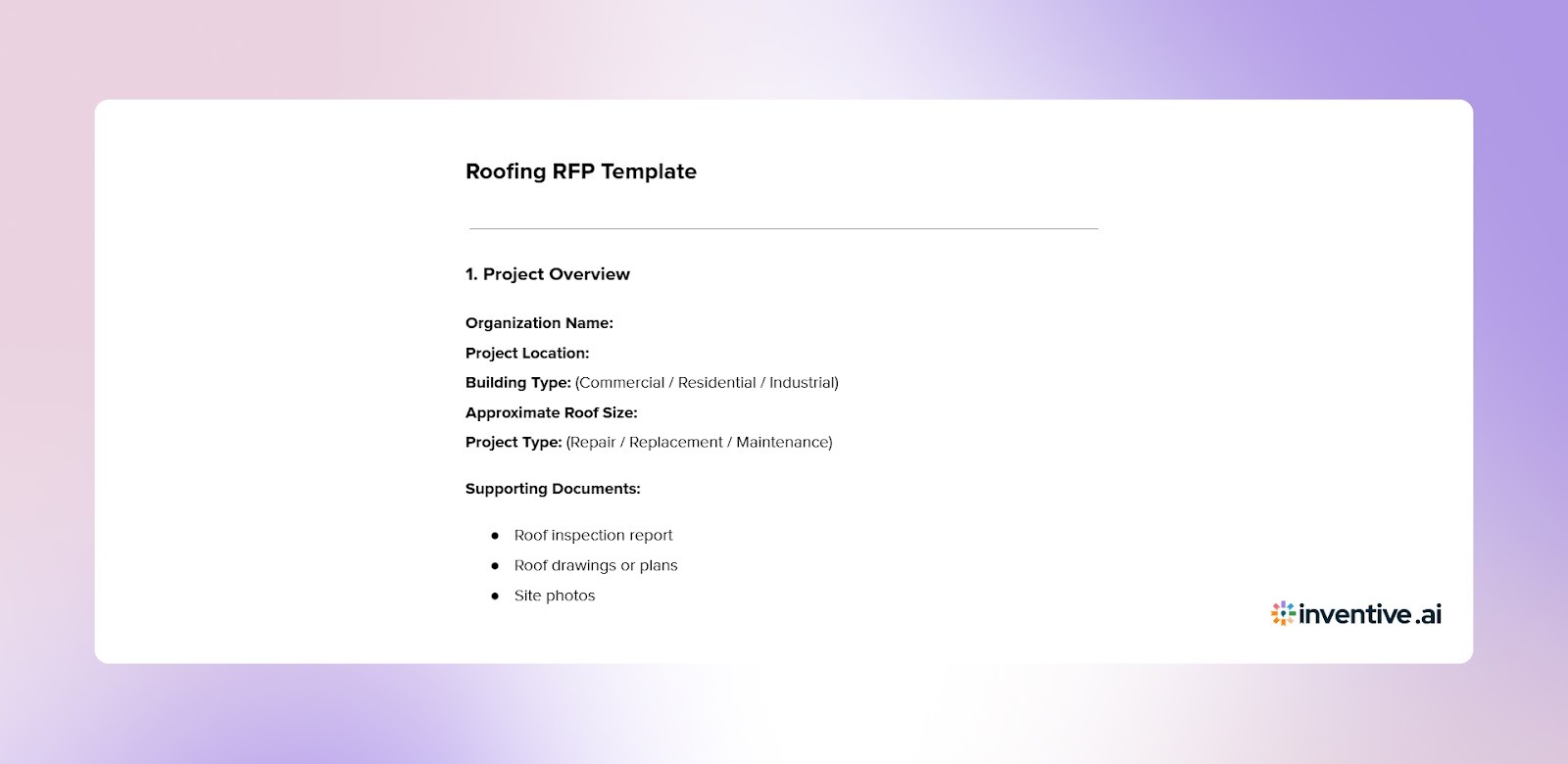
A roofing RFP helps organizations request detailed proposals from contractors for roof repair, replacement, or maintenance projects. A clear structure ensures all bidders price the same scope of work, which makes proposals easier to compare and reduces disputes once the project begins.
Use this structured template to prepare a roofing RFP that covers project scope, safety expectations, pricing, and contractor responsibilities.
Once you understand the structure, the next step is reviewing how contractors typically prepare their proposal responses.
Roofing RFP Response Template for Contractors
Contractors responding to a roofing RFP must present their proposals in a clear, organized format. A structured response helps procurement teams review bids quickly and compare vendors based on experience, pricing, and project approach.
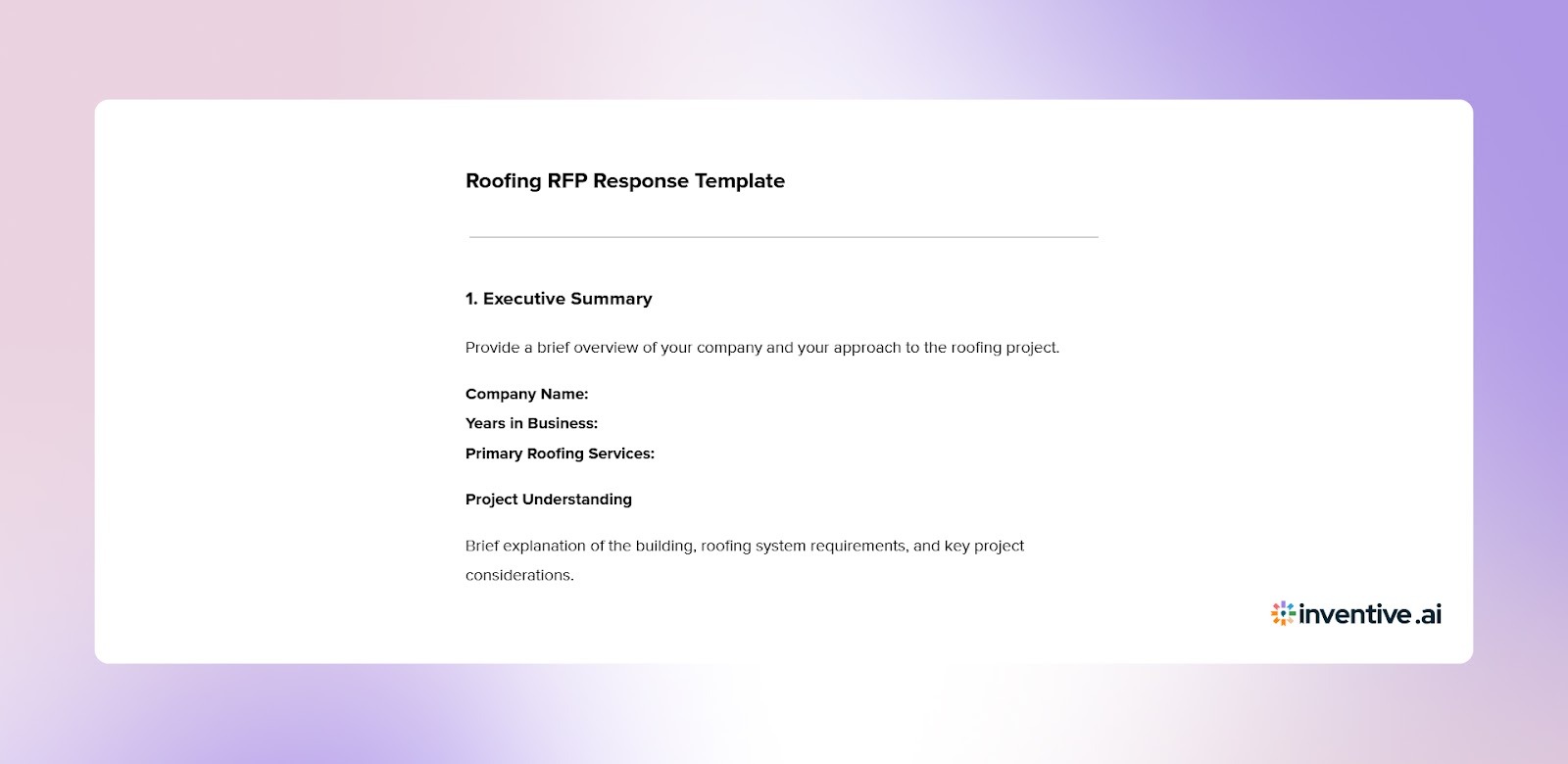
Use the following roofing RFP response template when preparing a proposal:
1. Executive Summary
Provide a brief overview of your company and your approach to the roofing project.
Company Name:
Years in Business:
Primary Roofing Services:
Project Understanding
Brief explanation of the building, roofing system requirements, and key project considerations.
Project-Specific Solutions
Describe how your team will address the needs of this project.
Examples:
- Scheduling tear-off work during low-occupancy hours
- Using debris protection systems to protect landscaping and walkways
- Coordinating material deliveries to reduce disruption to tenants
2. Company Overview
Provide background information about your organization.
Company Details
- Business address
- Years of operation
- Number of roofing technicians
- Service areas
Certifications
- Manufacturer certifications
- Industry memberships
3. Relevant Roofing Experience
Provide examples of projects similar to the current RFP.
Case Study Example
Include visual documentation for at least one completed roofing project.
- Project Description
Brief overview of the building and roofing work completed. - Before Installation
(Insert photo placeholder) - After Installation
(Insert photo placeholder)
Client Reference
- Name
- Company
- Contact Information
4. Project Approach
Describe how the roofing project will be completed.
Work Process
- Removal of existing roofing materials
- Roof deck inspection
- Installation of the new roofing system
- Ventilation installation
- Final cleanup
Weather Monitoring and Dry-In Procedures
Explain how the building will be protected if rain occurs while the roof is open.
Property Protection Plan
Include measures used to protect the property during construction:
- Landscaping protection
- Driveway and walkway protection
- Interior dust barriers, if required
- Continuous magnetic sweeping for nail removal
Site Logistics
Provide details such as:
- Dumpster placement
- Material staging areas
- Crew parking locations
Communication Plan
Describe how project updates will be shared.
Examples:
- Daily progress emails with photos
- Primary contact for the property owner
- Emergency contact for urgent issues
Daily Cleanup
Confirm that the site will be broom-cleaned at the end of each workday.
5. Safety Plan
Describe safety practices followed during roofing work.
Include:
- Fall protection systems
- Crew safety training
- OSHA 10 or OSHA 30 certifications
- Site-specific safety planning
6. Roofing Materials and System
Provide details about the roofing system proposed for the project.
Include
- Roofing material type
- Underlayment product
- Flashing components
- Ventilation system
Provide manufacturer product documentation where applicable.
Warranty Coverage
- Manufacturer Warranty
Coverage period:
Material coverage details:
- Workmanship Warranty
Coverage period:
Services included:
If applicable, indicate the availability of a No Dollar Limit (NDL) warranty.
7. Sustainability and Waste Management
Describe how roofing materials will be removed and disposed of.
Examples:
- Recycling of asphalt shingles
- Waste diversion practices
- Use of reflective or cool roof materials
8. Project Timeline
Provide a proposed schedule for the roofing project.
Material Procurement
Roofing materials are ordered after contract approval to secure pricing and delivery availability.
9. Pricing Proposal
Provide a detailed cost breakdown.
Unit Pricing for Repairs
Deck replacement (per 4×8 sheet): $_____
Additional structural repairs: $_____
10. Change Order Process
If damaged materials are discovered during the tear-off, the following process will apply:
- Contractor documents the issue with photos
- Client receives written description of required repair
- Repair cost approval is obtained before work continues
11. Payment Schedule
Provide a payment structure tied to project milestones.
Pricing Validity
Material pricing in this proposal remains valid for 30 days from the submission date due to manufacturer pricing changes.
12. Service and Response Time
Provide details about post-installation support.
Example:
- Emergency leak response within X hours
- Warranty service requests handled within X business days
13. Certifications and Insurance
Attach documentation for:
- Roofing licenses
- Manufacturer certifications
- General liability insurance
- Workers’ compensation insurance
14. Project Manager Contact
Name:
Title:
Phone:
Email:
15. Signature and Submission
Authorized Representative:
Title:
Company:
Signature:
Date:
While a standard template provides a starting point, you may need to adjust sections based on building conditions, project goals, and contractor requirements.
How to Customize a Roofing RFP Template for Your Project?
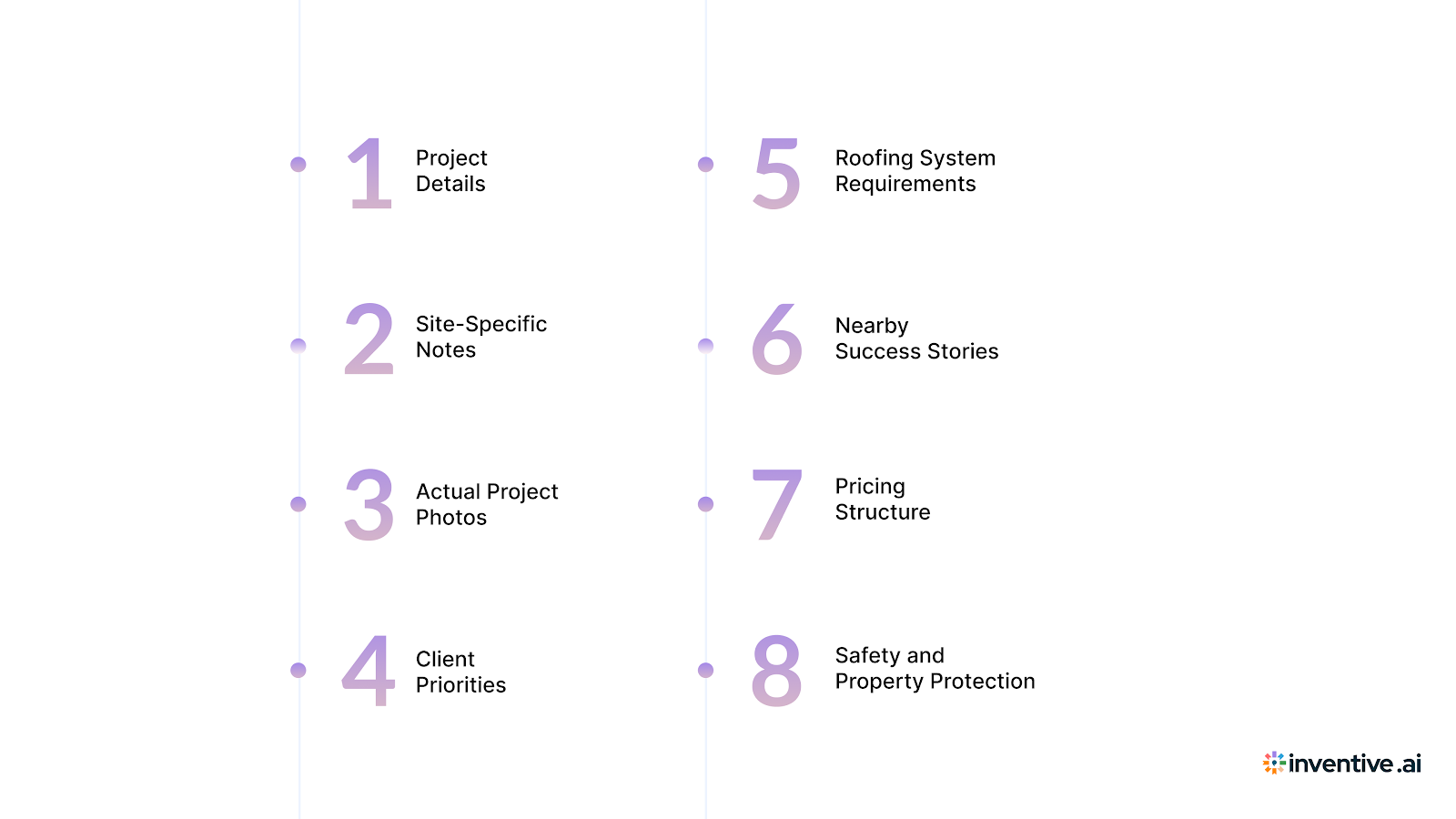
A template provides the basic structure for requesting roofing proposals, but every building has different conditions and project goals. Adjusting the template helps contractors understand the property, the issues on the roof, and the expectations for the project before submitting bids.
Use the points below when modifying a roofing RFP template.
- Project Details: Update the building location, roof size, and project scope so bidders clearly understand the work required.
- Site-Specific Notes: Mention visible roof issues such as damaged flashing, drainage problems, or worn sections identified during inspection.
- Actual Project Photos: Add photos of the building or roof areas in the document so the request reads like a project plan rather than a generic form.
- Client Priorities: Highlight concerns discussed during early conversations, such as a strict budget or a tight project timeline.
- Roofing System Requirements: Specify the roofing material, ventilation setup, and manufacturer preferences expected for the installation.
- Nearby Success Stories: Reference roofing projects completed in the same area so decision-makers can speak with local property owners about previous work.
- Pricing Structure: Request detailed cost breakdowns and unit pricing for possible repairs, such as decking replacement.
- Safety and Property Protection: Describe expectations for debris removal, landscaping protection, and daily job-site cleanup.
When vendors respond to roofing RFPs, proposal teams often review past answers and documents, which is where AI tools support response preparation.
Respond to Roofing RFPs Faster With Inventive AI
Preparing responses for RFPs often requires reviewing past proposals, company documents, and input from multiple teams. Managing this process manually can slow proposal development and increase the chance of inconsistent answers.
Inventive AI helps proposal teams generate accurate draft responses using company knowledge sources and structured analysis of RFP questions. The platform reviews context, highlights issues, and supports teams during proposal preparation.
Key capabilities include the following.
Context Engine
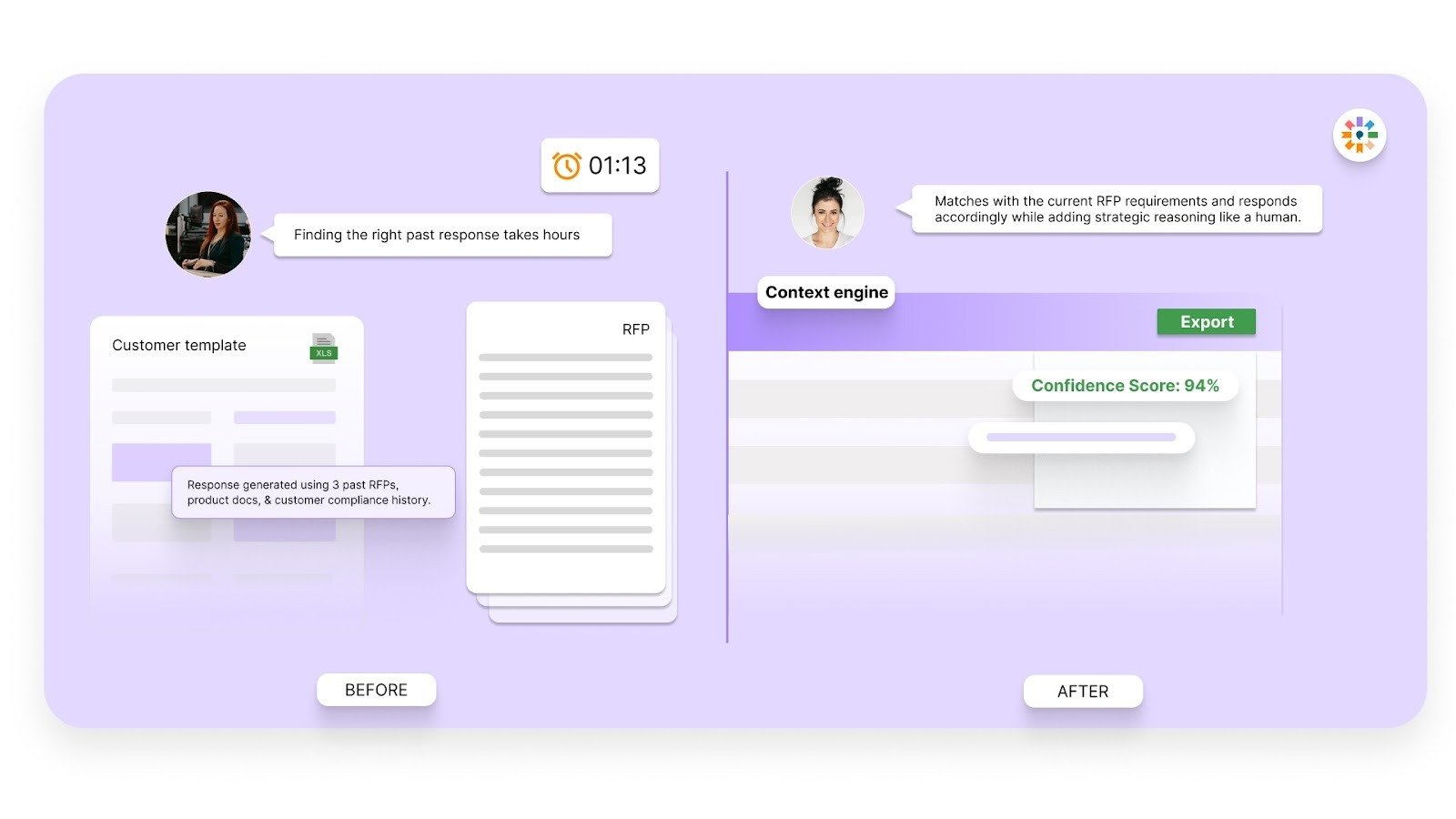
Many tools rely on simple document lookup, which often produces generic responses. Inventive AI reads the entire RFP and interprets how each question relates to the proposal. This approach produces responses grounded in company knowledge, resulting in drafts that read like they were written by a subject matter expert.
Conflict Detection
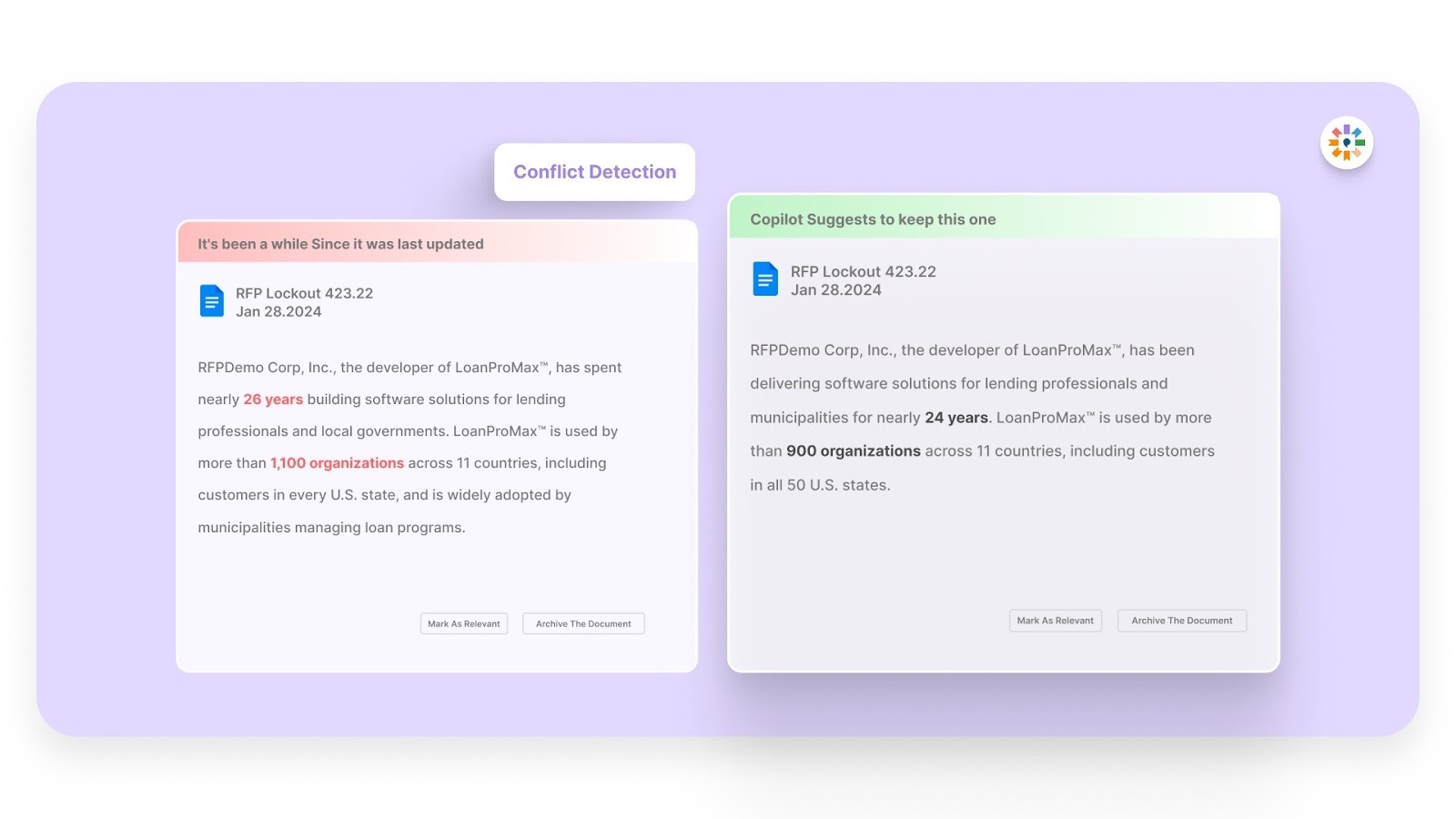
Large response libraries often contain answers written by different teams over time. These responses can contradict each other when reused. Inventive AI scans answers and flags conflicting statements so proposal teams can review and correct them before submission.
Outdated Content Detection
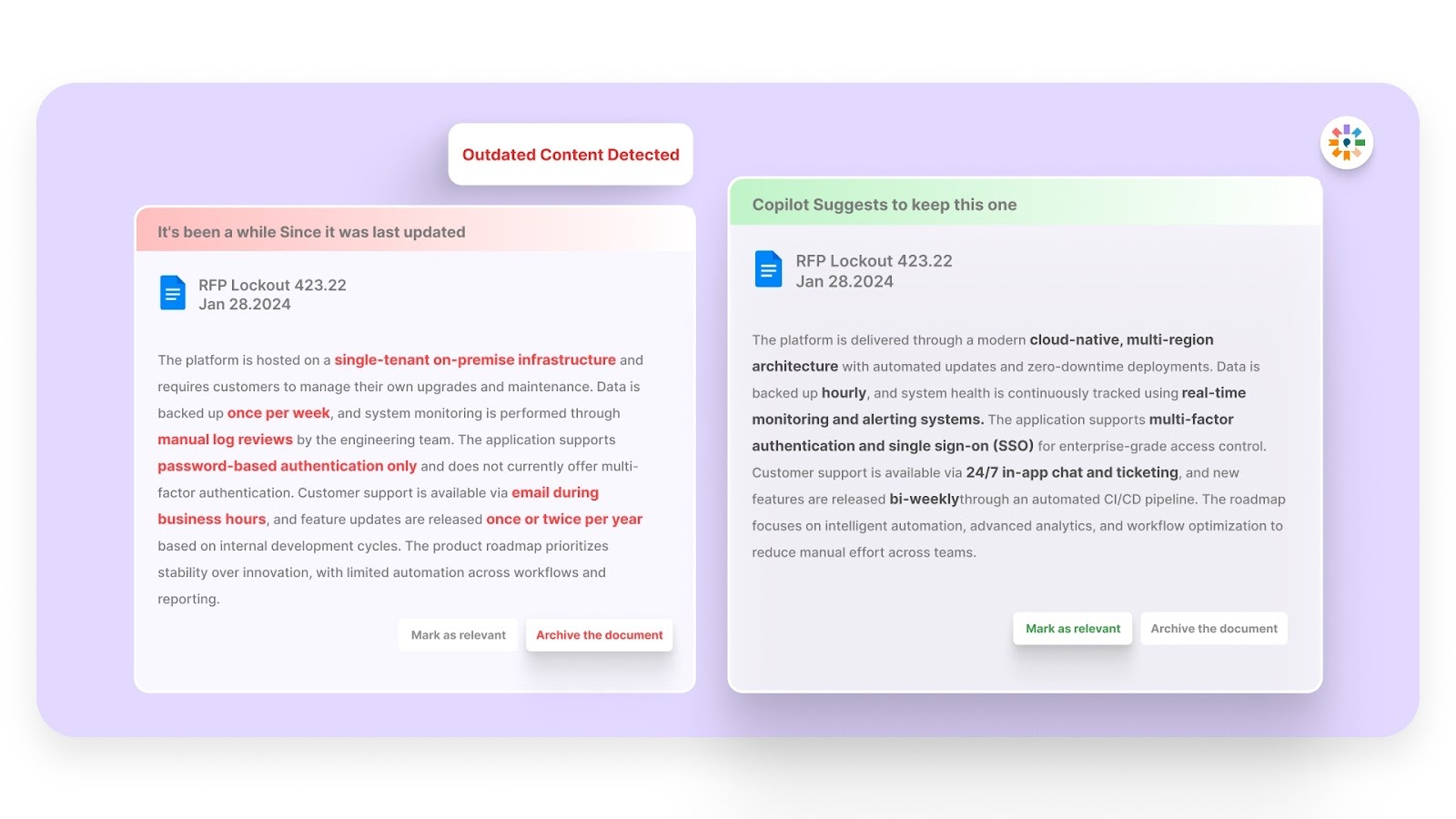
Content libraries often contain responses that no longer reflect current policies or certifications. Inventive AI identifies outdated or non-compliant content within stored knowledge sources, helping teams update responses before they appear in proposals.
2X Quality Responses
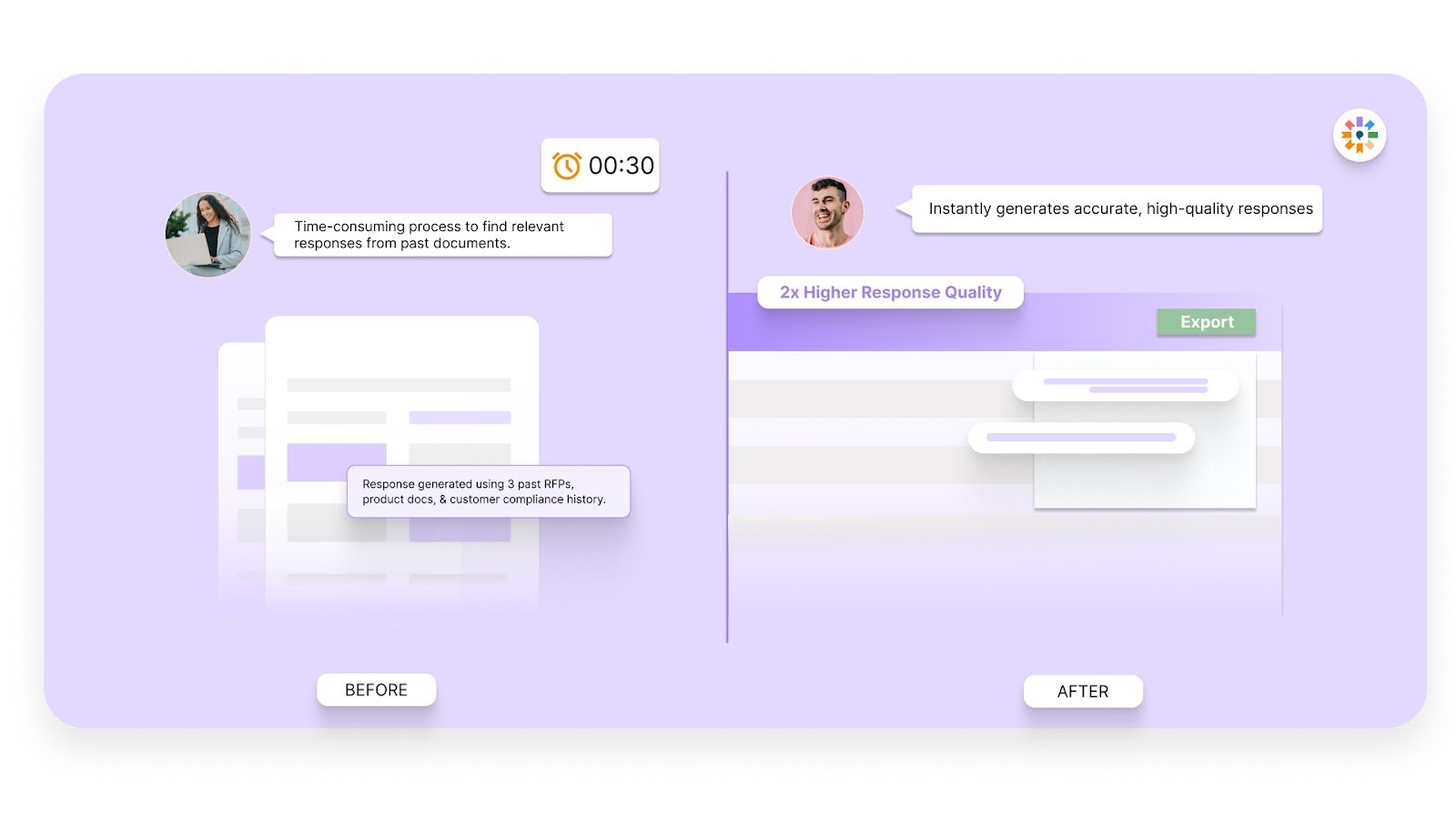
Inventive AI uses multiple AI agents that interpret the intent behind each RFP question. The system produces responses with clear explanations and complete information. This approach leads to higher-quality responses across proposals.
Simple and Easy-to-Use Interface
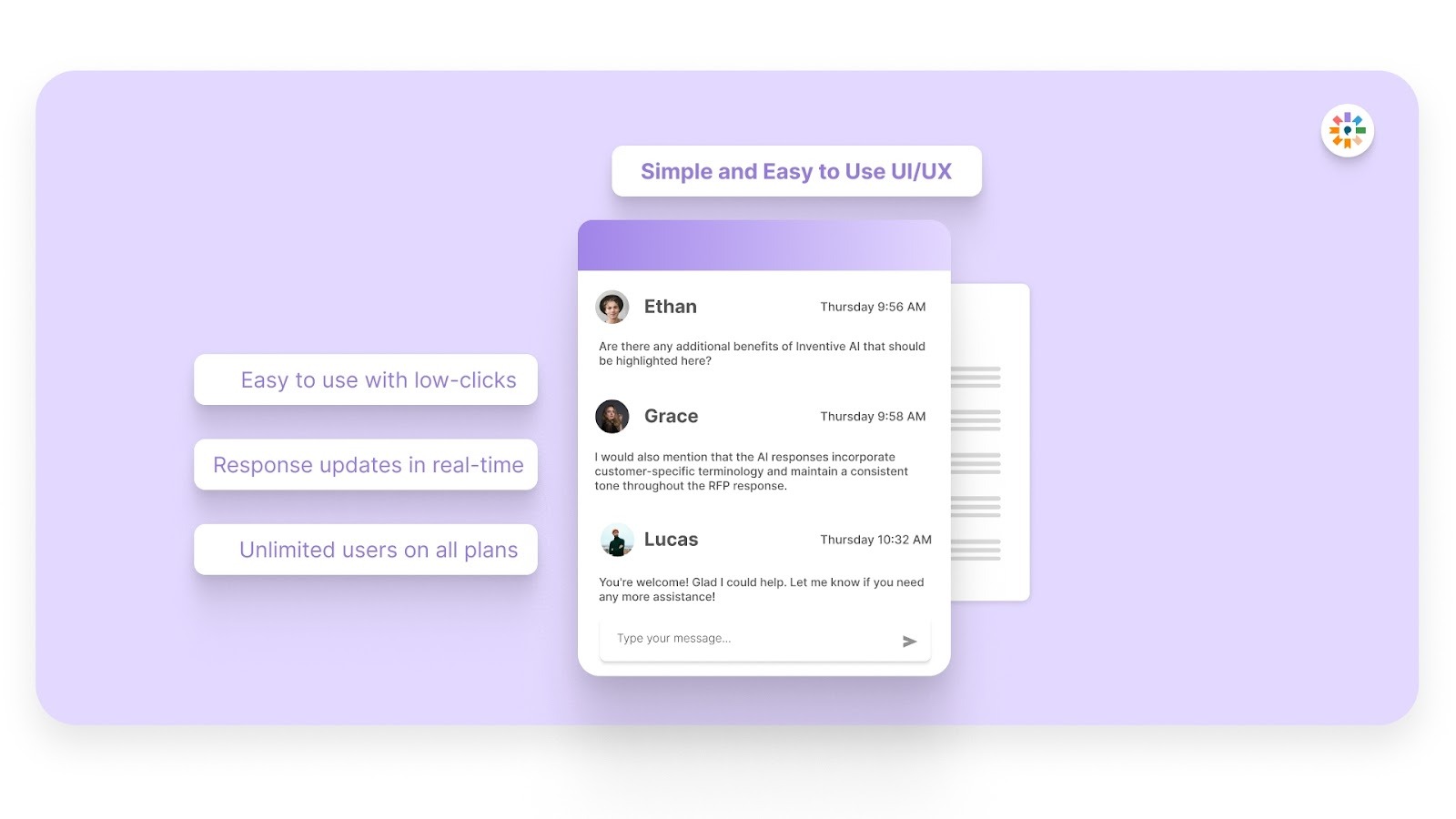
Inventive AI provides a clear interface that teams can learn quickly. The platform reports a 100% adoption rate across its customer base and ranks among the easiest RFP tools to use on G2, allowing teams to begin using the platform without extensive onboarding.
FAQs
1. Who typically creates a roofing RFP?
Property managers, facility teams, construction consultants, and procurement departments usually create roofing RFPs when requesting proposals for repair, replacement, or maintenance projects.
2. What documents should be attached to a roofing RFP?
Common attachments include roof inspection reports, building drawings, photos of damaged areas, warranty records, and any previous maintenance documentation related to the roof.
3. How long should contractors be given to submit roofing proposals?
Most organizations allow between one and three weeks for proposal submission, depending on project size, building complexity, and the level of documentation required.
4. Can roofing RFP templates be used for maintenance contracts?
Yes. A roofing RFP template can also support maintenance contracts by describing inspection schedules, preventive services, and reporting expectations for ongoing roof care.
5. What role do consultants play in roofing RFP projects?
Roof consultants or engineering firms may inspect the roof, prepare technical specifications, review contractor proposals, and monitor installation progress during the project.

.avif)

%20That%20Gets%20Shortlisted.png)