Arphie Pricing in 2026: Cost, Plans, and Features Included
What Arphie costs in 2026, its pricing model, what the subscription includes, hidden costs to budget for, and transparent-pricing alternatives.
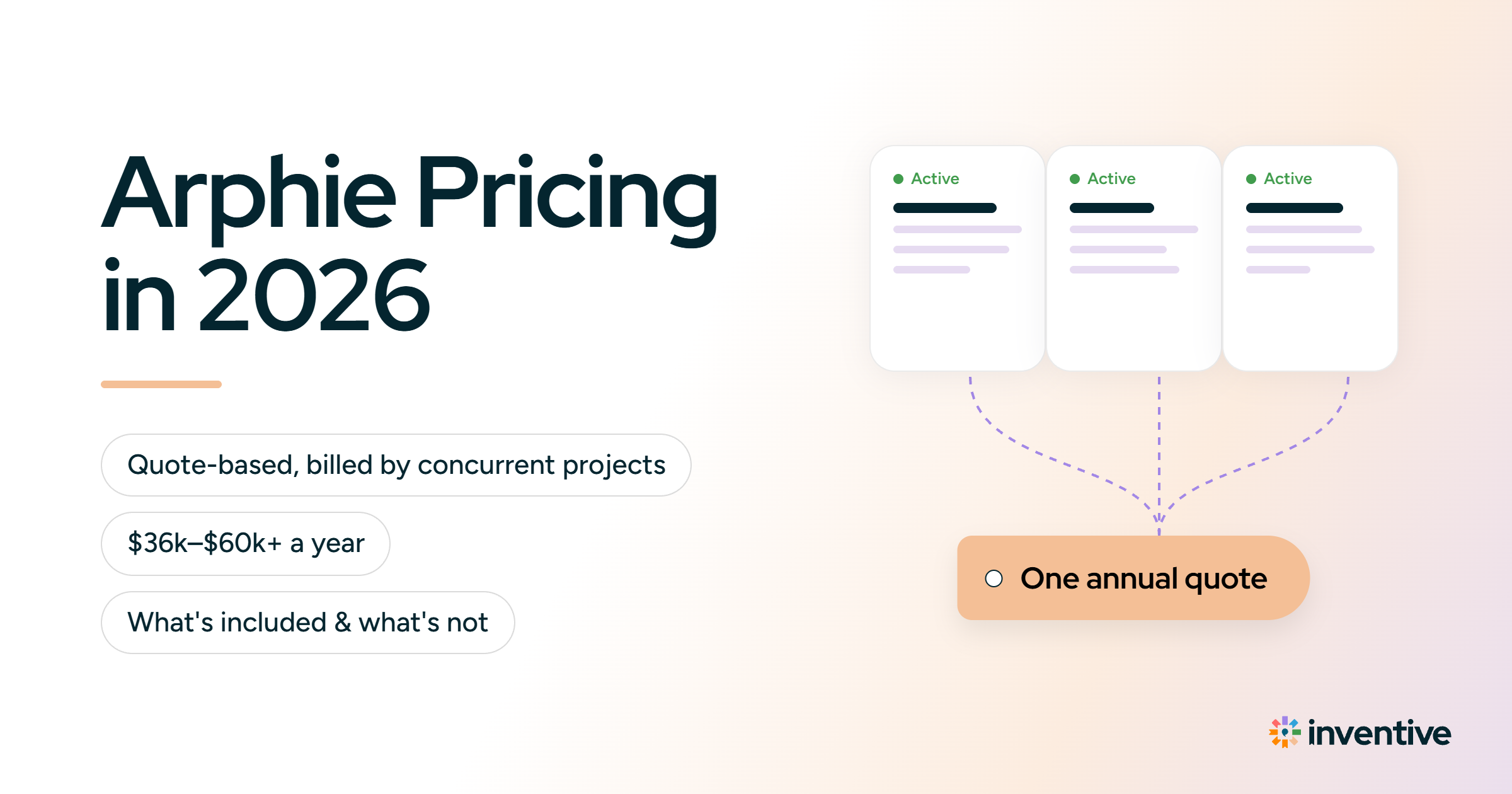
Arphie does not publish public pricing. It sells through custom annual quotes, and its own pricing resource lists a range of $36,000 to $60,000+ per year, billed by concurrent projects rather than per user. Arphie is an AI-native platform for responding to RFPs, RFIs, DDQs, and security questionnaires.
The catch is that you cannot see a number without a sales call, and that is now a real friction point: 67% of B2B buyers prefer a rep-free buying experience. This guide breaks down what Arphie costs, what the subscription includes, the extra costs to budget for, and transparent-pricing alternatives.
Key takeaways
- Pricing is quote-based and billed as an annual subscription. Arphie uses a concurrent-projects model rather than charging per user.
- The subscription is all-inclusive: implementation, training, and all platform capabilities are bundled, with no separate module fees.
- Your quote is driven by concurrent project volume, annual RFP and questionnaire volume, integrations, and support level, not seat count.
- Even with white-glove onboarding included, budget for possible add-ons: premium integrations, usage overages, premium support, and renewal increases.
Arphie pricing: cost, pricing models, and what you get
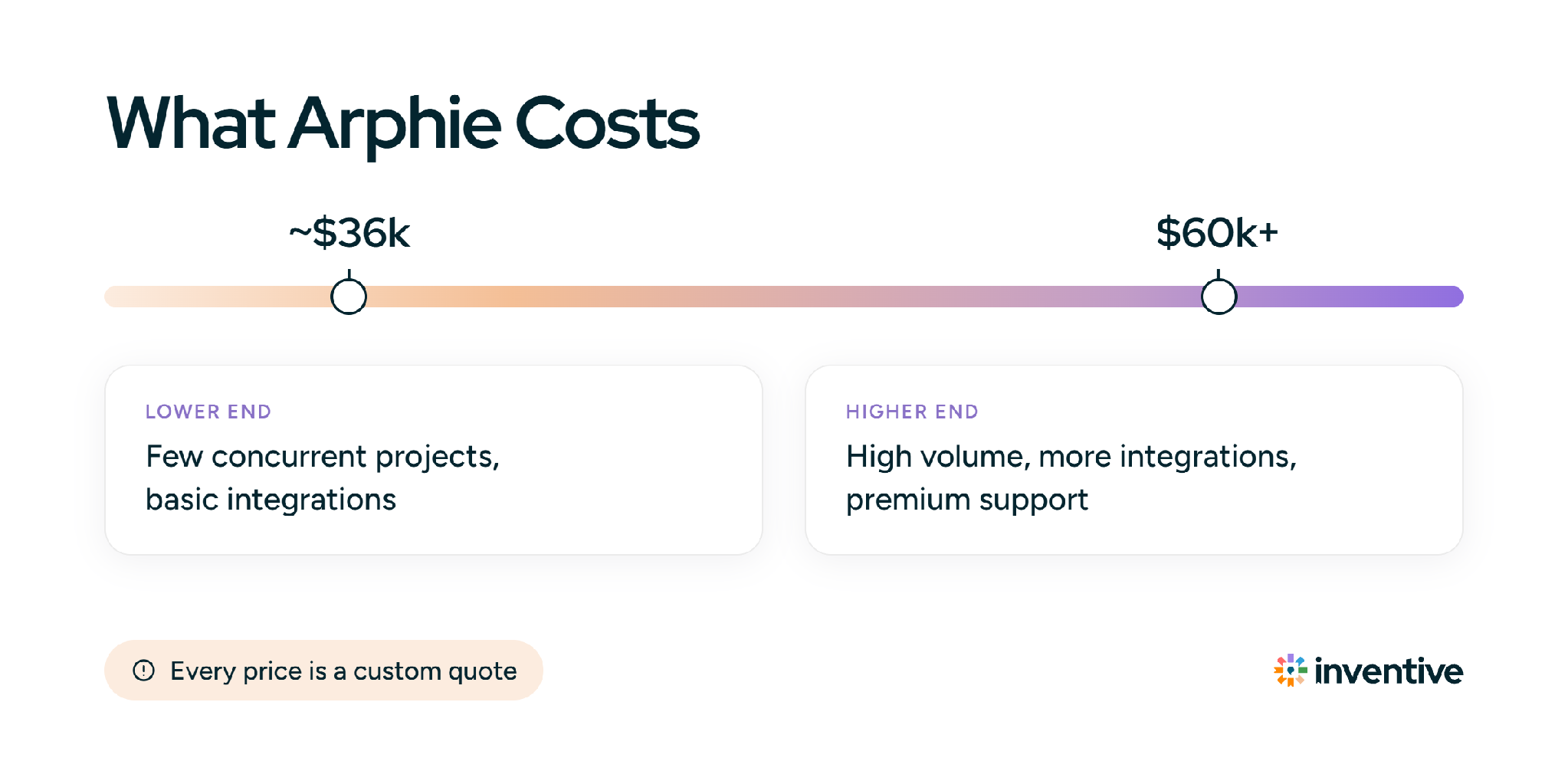
Arphie costs $36,000 to $60,000+ per year. Every price is a custom quote, so what you pay depends on how much you use it.
Here is what moves the number:
- Lower end (around $36,000): smaller teams that run only a few responses at a time, with basic integrations and standard support.
- Higher end ($60,000+): teams that run many responses at once, need more integrations, or want a premium support tier.
Because the quote is custom, two companies can pay very different amounts for the same platform. That range puts Arphie in the mid-market to enterprise tier, above cheaper entry-level tools and close to other AI-native platforms.
Arphie's pricing model: concurrent projects, not per seat
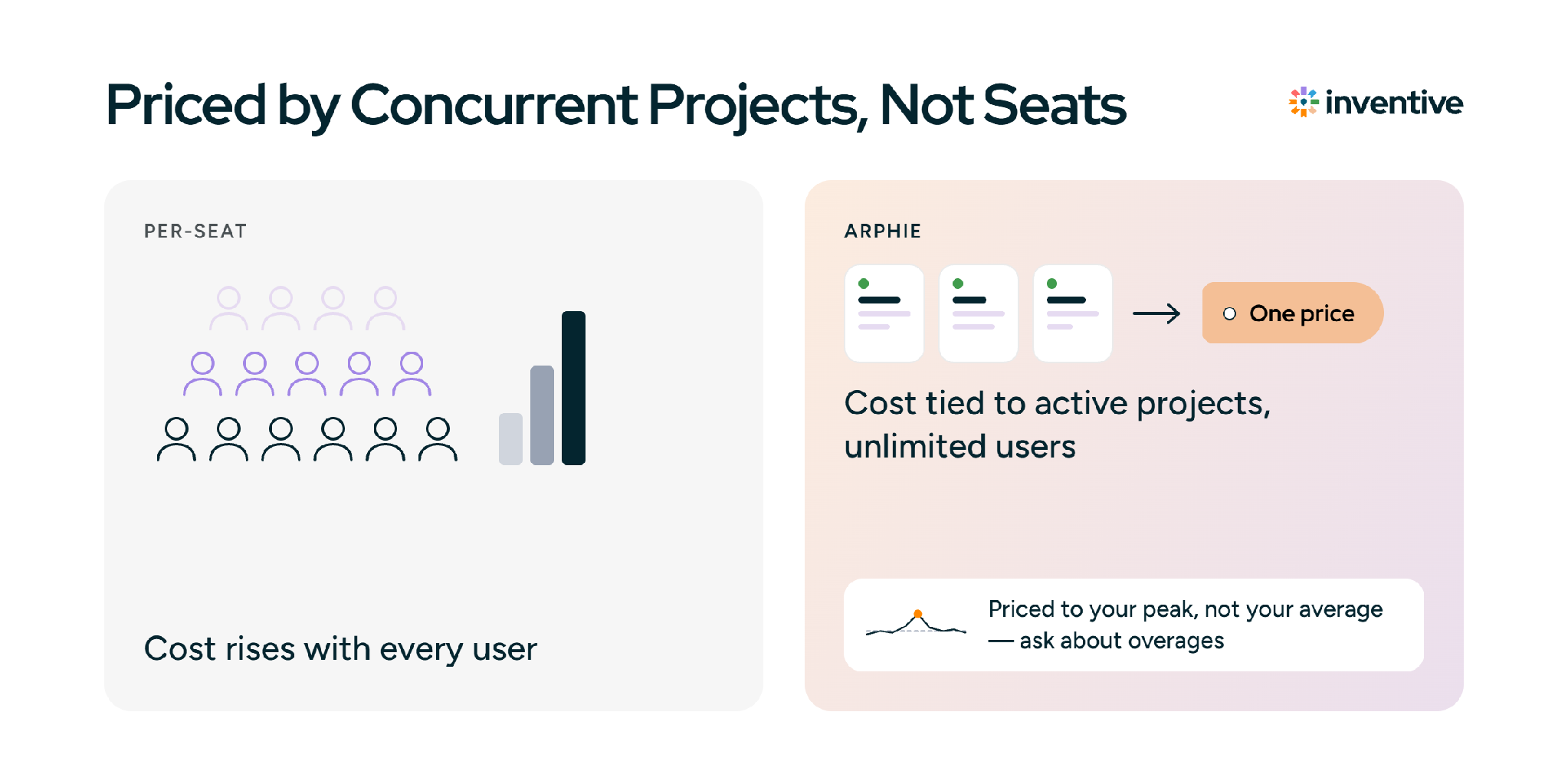
Most RFP tools charge per user each month, so your cost goes up every time you add someone to the team. Arphie works differently. It charges based on how many responses you work on at the same time, not how many people log in. Users are unlimited.
This suits teams where a lot of people help out now and then, but only a few responses are active at once.
The thing to watch is busy periods. Your price is tied to your peak, not your average. If you run many RFPs and questionnaires at the same time during a busy quarter, you may need a higher tier than a normal month suggests.
So before you sign, ask Arphie three things: how it counts a project, how many concurrent projects your quote covers, and what happens if you go over that number.
What features are included in Arphie's pricing
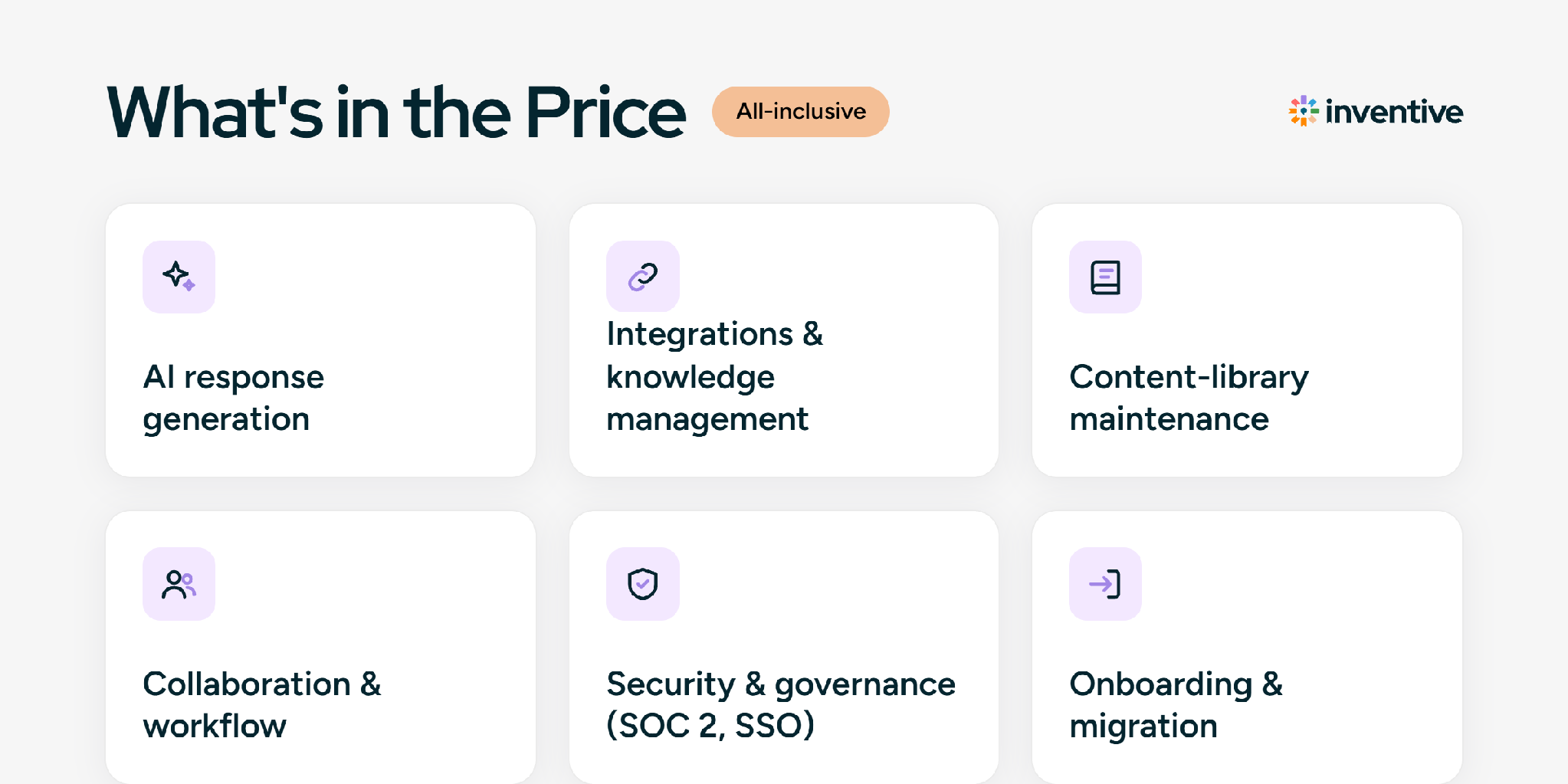
As per G2, Arphie's price covers everything. Implementation, training, and all features are part of the annual fee, with no extra charges for individual modules. Here is what you get:
- AI response generation. Upload an RFP or questionnaire in Excel or Word, and Arphie finds the questions and drafts answers from your existing content. Your team reviews and edits before sending.
- Integrations and knowledge management. It connects to Google Drive, SharePoint, Notion, Highspot, and Seismic, so answers pull from your current content. It can also move content over from older tools.
- Content-library maintenance. AI flags outdated answers, merges duplicates, and cleans up wording so your library stays current.
- Collaboration and workflow. Roles for owners, writers, and reviewers, plus comments, task assignments, deadline tracking, and Slack or email alerts.
- Security and governance. SOC 2 Type 2, SAML single sign-on, access controls, and audit trails for AI answers. Arphie says it does not use your data to train its models.
- Onboarding and migration. Setup and training are included, not sold as a separate service fee.
The benefit of this model is fewer surprise costs. Many tools charge extra for advanced AI, premium integrations, or onboarding. Arphie puts it all in one price, which makes the quote easier to compare.
What affects Arphie's pricing
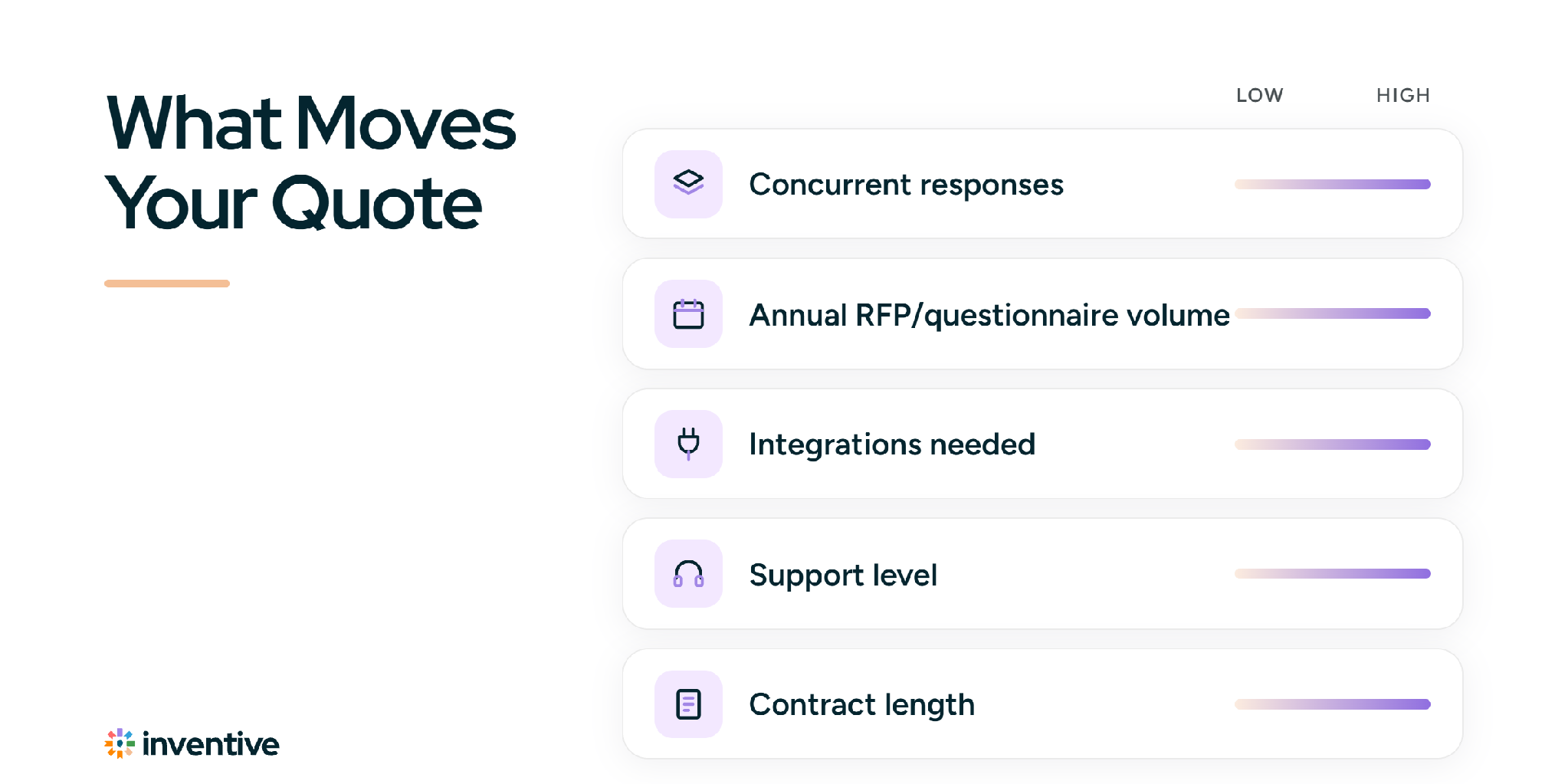
Because pricing is custom, a few things decide where you land in the $36,000 to $60,000+ range. Knowing them helps you plan your budget and negotiate:
- How many responses you run at once. This is the biggest factor. More active projects at the same time means a higher price.
- How many RFPs and questionnaires you handle a year. Higher yearly volume signals heavier use, which raises the tier.
- The integrations you need. Common connectors are included. Niche or custom ones can add to the cost.
- Your support level. Faster response times or dedicated support usually cost more.
- Your contract length. Signing for multiple years often lowers the yearly rate.
Aprhie Additional and one-time costs to budget for
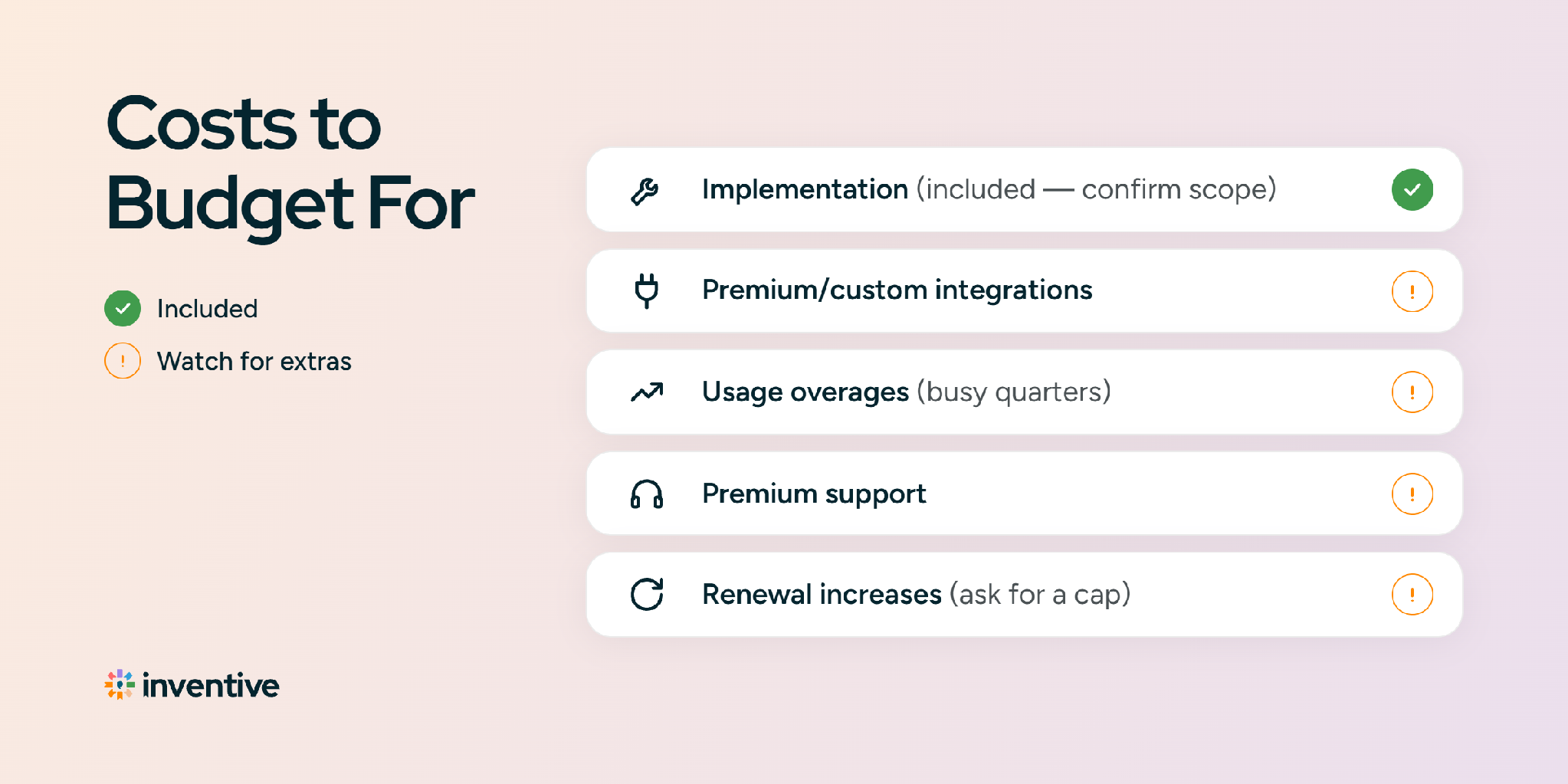
Arphie bundles implementation and training, which removes the largest one-time cost that buyers usually miss. Even so, the full cost of any response-automation platform includes more than the subscription. For reference, independent pricing research puts RFP and proposal software costs in these ranges:
- Implementation and onboarding: $0 to $5,000 for smaller deployments, rising to $10,000 to $50,000+ for enterprise rollouts. Arphie includes this, so confirm exactly what white-glove covers and where custom work would bill extra.
- Integrations: commonly billed as an add-on across the category. Confirm which of your systems are standard connectors and which need custom work.
- Usage overages: exceeding usage limits is a frequent hidden cost. With a concurrent-project model, ask what happens if you exceed your project allowance in a busy quarter.
- Premium support: higher support tiers or dedicated success management often carry an added fee.
- Renewal increases: annual price uplift at renewal is standard. Ask for a cap in your first contract.
How Arphie's price compares to typical RFP software costs
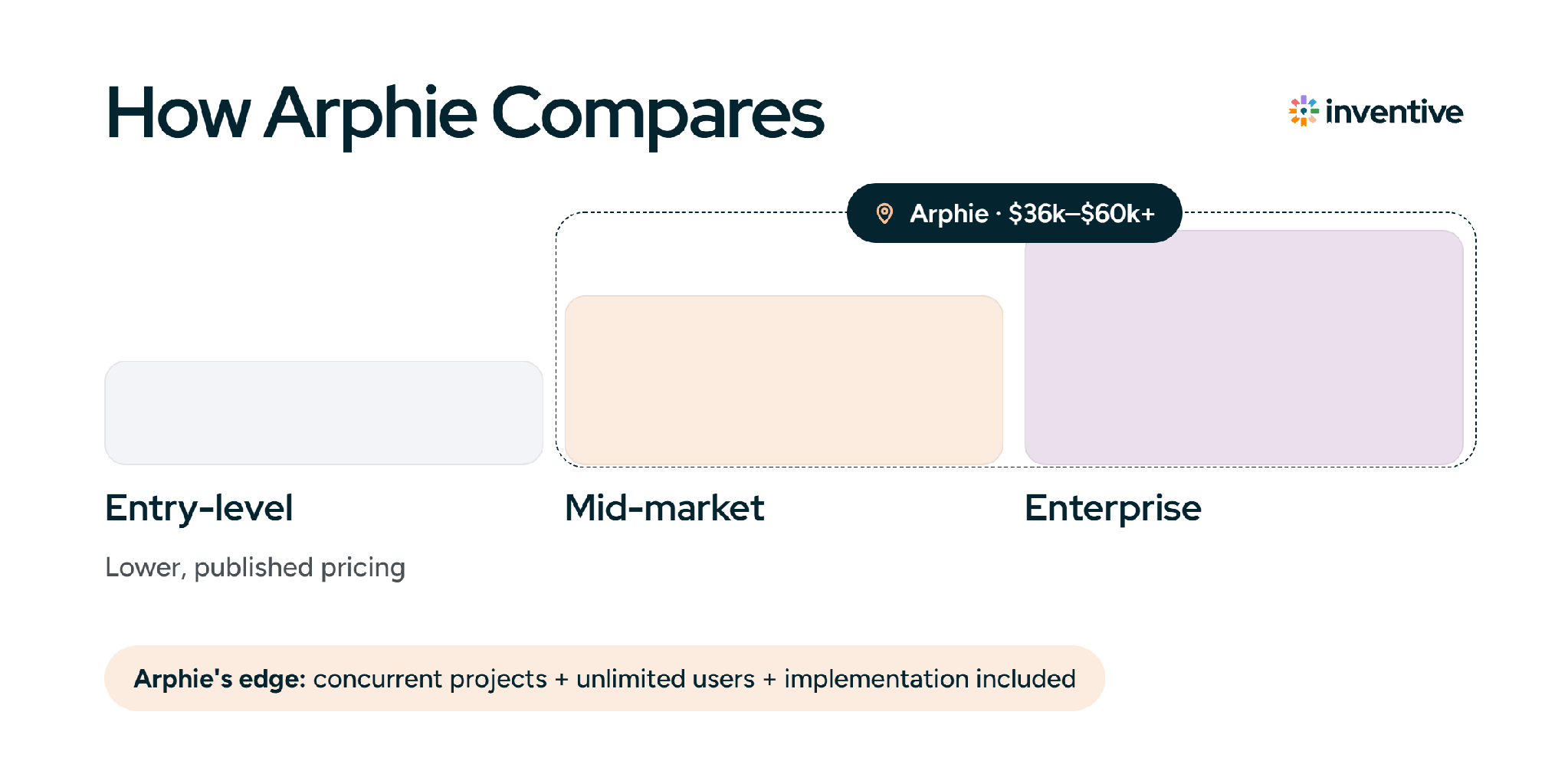
To judge whether a $36,000 to $60,000+ quote is reasonable, it helps to see the broader market. Independent benchmarks for RFP and proposal software look like this:
Against these benchmarks, Arphie's $36,000 to $60,000+ range sits in the mid-market to enterprise band. The difference is the model: most tools in that band price per seat and often add implementation on top, while Arphie prices by concurrent projects with unlimited users and implementation included.
Also Read: Inventive AI vs Arphie: Which AI RFP Platform Is Better in 2026?
Arphie reviews and ratings
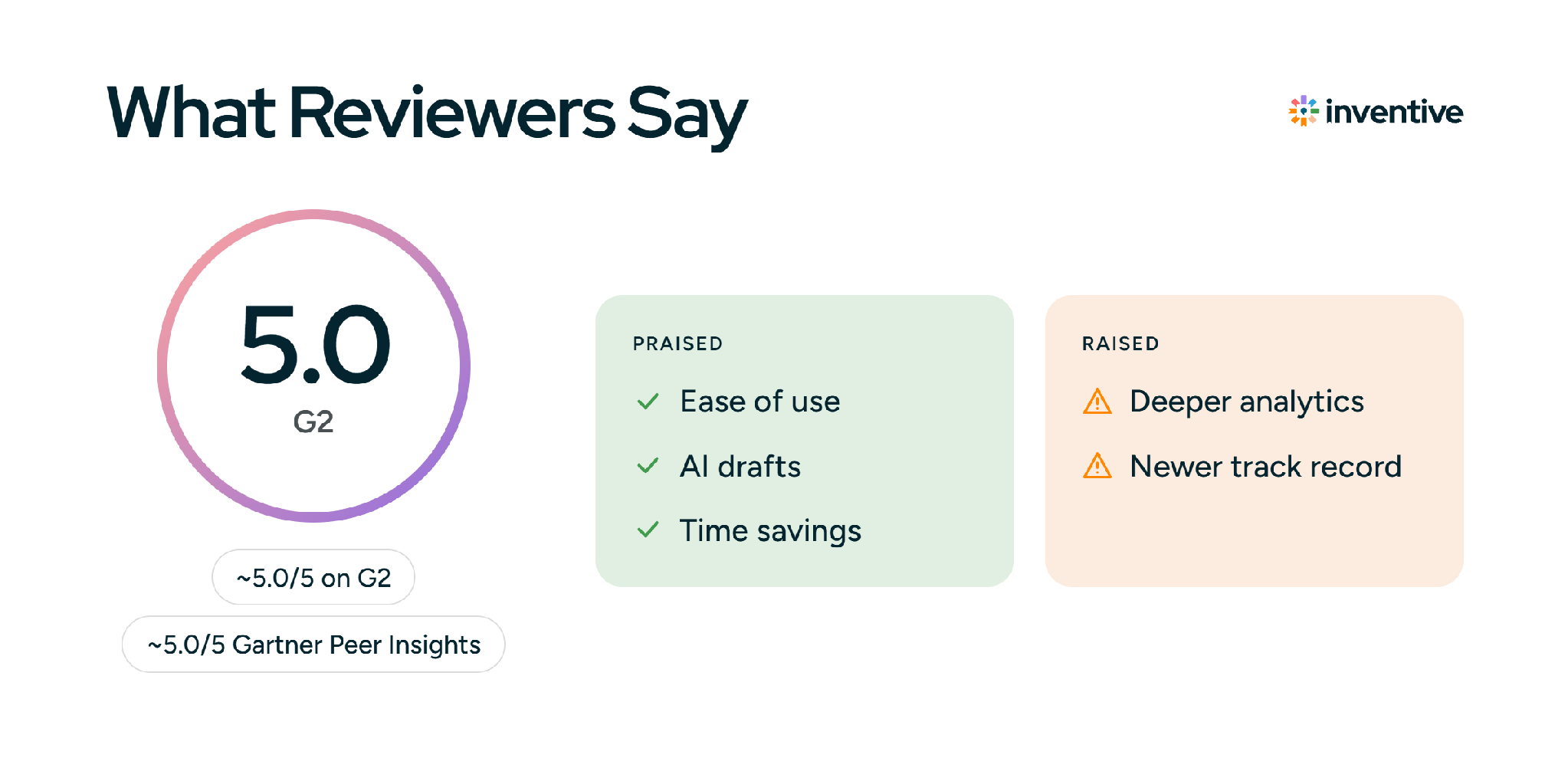
Arphie is rated around 5.0/5 on G2 and about 5.0/5 on Gartner Peer Insights, and it maintains profiles on Capterra, SoftwareAdvice, and GetApp. Those scores are strong but based on relatively small review counts, which is typical for a newer product, so read them as encouraging early signals rather than a long track record.
Common themes in user feedback include:
- Praised: an easy-to-use interface and fast onboarding, the quality of AI-generated first drafts, and meaningful time savings on repetitive questionnaire work.
- Raised as limitations: requests for deeper, data-driven analytics and usage reporting, and the general caution that comes with adopting a newer platform still building out its enterprise track record.
As always, peer-review scores reflect a self-selected sample and shift over time, so it helps to read recent reviews from teams whose size and use case resemble your own.
Arphie strengths and limitations
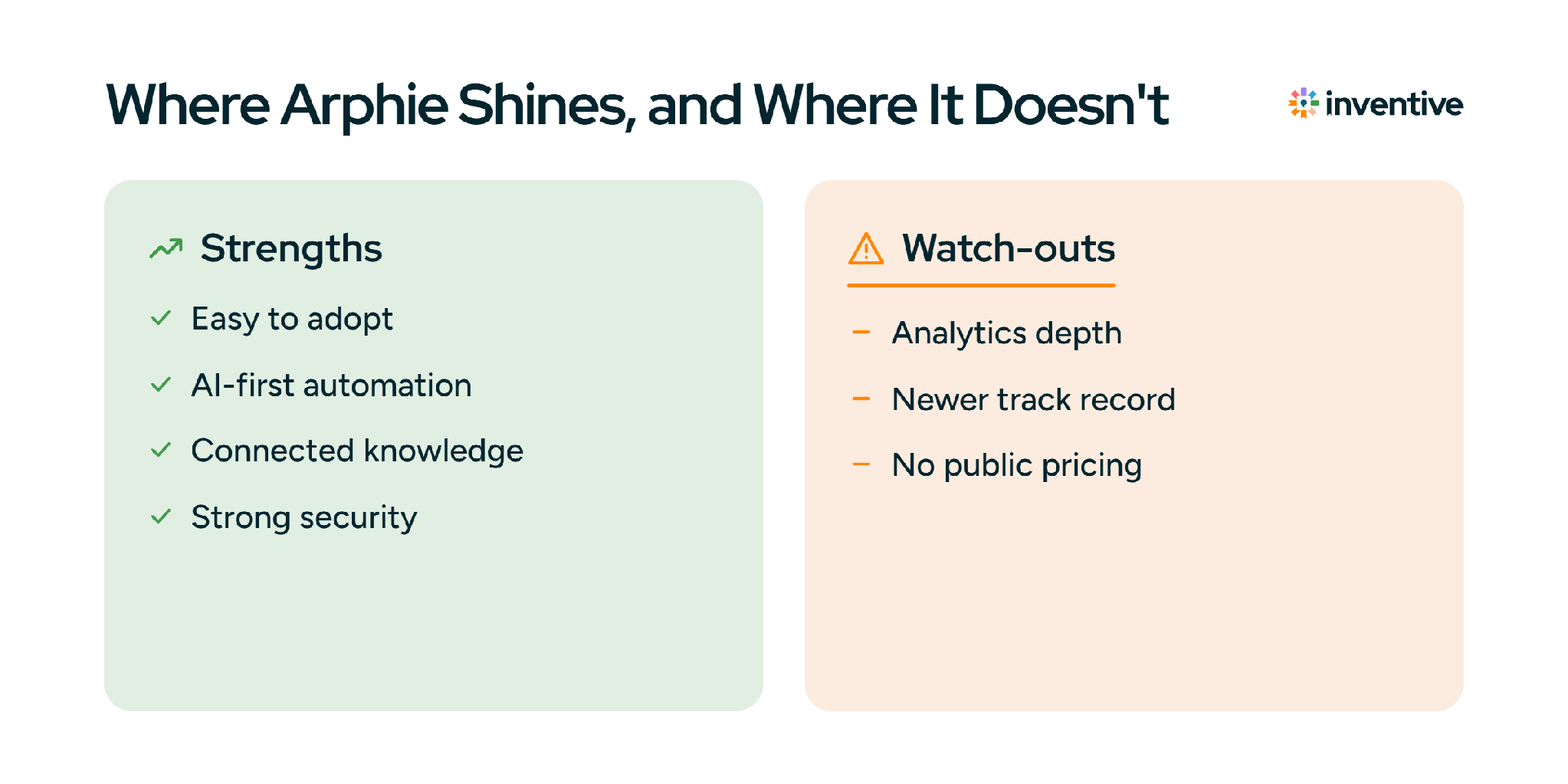
Like most response-automation tools, Arphie is stronger in some scenarios than others.
Where Arphie tends to do well
- Ease of adoption. Reviewers frequently cite a clean interface and quick onboarding, which lowers the barrier for teams getting started.
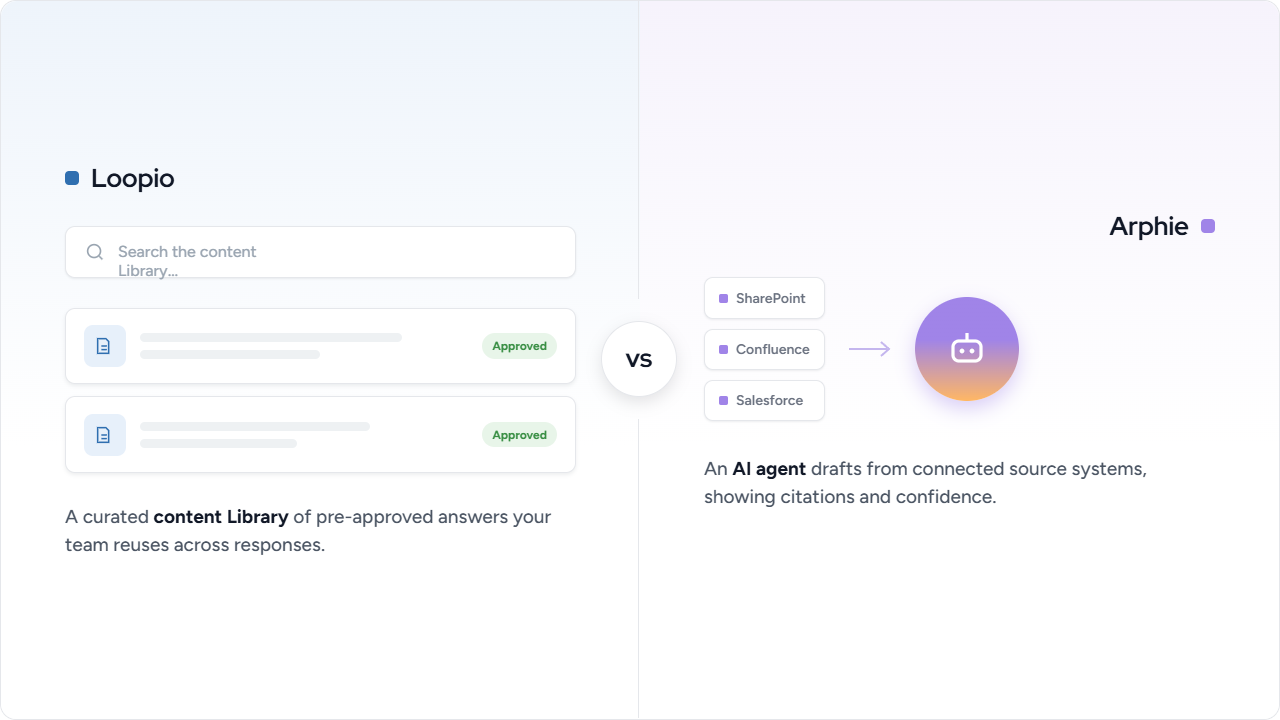
- Modern, AI-first automation. Built AI-native, the platform focuses on generating first-draft answers quickly rather than relying on a manually curated library.
- Connected knowledge. Integrations with Google Drive, SharePoint, Notion, Highspot, and Seismic help keep answers grounded in current source content.
- Security posture. SOC 2 Type 2, SAML SSO, access controls, and answer auditing address common procurement and InfoSec requirements.
Where users report limitations
- Analytics depth. Some reviewers want richer usage analytics and performance reporting to track adoption and effectiveness.
- Newer track record. As a 2023-founded product, Arphie has a shorter enterprise history and smaller review base than long-established competitors.
- Pricing transparency. With no public pricing, buyers need a direct quote to compare total cost against other tools.
Is ChatGPT or Claude a cheaper alternative to RFP software?
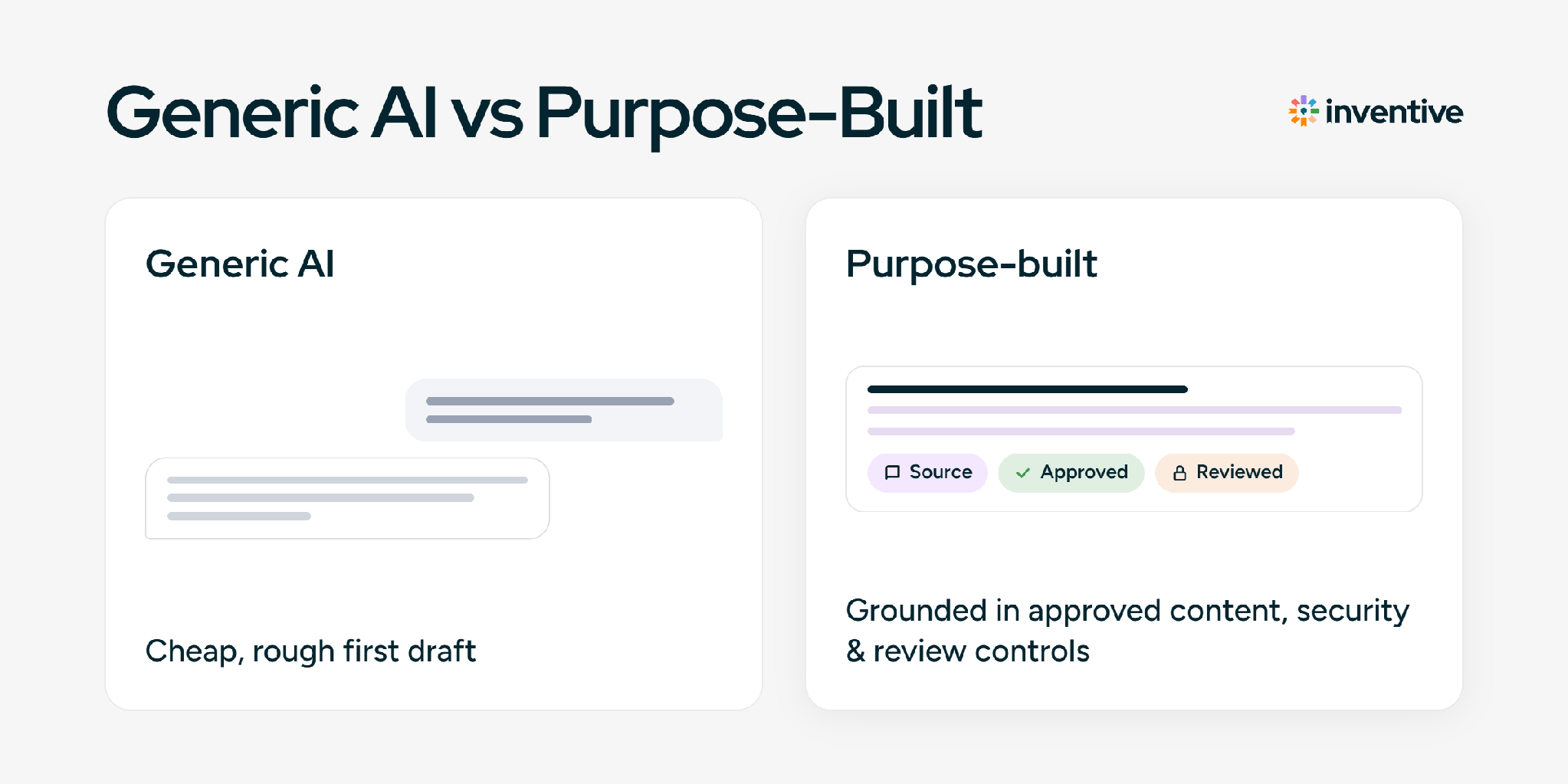
ChatGPT and Claude cost about $20 to $30 per user per month, which is much less than a dedicated RFP tool. But the subscription is not the full cost. You still paste in your content, rewrite the output, and check every answer by hand. Putting confidential RFP details into a consumer tool also carries security risk. Once you add that time and risk, the cheaper tool often costs more to complete one RFP.
A general assistant looks cheaper because you only see the subscription. A purpose-built platform costs more upfront, but the price buys back the hours, the verification, and the risk that the cheap option leaves on your plate. When you compare tools, weigh the full cost of getting a response submitted, not the monthly fee.
Arphie vs Inventive AI: side-by-side price comparison
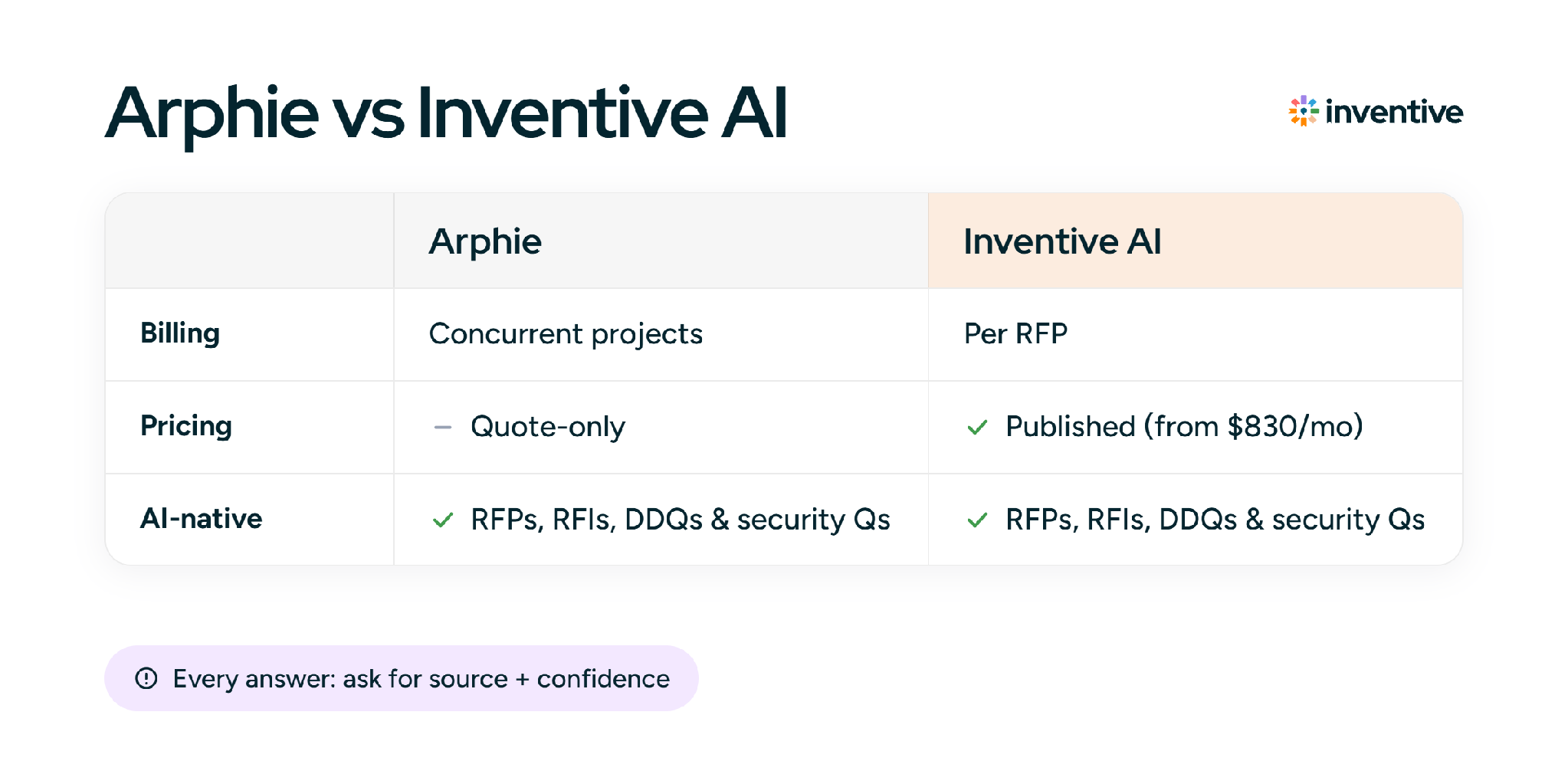
Inventive AI publishes transparent per-RFP pricing from $830/month, billed annually with unlimited users, while Arphie uses custom quotes of $36K to $60K+ billed by concurrent projects. Both are AI-native tools for RFPs, RFIs, DDQs, and security questionnaires, so the decision comes down to pricing structure, competitive insight, and response quality controls. Here is how they line up.

.avif)

.png)


.png)