Best Healthcare RFP Template: A Complete Guide for 2026

Responding to healthcare RFPs can be a complex and time-consuming process. Tight deadlines, unclear requirements, and managing multiple proposals at once often leave little room for strategic thinking. But what if you could reduce the time spent drafting proposals and still submit high-quality responses that stand out?
According to McKinsey’s State of AI Global Survey 2025, 88% of enterprises report regular AI use in their organizations, reflecting a clear shift toward AI-driven execution in high-effort, repeatable work like RFP responses. This trend is transforming how organizations approach RFPs, including in healthcare.
With the right healthcare RFP response template, you can automate tasks, keep your responses consistent, and improve proposal quality, all while saving time. This template gives you a structured framework to simplify your proposal process and submit responses that meet the buyer’s needs.
We’ll guide you through how to customize and use this healthcare RFP template to create faster, more accurate, and compelling proposals that give you an edge over the competition.
Key Takeaways
- Healthcare RFPs help organizations select the right vendor by outlining their needs, goals, and compliance requirements.
- A well-crafted RFP response should be tailored, clear, and focused on addressing the buyer’s specific objectives, including compliance with healthcare regulations like HIPAA.
- Key sections in a healthcare RFP include company background, scope of services, pricing, performance metrics, and vendor qualifications.
- Best practices for responding include following submission guidelines, offering customized solutions, highlighting measurable ROI, and maintaining transparency.
- Inventive AI can enhance your RFP response process by automating tasks, ensuring compliance, improving accuracy, and detecting outdated or conflicting content.
The Ultimate Healthcare RFP Response Template for Success
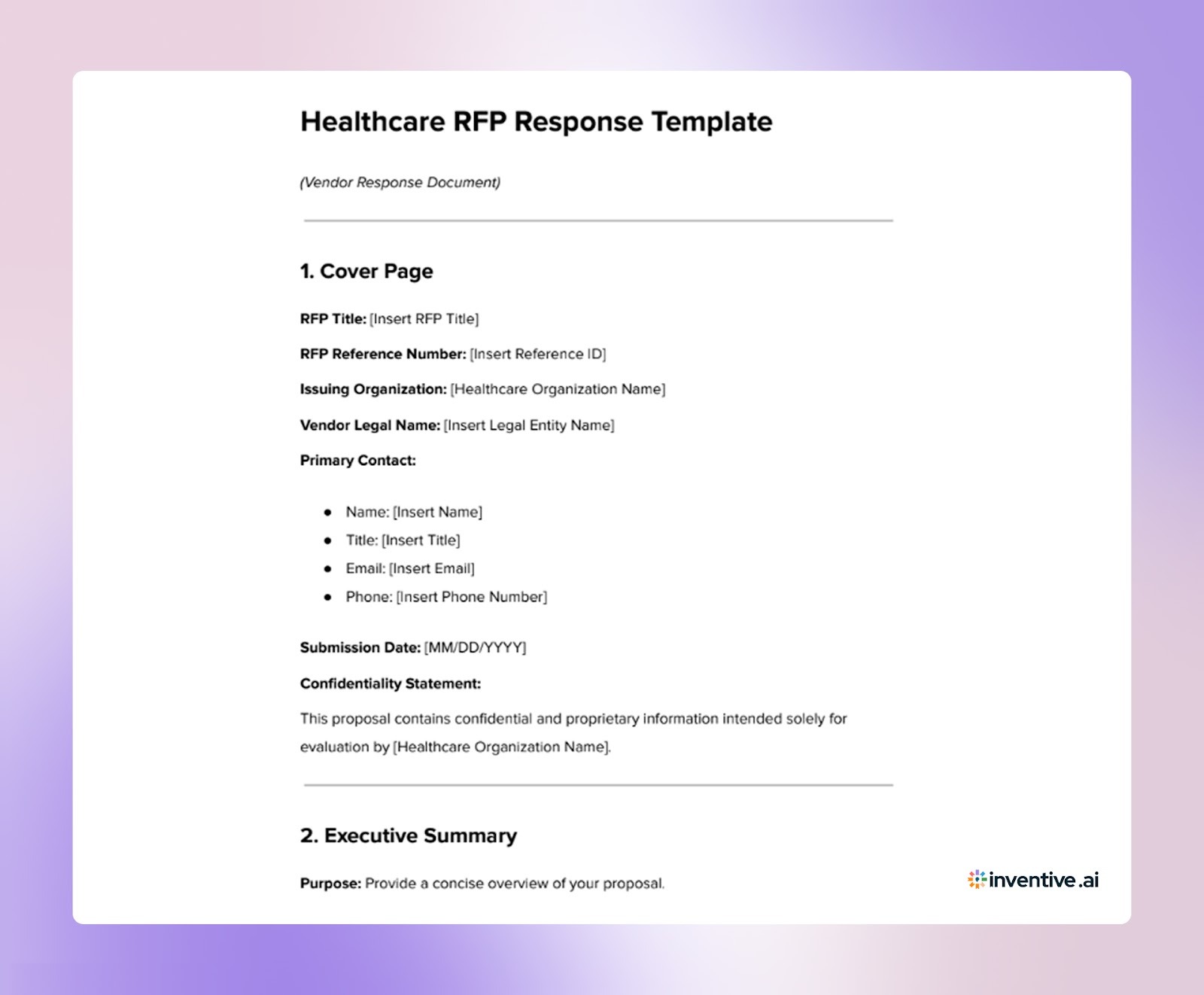

About This Healthcare RFP Response Template
This Healthcare RFP response template is a professional, easy-to-use framework designed to help you craft clear, tailored, and high-quality proposals for healthcare RFPs. It covers all the essential sections required in a healthcare RFP, ensuring you never miss a critical detail when submitting your proposal.
What This Template Includes:
- Structured sections for company background, scope of services, performance metrics, pricing, and vendor qualifications.
- Space to highlight your expertise and demonstrate compliance with critical healthcare regulations like HIPAA.
- Clear guidelines for showcasing measurable outcomes and ROI.
Why Use This Healthcare RFP Template?
- Save valuable time by using a proven structure that guides you through every step of the response process.
- Ensure consistency and clarity across all RFP submissions, making it easier to meet deadlines and manage multiple proposals.
- Customize each section to address the buyer’s specific healthcare needs, ensuring your solution stands out from competitors.
By using this Healthcare RFP response template, you can simplify your proposal process, ensure compliance, and increase your chances of winning contracts in the competitive healthcare market.
6 Strategic Tips to Customize Your Healthcare RFP Response Template
Customizing the healthcare RFP response template ensures your proposal is perfectly aligned with the buyer's specific needs. Here are some practical tips to help you make the most of the template:
1. Align the Introduction with the Buyer’s Objectives
Start by adjusting the introduction to reflect the buyer's unique goals. If they’re focused on improving patient care, regulatory compliance, or operational efficiency, make sure to highlight how your solution directly supports these priorities.
2. Tailor the Scope of Services to Their Requirements
The scope of services section should be customized to focus on exactly what the buyer needs. If they are only interested in specific services, such as medical equipment or staffing, remove irrelevant offerings and emphasize the solutions they seek.
3. Highlight Relevant Compliance and Regulatory Standards
Healthcare RFPs often have strict compliance requirements. Make sure the compliance section is customized to address the specific regulations mentioned in the RFP (e.g., HIPAA, HITECH). Highlight how your solution meets these standards and the certifications you hold.
4. Showcase Case Studies and Experience That Relate to the Buyer’s Industry
Tailor the experience section by including case studies that align with the buyer's industry or specific needs. Demonstrating that you’ve solved similar challenges in the healthcare sector builds credibility and shows your expertise.
5. Provide a Transparent, Competitive Pricing Structure
Adjust the pricing section to fit the buyer’s budget and service requirements. Offer clear pricing breakdowns and explain how your solution delivers value, focusing on cost-effectiveness while meeting their expectations.
6. Align Your Timeline with Their Project Deadlines
Customizing the timeline section is crucial. Make sure your proposed start and end dates match the buyer’s expectations. Highlight key milestones and how you’ll meet their deadlines while delivering high-quality service.
By following these tips, you ensure your response is focused, relevant, and compelling, improving your chances of standing out in a competitive healthcare RFP process.
Key Components in Healthcare RFPs: Use This Template to Address Them All
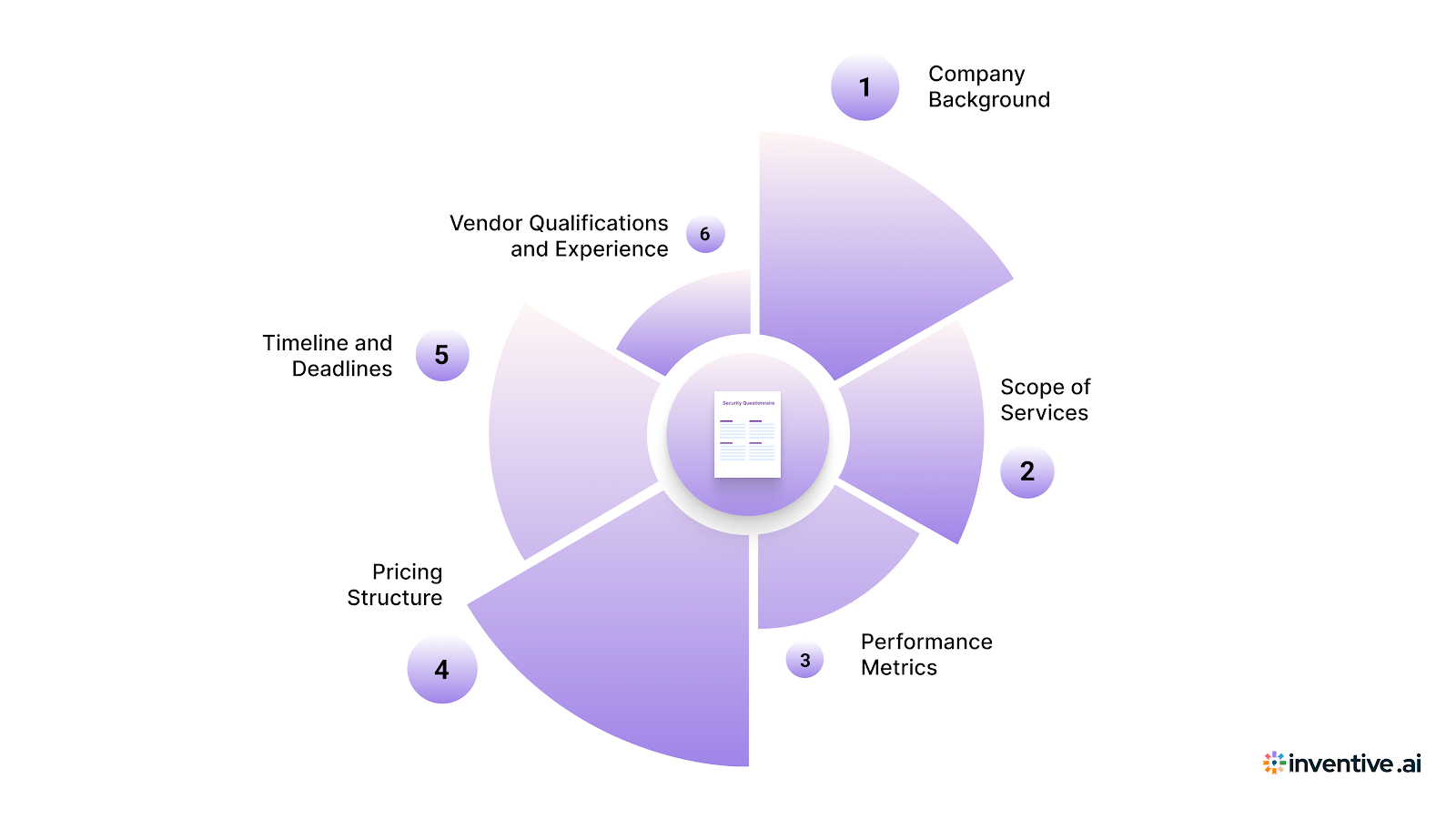
Healthcare RFPs typically contain several important sections. Understanding these components will help you structure your response effectively:
1. Company Background
This section provides key information about the organization issuing the RFP, such as:
- Mission and values
- Business goals and objectives
- Key challenges they are trying to address with the RFP
Use this section to align your response with the company’s goals, showing how your services or solutions can help address their challenges.
2. Scope of Services
The scope of services outlines what is being asked of vendors. This includes:
- Specific products, services, or solutions required
- Detailed project deliverables
- Required service levels and KPIs
Demonstrate how your solution meets or exceeds the buyer’s expectations by providing clear examples of similar work you’ve done.
3. Performance Metrics
Companies often look for specific performance metrics to assess vendor success, such as:
- Employee satisfaction
- Reduction in turnover rates
- Time-to-hire metrics
- Efficiency improvements
Highlight your ability to meet or exceed these metrics by referencing past achievements and outcomes.
4. Pricing Structure
This section outlines the pricing model, including:
- Service fees (monthly/annual)
- Set-up or implementation costs
- Ongoing support and maintenance fees
Provide a clear, transparent pricing structure. Offer competitive pricing while aligning with the buyer’s budget.
5. Timeline and Deadlines
Healthcare RFPs often come with strict timelines for project delivery. This section will include:
- Project start and end dates
- Key milestones and deadlines
Align your proposal with the project timeline, demonstrating your ability to meet deadlines and ensure timely delivery.
6. Vendor Qualifications and Experience
This section will ask vendors to outline their qualifications, certifications, and relevant experience. Vendors should include:
- Case studies and success stories
- Industry certifications (e.g., ISO, HITRUST)
- Client testimonials
Provide proof of your ability to successfully deliver the proposed services, along with relevant examples of past projects.
By thoroughly addressing each of these key components in your response, you ensure that your proposal is aligned with the healthcare organization's needs and increases your chances of securing the contract.
Also Read: Your Ultimate Guide to RFPs (Request for Proposals)
Best Practices for Effective Healthcare RFP Response to Keep in Mind While Using a Template
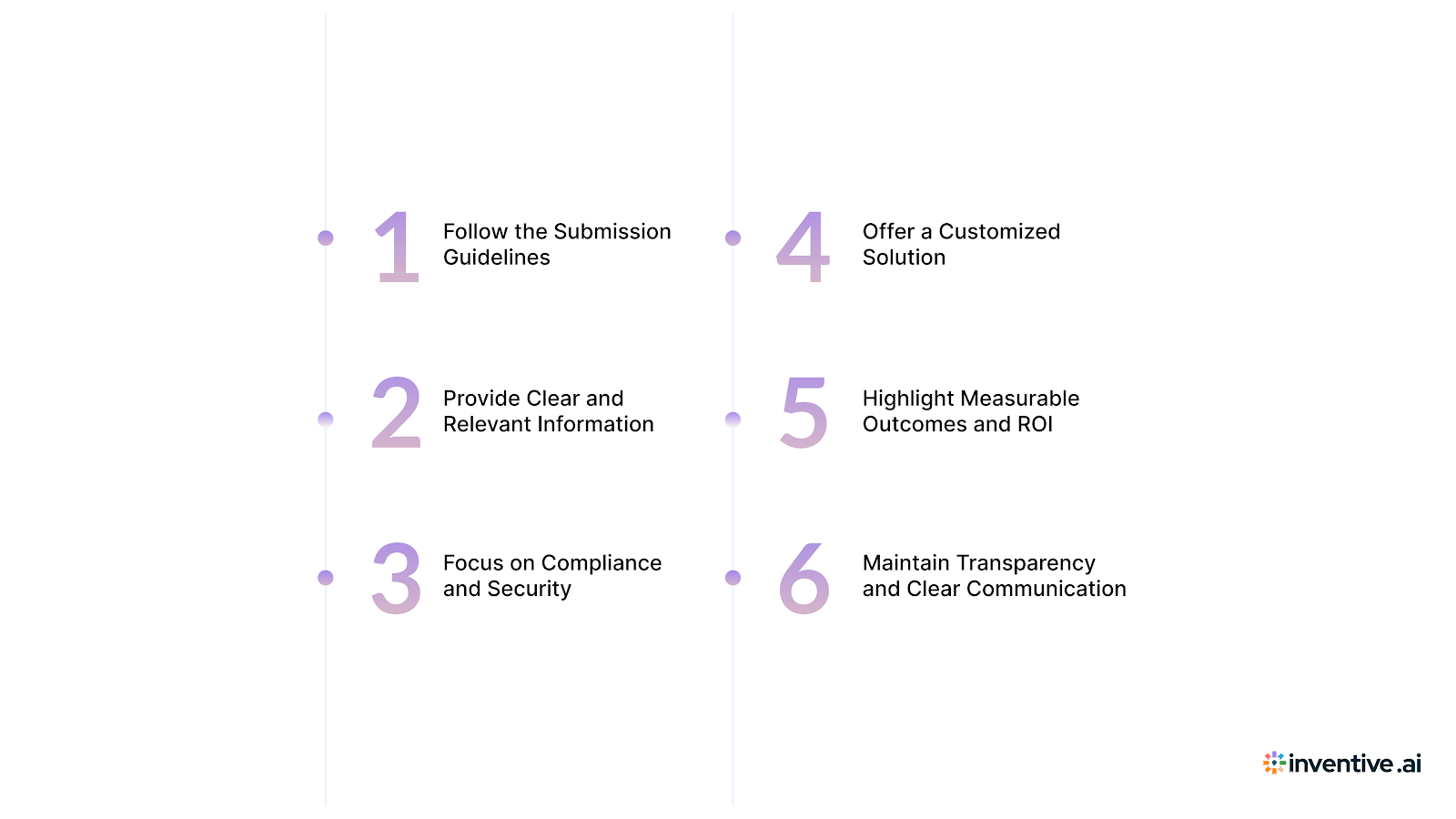
To ensure your healthcare RFP response stands out from the competition, follow these best practices:
1. Follow the Submission Guidelines
Always adhere strictly to the RFP’s submission guidelines. This includes the following formatting requirements (e.g., font type, document structure), file types (PDF, Word), and submission deadlines. Failing to comply with these guidelines can lead to disqualification, so ensure that your response is correctly formatted and submitted on time.
2. Provide Clear and Relevant Information
Focus on responding directly to the RFP's requirements. Avoid including unnecessary or irrelevant information that could detract from your proposal. Review the RFP thoroughly and address each section in a concise, clear manner. Use tables, bullet points, and headers to make key information easy to find.
3. Focus on Compliance and Security
Healthcare RFPs often include stringent compliance requirements, particularly around data security and patient privacy. Demonstrate your expertise in maintaining compliance with key regulations, such as HIPAA, HITECH, GDPR, and other relevant standards. Show that you have robust data security measures in place and understand the legal obligations tied to healthcare data.
4. Offer a Customized Solution
Every healthcare organization has unique needs, challenges, and goals. Avoid sending a generic proposal; instead, tailor your response to the buyer’s specific requirements. Show that you understand their business goals and how your solution will help them achieve those goals, whether it’s improving operational efficiency, reducing costs, or enhancing patient care.
5. Highlight Measurable Outcomes and ROI
Healthcare organizations are results-driven and want to know how your solution will make a tangible difference. Emphasize how your services will deliver measurable outcomes, such as reduced operational costs, improved service delivery, or better patient outcomes. Use past case studies to provide evidence of your solution’s effectiveness.
6. Maintain Transparency and Clear Communication
Ensure that your proposal is clear and transparent. Avoid jargon or overly technical language unless it’s necessary for understanding your solution. Communicate your pricing, timelines, and any potential risks openly to build trust with the healthcare organization.
Clear, concise, and transparent communication will help you stand out and increase your chances of securing the contract.
How Inventive AI Helps You Respond to Healthcare RFPs?
Responding to healthcare RFPs doesn’t have to be a time-consuming or stressful process. Inventive AI offers powerful tools that make the RFP response process faster and more accurate:
2x Higher Response Quality
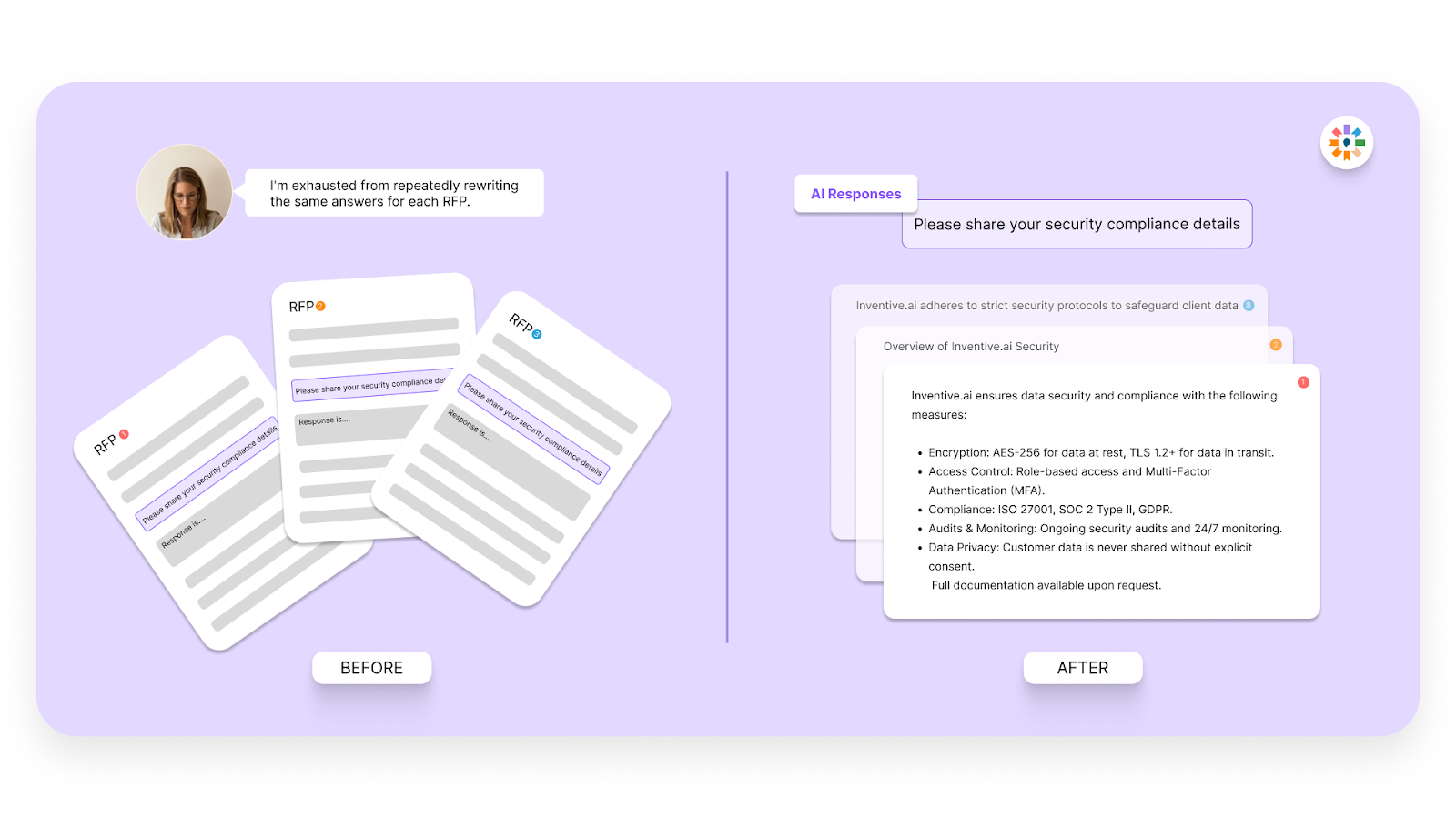
Inventive AI automates the drafting process, improving response quality by ensuring all content aligns with the buyer’s needs.
Context-Awareness
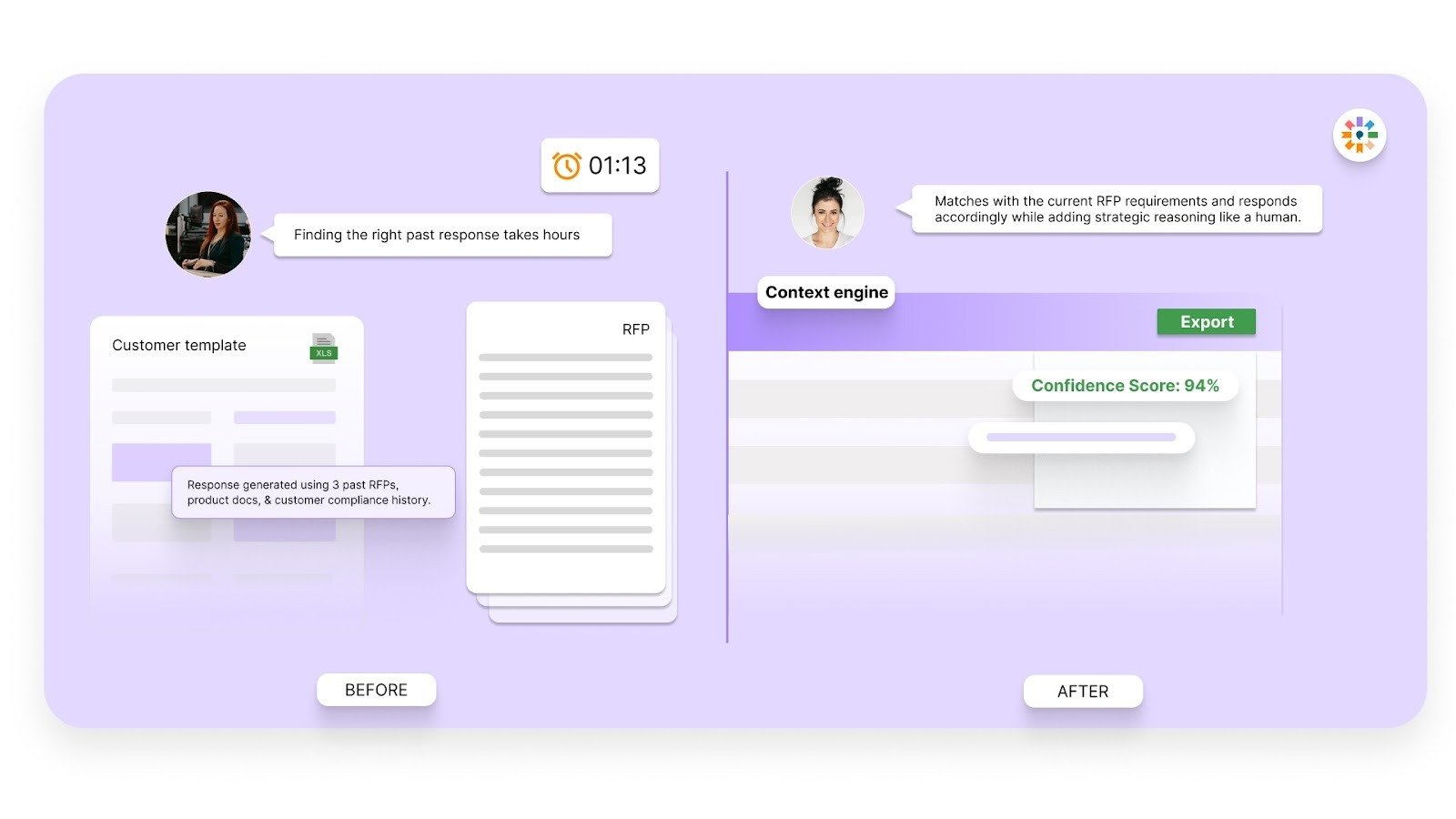
The AI ensures your responses are tailored to the specific requirements of each healthcare RFP, making your proposals more relevant and compelling.
Instant Conflict Detection Before Submission
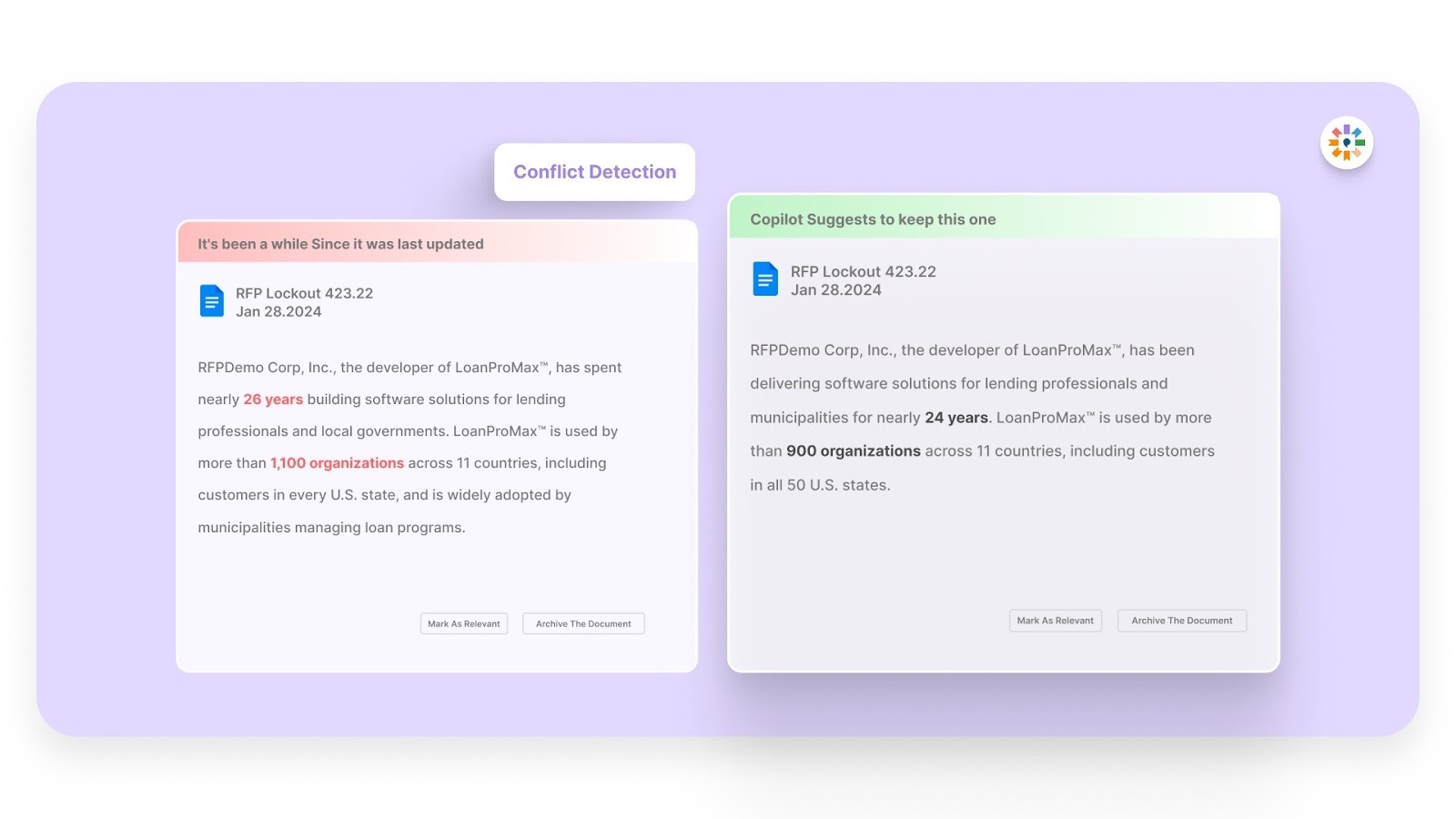
Avoid costly mistakes by having Inventive AI identify inconsistencies in your responses before submission.
Outdated Content Detection
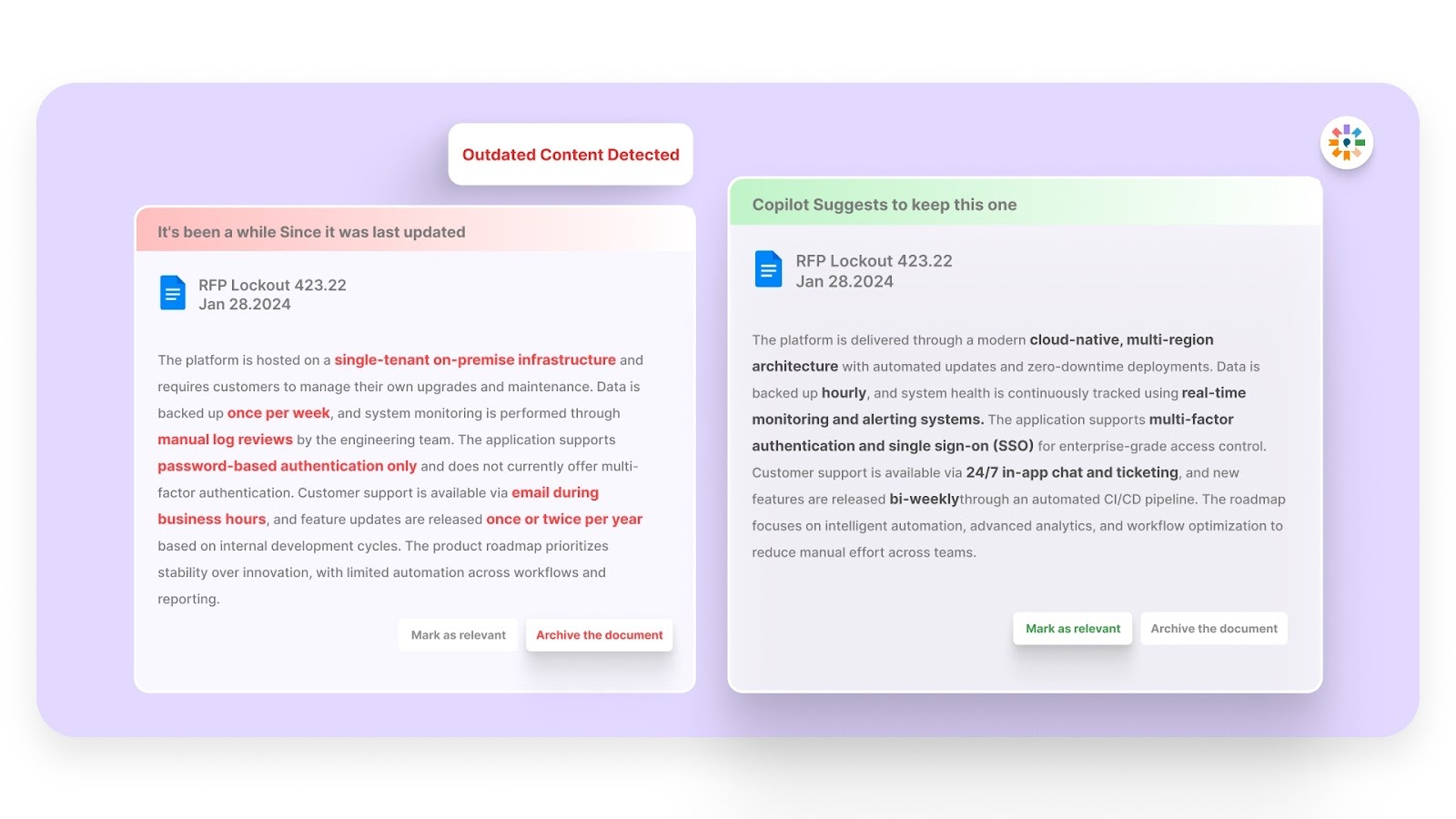
Inventive AI automatically flags outdated content, ensuring that your responses are up-to-date with the latest healthcare regulations and standards.
Narrative-Style Proposals
Say goodbye to fragmented responses. Inventive AI ensures your proposals are cohesive and professionally written.
With Inventive AI’s advanced RFP agent, responding to healthcare RFPs becomes a simplified, efficient, and precise process, allowing vendors to submit higher-quality proposals faster, with greater compliance and fewer errors.
Frequently Asked Questions (FAQs)
1. How do I ensure my healthcare RFP response is compliant with regulations?
Healthcare RFP responses must demonstrate compliance with various regulations like HIPAA, GDPR, and SOC 2. Clearly outline how your solution adheres to these standards, including data security measures, privacy policies, and risk management practices. Mention any relevant certifications or audits that prove your compliance.
2. How does AI help in responding to healthcare RFPs?
AI tools like Inventive AI can simplify the RFP response process by automating the drafting of proposals, ensuring compliance, improving accuracy, and detecting conflicts in responses. They also help tailor responses to the specific requirements of each RFP, saving time and increasing proposal quality.
3. Can I use the same healthcare RFP response template for multiple clients?
Yes, you can reuse a healthcare RFP response template across multiple clients, but it’s important to customize the content for each buyer. The template provides a structured framework, but you should adapt the introduction, scope of services, compliance measures, and pricing based on the buyer’s specific requirements. This ensures your response is relevant and tailored to each unique RFP.
4. What should I include in the timeline section of my healthcare RFP response?
In the timeline section of your healthcare RFP response, include start and end dates, key milestones, and dependencies that could affect the delivery. Highlight how your team will meet the buyer's deadlines, ensuring a smooth implementation. Provide a detailed timeline for key activities, such as system setup, integration, testing, and user training, so the buyer can clearly see how you plan to deliver on time.
.avif)