Request for Information Form - Download RFI Template

Most teams hate wasting hours on RFI responses that never seem to get a clear callback from buyers. This constant manual drafting drains your energy and often fails to hit the specific goals the client cares about.
A structured RFI template acts like a blueprint to keep your team from reinventing the wheel every time. This framework stops the guesswork and lets you focus on the quality of your answers instead of basic formatting.
Starting from scratch is a trap that leads to avoidable mistakes and inconsistent messaging across your entire sales organization. Using an organized template ensures your expertise gets noticed because your answers are finally clear, fast, and remarkably consistent.
Also Read: How to Develop Effective RFP Win Themes for Proposal Success
Request for Information Form Template: Free Download (For Buyers)
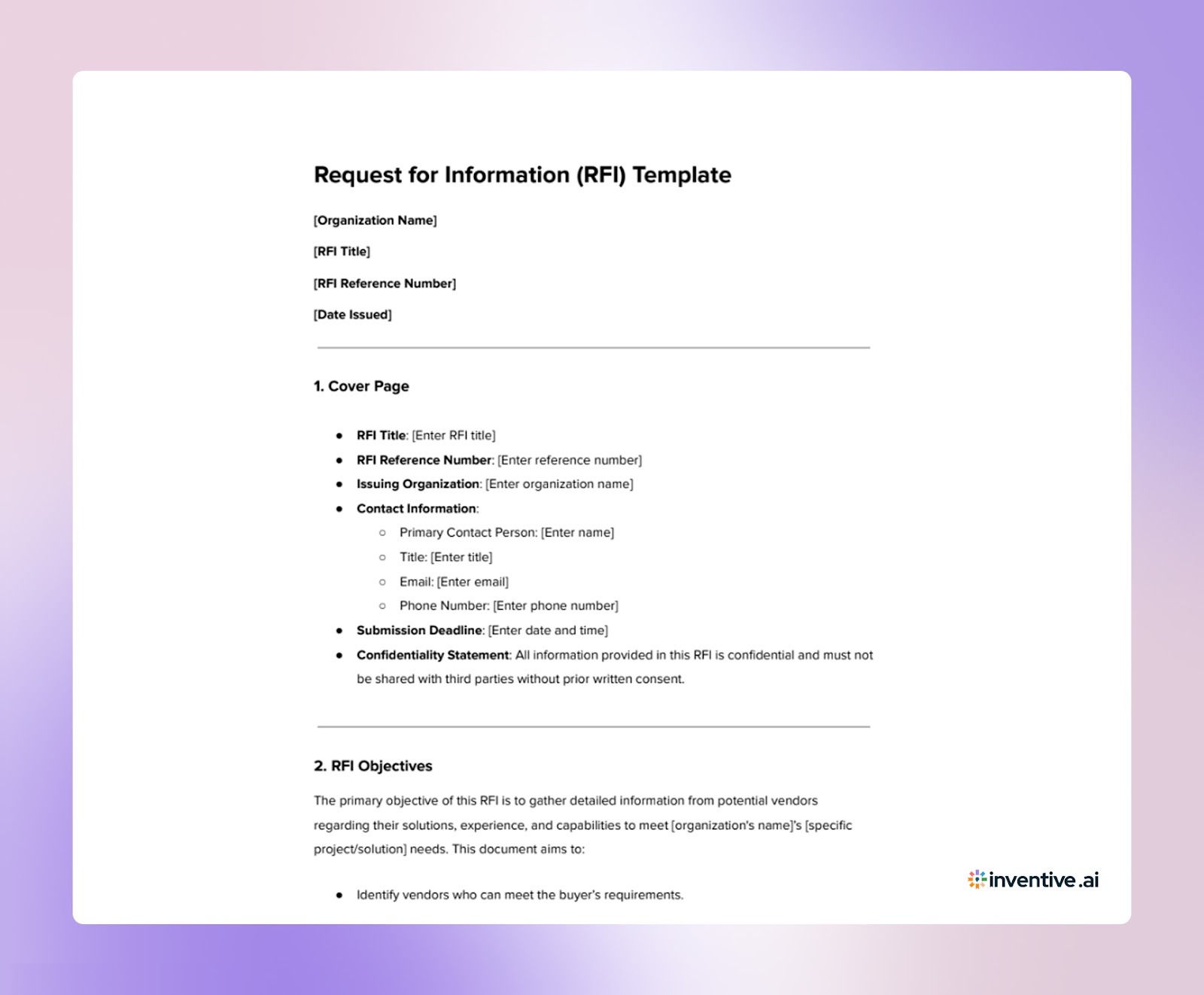

About the Request fir Information Form Template
An RFI template helps you understand what buyers expect from vendors during the early stage of procurement. When you review this structure, you can prepare your responses in advance instead of starting from scratch every time an RFI arrives.
This downloadable template covers the key components buyers usually include in their RFI documents. By studying these sections, you can organize your company information, solution details, and supporting material ahead of time.
Why Use This Request for Information Form Template?
Using an RFI template offers several benefits:
1. Faster preparation: When you know the type of questions buyers usually ask, you can prepare standard responses ahead of time and respond more quickly.
2. More organized responses: A structured template helps you present company information, solution details, and experience in a clear format that buyers can easily review.
3. Better alignment with buyer expectations: Understanding the template allows you to focus on the information buyers actually need instead of adding unnecessary details.
4. Fewer missing details: Since buyer templates follow a consistent structure, preparing responses around the same format reduces the risk of leaving out important information.
What’s Included in this Request for Information Form Template?
Most buyer RFI templates contain a set of standard sections used to evaluate vendors. Understanding these components helps you prepare stronger responses.
1. Vendor Information: Buyers request basic details about your company, including background, capabilities, and relevant experience.
2. Solutions Overview: This section asks vendors to describe their product or service and explain how it addresses the buyer’s requirements.
3. Case Studies or References: Buyers often ask for examples of previous projects or client references to understand your experience in similar situations.
4. Pricing Overview: Some RFI templates request high-level pricing models or general cost structures to understand the potential budget range.
5. Compliance and Certifications: Buyers may request information about certifications, security standards, or regulatory compliance that your company follows.
An effective RFI template simplifies the process, ensuring that you gather all the necessary information from vendors in a consistent and efficient manner. By using a well-structured template, you can save time, avoid missing important details, and make better-informed decisions.
A Practical RFI Response Template for Faster Responses: Free Download (For Vendors)
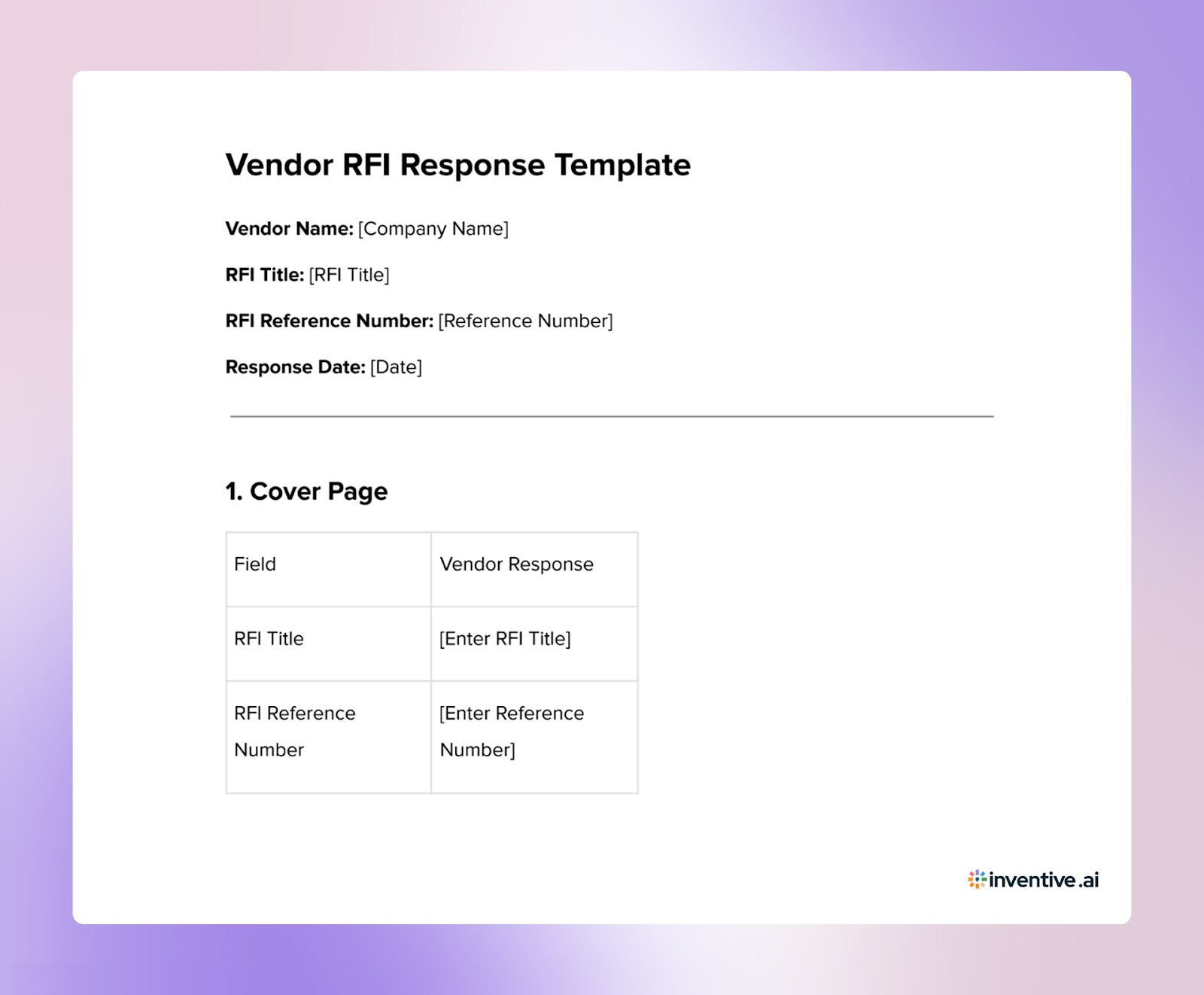
This RFI response template gives you a ready-to-use structure for preparing your responses. You can download the template and customize it based on the buyer’s requirements.
Instead of creating every response from scratch, you can use this template as a starting point and adjust the sections to match each RFI. With a few updates, you can tailor your responses to align with what the buyer is looking for.

7 Proven Ways to Customize Your Request for Information Form Template for Better Results
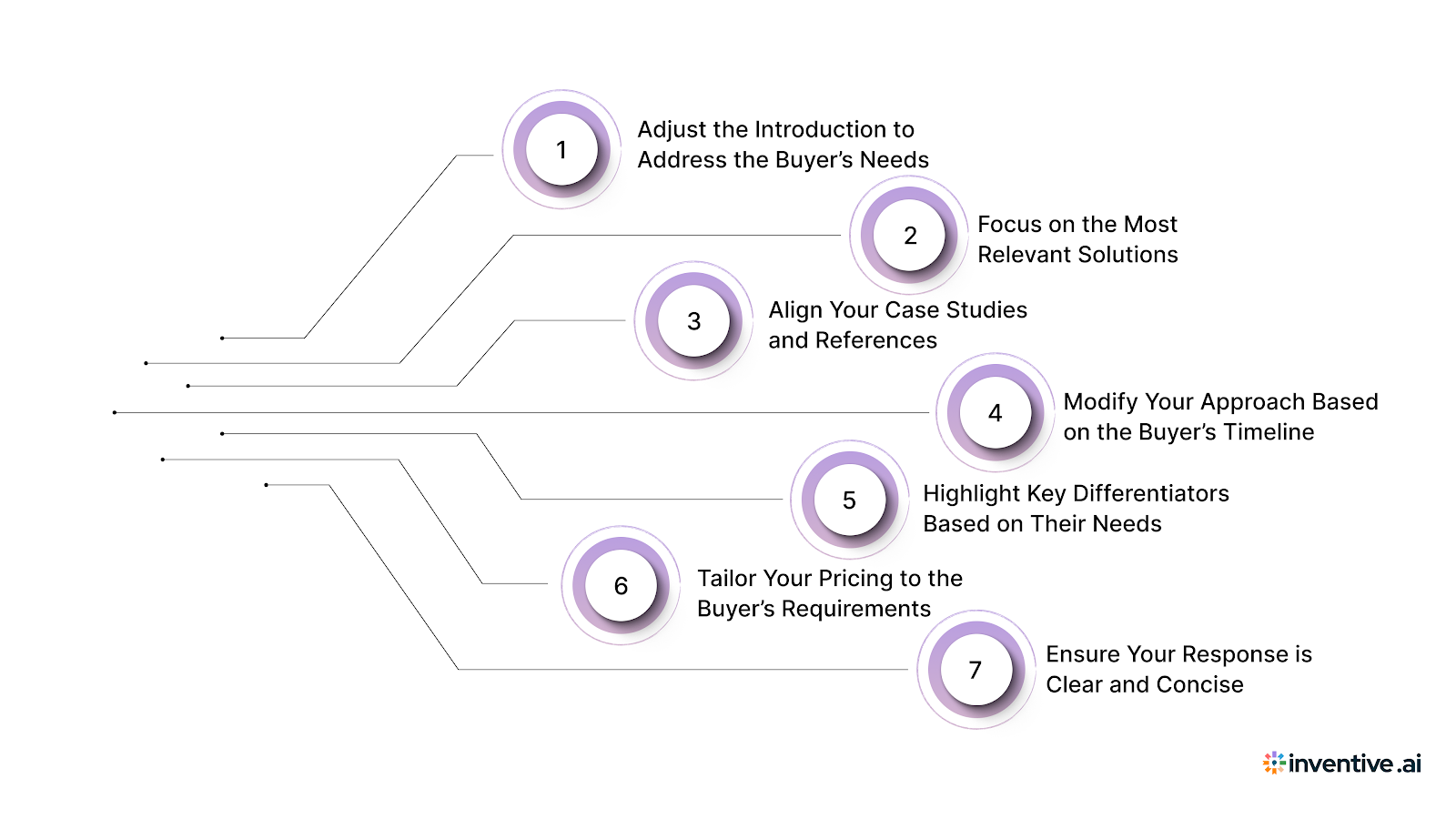
Customizing your RFI response template helps you present the most relevant information and show that you understand the buyer’s needs.
Here are seven ways vendors can tailor their RFI responses.
1. Adjust the Introduction to Match the Buyer’s Needs
Start your response with a short introduction that reflects the buyer’s goals or challenges. Use their language and explain how your solution supports their requirements.
2. Focus on the Most Relevant Solutions
Highlight the solutions that match the buyer’s requirements. If the RFI focuses on areas like security, scalability, or integrations, prioritize those in your response.
3. Use Relevant Case Studies and References
Include examples of projects that are similar to the buyer’s industry or problem. Relevant case studies help buyers see how your solution works in real situations.
4. Align With the Buyer’s Timeline
Review the buyer’s timeline and explain how your implementation plan fits within it. This shows that you can meet their expected schedule.
5. Highlight Your Key Differentiators
Explain what makes your solution different from others. Focus on the areas that matter most to the buyer, such as reliability, security, or ease of implementation.
6. Adjust Pricing Information Based on the RFI
Some RFIs ask for high-level pricing information. If required, provide a simple overview that aligns with the buyer’s requirements without going into full proposal detail.
7. Keep Your Response Clear and Easy to Review
Write short, direct answers that address the buyer’s questions. Avoid adding unnecessary details that make the response harder to review.
Customizing your RFI response template helps you present information more clearly and align your answers with the buyer’s requirements. This improves your chances of moving to the next stage of the evaluation process.
Benefits of Using This Request for Information Response Form Template
An RFI response template helps vendors organize this information in advance and respond more efficiently. Using an RFI response template offers several advantages:
- Faster response preparation: A template allows you to reuse common information, reducing the time needed to prepare responses for each RFI.
- More consistent information: Standard sections help keep company details, product descriptions, and compliance information consistent across multiple responses.
- Better organized responses: A structured format makes it easier for buyers to review your information and understand your capabilities.
- Reduced chances of missing information: With predefined sections, you are less likely to overlook important details requested by buyers.
- Easier customization for each RFI: You can quickly adjust sections of the template to match the specific requirements of each buyer.
Using an RFI response template helps vendors stay organized, respond faster, and present clear information during the early stage of the procurement process.
How Inventive AI Transforms RFI Response Management?
Inventive AI offers a range of features that help you save time, reduce errors, and provide tailored responses that align with the buyer's needs.
1. 2× Higher Quality DDQ Responses
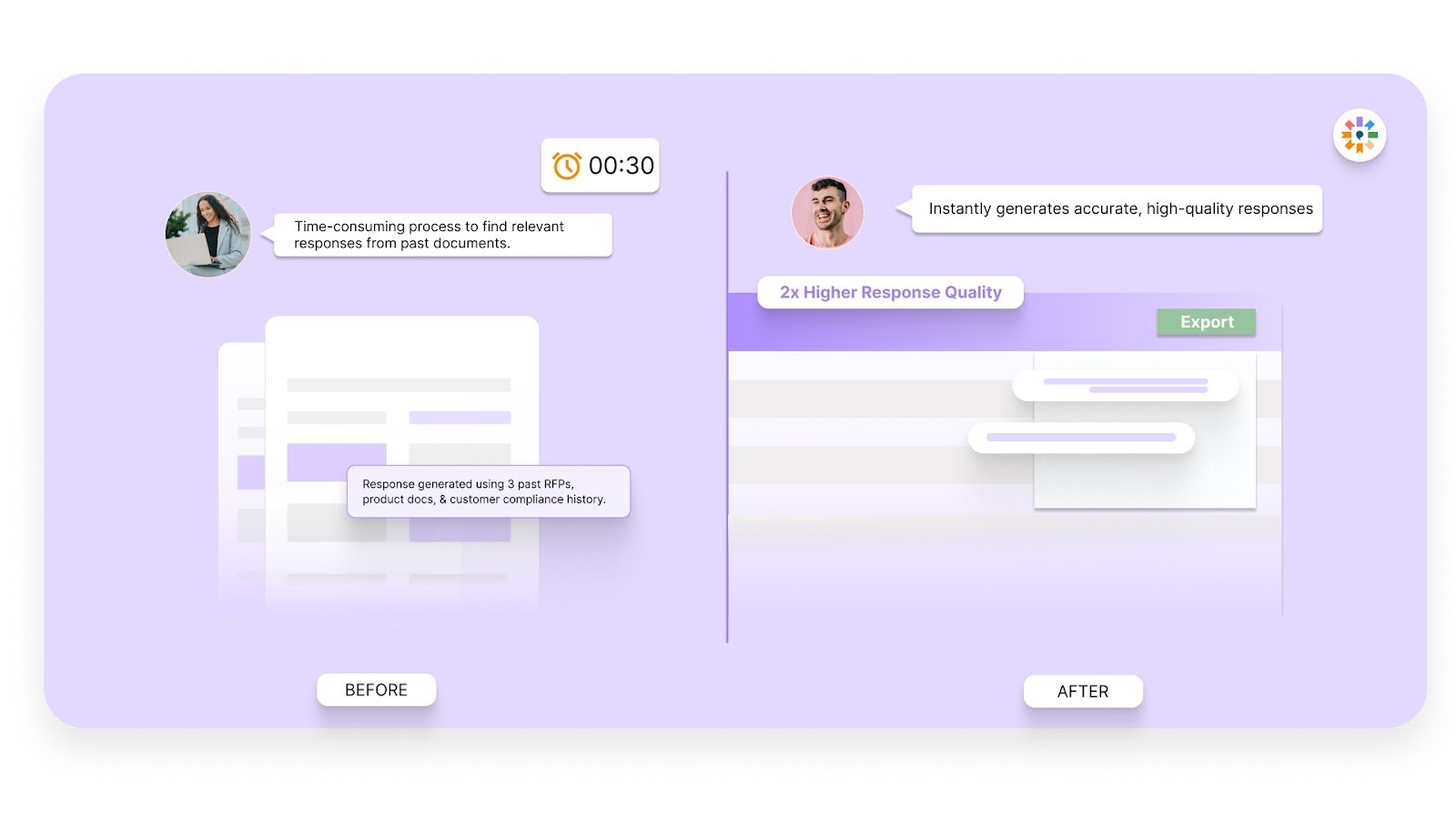
With Inventive AI, you can produce higher-quality responses by leveraging AI to automatically generate accurate and contextually relevant drafts.
2. Context Engine
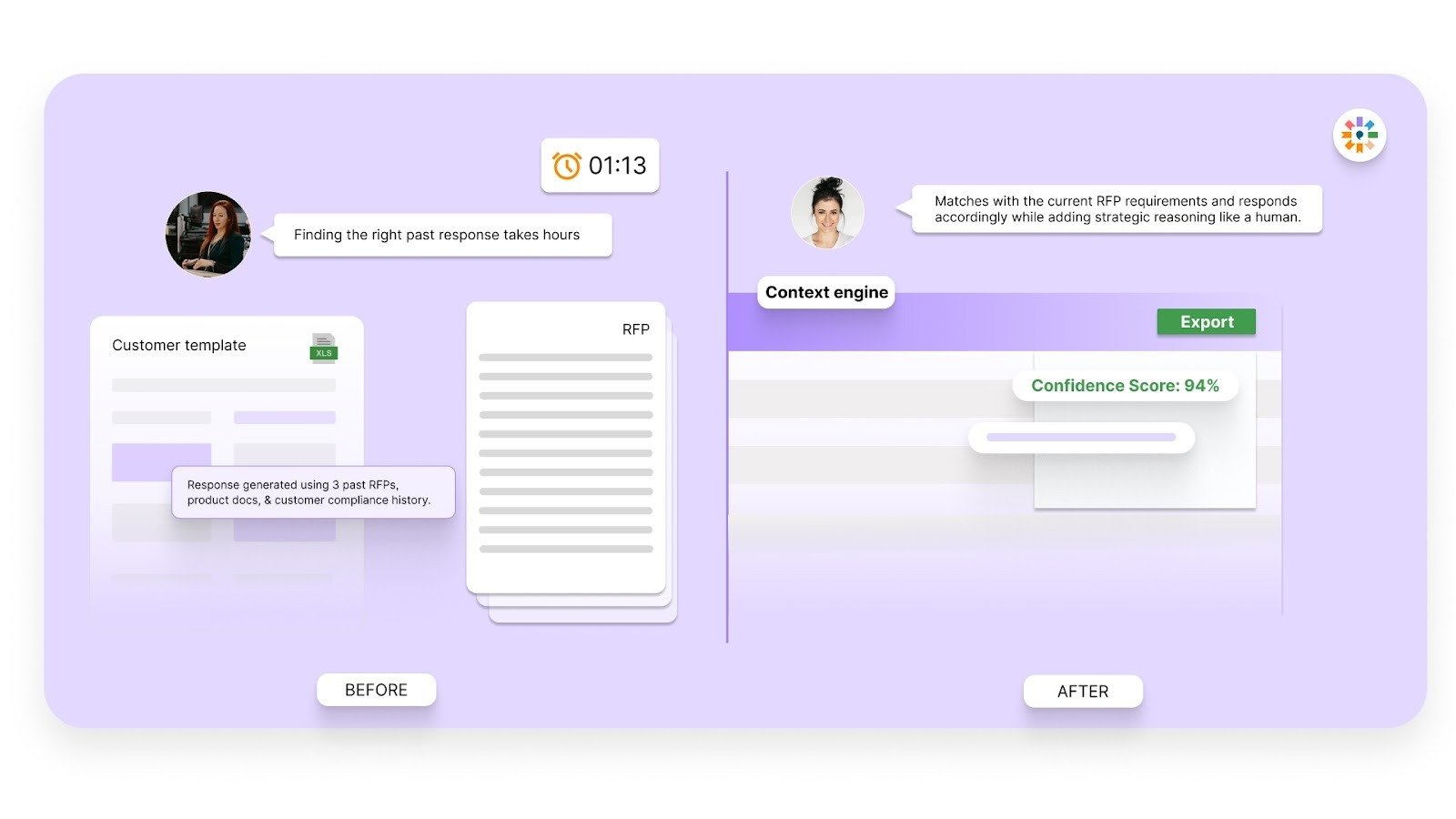
Our AI-driven Context Engine pulls in key data and organizes it easily, ensuring all your responses are aligned with the buyer’s needs and expectations.
3. Conflict Detection
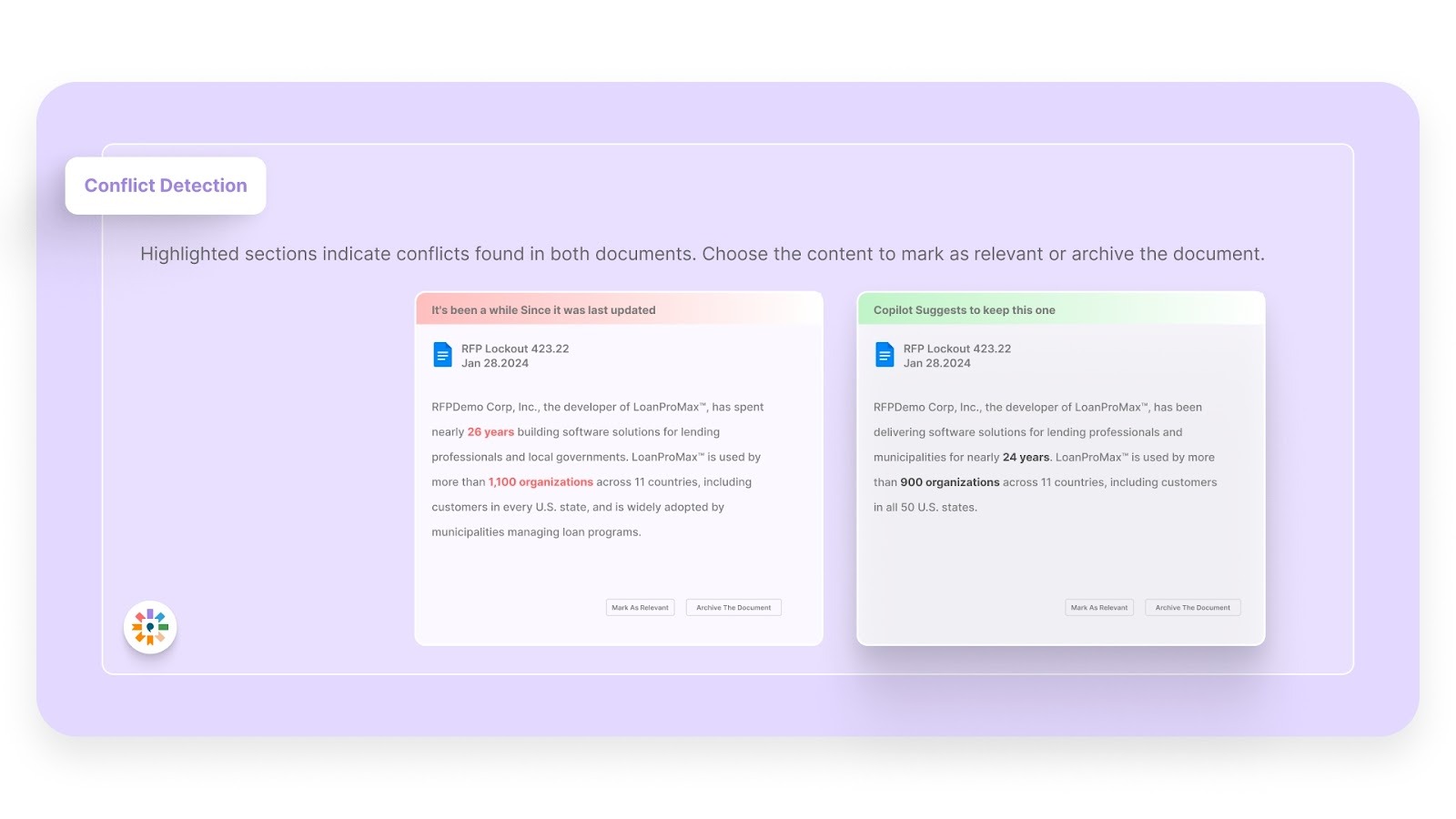
Eliminate the risk of conflicting information with Inventive AI’s AI-powered conflict detection. Our software flags inconsistencies and suggests corrections, keeping your responses accurate.
4. Outdated Content Detection
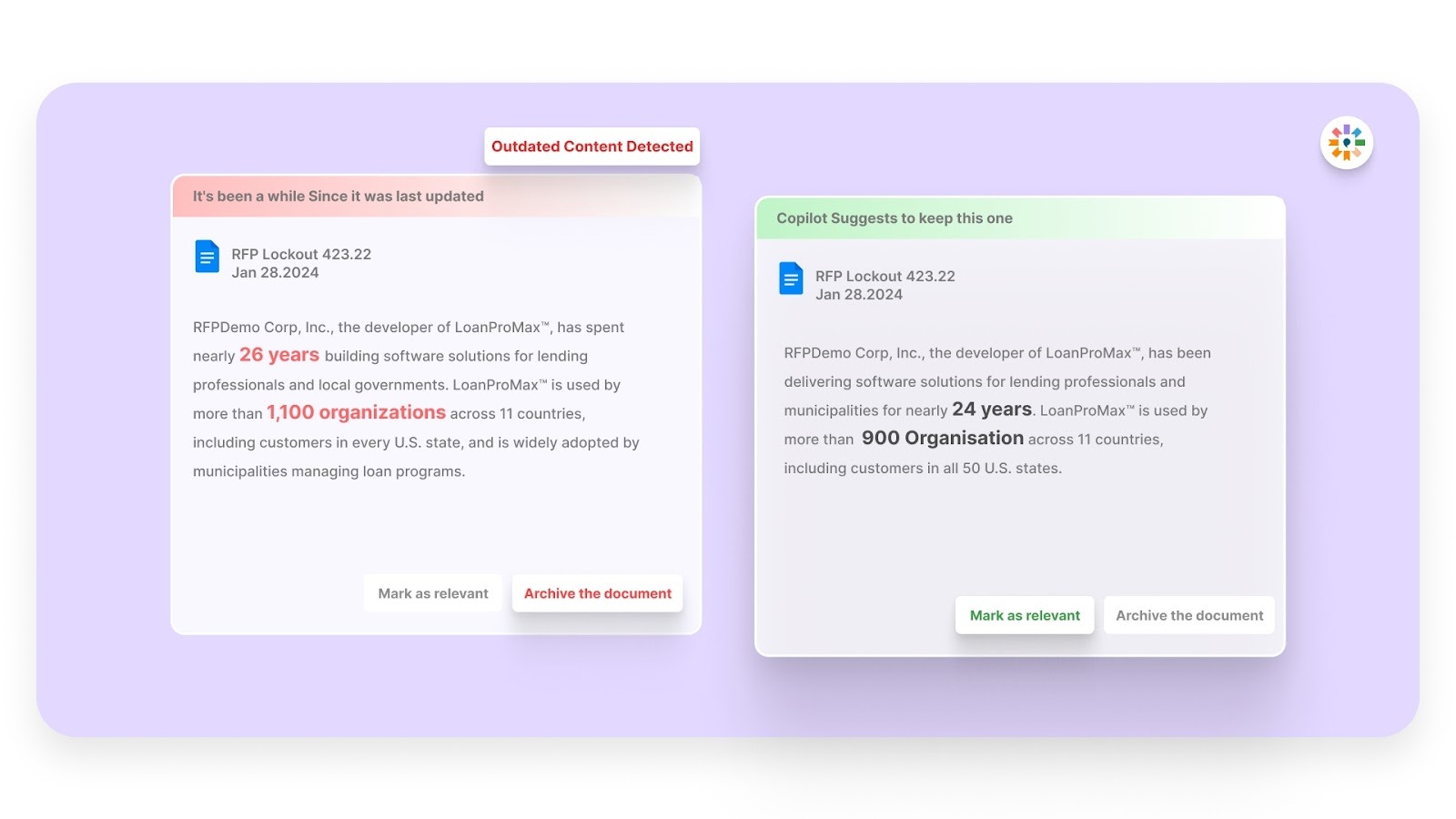
Stay up-to-date with outdated content detection. Inventive AI ensures your responses are always based on the latest, most relevant information by proactively flagging outdated content.
5. Simple, Easy-to-Use Interface
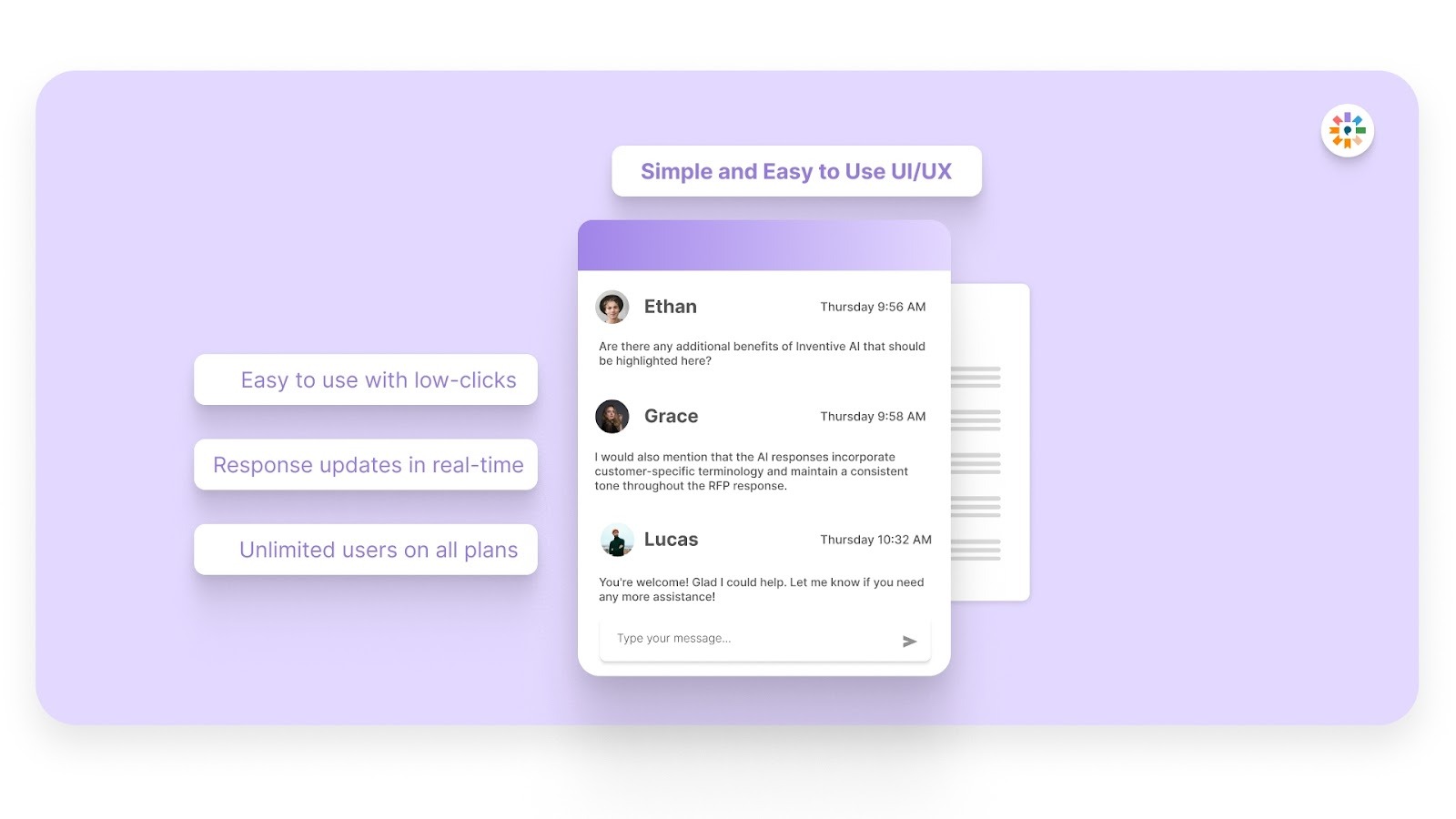
Inventive AI’s interface is designed for simplicity. It’s easy for any team member to use, meaning you don’t have to be a tech expert to leverage the power of AI in your RFI responses.
With Inventive AI, responding to RFIs becomes faster, more accurate, and less prone to errors. By automating your RFI process, you can meet buyers’ expectations while freeing up valuable time for your team.
Frequently Asked Questions (FAQs)
1. When should a vendor respond to an RFI instead of waiting for an RFP?
Vendors should respond to an RFI when a buyer is still gathering information about available solutions and hasn’t yet defined detailed requirements. RFIs are often used to screen vendors before issuing more comprehensive requests like RFPs or RFQs, so responding early helps you get on the buyer’s radar before competitors.
2. What level of detail should you include in an RFI response?
Your RFI response should focus on clear, relevant, and concise information that directly answers the buyer’s questions. Avoid pushing pricing or full proposals; instead, provide high‑level insights into capabilities, experience, and how you approach solving the buyer’s problem.
3. Can an RFI influence the content of future RFPs?
Yes. Buyers often use RFIs to refine their requirements and shape future RFPs. Well‑structured RFI responses can help buyers understand available solutions better and influence which features or capabilities are included in the next stage of the procurement process.
4. Is an RFI legally binding?
No. RFIs are generally informational and carry no contractual obligation. They’re used to gather knowledge and shortlist potential vendors, not to commit to a specific purchase. This means your responses should be accurate and informative without committing you to pricing or delivery terms.
5. What common mistakes should vendors avoid when responding to RFIs?
Some frequent errors include sending overly long responses, failing to tailor answers to the buyer’s specific questions, and including pricing too early. RFIs are about factual information; focus on your expertise, capabilities, and how you meet the buyer’s needs rather than pushing marketing language.
.avif)



%2010%20Free%20Response%20Templates%20By%20Industry%20%26%20Service.jpg)
.jpg)