Write RFQ Cover Letters That Strengthen Your Quotation (2026 Guide)
.jpg)
Have you ever submitted a quotation and wondered why a buyer shortlisted another vendor, even when your pricing looked competitive?
In many RFQ processes, vendors focus heavily on pricing sheets and product specifications but overlook the RFQ cover letter. That short introductory document often becomes the buyer’s first impression of your quotation. When it lacks structure or fails to highlight key information, evaluators may struggle to quickly understand your offer.
A well-structured RFQ cover letter template helps you present your quotation clearly, highlight key details, and guide buyers through your submission.
In this guide, you will learn what an RFQ cover letter is, what it should include, how to customize it effectively, and how vendors can use a structured template to submit stronger RFQ responses.
A Proven RFQ Cover Letter Template for Stronger Quotations
An RFQ cover letter is a short introductory document that vendors include when submitting a quotation in response to a Request for Quotation (RFQ).
Its purpose is to introduce your company, reference the RFQ you are responding to, and summarize the quotation being submitted. The cover letter appears at the beginning of your RFQ response package and provides context for the pricing documents, technical specifications, or compliance materials that follow.
Below is a simple and downloadable RFQ cover letter template vendors can use as a starting point.
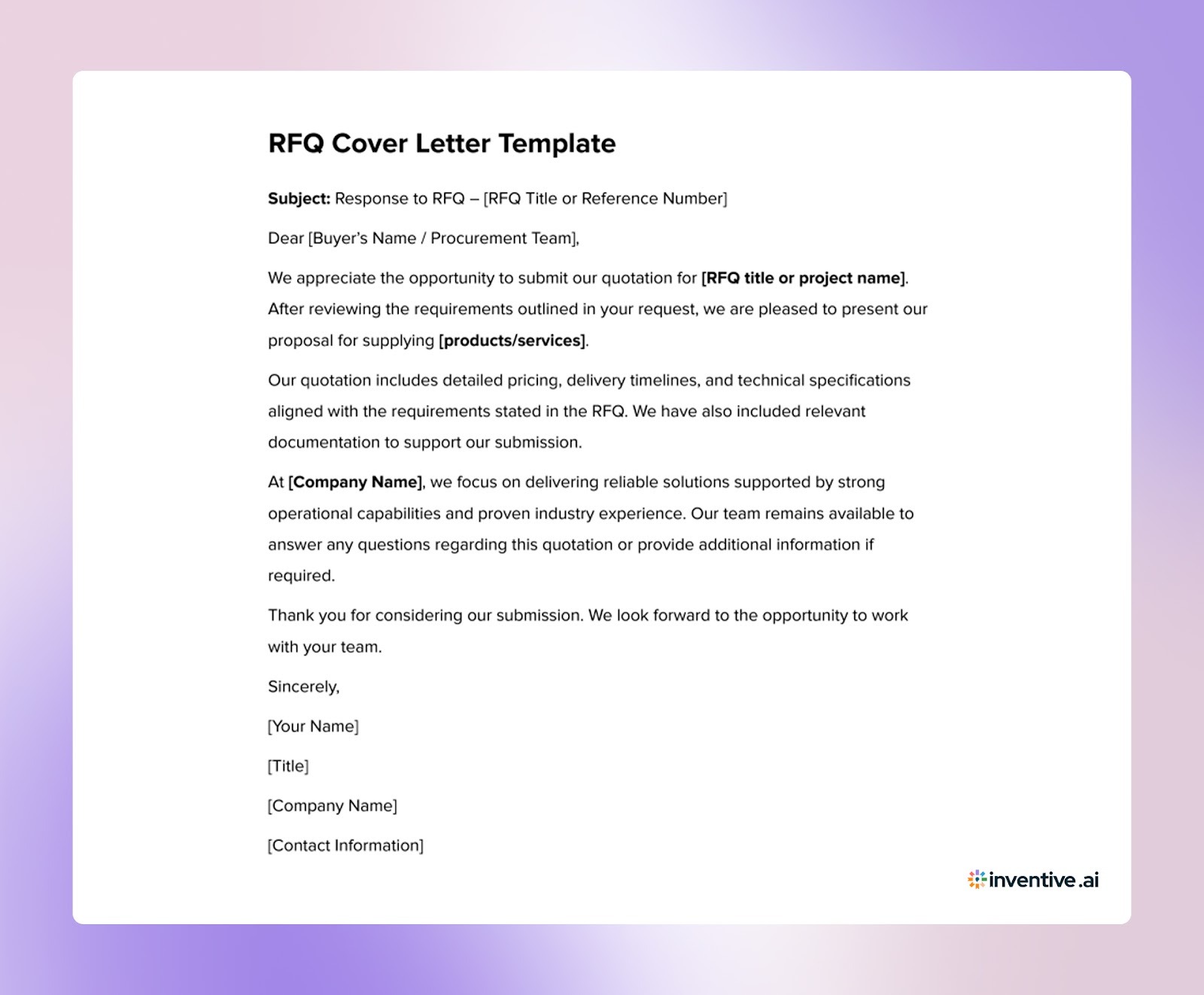

5 Core Sections Every RFQ Cover Letter Should Include
A strong RFQ cover letter contains several key elements that help buyers quickly understand your quotation and the value your company offers. Since procurement teams often review multiple quotations in a short period, a clear and well-structured cover letter helps them quickly identify the most important information in your submission.
1. Reference to the RFQ
Your cover letter should clearly mention the RFQ title, reference number, or project name. This helps procurement teams quickly connect your submission with the correct procurement request and keeps the evaluation process organized.
2. Introduction of Your Company
Start with a brief introduction about your company. Mention what your organization specializes in and highlight any relevant experience delivering similar products or services. This gives buyers immediate context about your capabilities.
3. Summary of the Quotation
The cover letter should provide a short overview of what your quotation includes. Mention the product categories, services, pricing structure, or delivery scope you are offering in response to the RFQ.
4. Key Differentiators
Highlight one or two factors that make your quotation stand out. This could include faster delivery timelines, specialized expertise, strong industry experience, or reliable supply capabilities.
5. Contact Details
Include the contact information of the person responsible for the quotation. This allows the buyer to easily request clarifications, discuss details, or follow up on your submission if needed.
A well-structured RFQ cover letter helps procurement teams quickly understand your quotation while presenting your offer in a professional and organized way.
5 Strategic Benefits of Adding an RFQ Cover Letter
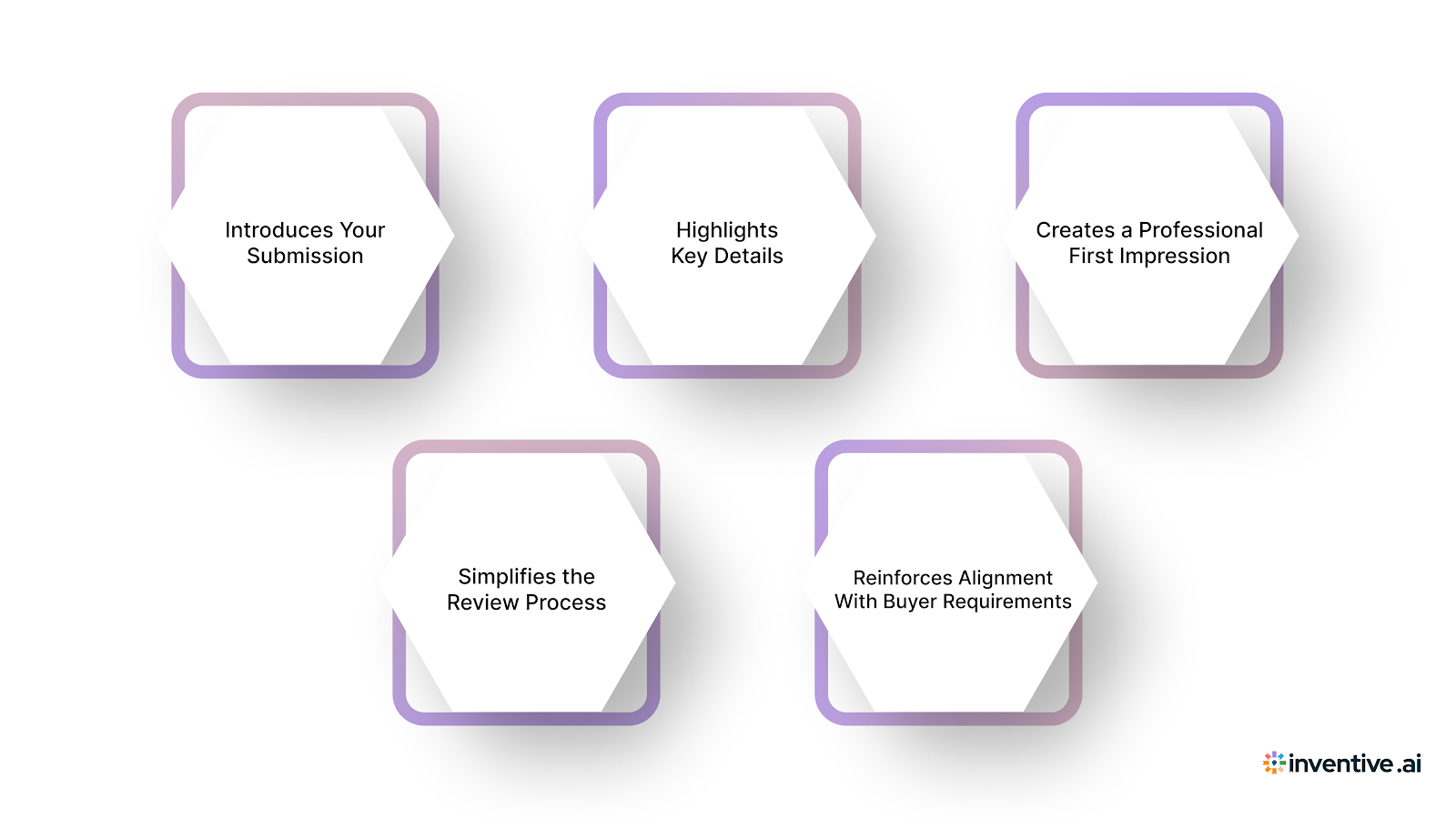
An RFQ cover letter does more than introduce your quotation. It plays an important role in presenting your offer clearly to the buyer.
1. Introduces Your Submission
The cover letter provides context for the documents included in your RFQ response, such as pricing tables, specifications, and delivery timelines.
2. Highlights Key Details
It helps buyers quickly identify important information about your quotation without having to search through multiple documents.
3. Creates a Professional First Impression
A well-written cover letter demonstrates professionalism and attention to detail, which can influence how your quotation is perceived.
4. Simplifies the Review Process
Procurement teams often review several quotations at once. A structured cover letter helps evaluators quickly understand your offer.
5. Reinforces Alignment With Buyer Requirements
It shows that you have reviewed the RFQ carefully and structured your quotation around the buyer’s needs.
A well-crafted RFQ cover letter helps buyers quickly understand the value of your quotation.
Also Read: Automating Sales Proposals: A Practical Guide for RFP-Driven Sales Teams
5 RFQ Cover Letter Tips That Make Your Quotation Stand Out
Using a template is helpful, but customizing your RFQ cover letter to match the buyer’s requirements can significantly improve your submission.
1. Reference the Buyer’s Specific Requirements: Mention key elements from the RFQ, such as delivery timelines, product specifications, or project goals, to show that your quotation directly addresses the request.
2. Highlight Relevant Experience: If you have delivered similar products or services before, briefly reference that experience to strengthen credibility.
3. Align With Procurement Priorities: Some RFQs prioritize cost efficiency while others focus on delivery speed or technical capability. Your cover letter should reflect the buyer’s priorities.
4. Keep the Message Clear and Focused: Procurement teams often review many quotations quickly. Clear and concise messaging helps them understand your offer faster.
5. Confirm Supporting Documents: Mention that detailed pricing sheets, technical specifications, or compliance documents are included with your quotation.
Customizing the RFQ cover letter helps buyers quickly see how your offer fits their requirements.
Also Read: The Ultimate Guide to Crafting Winning Manufacturing RFP Responses
Turn RFQ Responses Into Winning Submissions With Inventive AI
Writing an RFQ cover letter may seem simple, but it often requires pulling information from pricing documents, product specifications, and internal knowledge sources. When multiple teams contribute to the quotation, ensuring the cover letter reflects accurate and consistent information can take time.
Inventive AI’s AI RFP Agent helps vendors create clearer, more structured RFQ responses by organizing knowledge, improving response quality, and ensuring consistency across proposal documents.
1. 2× Higher Quality Responses

Inventive AI helps your team generate clear and well-structured responses using information from verified knowledge sources. Instead of manually collecting details from different documents, you can quickly create organized responses that align with the buyer’s RFQ requirements.
2. Context Engine
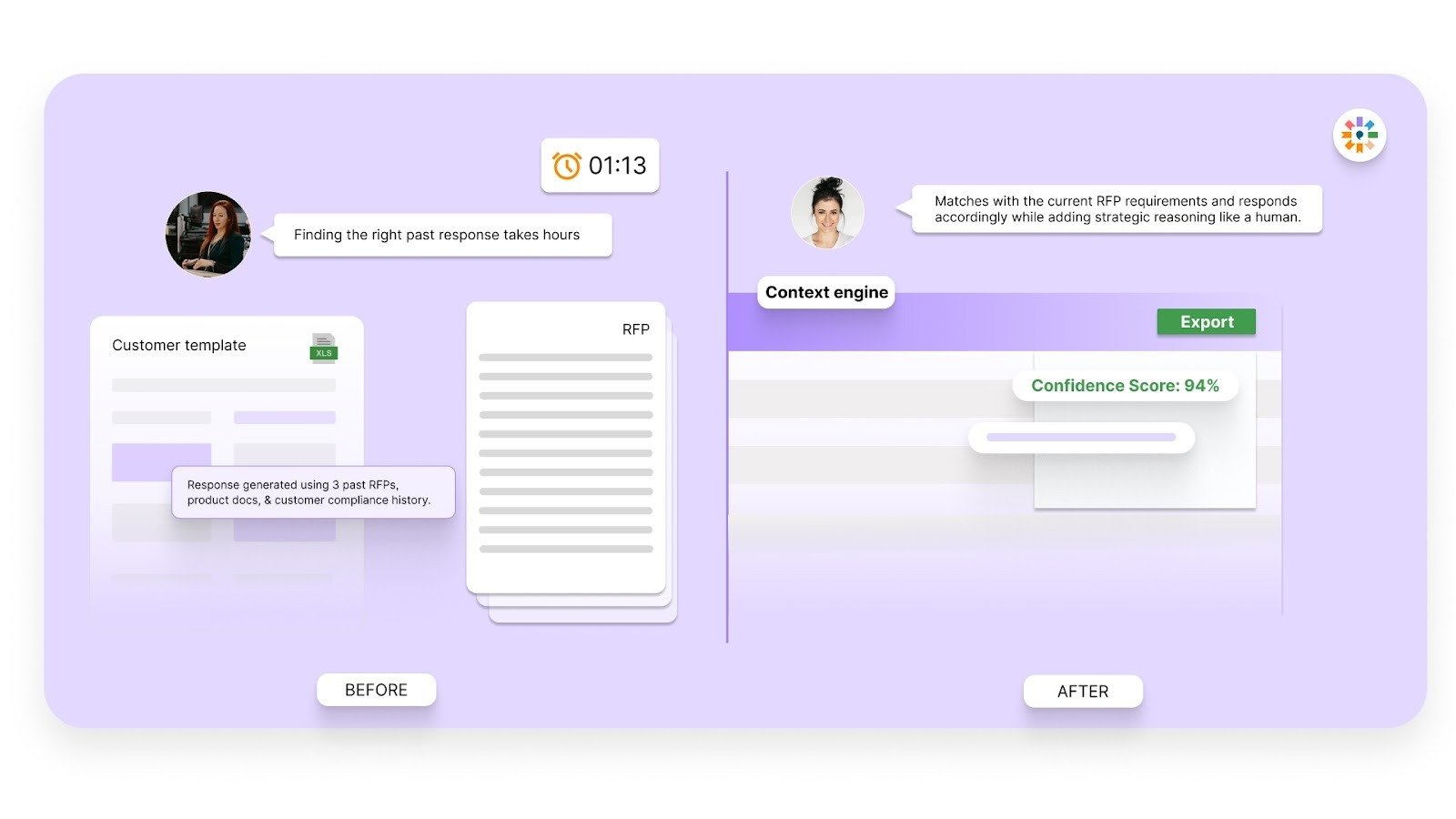
The Context Engine pulls relevant information from your internal sources, such as previous proposals, product documents, and company knowledge. This ensures your RFQ cover letter and quotation responses are based on accurate and relevant information.
3. Conflict Detection
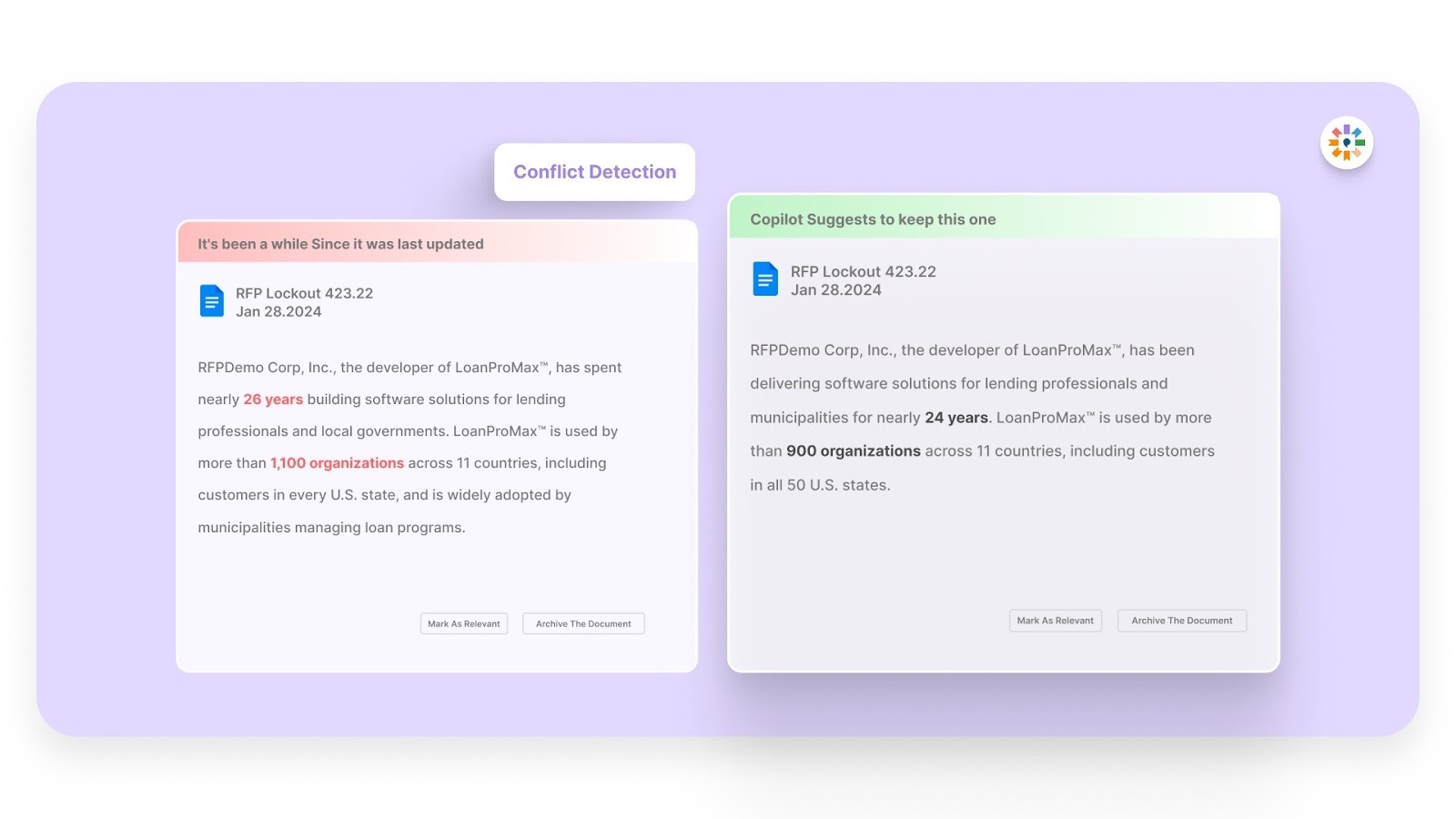
When multiple teams contribute to a quotation, conflicting answers can appear across documents. Inventive AI detects these inconsistencies and highlights them so your team can fix them before submitting the response.
4. Outdated Content Detection
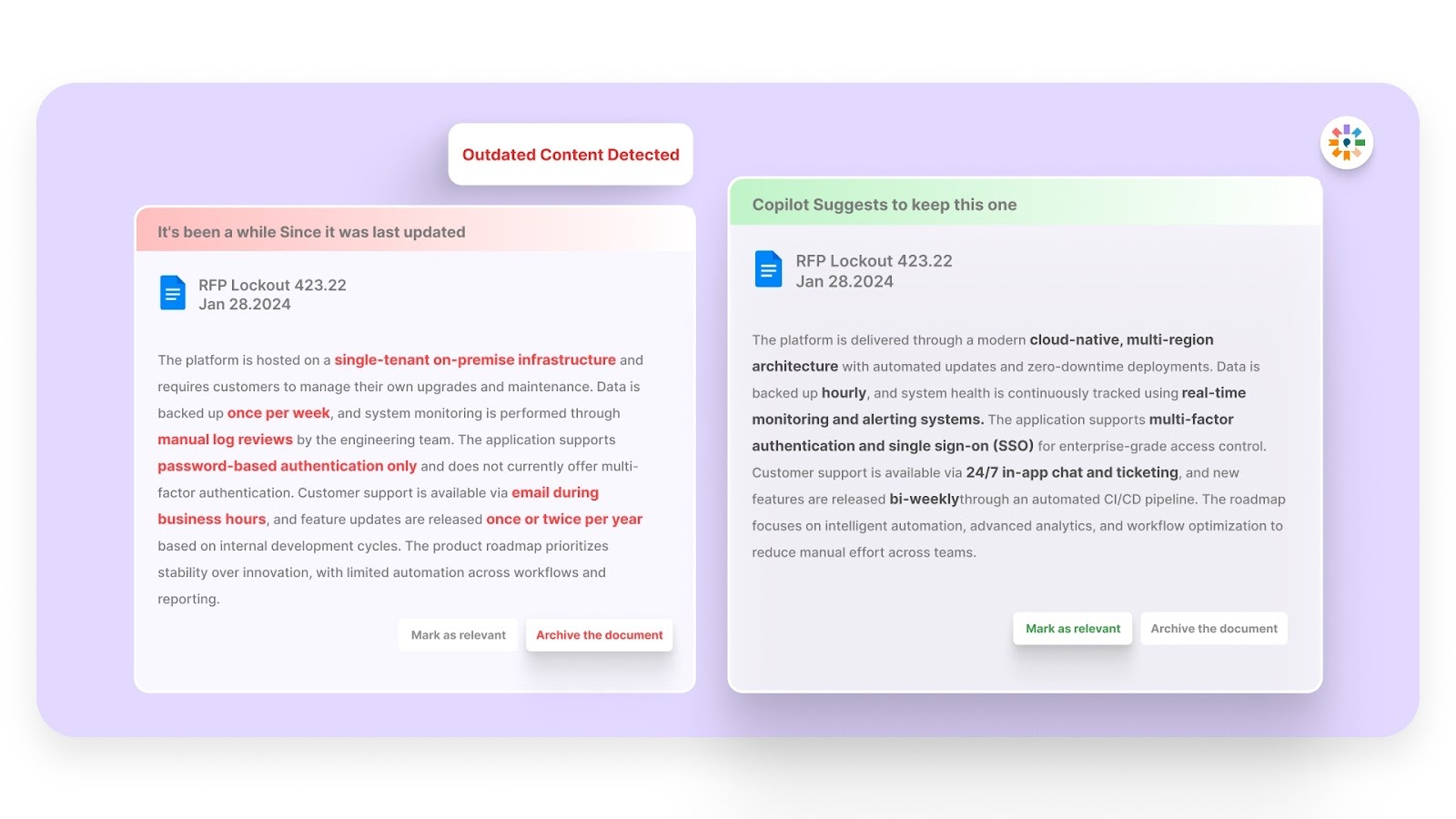
Inventive AI also identifies outdated content stored in your knowledge base. This helps ensure your RFQ responses include the most recent product details, capabilities, and documentation.
5. Simple, Easy-to-Use Interface
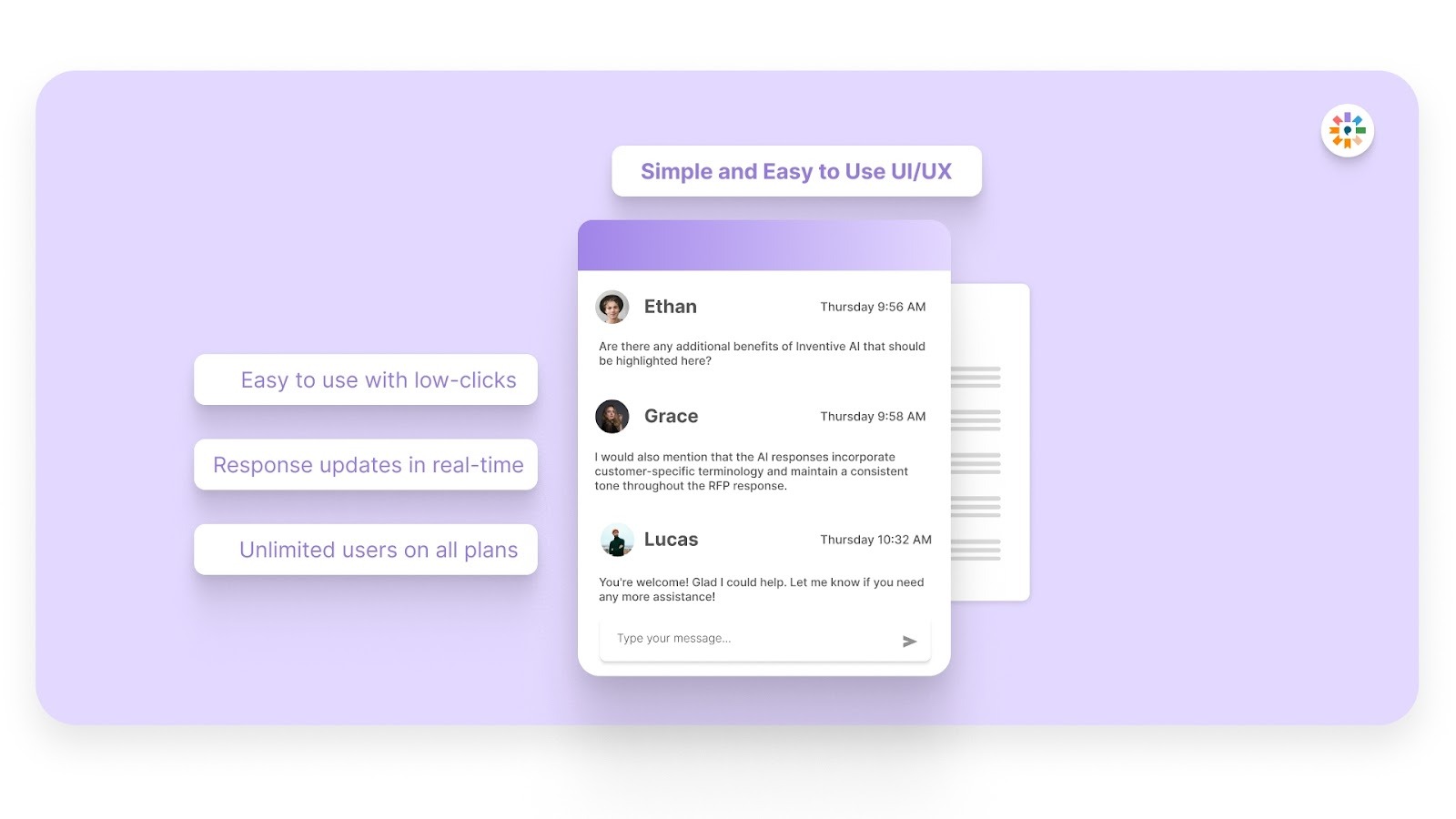
Sales, presales, and proposal teams can collaborate in one simple workspace. This makes it easier to review drafts, update responses, and finalize RFQ submissions without switching between multiple tools.
By improving response quality and keeping information consistent, Inventive AI helps vendors submit stronger RFQ responses and increase win rates by over 50%.
Frequently Asked Questions (FAQs)
1. Is an RFQ cover letter required when submitting a quotation?
Not all RFQ responses require a cover letter, but many vendors include one to introduce their quotation. It helps procurement teams quickly understand the submission and identify the vendor.
2. How long should an RFQ cover letter be?
An RFQ cover letter is typically short, usually one page or less. Its purpose is to summarize the quotation and provide context rather than repeat detailed information.
3. Should pricing details be included in the RFQ cover letter?
Detailed pricing is usually included in the quotation document or pricing sheet. The cover letter should only summarize the offer and refer to the attached pricing details.
4. Who usually signs an RFQ cover letter?
RFQ cover letters are often signed by a sales manager, account manager, or proposal manager responsible for submitting the quotation.
5. Can vendors reuse the same RFQ cover letter template?
Vendors often use a standard template but customize it for each RFQ. Adjusting the letter to match the buyer’s requirements improves clarity and relevance.
.avif)




.png)