RFQ Template for Engineering Services: Simplify Your Proposal Process

Have you ever felt frustrated by the complexity of responding to an RFQ for Engineering Services? The technical details, pricing breakdowns, and tight deadlines can make the process feel like a never-ending task. Many vendors spend hours just trying to format their responses, leaving little time for strategic input or refinement.
But it doesn’t have to be this way. A well-structured RFQ template can simplify the process, saving you time, improving consistency, and helping you meet the buyer’s requirements.
In this blog, we’ll break down an RFQ Template and a response template for Engineering Services and how it simplifies your proposal process. Plus, we’ll look at how AI-powered tools can enhance your RFQ responses and give you an edge in the bidding process.
A Practical RFQ Template for Engineering Services in 2026 (for Buyers)
This template is designed to collect all the essential details from vendors in a clear and organized way. It covers everything from the scope of work and qualifications to pricing models and timelines, making it easier to respond without missing any critical elements.
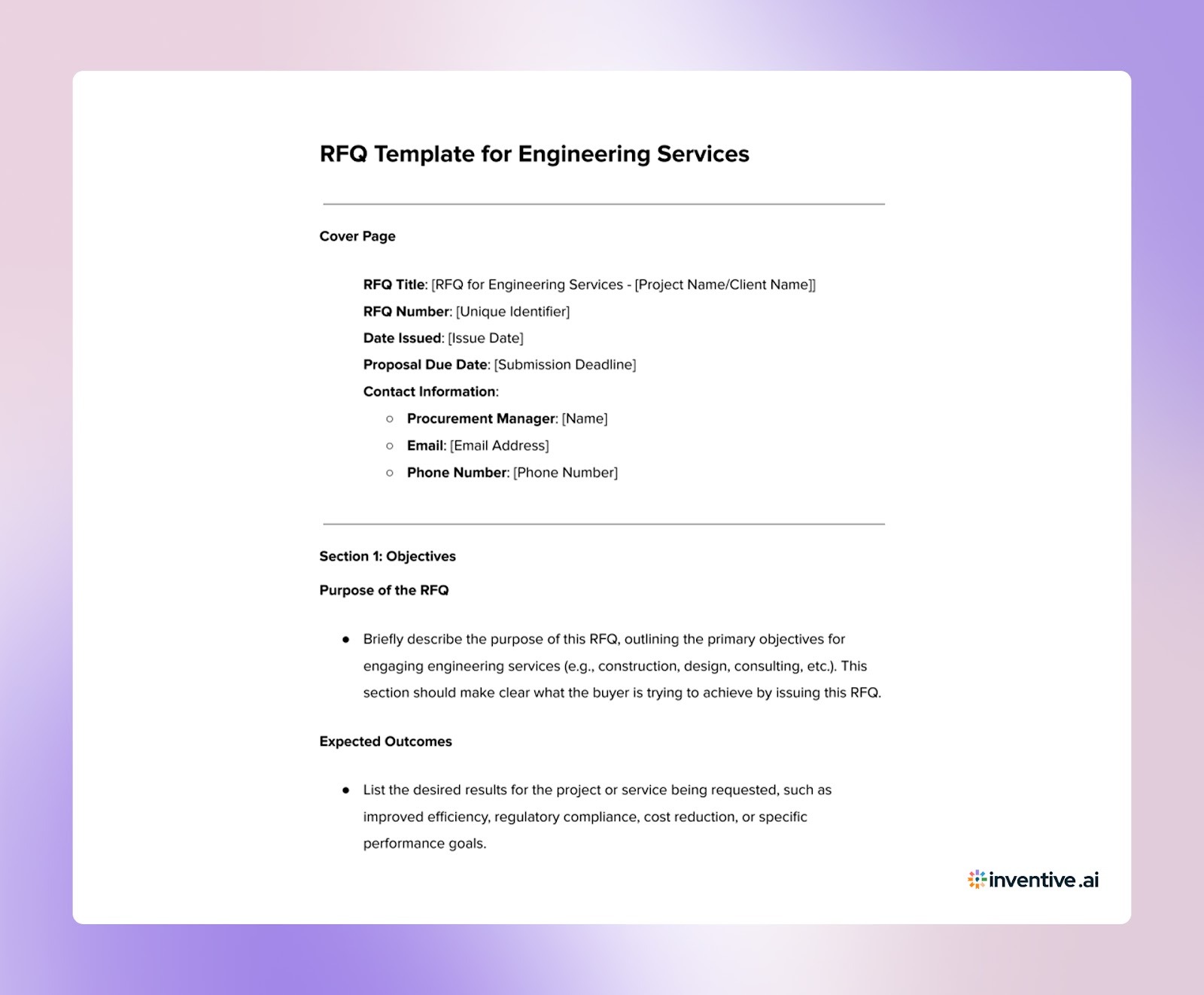
Complete Breakdown of an RFQ Template for Engineering Services
The RFQ Template for Engineering Services typically includes the following key components:
1. Project Overview: A brief yet clear description of the engineering services being requested. This section sets the stage by outlining the buyer’s objectives and expected outcomes from the project.
2. Scope of Work: Detailed information about the deliverables, performance standards, and specific tasks that the vendor is expected to carry out. This section ensures that both parties have a clear understanding of the project’s scope and boundaries.
3. Qualifications and Experience: Information about the vendor’s experience, expertise, and previous relevant projects. This may include certifications, industry-specific knowledge, and qualifications of the team members assigned to the project.
4. Pricing Structure: A transparent breakdown of expected costs, payment schedules, and any potential additional expenses. This section typically includes fixed pricing, hourly rates, or estimates based on project milestones, helping the buyer understand the vendor’s pricing model.
5. Timeline: Key milestones and deadlines for project deliverables, including any critical phases of work, review dates, and final submission deadlines. This section helps ensure alignment on time expectations between the vendor and buyer.
6. Compliance and Regulatory Requirements: Any industry-specific, local, or legal requirements that the vendor must meet. This could include adherence to safety standards, environmental regulations, or compliance with industry practices.
Every RFQ may vary depending on the buyer’s unique needs. Keep in mind that each RFQ may contain additional sections or different emphasis based on the specific project, the buyer's requirements, and industry standards.
Also Read: The Ultimate Guide to Crafting Winning Manufacturing RFP Responses
Now that we’ve covered the buyer’s RFQ template, let’s explore how you, as a vendor, can respond effectively using a response template.
Engineering Services RFQ Response Template: Craft Winning Proposals in 2026 (for Vendors)
Here’s a response template for you to download and customize to submit better proposals that align with the buyer’s expectations.
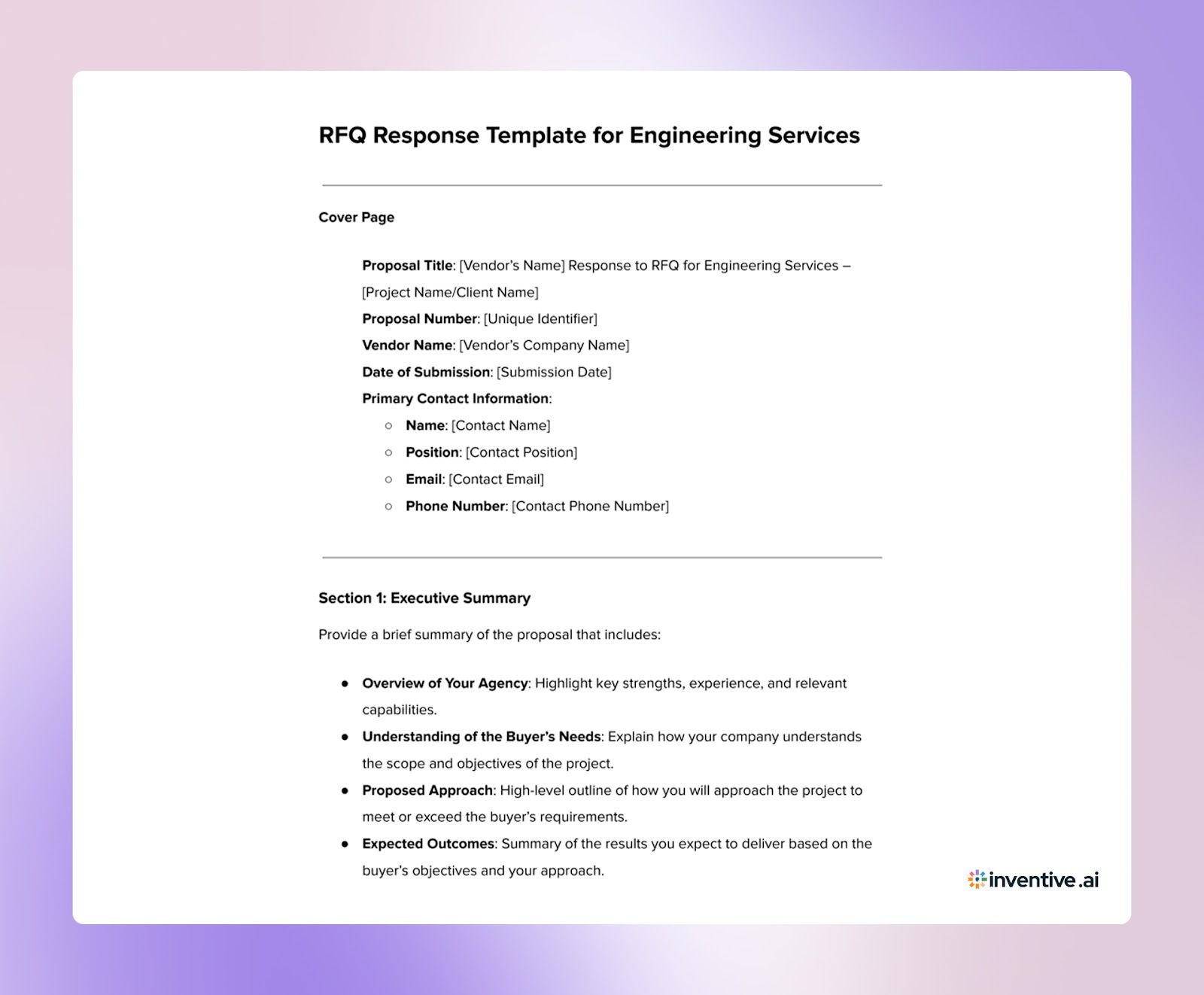
6 Ways to Customize Your Engineering Services RFQ Response for Maximum Impact
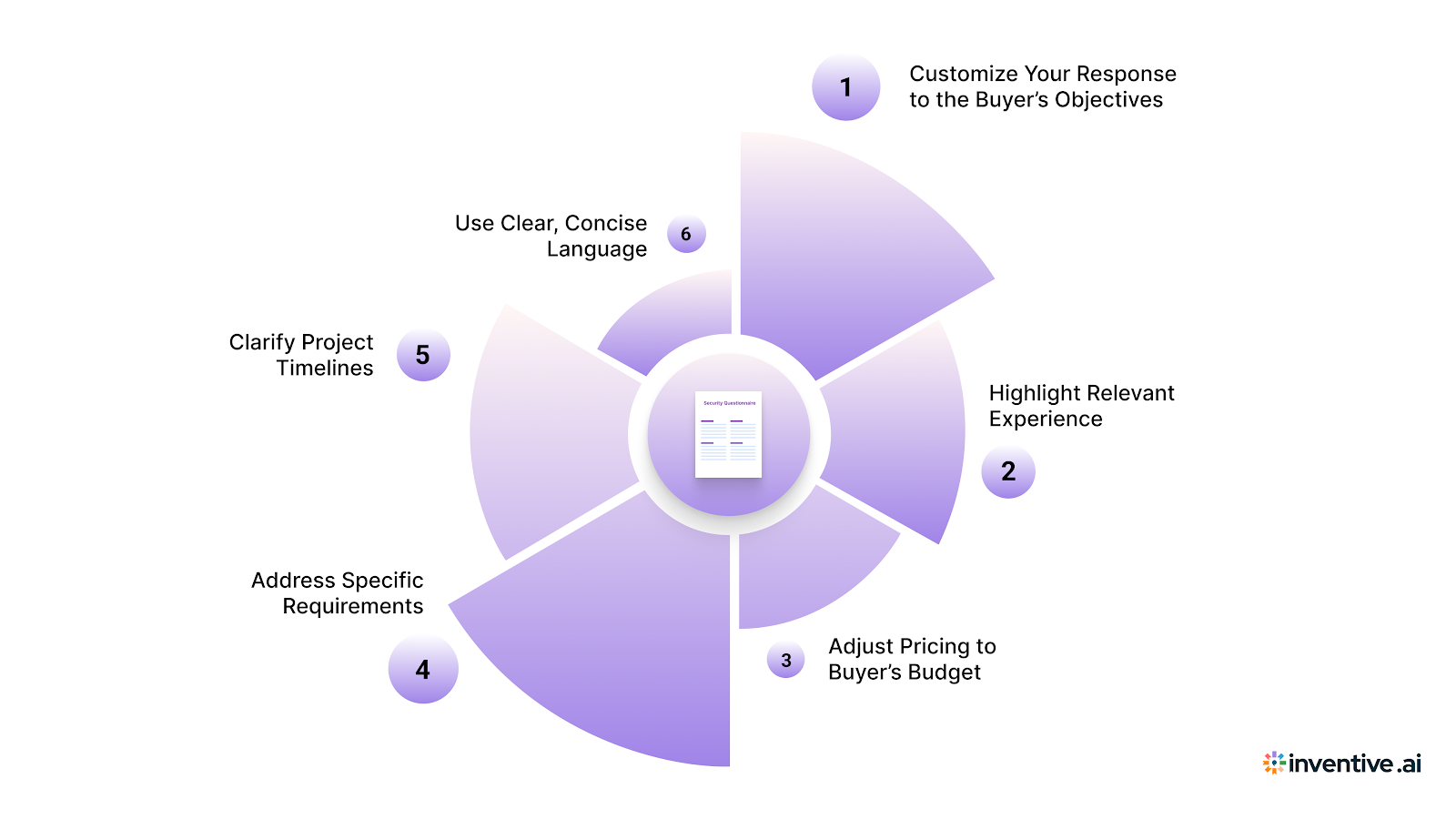
While templates make responding faster, customizing your response ensures it truly resonates with the buyer’s needs and goals. Here’s how to do it:
1. Customize Your Response to the Buyer’s Objectives
Avoid a one-size-fits-all approach. Customize your response to align with the buyer’s specific needs, project objectives, and long-term goals. Show them that you understand their unique challenges.
2. Highlight Relevant Experience
Use case studies or examples that directly relate to the buyer’s sector or project type. Demonstrating that you have successfully handled similar projects will build trust and show that you’re capable of delivering the required results.
3. Adjust Pricing to Buyer’s Budget
While pricing should be transparent, it’s important to adjust it to reflect the buyer’s budget or project scope. Offering flexible options, such as tiered pricing or packages, can also be a way to cater to different buyer needs.
4. Address Specific Requirements
Thoroughly review the RFQ and respond to any unique requests or compliance standards. If the buyer requires specific certifications, regulatory adherence, or customized solutions, make sure you highlight your ability to meet those needs.
5. Clarify Project Timelines
Provide a detailed timeline that aligns with the buyer’s expected deadlines and key milestones. Make sure your timeline clearly outlines deliverables, so the buyer feels confident about your ability to meet their deadlines.
6. Use Clear, Concise Language
Avoid jargon or overly technical terms that could confuse the reader. Your proposal should be easy to read and understand, clearly outlining your approach and how you intend to meet the buyer’s needs.
By customizing your responses thoughtfully, you’ll create a proposal that stands out from competitors and better addresses the buyer’s needs.
Why Buyers Use an RFQ Template for Engineering Services?
Using an RFQ Template for Engineering Services can offer multiple advantages for buyers looking to simplify the procurement process:
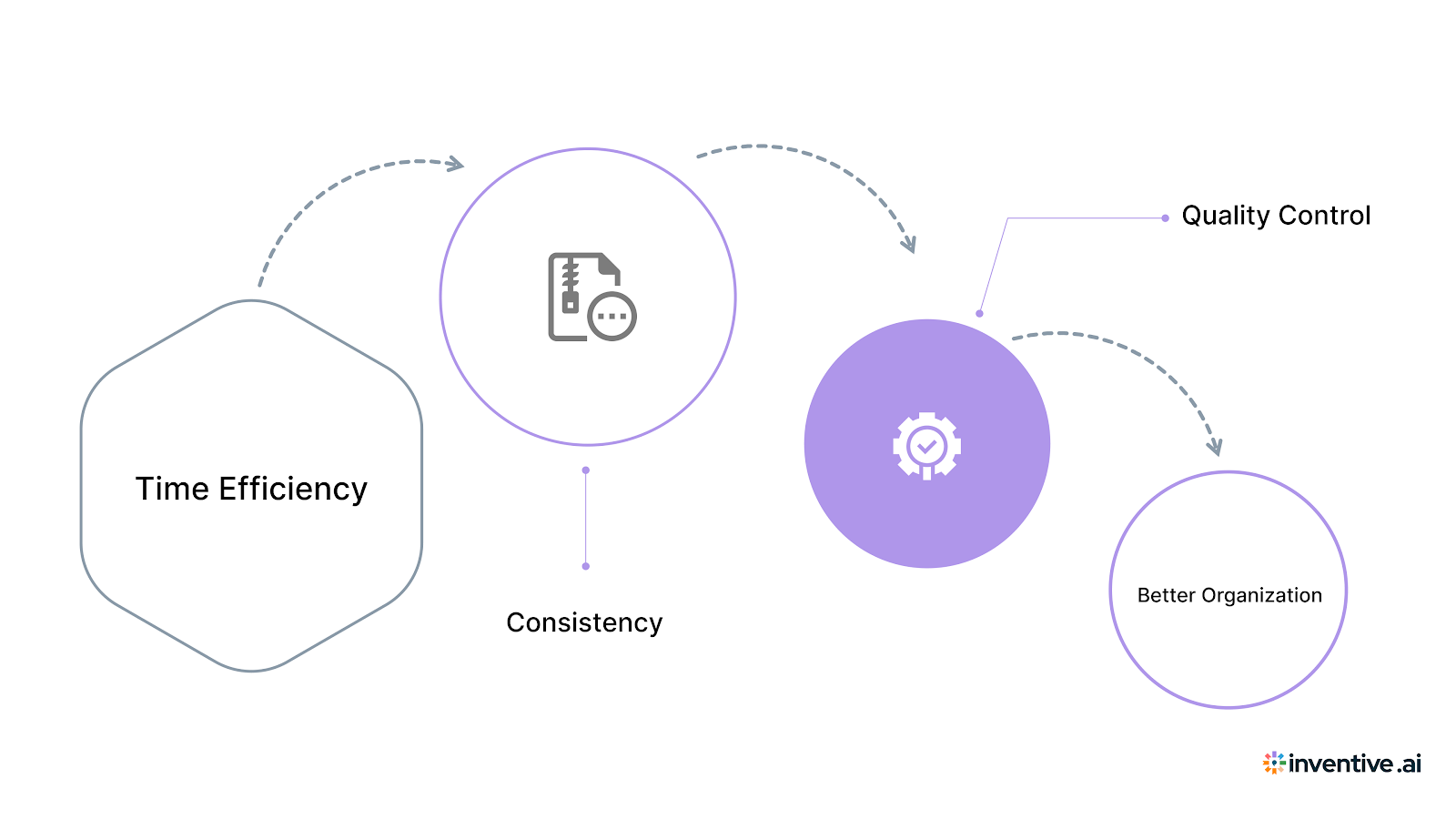
1. Time Efficiency: A pre-structured template speeds up the process, allowing buyers to focus on important details rather than creating a new document each time.
2. Consistency: The template provides a standardized format, making it easier for vendors to respond accurately and comprehensively. This consistency helps maintain a high standard of quality and professionalism across all proposals.
3. Quality Control: By using a template, buyers can cover all necessary sections, so that all proposals contain the right information, leading to more effective evaluations.
4. Better Organization: With all RFQ responses in one place, buyers can easily review, compare, and evaluate vendor proposals. This simplifies the process of identifying the best vendor for the project.
Using a well-organized template saves time and helps make the RFQ process clear, thorough, and structured to meet the buyer’s expectations.
Also Read: Automating Sales Proposals: A Practical Guide for RFP-Driven Sales Teams
5 Reasons to Use an Engineering RFQ Response Template
Here are the top benefits of using an Engineering Services RFQ Response Template:
- Consistency and Accuracy: Helps you maintain consistency and avoid missing critical details across responses.
- Faster Drafting: Saves you time by providing a proven structure, allowing you to complete responses more quickly.
- Improved Collaboration: Allows your team to focus on refining the content rather than starting from scratch with every proposal.
- Quality Proposals: Guarantees that your proposals align with the buyer’s requirements and maintain professional standards.
- Scalability: Makes it easier to handle more RFQs efficiently with a reusable response framework.
Using a template increases your chances of delivering a high-quality proposal while saving valuable time.
Also Read: Top 10 Best RFI Software and Tools for 2026: Features, Pricing & more
Improve Your RFQ Response Quality with Inventive AI
Inventive AI enhances your RFQ response process by automating key tasks, allowing you to focus on customizing your proposals. Here’s how it works:
1. 2x Higher Quality Responses
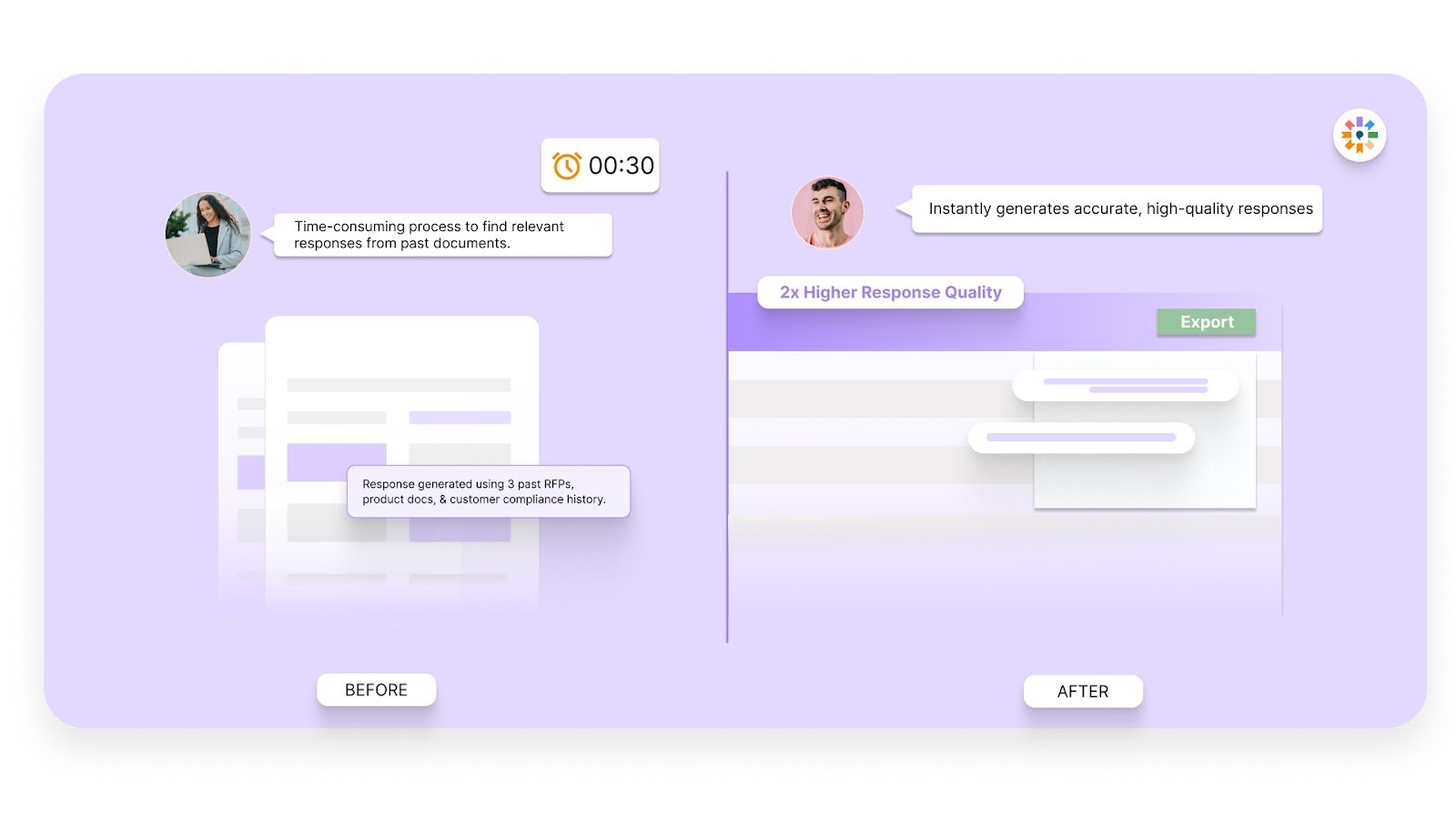
With Inventive AI, you generate drafts faster and with greater accuracy. This allows you to create proposals that are not only more compelling but also tailored to meet buyer expectations in less time.
2. Context Engine
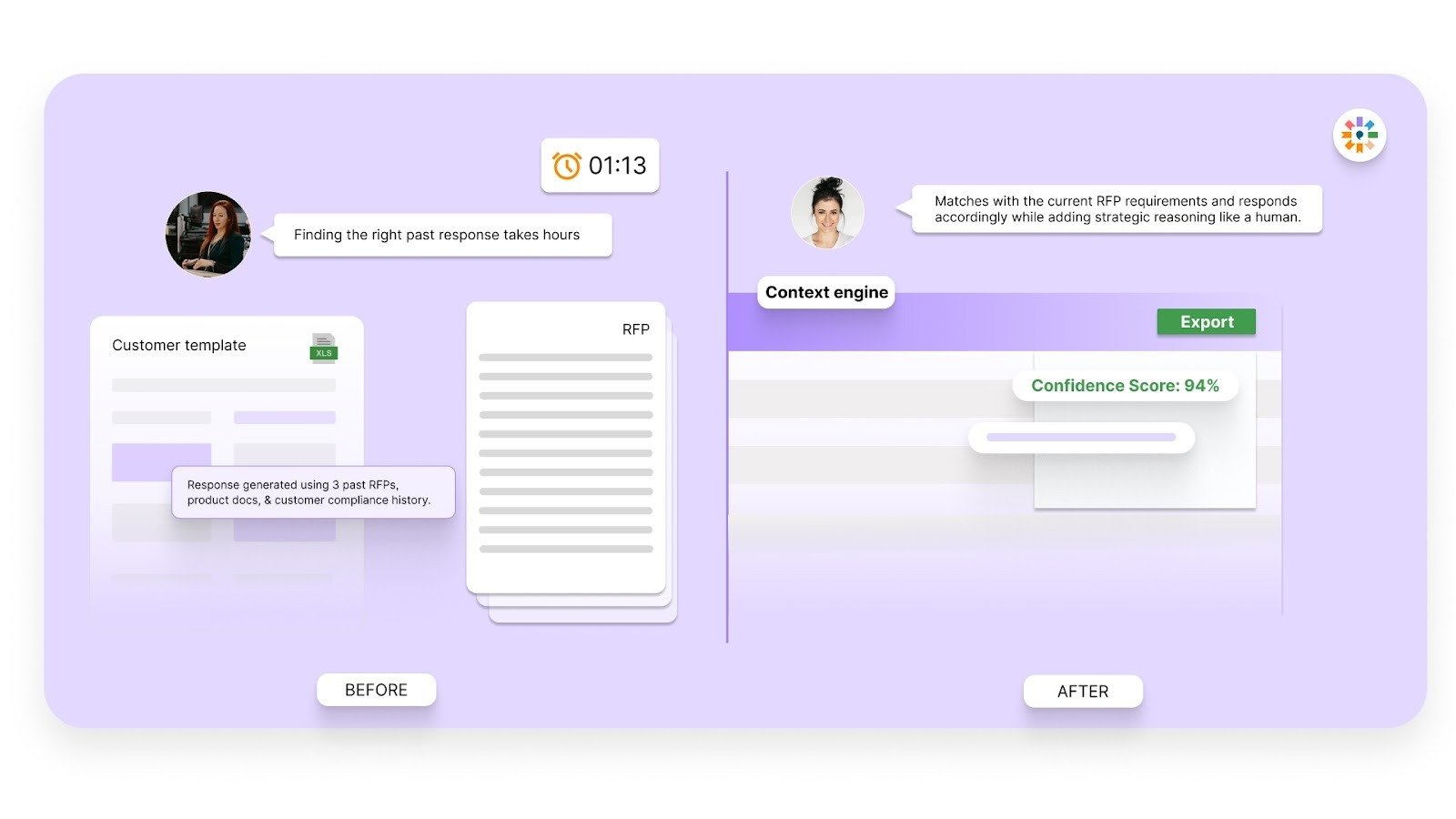
The Context Engine uses your historical responses and past documents, ensuring that your proposals are always relevant and aligned with the buyer's needs. This reduces the time spent searching for content and helps you respond faster with information that matches the buyer’s requirements.
3. Conflict Detection
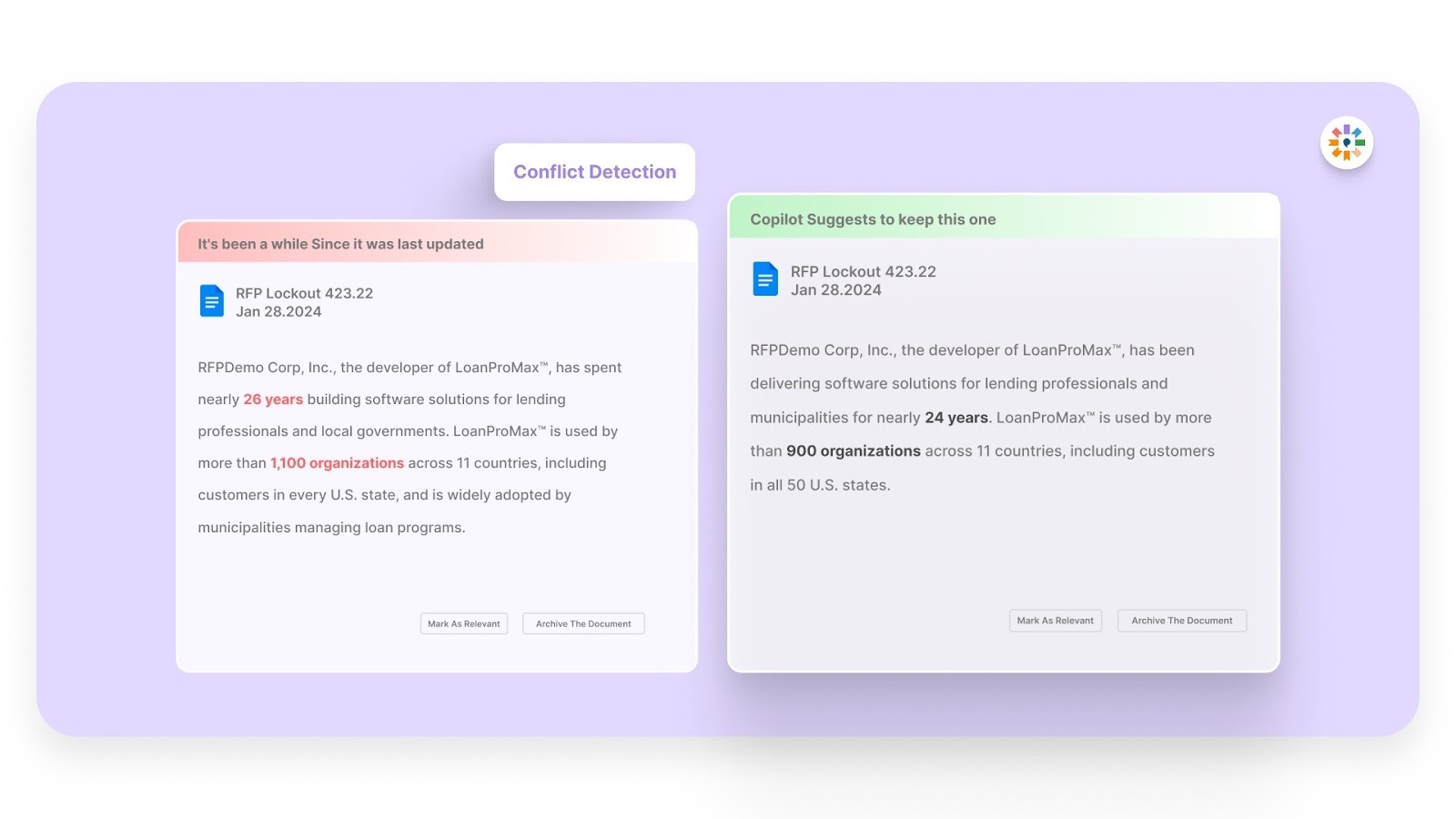
Inventive AI helps identify and resolve any inconsistencies or conflicting details across your proposal documents. This feature ensures that your proposals remain cohesive, accurate, and error-free, which is critical when submitting to potential buyers.
4. Outdated Content Detection
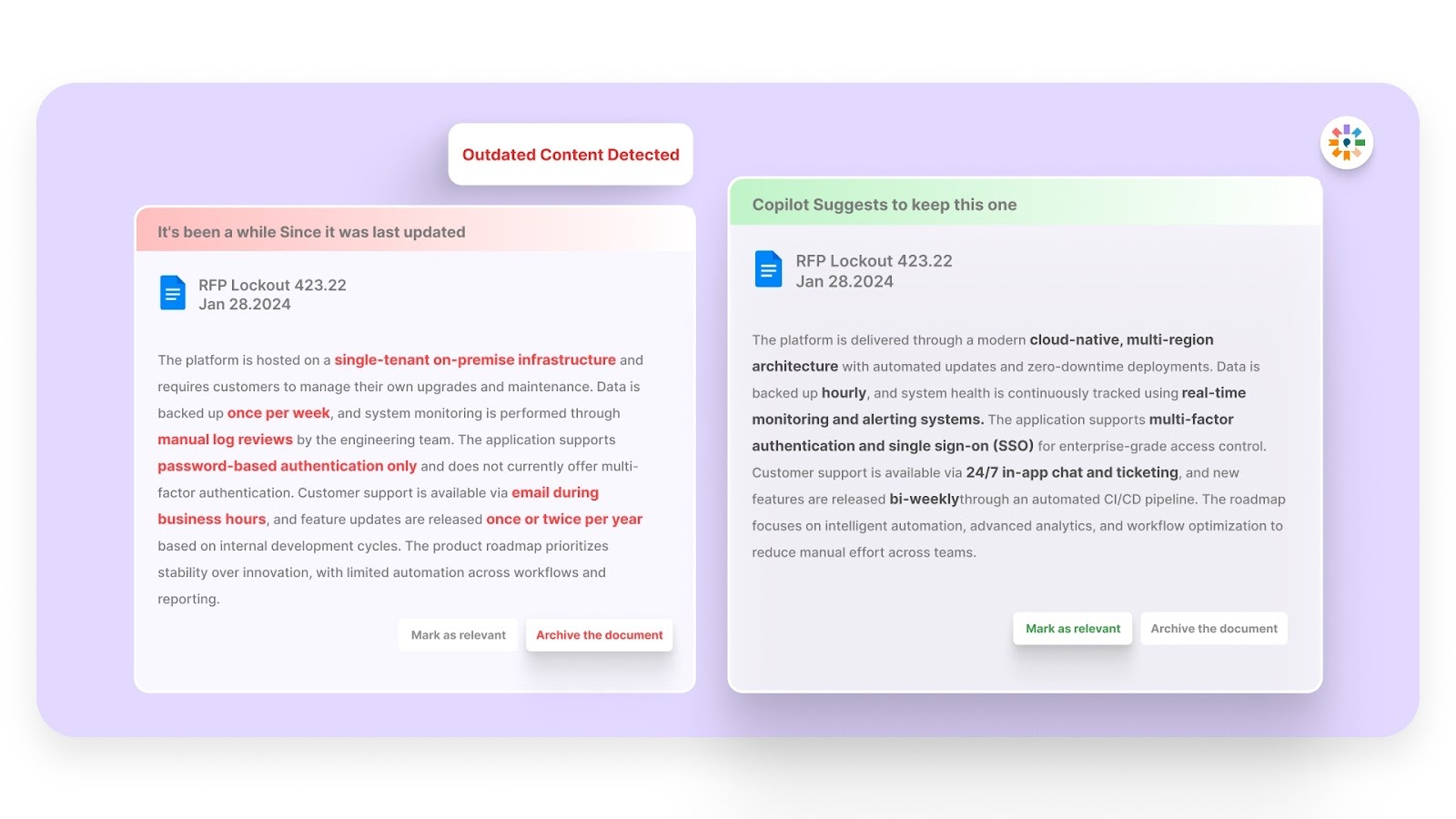
Automatic flagging of outdated content helps keep your proposals fresh. Inventive AI ensures that only up-to-date information is included, preventing errors that could arise from using old data or references.
5. Simple, Easy-to-Use Interface
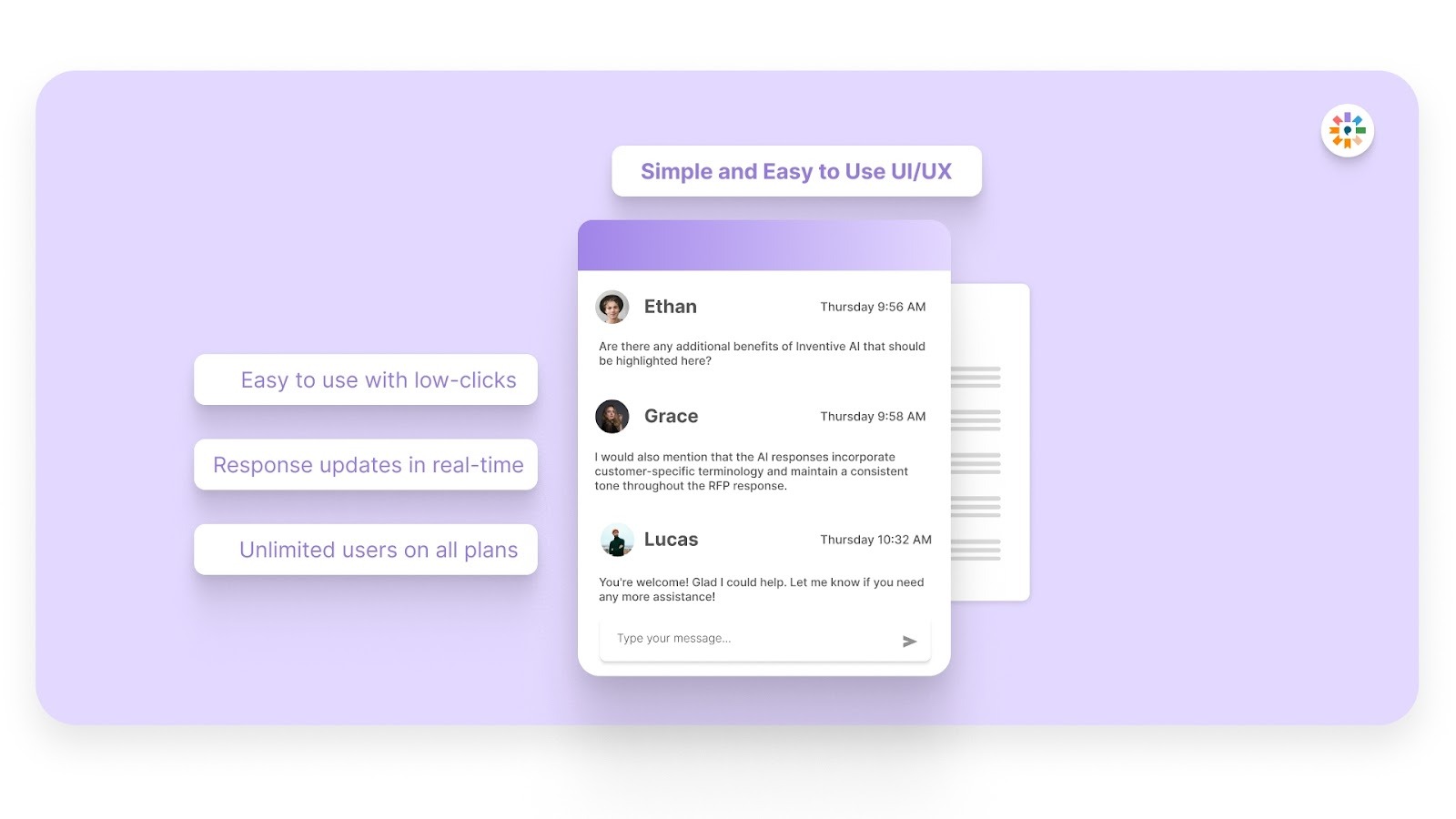
The platform's user-friendly interface makes collaboration across teams easy. Whether you’re tracking progress, editing content, or sharing proposals, Inventive AI simplifies the process and makes it easy to work together efficiently.
6. Narrative-Style Proposals
While most tools only handle short Q&A, Inventive AI generates complete, long-form documents like executive summaries and one-pagers. This allows you to move beyond simple spreadsheets and build a persuasive, well-written story that clearly explains your value to the buyer.
With Inventive AI, you can speed up your proposal creation, improve quality, and ultimately increase your chances of winning contracts.
Frequently Asked Questions (FAQs)
1. What’s the difference between an RFQ and an RFP for engineering services?
An RFQ is a request for price quotes for well‑defined services, while an RFP asks for detailed proposals and solutions for broader or less clear needs. RFQs are used when the buyer knows exactly what they need, while RFPs are for more complex or custom projects.
2. How should I break down pricing in my engineering RFQ response?
Be clear and detailed in your pricing. Break it down by service, labor, materials, and any other costs. This makes it easier for buyers to compare quotes and understand your pricing structure, which can help you stand out.
3. When can I ask questions during the RFQ process?
Most buyers allow questions before the RFQ submission deadline. Asking for clarification, especially about project details or requirements, gives you time to adjust your proposal and increases your chances of submitting an accurate quote.
4. Does attending a bidder conference help my RFQ submission?
Yes, attending a bidder conference allows you to ask questions and understand the buyer’s needs more clearly. It helps you tailor your response better, increasing the chance of submitting a winning proposal.