Responsive vs AutoRFP: Which RFP Software Should You Choose in 2026?
Compare Responsive vs AutoRFP on pricing, AI, implementation, governance, integrations, and more to choose the right RFP software.
Responsive and AutoRFP are both built to help teams respond to RFPs faster, but they take very different approaches. Responsive is built around structured content management and enterprise workflows. AutoRFP focuses on AI-generated responses with less reliance on a traditional content library.
The difference goes beyond features. It affects how much effort your team spends maintaining content, reviewing AI responses, collaborating with SMEs, and scaling the response process as volume grows.
This comparison evaluates Responsive and AutoRFP across AI capabilities, response quality, content governance, ease of use, implementation, pricing, integrations, and customer reviews using vendor documentation, G2, Gartner Peer Insights, and independent research.
Key Takeaways
- Choose Responsive if your team has a dedicated proposal function and needs structured content management, formal review workflows, and enterprise collaboration.
- Choose AutoRFP if you want AI-assisted drafting, faster implementation, and less reliance on maintaining a traditional Q&A library.
- Don't compare features alone. Consider the ongoing effort required to maintain content, involve SMEs, and keep responses accurate over time.
Responsive vs AutoRFP: Side-by-Side Comparison
See how Responsive and AutoRFP differ across AI, workflows, pricing, integrations, and day-to-day usability.
| Criteria | Responsive | AutoRFP |
|---|---|---|
| Best for | Mid-market and enterprise teams with dedicated proposal operations | Lean sales and proposal teams looking to automate responses with AI |
| Gartner rating | 4.2/5 | 4.8/5 |
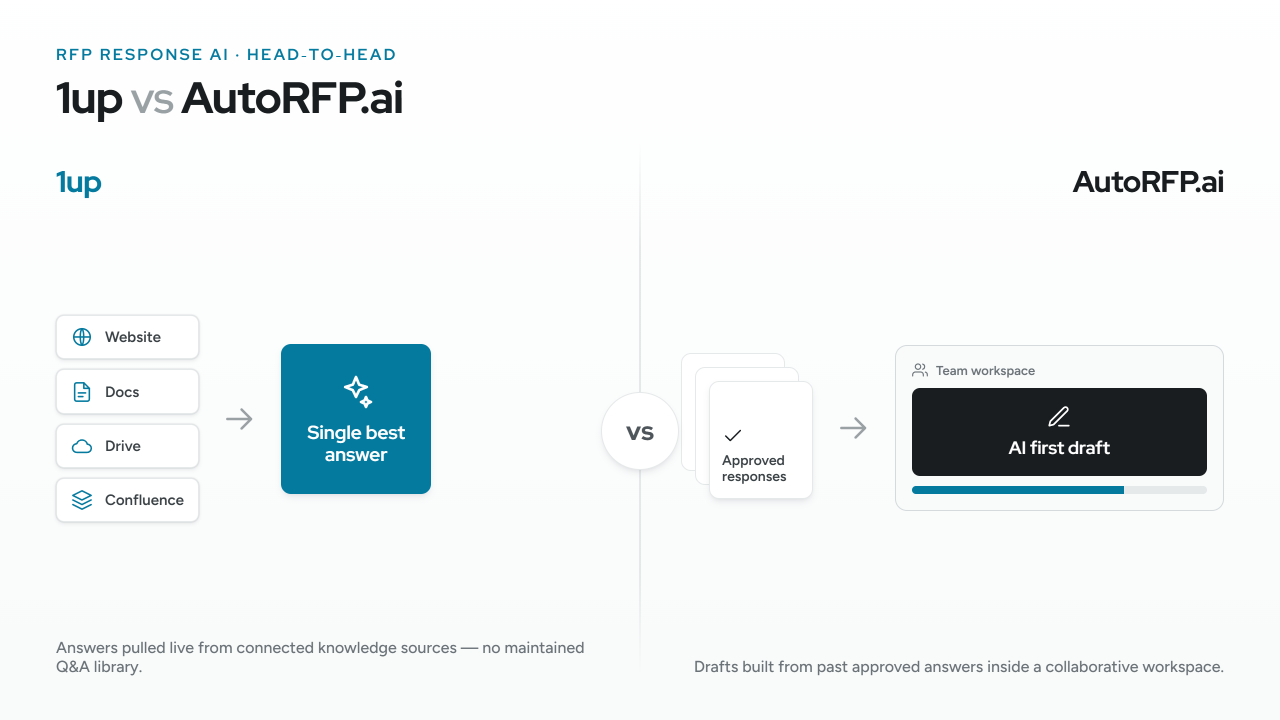
| AI capabilities | Legacy content-library platform with AI-bolted on for answer retrieval, drafting, and editing | AI-first platform that generates draft responses using semantic search across company knowledge |
| Response quality | Produces reliable responses when backed by a well-maintained content library | Generates AI-assisted first drafts with confidence scoring; responses still require human review |
| Knowledge management | Centralized content library with version control, ownership, and scheduled content reviews | Library-light approach that learns from approved responses instead of requiring a traditional Q&A repository |
| AI content governance | Approvals, permissions, and audit trails, but no AI-driven monitoring for outdated, duplicate, or conflicting content | Basic review workflows, but no AI-driven governance for content quality, conflicts, or knowledge health |
| Ease of use | Feature-rich but harder to navigate. G2 reviewers mention a learning curve, especially for new and occasional users. | Easier to adopt, though reviewers report a learning curve for advanced features and occasional usability issues. |
| Integrations | Broad workflow integrations across Salesforce, Microsoft 365, SharePoint, Teams, Slack, Jira, and other enterprise tools | Integrates with Salesforce, Google Drive, Slack, Microsoft Teams, Notion. |
| Pricing | Starts at $5,000/year for 5 users (Lite edition). Higher plans are quote-based and scale by edition and deployment requirements. | Starts at $899/month with published usage-based tiers and a custom Enterprise plan. |
| Implementation | Typically 1–2 weeks for smaller teams and 4–8 weeks for mid-market deployments, | AutoRFP advertises 48-hour setup, while G2 reviewers generally describe implementation taking a few weeks. |
What Actually Matters When Choosing RFP Software?
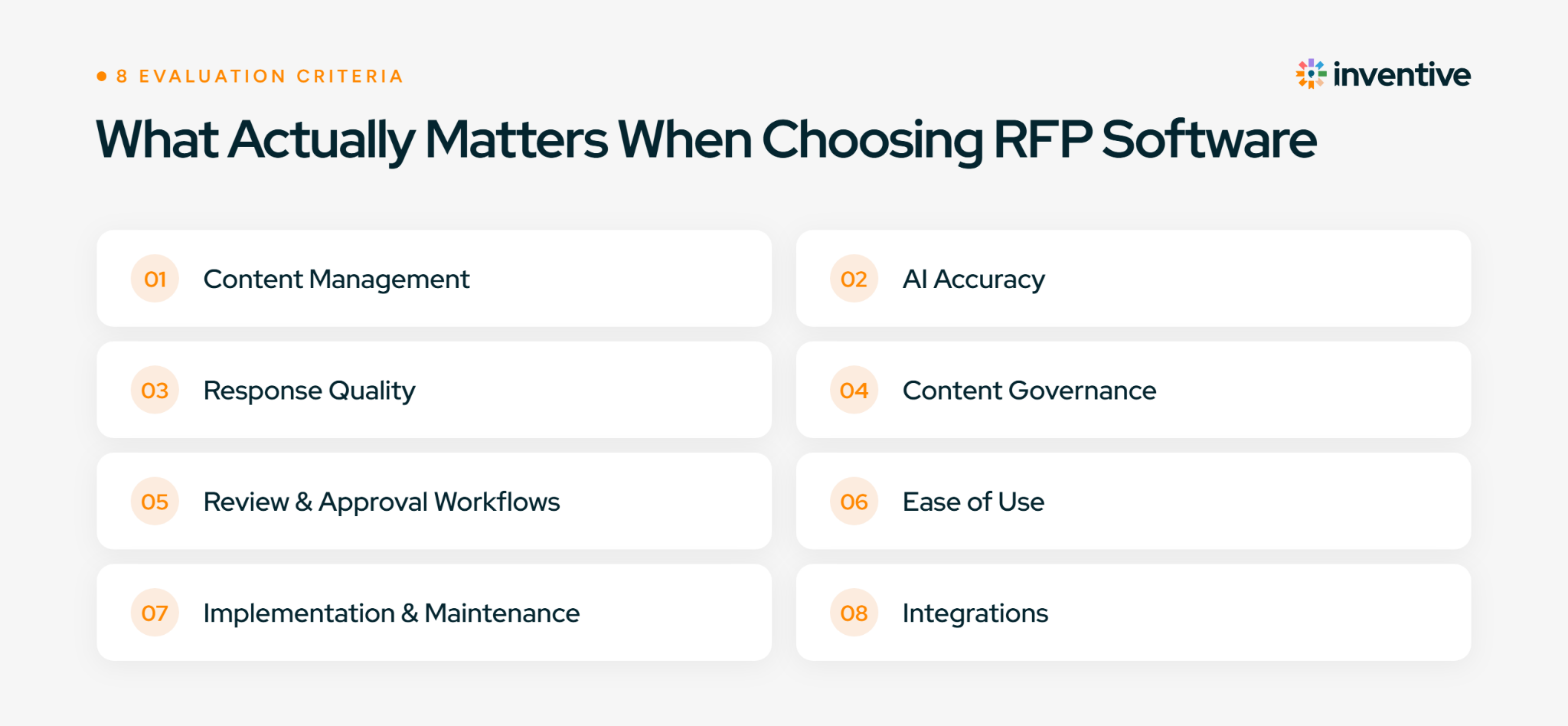
Before comparing Responsive and AutoRFP, use these criteria to evaluate what matters in day-to-day proposal operations.
1. Content Management
Look for a platform that makes company knowledge easy to maintain and reuse.
Evaluate:
- How is content organized and updated?
- Can teams quickly find approved answers?
- Does maintenance scale as content grows?
2. AI Accuracy
AI should reduce review time, not increase it.
Evaluate:
- Are AI responses grounded in your company knowledge?
- Can reviewers identify low-confidence answers?
- How much editing do AI-generated drafts require?
3. Response Quality
A fast draft has little value if teams spend hours rewriting it.
Evaluate:
- Are responses accurate and relevant?
- Can the AI adapt answers to the customer's context?
- Does it reduce duplicate or inconsistent responses?
4. Content Governance
As knowledge grows, governance becomes essential.
Evaluate:
- Are approvals and version history built in?
- Can you track content ownership?
- Does the platform detect outdated or conflicting content?
5. Review & Approval Workflows
Cross-functional collaboration shouldn't slow submissions.
Evaluate:
- Can questions be assigned to SMEs?
- Are approvals and comments tracked?
- Is there an audit trail?
6. Ease of Use
If the platform is difficult to use, adoption suffers.
Evaluate:
- Is the interface easy to navigate?
- How much training is required?
- Can occasional users contribute without assistance?
7. Implementation & Maintenance
Consider the effort required after the contract is signed.
Evaluate:
- How long does implementation take?
- How much work is involved in migrating content?
- What ongoing maintenance is required?
8. Integrations
The platform should fit into your existing workflow.
Evaluate:
- Does it connect with your CRM and document repositories?
- Does it integrate with Microsoft, Google Workspace, or Slack?
- Can teams work without switching between tools?
Need Help Choosing the Right RFP Platform?
Get expert guide on RFP automation, implementation, and AI best practices.
Download Free eBookResponsive Review: Features, Limitations, Pricing & Ratings
Responsive is built around a centralized content library and structured review workflows for enterprise proposal teams.
Responsive's Best Features
- Centralized content library with version control, ownership, and approval workflows to manage approved responses.
- AI-assisted answer retrieval that surfaces relevant content from the library and helps draft or refine responses.
- Content health indicators to identify answers that need review or updates.
- Answer locking to preserve approved wording for regulated or compliance-sensitive responses.
- Browser extension for completing questionnaires directly within customer portals.
- Enterprise collaboration with role-based permissions, SME assignments, comments, and audit history.
Responsive's Limitations
- Response quality depends heavily on the content library. Teams need ongoing effort to review, update, and organize content as the library grows.
- AI is built on top of a traditional library model. It improves drafting but still relies on the quality of existing approved content.
- No AI-driven conflict detection to automatically identify contradictory answers across stored content.
- No AI-powered content governance for proactively flagging outdated, duplicate, or inconsistent knowledge.
- Feature-rich interface with a learning curve. G2 reviewers say new and occasional users may need time to become productive.
- Implementation requires upfront planning, including content migration, library organization, and workflow configuration.
- Additional onboarding and professional services may increase the total cost beyond the software subscription.
Responsive Pricing
Responsive offers a Lite plan starting at $5,000 per year for five users. Professional, Business, and Enterprise plans are quote-based, with pricing depending on deployment size, features, and implementation requirements.
Responsive Ratings
- G2: 4.5/5
- Gartner Peer Insights: 4.2/5
- Capterra: 4.5/5
What Real Users Say about Responsive
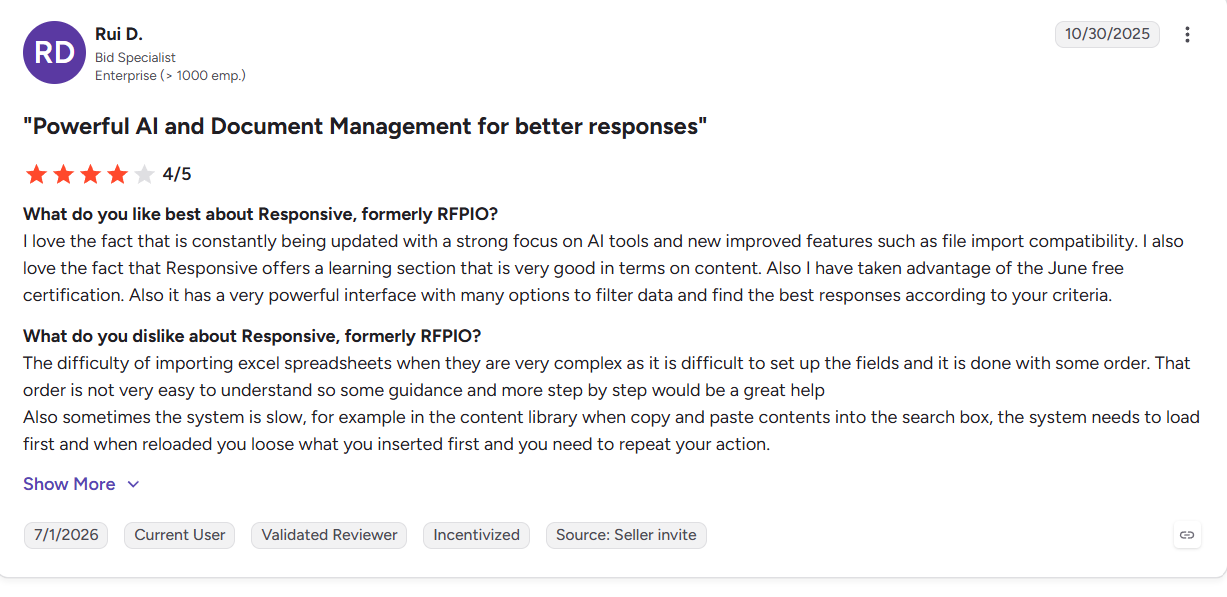
According to a G2 review by Rui D, Responsive offers powerful AI features and flexible content management that make it easier to find relevant answers. However, Rui notes that importing complex Excel files can be cumbersome, and the platform may slow down when working with large content libraries.
Also Read: Top 10 Responsive (RFPIO) Competitors & Alternatives 2026
AutoRFP Review: Features, Limitations, Pricing & Ratings
AutoRFP is built for teams that want to automate RFP responses without managing a traditional content library. It uses AI and semantic search to generate draft responses from your organization's existing knowledge.
AutoRFP's Best Features
- AI-first response generation that drafts answers using semantic search across approved company knowledge.
- Uses connected knowledge that learns from approved responses instead of requiring a structured Q&A library.
- Trust Score that helps reviewers identify which AI-generated answers need closer review.
- Browser extension for completing questionnaires directly in customer portals.
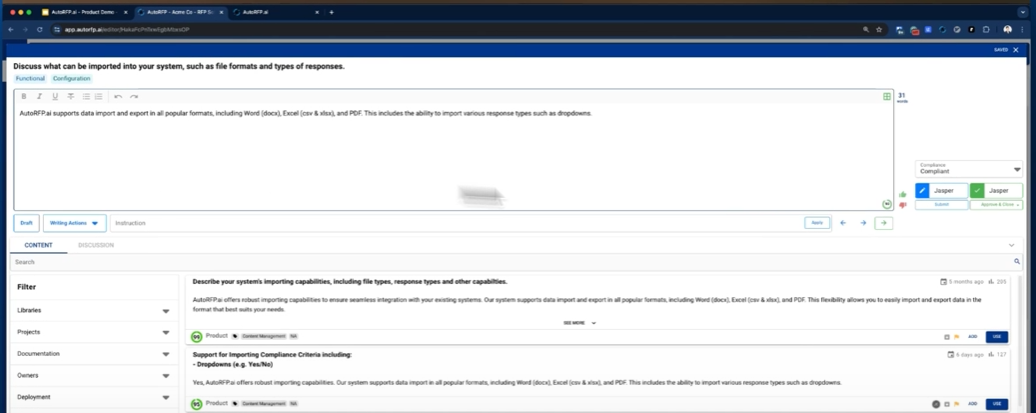
- Supports Word, Excel, PDF, and web-based questionnaires from a single workspace.
- Integrates with Salesforce, Google Drive, Microsoft Teams, Slack, Notion, and other business tools.
- Unlimited users on every plan, making it easier to involve SMEs without additional seat costs.
AutoRFP's Limitations
- No AI-powered conflict detection to identify contradictory answers before submission.
- No AI-driven content governance for detecting outdated, duplicate, or inconsistent knowledge.
- Review workflows are lighter than enterprise-focused proposal platforms, making them less suitable for highly regulated approval processes.
- Questionnaire imports may require manual column mapping, according to third-party reviews.
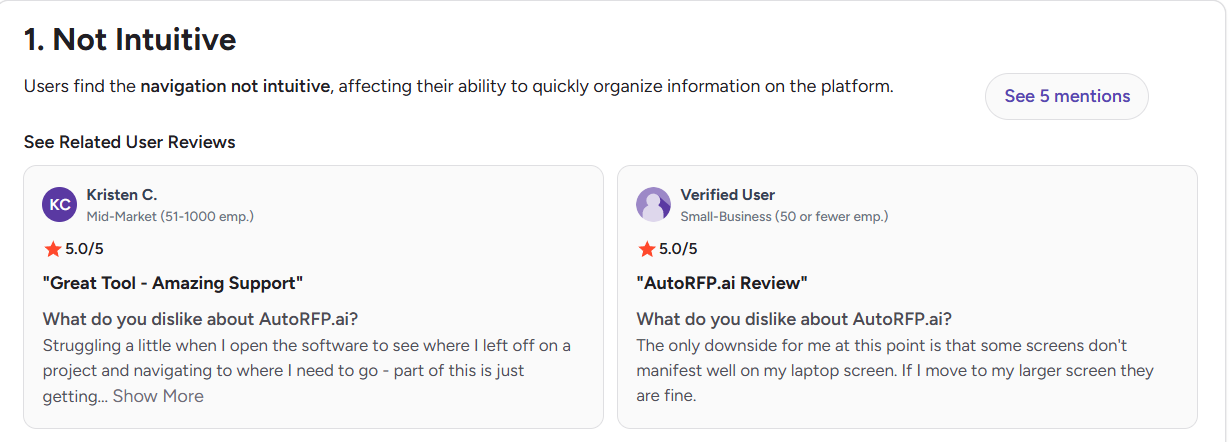
- G2 reviewers say the interface isn't easy to use and that mastering the platform takes time.
- Best suited to small and mid-sized teams rather than organizations with complex proposal operations.
AutoRFP Pricing
AutoRFP publishes transparent pricing:
- Scale: $899/month (24 projects)
- Accelerate: $1,299/month (50 projects)
- Enterprise: Custom pricing
All plans include unlimited users.
AutoRFP Ratings
- G2: 4.8/5
- Gartner Peer Insights: 4.8/5
What Customers Say About AutoRFP
According to G2 reviewers Kristen C. and a Verified User, AutoRFP is generally easy to use, but navigating the platform can take time initially. Some reviewers also mention that certain screens don't render well on smaller laptop displays, affecting usability.
Also Read: Top AutoRFP AI Alternatives & Competitors For 2026
Responsive vs AutoRFP: Feature-by-Feature Comparison
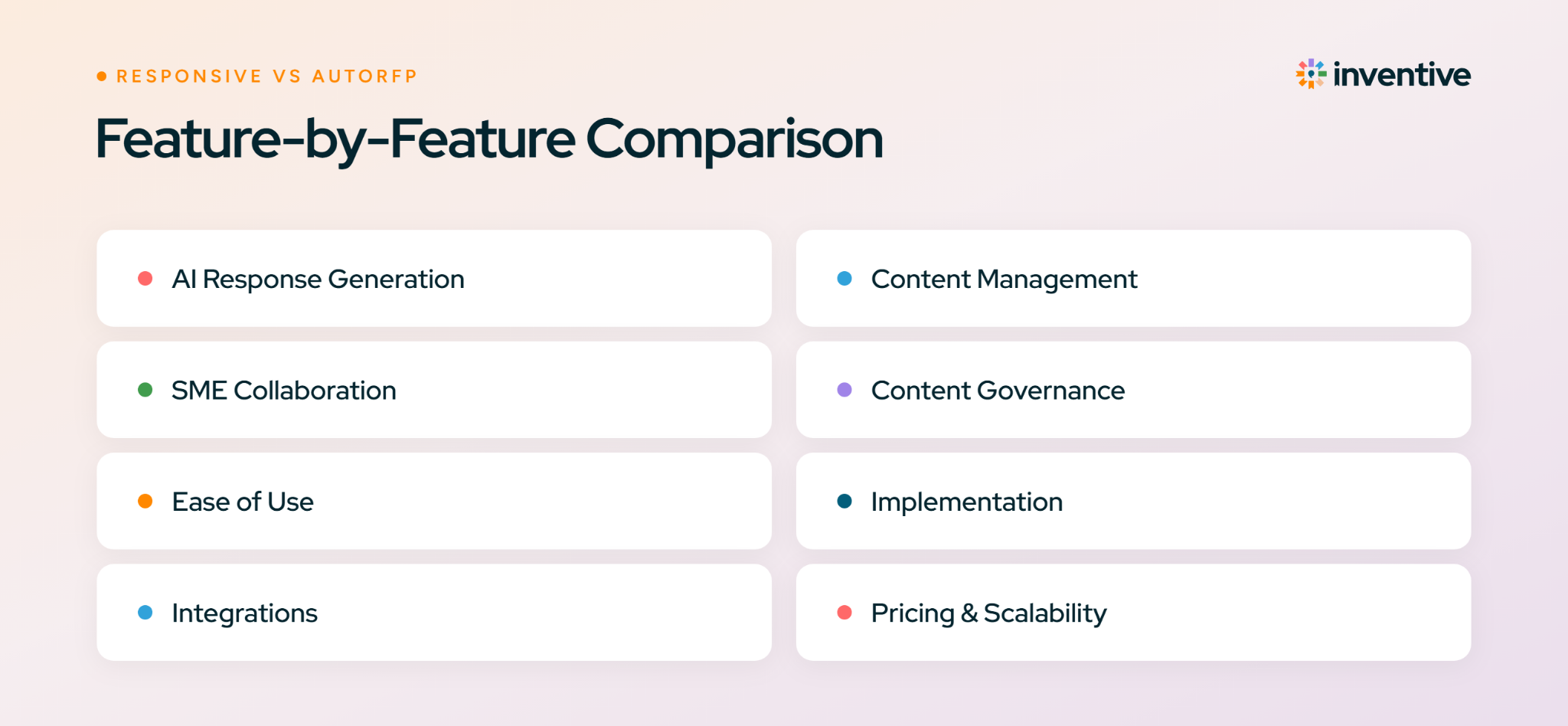
Both platforms help teams respond to RFPs faster, but they take different approaches to AI, content management, and collaboration. Here's how those differences affect day-to-day proposal work.
AI Response Generation
Responsive
- Retrieves answers from an approved content library before drafting a response.
- AI improves existing content rather than generating completely new answers.
- Delivers consistent results when the library is complete and regularly updated.
- Coverage is weaker for new products, services, or questions that aren't already documented.
- Best for teams that prefer predictable, standardized responses over AI-generated content.
AutoRFP
- Generates draft responses using semantic search across company knowledge.
- Can answer questions even when they don't exist in a structured Q&A library.
- Uses a Trust Score to help reviewers prioritize verification.
- Better at producing a first draft than retrieving an exact approved answer.
- Human review is still required before submission.
Content Management
Responsive
- Organizes knowledge into a structured library with folders, tags, and categories.
- Makes approved answers easy to reuse across future RFPs.
- Supports ownership, version history, and scheduled content reviews.
- Library quality depends on regular SME contributions.
- Maintenance effort increases as content volume grows.
AutoRFP
- Learns from approved responses and connected documents.
- Reduces time spent tagging and organizing content.
- Better suited to teams whose documentation changes frequently.
- Teams still need to review AI-generated responses before approving them.
SME Collaboration
Responsive
- Built for structured reviews involving legal, product, security, and sales teams.
- Clearly assigns ownership across reviewers and SMEs.
- Better suited to organizations with formal approval processes.
- Additional workflow steps can slow smaller teams.
AutoRFP
- Supports collaborative reviews with fewer approval layers.
- Makes it easier for SMEs to review AI-generated drafts.
- Better suited to lean teams working against tight deadlines.
- Less structured for complex compliance reviews.
- Larger organizations may still rely on external approval processes.
Content Governance
Responsive
- Supports approvals, permissions, audit trails, and version history.
- Helps control who can edit and publish content.
- Doesn't automatically detect outdated answers.
- Doesn't identify duplicate content.
- Doesn't flag conflicting responses stored in the library.
AutoRFP
- Includes basic review and approval workflows.
- Gives reviewers visibility through Trust Scores.
- Doesn't provide AI-driven content governance.
- Doesn't detect conflicting answers automatically.
- Content quality depends on human review.
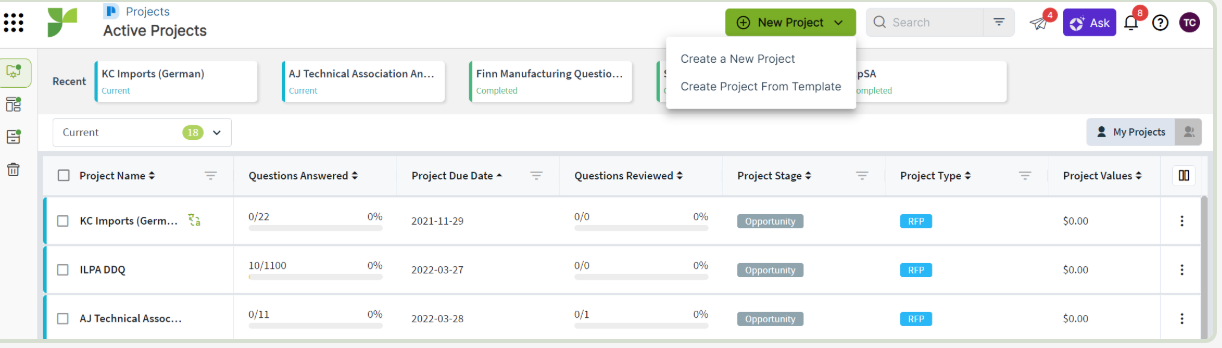
Ease of Use
Responsive
- Feature-rich interface designed for dedicated proposal teams.
- G2 reviewers say the platform has a noticeable learning curve.
- Occasional contributors may need guidance to complete reviews.
- More configuration options increase flexibility.
- Day-to-day navigation can feel slower for new users.
AutoRFP
- Clean interface with fewer setup steps.
- Faster to learn for smaller teams.
- G2 reviewers still report the interface isn't always intuitive.
- Advanced features require onboarding.
- Easier to adopt for teams without a proposal manager.
Implementation
Responsive
- Typically takes 1–2 weeks for smaller teams and 4–8 weeks for larger deployments.
- Requires content migration before teams see full value.
- Review workflows and permissions need configuration.
- Implementation effort increases with library size.
AutoRFP
- Advertises 48-hour implementation.
- Most reviewers report getting started takes a few weeks.
- Requires less upfront content preparation.
- Faster time-to-value for smaller teams.
- Less implementation effort than a traditional library-based platform.
Integrations
Responsive
- Strong Microsoft and Salesforce ecosystem.
- Deep integrations with SharePoint, Teams, and enterprise document management.
- Fits organizations with established IT environments.
- Supports proposal teams working across multiple business systems.
- Better suited to enterprise workflows.
AutoRFP
- Integrates with Salesforce, Google Drive, Slack, Microsoft Teams, and Notion.
- Connects with commonly used collaboration tools.
- Easier to deploy in modern SaaS environments.
- Fewer enterprise-focused integrations than Responsive.
- Well suited to cloud-first teams.
Pricing & Scalability
Responsive
- Starts at $5,000/year for the Lite plan; larger deployments require custom pricing.
- Higher upfront investment.
- Cost increases with enterprise features and implementation.
- Better value for organizations with dedicated proposal operations.
- ROI improves as proposal volume grows.
AutoRFP
- Starts at $899/month with transparent pricing.
- Unlimited users across all plans.
- Lower barrier to adoption.
- Easier to budget as teams grow.
- Better suited to organizations looking for predictable software costs.
Inventive AI: An Alternative to Responsive and AutoRFP
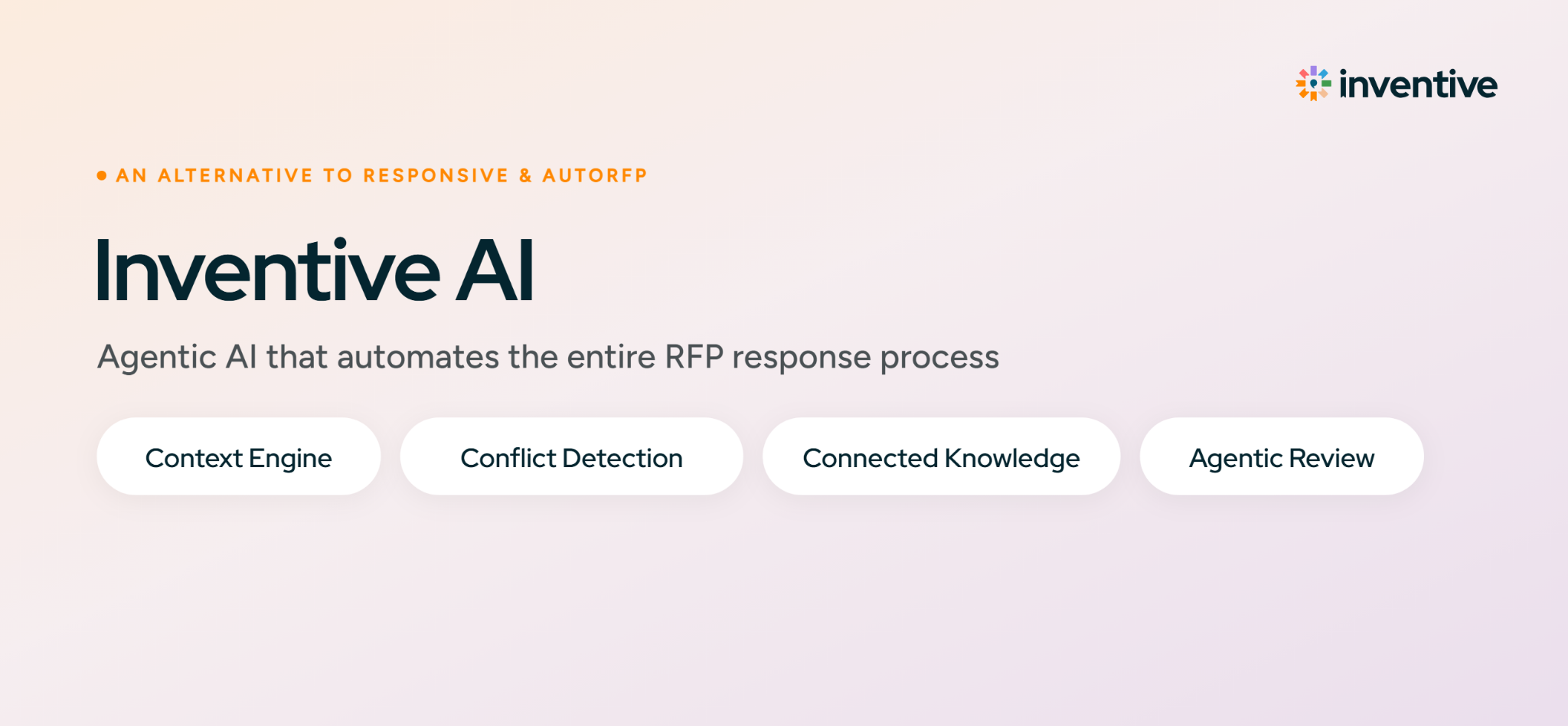
If your team wants to move beyond AI that only drafts answers, Inventive AI uses an agentic approach to RFP automation. It combines AI agents, connected knowledge sources, and automated review workflows to support the entire response process.
What Inventive AI Solves That Responsive and AutoRFP Don't
| If you're struggling with... | Inventive AI's approach |
|---|---|
| Generic AI responses that need heavy editing | Uses a proprietary Context Engine to generate responses using the full RFP context, connected knowledge sources, approved content, and deal context. |
| Outdated or conflicting answers | Detects contradictory and outdated information across connected sources before responses are finalized, allowing reviewers to approve the correct version instead of discovering inconsistencies during final review. |
| Maintaining a large Q&A library | Connects directly to SharePoint, Google Drive, Confluence, Notion, OneDrive, Salesforce, and other business systems so teams can use existing knowledge instead of maintaining a separate library. |
| SMEs spending too much time reviewing drafts | Generates context-aware first drafts so subject matter experts spend more time validating responses than rewriting them from scratch. |
| Working across different response formats | Supports both Excel-based questionnaires and long-form narrative proposals from the same platform. |
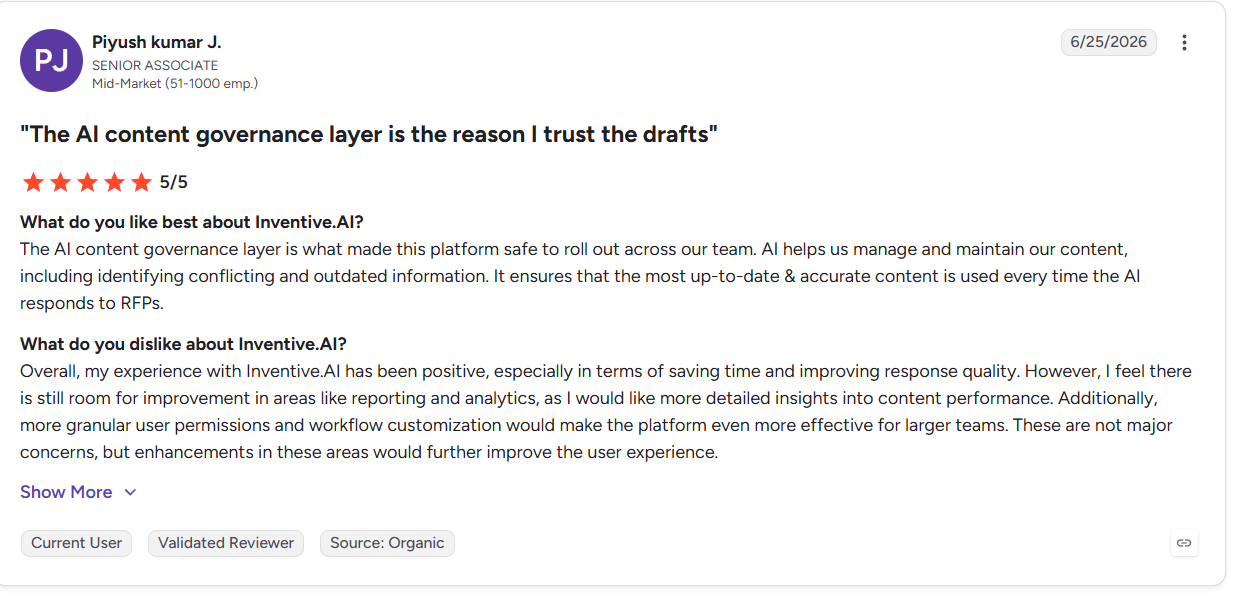
Where Inventive AI Still Has Room to Improve
No platform is perfect. Based on G2 reviews, the most common limitations are:
- Analytics and reporting could offer deeper dashboards and more customization.
- Role-based permissions are still evolving for organizations with complex governance requirements.
- Enterprise ecosystem depth is still growing compared with long-established vendors that have been in the market for over a decade.
Results Reported by Inventive AI Customers
Inventive AI backs its platform with published customer case studies across SaaS and enterprise teams.
- RAD AI reported 2× more accurate RFP responses than other AI RFP tools evaluated, with most answers requiring little to no editing before submission.
- AssetWorks Facilities achieved a 422% ROI by automating RFP responses, reclaiming 1.5–2 full-time employees' worth of capacity and delivering approximately $105K in annual net savings.
- Insider reduced response time for a 100-question RFP from 4–5 hours to 20–30 minutes (around 90% faster) and increased win rates from 30% to 50% after adopting Inventive AI.
Inventive Pricing
The platform uses usage-based pricing with unlimited users, rather than per-seat licensing
See Inventive AI in Action
See how teams use agentic AI to generate responses, detect content conflicts, and prepare submission-ready RFPs in minutes.
Book a DemoResponsive vs AutoRFP: Which is Better?
Choose the one that best matches your proposal process, team structure, and content management needs.
| If your team... | Choose |
|---|---|
| Has a dedicated proposal or bid management team | Responsive |
| Manages a high volume of RFPs with structured review processes | Responsive |
| Needs formal approvals across legal, security, and product teams | Responsive |
| Relies on a centralized content library for response consistency | Responsive |
| Primarily uses Microsoft 365, SharePoint, and Salesforce | Responsive |
| Wants AI to reduce first-draft effort without building a large content library | AutoRFP |
| Has a lean sales or solutions team responding to RFPs | AutoRFP |
| Prefers transparent, predictable pricing | AutoRFP |
| Wants a faster implementation with less upfront setup | AutoRFP |
| Doesn't have a dedicated proposal operations function | AutoRFP |
Read more: Why AI-Native RFP Software is Replacing Legacy Tools Like Responsive and Loopio
Final Verdict
Choose Responsive if your organization has established proposal operations and values structured content management, formal review workflows, and enterprise governance. The platform requires more setup and ongoing content maintenance but provides stronger control as proposal volume grows.
Choose AutoRFP if your priority is reducing response time with AI while keeping implementation and maintenance simple. It's a better fit for lean teams that want to generate quality first drafts without managing a traditional content library.
Neither platform is universally better. The right choice depends on whether your team values structured governance or faster AI-assisted responses.
Frequently Asked Questions
Should I choose an AI-native RFP platform or a traditional content library?
It depends on how your team works. Traditional platforms are better suited to organizations with established proposal processes and well-maintained content libraries. AI-native platforms are often a better fit for teams that want to reduce manual content maintenance and generate stronger first drafts from existing company knowledge.
How much time does an RFP platform actually save?
The biggest time savings come from eliminating repetitive work like searching for past answers, assigning questions to SMEs, and rewriting similar responses. Actual savings vary by team size, proposal volume, and the quality of existing documentation.
What's the biggest challenge after implementing RFP software?
For many teams, it's keeping response content accurate. As products, pricing, and policies change, outdated or duplicate answers can accumulate unless there's a clear process for reviewing and updating content. This is one of the most common pain points discussed by proposal teams.
Can AI replace proposal managers or SMEs?
No. AI can draft responses, retrieve relevant information, and reduce repetitive work, but proposal managers and subject matter experts are still responsible for validating technical accuracy, compliance, and final approvals before submission.
When should a company move from manual RFP responses to RFP software?
If your team spends hours searching for previous answers, repeatedly involves the same SMEs, or struggles to respond to growing RFP volume, it's usually a good time to evaluate RFP software. These operational bottlenecks are common triggers for adopting automation.
What should I ask during an RFP software demo?
Beyond AI features, ask how the platform handles content maintenance, conflicting answers, implementation time, review workflows, integrations, and ongoing support. These factors often have a bigger impact on long-term adoption than drafting speed alone.

.avif)